Madison Cole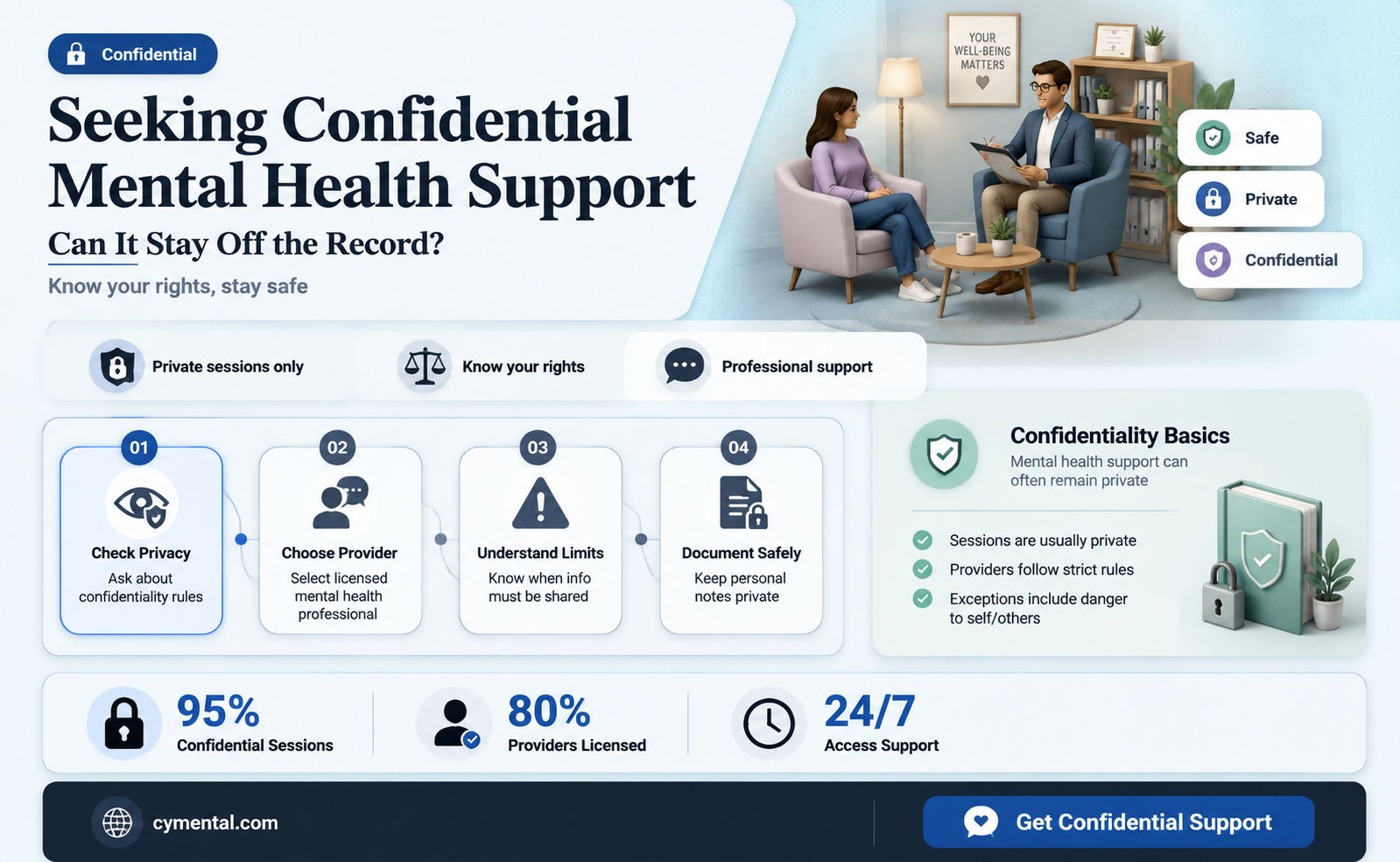
Seeking mental health support while maintaining privacy is a common concern for many individuals. The question of whether one can receive mental health treatment off the record often arises due to fears of stigma, professional repercussions, or personal confidentiality. While mental health professionals are bound by strict ethical guidelines and laws like HIPAA in the United States, which protect patient information, there are limitations to complete anonymity. Some exceptions exist, such as mandatory reporting of harm to self or others, which may require disclosure. However, many therapists offer sliding-scale fees or work with clients to ensure affordability and discretion. Additionally, resources like anonymous hotlines, online therapy platforms, or support groups can provide assistance without formal records. Ultimately, the level of confidentiality depends on the specific circumstances and the services utilized, but options are available to address mental health needs while minimizing exposure.
| Characteristics | Values |
|---|---|
| Confidentiality | Mental health professionals are bound by confidentiality laws (e.g., HIPAA in the U.S.), but records may still exist unless explicitly discussed as "off the record." |
| Off-the-Record Options | Limited; most therapy sessions are documented for legal and treatment purposes. Exceptions may include crisis hotlines or anonymous support groups. |
| Anonymous Support | Available through hotlines (e.g., National Suicide Prevention Lifeline), online forums, or peer support groups where no personal information is recorded. |
| Private Pay Options | Paying out-of-pocket for therapy may reduce the need for insurance records, but therapists may still keep notes for legal protection. |
| Legal Limitations | Therapists must report certain situations (e.g., risk of harm to self/others, child/elder abuse) regardless of confidentiality agreements. |
| Online Therapy Platforms | Some platforms offer anonymous or pseudonym-based services, but data privacy policies vary, and records may still be kept. |
| Informal Support | Friends, family, or clergy may offer off-the-record support, but they are not bound by professional confidentiality laws. |
| Cost Implications | Off-the-record options may be more expensive due to limited availability or the need for private pay arrangements. |
| Geographic Variations | Laws and practices regarding mental health records differ by country; some regions may offer more privacy protections than others. |
| Ethical Considerations | Therapists prioritize client safety and legal obligations, which may override requests for completely off-the-record sessions. |
| Alternative Approaches | Self-help resources (books, apps, meditation) or group workshops may provide support without formal records, but lack personalized therapy. |
| Crisis Intervention | Crisis hotlines (e.g., 988 in the U.S.) are typically anonymous and do not create long-term records unless there is an immediate safety risk. |
| Data Security Risks | Even if records are kept, data breaches or unauthorized access remain a risk, regardless of "off-the-record" status. |
| Cultural Stigma | Seeking off-the-record help may stem from stigma around mental health, but it’s important to balance privacy with effective treatment. |
| Insurance Exclusion | Using insurance requires documentation, so off-the-record options often exclude insurance coverage. |
| Temporary Solutions | Off-the-record methods may provide short-term relief but are not substitutes for long-term, documented mental health care. |
Explore related products


What You'll Learn

Confidentiality laws in mental health care
One practical tip for maximizing confidentiality is to inquire about your therapist’s policies during the first session. Ask how they handle record-keeping, who has access to your files, and under what circumstances they might disclose information. For example, some therapists use encrypted platforms for communication and store records in secure, HIPAA-compliant systems. Additionally, consider paying out-of-pocket instead of using insurance, as insurance companies often require diagnostic codes and treatment details, which become part of your permanent health record. This step reduces the digital footprint of your mental health care.
A lesser-known option for enhanced privacy is seeking therapy through clergy or pastoral counselors, who are often exempt from confidentiality laws due to religious privilege. However, this route has limitations: their training may not align with clinical standards, and they are still mandated reporters in cases of abuse or imminent harm. Another alternative is peer support groups or anonymous hotlines, which offer immediate help without documentation. For example, the National Alliance on Mental Illness (NAMI) provides peer-led support groups where conversations remain confidential among participants.
Comparing confidentiality laws internationally reveals significant variations. In the UK, the General Data Protection Regulation (GDPR) governs mental health records, offering stricter controls over data sharing than HIPAA. In contrast, countries like Germany prioritize patient autonomy, allowing individuals to request that their mental health records be sealed from employers or insurers. These differences highlight the importance of researching local laws if you’re seeking discreet mental health care abroad or through international providers.
Ultimately, while complete "off the record" mental health care is rare, understanding and leveraging confidentiality laws can significantly enhance your privacy. Start by choosing providers who prioritize discretion, avoid insurance when possible, and explore alternative support systems. Remember, the goal is not to hide but to create a safe space for healing without unnecessary exposure. By taking these steps, you can navigate the system more confidently and focus on what truly matters: your well-being.
Anime's Impact: Exploring Mental Health Benefits and Emotional Healing
You may want to see also
Explore related products


Anonymous therapy options available
Seeking mental health support without leaving a digital or institutional footprint is increasingly feasible through anonymous therapy options. These services prioritize confidentiality by eliminating the need for personal identifiers, such as names or insurance details, ensuring that your conversations remain private. Platforms like 7 Cups and BetterHelp offer anonymous messaging or chat-based therapy, where users can create pseudonyms to engage with licensed professionals. Similarly, apps like Wysa use AI-driven therapy chatbots, providing immediate support without requiring any personal information. These options are particularly valuable for individuals concerned about stigma, data breaches, or professional repercussions.
For those preferring human interaction, anonymous group therapy sessions are another viable option. Organizations like Alcoholics Anonymous (AA) and its offshoot, Emotions Anonymous (EA), operate on strict anonymity principles, allowing participants to share openly without revealing their identities. Online platforms like In The Rooms extend this model to virtual spaces, hosting anonymous group meetings for various mental health concerns. These groups foster a sense of community and shared experience, reducing feelings of isolation while maintaining privacy. However, it’s crucial to verify the credentials of facilitators to ensure professional guidance.
A lesser-known but effective method is anonymous email therapy, offered by platforms like Talkspace or specialized providers. Clients communicate with therapists via encrypted emails, using pseudonyms to protect their identity. This method suits individuals who prefer written expression over real-time conversations. While response times may vary, typically ranging from 24 to 48 hours, this approach allows for thoughtful reflection and detailed feedback. Costs vary, with some providers charging per email exchange or offering subscription plans starting at $50 per week.
Despite the benefits, anonymous therapy isn’t without limitations. Without a formal record, continuity of care can be challenging, especially if you switch providers. Additionally, crisis situations may require immediate intervention, which anonymous platforms may not always provide. To maximize effectiveness, set clear goals for therapy, such as managing anxiety or improving relationships, and communicate these to your therapist. Regularly assess whether the anonymity enhances or hinders your progress, and don’t hesitate to explore other options if needed.
In conclusion, anonymous therapy options offer a discreet pathway to mental health support, catering to diverse preferences and needs. Whether through AI chatbots, group sessions, or email exchanges, these services empower individuals to seek help on their terms. By understanding the strengths and limitations of each method, you can make an informed choice that aligns with your privacy priorities and therapeutic goals.
Mental Health's Impact on Skin Aging: Unveiling the Mind-Face Connection
You may want to see also
Explore related products


Private counseling without insurance records
Seeking mental health support privately, without involving insurance records, is a viable option for those prioritizing confidentiality and autonomy. This approach often involves paying out-of-pocket for counseling services, bypassing the typical documentation that insurance companies require. While this method ensures your sessions remain off the record, it requires careful consideration of costs, provider selection, and legal boundaries.
Steps to Access Private Counseling Without Insurance Records
First, identify therapists or counselors who offer private pay options. Many independent practitioners provide this service, often advertising it on their websites or during initial consultations. When contacting a therapist, explicitly state your preference for confidentiality and inquire about their policies regarding record-keeping and third-party disclosures. Payment methods like cash, personal checks, or encrypted payment platforms can further minimize digital footprints.
Second, research alternative therapy models that inherently prioritize privacy. For instance, some therapists operate under a "fee-for-service" model, which avoids diagnostic coding and insurance billing. Others may offer sliding scale fees based on income, making private counseling more accessible. Online therapy platforms that accept cryptocurrency or prepaid cards can also enhance anonymity, though it’s crucial to verify their data security practices.
Cautions and Considerations
While private counseling offers confidentiality, it’s not entirely without risks. Therapists are mandated reporters in many jurisdictions, meaning they must disclose information if there’s an immediate threat of harm to yourself or others. Additionally, paying out-of-pocket can be costly, with session fees ranging from $80 to $250 or more, depending on the provider’s expertise and location. Without insurance, there’s also no cap on annual expenses, so budgeting is essential.
Practical Tips for Maximizing Privacy
To further safeguard your privacy, consider using a pseudonym or initials when scheduling appointments, especially if the therapist’s office shares a waiting room with other practices. Avoid discussing sensitive details over unsecured communication channels like email or text; opt for encrypted messaging apps instead. If you’re concerned about financial records, use a dedicated prepaid card for therapy payments, ensuring the transaction isn’t linked to your primary bank account.
Unlocking Hope: Effective Mental Health Care in Prisons Explored
You may want to see also
Explore related products



Online platforms for discreet support
The rise of online therapy platforms has revolutionized the way people access mental health support, offering a level of discretion that traditional in-person therapy often cannot. For individuals seeking confidentiality, these digital services provide a unique solution, allowing users to connect with licensed professionals from the comfort of their own homes, or even on the go. This is particularly appealing to those who wish to keep their mental health journey private, free from the potential stigma or judgment they might fear in their local community.
A World of Options:
Online platforms offer a diverse range of therapeutic services, from text-based chat sessions to video calls and even voice-only options. This variety caters to different preferences and comfort levels. For instance, someone who feels anxious about face-to-face interactions might opt for asynchronous messaging, allowing them to compose their thoughts without the pressure of real-time conversation. These platforms often provide access to a wide network of therapists, ensuring users can find a suitable match in terms of specialization, therapeutic approach, and even cultural background.
Discretion and Privacy:
One of the key advantages of these online services is the emphasis on user privacy. Reputable platforms ensure that all interactions are encrypted and secure, protecting sensitive information. Users can create accounts with minimal personal details, often only requiring an email address and a chosen username. Payment methods are also discreet, with options like prepaid cards or cryptocurrency providing an extra layer of anonymity. This level of confidentiality encourages individuals to seek help without the worry of their personal struggles becoming public knowledge.
Accessibility and Convenience:
Online therapy platforms break down geographical barriers, making mental health support accessible to those in remote areas or with limited mobility. This accessibility extends to scheduling, as users can often book sessions at times that suit their daily routines, including evenings and weekends. The convenience of accessing therapy from home eliminates travel time and potential exposure to triggering environments, such as crowded waiting rooms. This is especially beneficial for individuals with social anxiety or agoraphobia, who may find traditional therapy settings challenging.
Considerations and Cautions:
While online platforms offer discretion and convenience, it's essential to approach them with caution. Users should research platforms thoroughly, ensuring they are reputable and employ licensed professionals. It's also crucial to understand the limitations of online therapy, as certain severe mental health conditions may require more intensive, in-person treatment. Additionally, users should be aware of potential technical issues, such as unreliable internet connections, which could disrupt sessions. Despite these considerations, online therapy platforms provide a valuable, discreet resource for those seeking mental health support on their own terms.
Finding Mental Health Support: A Guide to Accessible Resources and Services
You may want to see also
Explore related products


Legal limits of therapist-patient privacy
Therapist-patient confidentiality is a cornerstone of mental health treatment, but it’s not absolute. Legal exceptions exist, and understanding them is crucial for anyone seeking "off-the-record" mental health support. In the United States, the Health Insurance Portability and Accountability Act (HIPAA) protects health information, including mental health records, but it allows therapists to disclose information without consent in specific situations. For instance, if a patient poses an imminent threat to themselves or others, therapists are legally obligated to report this to authorities. Similarly, suspected child, elder, or dependent adult abuse must be reported, as must certain violent threats against identifiable individuals.
Consider the case of Tarasoff v. Regents of the University of California, a landmark ruling that established therapists’ duty to protect potential victims of their patients. If a patient discloses a serious intent to harm someone, therapists must take steps to warn the intended victim or notify law enforcement. This legal precedent underscores the limits of confidentiality when public safety is at stake. While these exceptions are rare, they highlight the ethical and legal tightrope therapists walk to balance patient privacy with societal protection.
Internationally, privacy laws vary, but similar exceptions often apply. In the UK, the General Data Protection Regulation (GDPR) governs data privacy, yet therapists can breach confidentiality if there’s a risk of serious harm. In Canada, provincial laws like Ontario’s Personal Health Information Protection Act (PHIPA) permit disclosure in emergencies. These global examples illustrate that while confidentiality is a universal principle, its boundaries are defined by local legislation and ethical guidelines.
For those seeking truly anonymous mental health support, limited options exist. Some online platforms or helplines offer anonymous counseling, but these services often lack the depth of traditional therapy. Paying out-of-pocket and avoiding insurance claims can reduce the digital footprint of treatment, but it doesn’t guarantee absolute privacy if legal exceptions arise. Practically, individuals should discuss their privacy concerns with therapists upfront to understand the limits of confidentiality in their jurisdiction.
In conclusion, while therapist-patient privacy is robust, it’s not impenetrable. Legal mandates to protect public safety or vulnerable populations can override confidentiality. Patients must weigh their desire for anonymity against the realities of these exceptions. Open communication with a therapist about privacy concerns is the best way to navigate this complex landscape and make informed decisions about mental health care.
Post-Pandemic Mental Health: Are Younger Generations Seeking More Support?
You may want to see also
Frequently asked questions
While confidentiality is a priority in mental health care, complete "off the record" treatment is not guaranteed. Therapists must follow legal and ethical guidelines, which may require disclosing information in cases of harm to self or others, abuse, or legal mandates.
Most mental health professionals are bound by confidentiality laws but must report certain situations (e.g., suicidal intent, child abuse). However, some therapists may offer more discreet services, such as private pay options to avoid insurance records, but legal exceptions still apply.
Using a pseudonym may be possible in some cases, especially with private pay arrangements, but it depends on the therapist’s policies and local laws. However, this does not exempt the therapist from reporting obligations if required by law.
If you use insurance, your mental health treatment may be documented and accessible to insurers. Paying out of pocket can reduce this risk, but records may still exist with the provider. Discuss privacy concerns with your therapist to explore options.