Ava Ramirez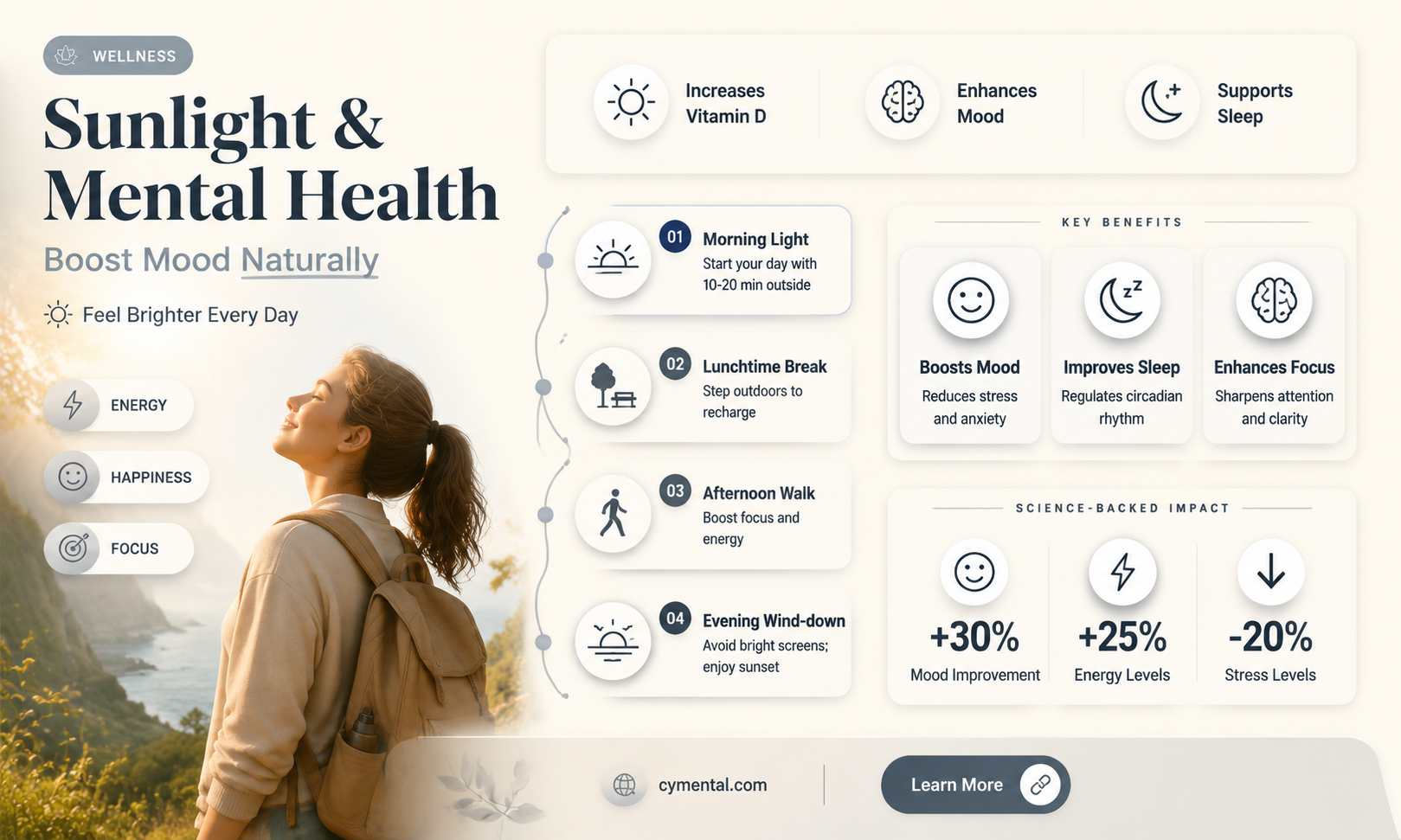
Exposure to sunlight has long been associated with improvements in mental health, primarily due to its role in regulating mood and circadian rhythms. Sunlight triggers the production of serotonin, often referred to as the feel-good hormone, which can alleviate symptoms of depression and anxiety. Additionally, sunlight is essential for the synthesis of vitamin D, a nutrient linked to reduced risks of mood disorders. Beyond biochemical effects, spending time outdoors in natural light can enhance overall well-being by promoting relaxation and reducing stress. However, the relationship between sun exposure and mental health is complex, as excessive sunlight can have adverse effects, underscoring the importance of moderation and balance.
| Characteristics | Values |
|---|---|
| Vitamin D Production | Sunlight triggers vitamin D synthesis in the skin, which is linked to improved mood and reduced symptoms of depression. Low vitamin D levels are associated with higher rates of depression and seasonal affective disorder (SAD). |
| Serotonin Boost | Sun exposure increases serotonin levels, a neurotransmitter associated with feelings of well-being and happiness. Reduced sunlight in winter can lower serotonin, contributing to seasonal mood changes. |
| Regulation of Circadian Rhythm | Natural sunlight helps regulate the body’s internal clock, improving sleep quality and reducing symptoms of insomnia, which are often linked to mental health issues. |
| Reduction in Stress and Anxiety | Spending time outdoors in sunlight has been shown to lower cortisol (stress hormone) levels and promote relaxation, reducing anxiety and stress. |
| Alleviation of Seasonal Affective Disorder (SAD) | Light therapy, mimicking sunlight, is a proven treatment for SAD, a type of depression that occurs during fall and winter months due to reduced daylight. |
| Enhanced Physical Activity | Sunlight encourages outdoor activities, which can improve mental health through exercise, social interaction, and connection with nature. |
| Improved Focus and Cognitive Function | Exposure to natural light has been linked to better cognitive performance, attention, and overall mental clarity. |
| Connection to Nature | Sunlight facilitates outdoor experiences, fostering a sense of connection to nature, which is associated with reduced symptoms of depression and anxiety. |
| Potential Over-Exposure Risks | Excessive sun exposure can lead to negative effects, such as skin damage and heat stress, which may indirectly impact mental health. Balance is key. |
| Cultural and Individual Differences | The impact of sunlight on mental health can vary based on cultural practices, geographic location, and individual sensitivity to light. |
Explore related products


What You'll Learn
- Sunlight boosts serotonin, improving mood and reducing depression symptoms naturally
- Vitamin D from sun exposure supports brain health and emotional well-being
- Natural light regulates circadian rhythms, enhancing sleep and mental clarity
- Outdoor sunlight exposure reduces stress and anxiety through relaxation effects
- Sunlight fosters social activity, combating loneliness and improving mental health

Sunlight boosts serotonin, improving mood and reducing depression symptoms naturally
Sunlight isn’t just a source of warmth and light—it’s a natural mood enhancer. When ultraviolet rays hit your skin, they trigger the production of serotonin, often called the "feel-good" hormone. This neurotransmitter plays a critical role in regulating mood, appetite, and sleep. Studies show that serotonin levels are significantly higher in individuals exposed to bright light, particularly during daylight hours. For those struggling with seasonal affective disorder (SAD), a condition linked to reduced sunlight exposure, this mechanism is especially relevant. Simply put, stepping outside can be a simple yet powerful way to elevate your mental state.
To harness sunlight’s serotonin-boosting benefits, aim for 10–30 minutes of direct exposure daily, ideally in the morning. This timeframe is sufficient to stimulate serotonin production without increasing the risk of sunburn or skin damage. If you live in a region with limited sunlight, consider using a light therapy box, which mimics natural light and can be just as effective. Pairing sunlight exposure with physical activity, like a morning walk, amplifies its benefits by releasing endorphins, another mood-enhancing chemical. Remember, consistency is key—make it a daily habit to maximize the impact on your mental health.
While sunlight’s role in serotonin production is well-documented, it’s not a one-size-fits-all solution. Factors like age, skin type, and geographic location influence how your body responds. For instance, older adults may produce less serotonin from sunlight due to thinning skin, while those with darker skin tones require more exposure to achieve the same effect. Additionally, overexposure can lead to negative consequences, such as skin aging and increased cancer risk. Always balance sunlight intake with sun protection—wear SPF 30+ sunscreen and avoid peak UV hours (10 a.m.–4 p.m.) to stay safe.
Comparing sunlight to other mood-boosting methods highlights its accessibility and cost-effectiveness. Unlike antidepressants or therapy, which can be expensive or require professional intervention, sunlight is free and readily available. However, it’s not a replacement for clinical treatment in severe cases of depression or anxiety. Think of it as a complementary tool—a natural supplement to your mental health toolkit. For best results, combine sunlight exposure with other strategies like mindfulness, social connection, and a balanced diet to create a holistic approach to well-being.
Finally, consider the seasonal and environmental nuances of sunlight’s impact. During winter months, when daylight hours are shorter, serotonin levels naturally dip, contributing to feelings of lethargy and sadness. This is where intentional sunlight exposure becomes crucial. Even on cloudy days, stepping outside can provide some benefit, as UV rays penetrate clouds. For those in urban areas with limited outdoor space, opening curtains, sitting near windows, or visiting parks can help. By understanding and adapting to these factors, you can make sunlight a reliable ally in your mental health journey.
Can Psychiatrists Effectively Address and Resolve My Mental Health Issues?
You may want to see also
Explore related products


Vitamin D from sun exposure supports brain health and emotional well-being
Sunlight triggers the skin’s production of Vitamin D, a nutrient critical for more than just bone health. Research indicates that Vitamin D receptors are present in brain regions associated with depression, suggesting a direct link between this nutrient and mental health. Studies have shown that individuals with Vitamin D deficiency are at a higher risk for mood disorders, including depression and seasonal affective disorder (SAD). For example, a 2014 meta-analysis published in the *British Journal of Psychiatry* found that low Vitamin D levels were associated with a higher prevalence of depression. This highlights the importance of sun exposure as a natural way to boost Vitamin D and, consequently, support emotional well-being.
To harness the mental health benefits of Vitamin D, aim for 10–30 minutes of midday sun exposure on your face, arms, or legs 2–3 times per week. The exact duration depends on factors like skin tone, geographic location, and season. Fair-skinned individuals may require less time, while those with darker skin may need more due to higher melanin levels, which reduce Vitamin D synthesis. For those living in regions with limited sunlight, especially during winter months, supplementation may be necessary. The National Institutes of Health recommends a daily intake of 600–800 IU of Vitamin D for adults, though individual needs can vary. Always consult a healthcare provider for personalized advice.
While sun exposure is beneficial, it’s crucial to balance it with skin cancer prevention. Overexposure to UV rays can lead to sunburn, premature aging, and an increased risk of skin cancer. Use sunscreen with an SPF of 30 or higher after initial sun exposure to protect your skin while still allowing for Vitamin D production. Alternatively, consider combining sunlight with other Vitamin D sources, such as fatty fish, fortified foods, or supplements. This dual approach ensures you reap the mental health benefits without compromising skin health.
The connection between Vitamin D and brain health extends beyond mood regulation. Emerging research suggests that adequate Vitamin D levels may protect against cognitive decline and neurodegenerative diseases like Alzheimer’s. A 2017 study in *JAMA Neurology* found that Vitamin D deficiency was associated with a faster decline in cognitive function in older adults. This underscores the long-term benefits of maintaining optimal Vitamin D levels through sun exposure or supplementation. By prioritizing this nutrient, you’re not only supporting emotional well-being but also investing in your brain’s future health.
Do I Need Mental Help? A Guide to Self-Assessment and Seeking Support
You may want to see also
Explore related products


Natural light regulates circadian rhythms, enhancing sleep and mental clarity
Exposure to natural light is a powerful yet often overlooked tool for synchronizing your body’s internal clock. The human circadian rhythm, a 24-hour cycle governing sleep-wake patterns, relies heavily on light cues to function optimally. When sunlight enters your eyes, it signals the brain to suppress melatonin, the sleep hormone, and boosts alertness. This simple biological process is why stepping outside in the morning can feel like hitting a reset button for your energy levels. Without sufficient natural light, especially during daylight hours, this rhythm can drift, leading to irregular sleep and diminished mental clarity.
To harness this benefit, aim for 20–30 minutes of morning sunlight daily, ideally within an hour of waking. This "light dose" helps anchor your circadian rhythm, promoting deeper sleep at night and sharper focus during the day. For those in regions with limited sunlight, especially during winter months, a walk near a window or even a light therapy lamp can serve as a practical substitute. Consistency is key—irregular exposure weakens the effect, so treat it like a non-negotiable part of your routine, akin to brushing your teeth.
Contrast this with the impact of artificial light, particularly blue light from screens, which mimics daylight and confuses the circadian system when used late at night. This disruption not only delays sleep but also fragments it, leaving you mentally foggy the next day. By prioritizing natural light during the day and minimizing artificial exposure after sunset, you create a clear distinction between active and rest periods, reinforcing your body’s natural rhythm. Think of it as training your brain to recognize when it’s time to work and when it’s time to wind down.
For older adults and shift workers, whose circadian rhythms are more prone to disruption, this practice becomes even more critical. Studies show that seniors who spend time outdoors in natural light experience improved sleep quality and reduced symptoms of depression. Similarly, shift workers can benefit from strategic light exposure during the day to counteract the disorienting effects of nocturnal schedules. Pairing this with other circadian-friendly habits, like maintaining a cool, dark bedroom, amplifies the results.
Incorporating natural light into your daily routine isn’t just about better sleep—it’s about reclaiming mental clarity in an increasingly indoor, screen-dominated world. Start small: open blinds immediately upon waking, take a midday walk, or position your workspace near a window. These simple adjustments, backed by biology, can transform your energy levels and cognitive function. After all, the sun doesn’t just light up the sky—it illuminates your body’s most fundamental processes.
Unlocking Hope: Effective Mental Health Care in Prisons Explored
You may want to see also
Explore related products


Outdoor sunlight exposure reduces stress and anxiety through relaxation effects
Sunlight isn't just a source of vitamin D; it's a natural stress reliever. Studies show that spending time outdoors in natural light can significantly reduce cortisol, the body's primary stress hormone. This effect is particularly pronounced in green spaces, where sunlight combines with the calming influence of nature to create a powerful antidote to anxiety. Imagine a 30-minute walk in a park during daylight hours – this simple activity can lower stress levels and improve mood, offering a free and accessible way to enhance mental well-being.
To harness sunlight's relaxation benefits, aim for 10–30 minutes of outdoor exposure daily, preferably in the morning or late afternoon when UV rays are less intense. For those with busy schedules, even a brief lunch break outside can make a difference. Pairing sunlight exposure with mindfulness practices, such as deep breathing or meditation, amplifies its calming effects. For instance, sitting on a bench and focusing on the warmth of the sun on your skin can ground you in the present moment, reducing anxiety.
While sunlight is beneficial, moderation is key. Overexposure can lead to sunburn and long-term skin damage, so apply sunscreen with at least SPF 30 if you’ll be outside for extended periods. For individuals with sensitive skin or those living in regions with intense sunlight, wearing protective clothing and seeking shade during peak hours (10 a.m. to 4 p.m.) is advisable. The goal is to balance the mental health benefits of sunlight with skin safety.
Comparing indoor artificial light to natural sunlight reveals a stark contrast in their effects on mental health. Artificial light, often blue-heavy, can disrupt sleep patterns and increase stress, while sunlight regulates circadian rhythms and promotes relaxation. For office workers or students, taking short breaks near windows or stepping outside can counteract the negative impacts of prolonged indoor lighting. Incorporating sunlight into daily routines isn’t just a luxury—it’s a practical strategy for managing stress and anxiety.
Finally, consider sunlight exposure as part of a holistic approach to mental health. Combining it with regular exercise, a balanced diet, and social interaction maximizes its benefits. For older adults or those with limited mobility, even sitting near a sunny window can improve mood and reduce anxiety. By integrating sunlight into daily life mindfully, anyone can tap into its natural relaxation effects and foster a calmer, more resilient mindset.
Navigating Mental Health Struggles: Finding Support When Work Feels Impossible
You may want to see also
Explore related products


Sunlight fosters social activity, combating loneliness and improving mental health
Sunlight acts as a natural catalyst for social interaction, drawing people outdoors and into shared spaces. Parks, beaches, and outdoor cafes become hubs of activity during sunny days, encouraging spontaneous conversations and communal experiences. This increased social engagement is particularly beneficial for individuals who struggle with loneliness, as it provides opportunities to connect with others in a relaxed, natural setting. Studies show that even brief social interactions can significantly reduce feelings of isolation, highlighting the role of sunlight in fostering environments conducive to human connection.
Consider the practical steps to leverage sunlight for social activity. Aim for 20–30 minutes of outdoor time during peak sunlight hours (10 AM–3 PM) to maximize both vitamin D synthesis and social exposure. Engage in group activities like walking clubs, outdoor yoga classes, or community gardening projects, which combine physical activity with social interaction. For older adults or those with limited mobility, simply sitting in a sunny public space with a book or beverage can invite casual encounters. Pairing sunlight with structured social opportunities amplifies its mental health benefits, creating a dual remedy for loneliness.
A comparative analysis reveals the stark contrast between sunlit social environments and indoor isolation. Indoor spaces, often associated with solitary activities like screen time, contribute to sedentary behavior and reduced social contact. In contrast, sunlight-rich settings encourage movement and shared experiences, triggering the release of oxytocin, a hormone linked to bonding and trust. For instance, a study found that adolescents who spent more time outdoors in sunlight reported higher levels of social satisfaction compared to their indoor-oriented peers. This underscores sunlight’s unique ability to transform physical spaces into social sanctuaries.
However, it’s crucial to balance social sunlight exposure with caution. Prolonged outdoor activity without sun protection can lead to skin damage, so apply broad-spectrum sunscreen (SPF 30 or higher) and wear protective clothing. For those with social anxiety, start with low-pressure environments like quiet parks or early morning walks, gradually increasing exposure to busier settings. Additionally, combine sunlight with other mental health strategies, such as mindfulness or therapy, for a holistic approach. By integrating these precautions, sunlight can safely serve as a powerful tool to combat loneliness and enhance mental well-being.
In conclusion, sunlight’s role in fostering social activity is a critical yet often overlooked aspect of its mental health benefits. By creating environments that encourage interaction, sunlight directly addresses loneliness while indirectly boosting mood and overall psychological resilience. Practical, mindful engagement with sunlit spaces—coupled with protective measures—can turn this natural resource into a sustainable strategy for social connection and mental wellness.
Supporting Through Crisis: Texting Tips for Mental Breakdown Assistance
You may want to see also
Frequently asked questions
Yes, exposure to sunlight can positively impact mental health by increasing serotonin levels, which helps regulate mood and promote feelings of well-being.
Sunlight can alleviate symptoms of depression and SAD by boosting serotonin and reducing melatonin, which helps regulate sleep and mood, particularly during darker winter months.
Yes, sunlight exposure triggers the release of endorphins, often referred to as "feel-good" hormones, which can reduce stress and anxiety levels.
As little as 10–30 minutes of sunlight daily, preferably in the morning, can provide mental health benefits, though duration may vary based on individual needs and skin type. Always avoid overexposure and protect your skin.