Harper Lewis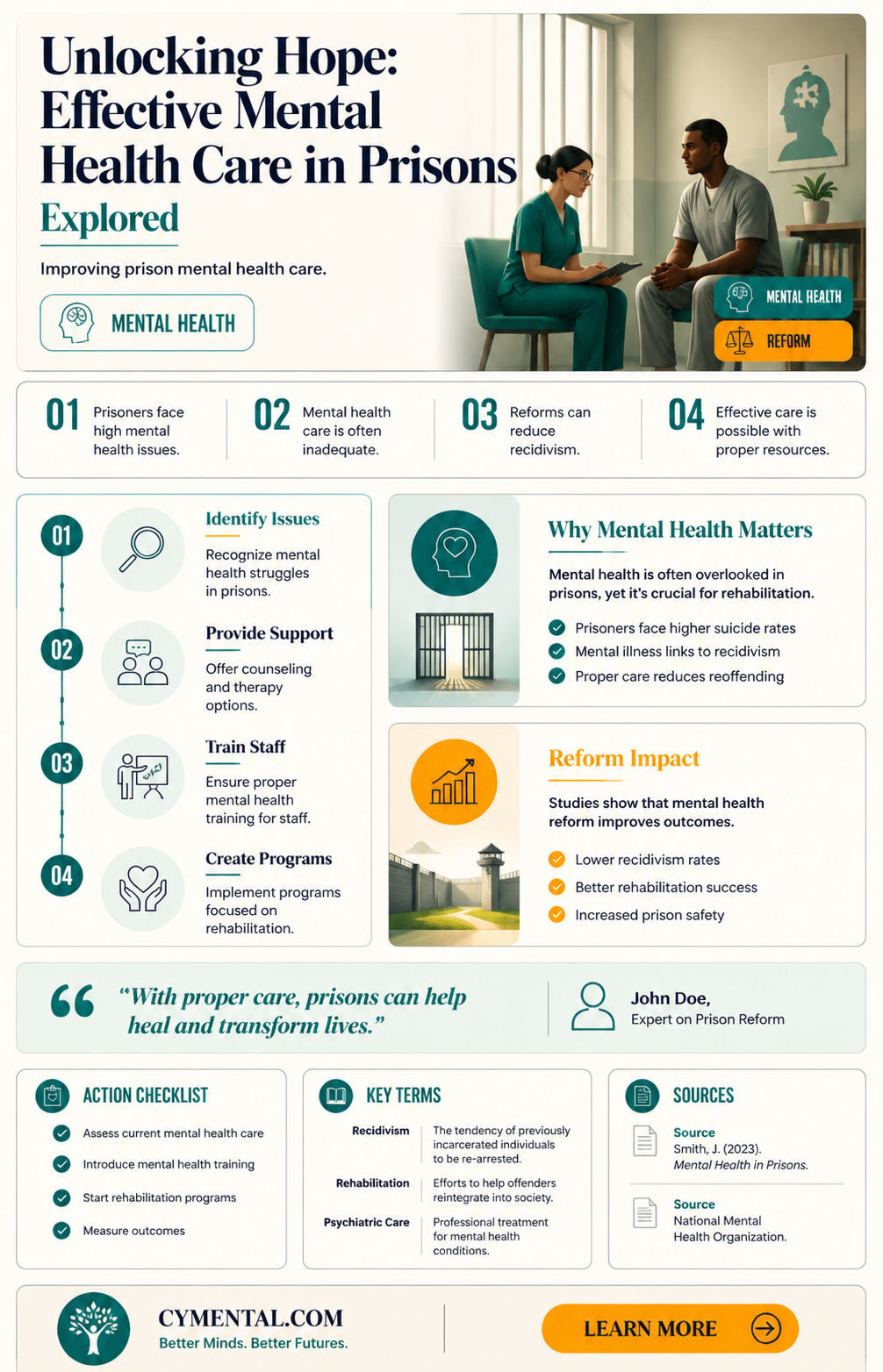
The question of whether there are effective mental health treatments and support systems within prisons is a critical one, as incarcerated individuals often face heightened risks of mental health issues due to factors like trauma, isolation, and the stresses of confinement. While many prisons have made efforts to provide mental health services, the quality and accessibility of these treatments vary widely, with some facilities offering comprehensive care, including therapy, medication, and counseling, while others struggle with underfunding, understaffing, and inadequate resources. This disparity raises concerns about equity and the potential for untreated mental health conditions to exacerbate recidivism and harm both inmates and society at large, underscoring the urgent need for standardized, evidence-based mental health care in correctional settings.
| Characteristics | Values |
|---|---|
| Availability of Mental Health Services | Many prisons offer mental health services, but access varies widely. In the U.S., about 40% of prisons provide some form of mental health treatment, though staffing shortages are common. (Source: Bureau of Justice Statistics, 2023) |
| Types of Treatment | Common treatments include psychotherapy, medication management, and group therapy. Some prisons offer specialized programs for severe mental illnesses like schizophrenia or bipolar disorder. |
| Staffing | Mental health staffing is often inadequate. On average, there is 1 mental health professional per 500 inmates in U.S. prisons, far below recommended ratios. (Source: Treatment Advocacy Center, 2023) |
| Screening and Assessment | Most prisons conduct mental health screenings upon intake, but follow-up assessments are inconsistent. Misdiagnosis and undertreatment are prevalent issues. |
| Quality of Care | The quality of mental health care in prisons is often criticized for being substandard. Limited resources, overcrowding, and lack of trained staff contribute to poor outcomes. |
| Access to Medication | Access to psychiatric medications is available but can be inconsistent. In some cases, medications are underprescribed or improperly administered. |
| Crisis Intervention | Crisis intervention services are available in many prisons, but response times and effectiveness vary. Suicide prevention programs are implemented but remain a significant concern. |
| Rehabilitation Programs | Some prisons offer rehabilitation programs focusing on mental health, such as cognitive-behavioral therapy (CBT) or trauma-informed care, but these are not universally available. |
| Stigma and Barriers | Stigma surrounding mental health issues persists in prison environments, deterring inmates from seeking help. Fear of punishment or isolation also acts as a barrier. |
| Funding and Resources | Funding for prison mental health services is often insufficient. Budget constraints limit the expansion and improvement of programs. |
| Legal and Policy Framework | Legal mandates require prisons to provide mental health care, but enforcement is inconsistent. Lawsuits over inadequate care are common in many jurisdictions. |
| Outcomes | Outcomes for inmates with mental health issues in prison are generally poor, with high rates of recidivism, self-harm, and suicide compared to the general prison population. |
| Community Reintegration Support | Few prisons offer comprehensive reintegration support for inmates with mental health issues, leading to challenges upon release. |
| International Comparisons | Some countries, like Norway and the UK, have more robust mental health services in prisons, emphasizing rehabilitation and humane treatment, in contrast to punitive approaches in the U.S. |
Explore related products


What You'll Learn
- Access to therapy and counseling services for inmates
- Availability of psychiatric medications and mental health screenings
- Training staff to recognize and address mental health issues
- Impact of solitary confinement on prisoners' mental well-being
- Post-release mental health support and reintegration programs

Access to therapy and counseling services for inmates
Inmates in correctional facilities often face significant mental health challenges, yet access to therapy and counseling services remains inconsistent and inadequate. According to a 2020 report by the Bureau of Justice Statistics, over 40% of inmates in state and federal prisons have a history of mental health issues, with many experiencing symptoms of depression, anxiety, or post-traumatic stress disorder (PTSD). Despite this prevalence, only a fraction receive consistent, evidence-based treatment. This disparity highlights a critical need for systemic improvements in mental health care within prisons.
One promising approach is the integration of cognitive-behavioral therapy (CBT) programs tailored for incarcerated populations. CBT has proven effective in reducing recidivism and improving emotional regulation among inmates. For instance, a study published in *Psychiatric Services* found that inmates who participated in 12-week CBT sessions reported a 30% decrease in symptoms of depression and anxiety. Implementing such programs requires trained therapists and structured curricula, but the long-term benefits—both for inmates and society—justify the investment. Prisons should prioritize partnerships with mental health organizations to train staff and develop scalable CBT initiatives.
However, barriers to access persist, including staffing shortages and limited funding. Many prisons operate with one mental health professional per 500 inmates, making individualized therapy nearly impossible. To address this, some facilities have adopted group counseling models, which can serve more inmates simultaneously. For example, peer-led support groups, facilitated by trained inmates, have shown promise in fostering community and reducing stigma. While not a replacement for professional therapy, these groups provide a supplementary avenue for emotional support and skill-building.
Another critical aspect is the need for culturally competent counseling services. Inmates come from diverse backgrounds, and their mental health struggles are often intertwined with trauma, systemic inequalities, and cultural experiences. Therapists must be trained to address these complexities, ensuring that treatment is inclusive and effective. For instance, incorporating trauma-informed care principles can help therapists better understand and respond to the unique needs of incarcerated individuals, particularly those from marginalized communities.
In conclusion, expanding access to therapy and counseling services in prisons is both a moral imperative and a practical necessity. By investing in evidence-based programs, addressing staffing shortages, and prioritizing cultural competence, correctional facilities can significantly improve mental health outcomes for inmates. Such efforts not only enhance individual well-being but also contribute to safer communities by reducing recidivism and promoting rehabilitation. The challenge is clear, but so is the path forward—it requires commitment, resources, and a willingness to prioritize humanity within the criminal justice system.
Finding Support: Where to Seek Help for Depression and Healing
You may want to see also
Explore related products


Availability of psychiatric medications and mental health screenings
Prisons are increasingly recognizing the importance of mental health care, but the availability of psychiatric medications and screenings remains inconsistent. In the United States, for instance, the National Commission on Correctional Health Care (NCCHC) sets standards for mental health services, including medication management and screenings. However, adherence to these standards varies widely across facilities, often due to funding, staffing shortages, and logistical challenges. In some prisons, inmates receive regular psychiatric evaluations and access to medications like selective serotonin reuptake inhibitors (SSRIs) or antipsychotics, while in others, such treatments are scarce or delayed, exacerbating mental health issues.
Effective mental health screenings are the first line of defense in identifying and addressing psychiatric disorders in prison populations. These screenings typically occur during intake and should include assessments for depression, anxiety, psychosis, and suicidality. Tools like the Brief Jail Mental Health Screen (BJMHS) are designed to identify high-risk individuals quickly. However, the quality of these screenings depends on the training of staff and the resources allocated. For example, a well-conducted screening might involve a 10- to 15-minute interview with follow-up questions about symptoms, history, and risk factors. Inadequate screenings can lead to misdiagnosis or neglect, particularly in cases of bipolar disorder or PTSD, which require nuanced evaluation.
Once identified, inmates with mental health needs often rely on psychiatric medications to manage their conditions. Common prescriptions include fluoxetine (20–60 mg/day) for depression, quetiapine (100–800 mg/day) for bipolar disorder, and haloperidol (2–20 mg/day) for schizophrenia. However, medication availability is often limited by cost and supply chain issues. Prisons may prioritize cheaper, generic options, which can be less effective for some individuals. Additionally, medication adherence is a challenge, as inmates may refuse treatment due to stigma, side effects, or distrust of prison staff. Regular monitoring and dosage adjustments are critical but frequently overlooked due to overburdened medical teams.
Practical improvements in this area require a multi-faceted approach. First, prisons should invest in training correctional officers and medical staff to recognize mental health symptoms and administer screenings effectively. Second, partnerships with external mental health providers can ensure access to a broader range of medications and expertise. For example, telepsychiatry programs have shown promise in rural or under-resourced facilities. Third, policies should address medication adherence by involving inmates in treatment planning and offering incentives for compliance. Finally, regular audits of mental health services can hold facilities accountable to NCCHC standards and identify areas for improvement.
In conclusion, while progress has been made, the availability of psychiatric medications and mental health screenings in prisons remains a patchwork system. Addressing this gap requires not only increased resources but also systemic changes to prioritize inmate mental health. By implementing evidence-based practices and fostering collaboration, prisons can better meet the psychiatric needs of their populations, ultimately improving outcomes for both inmates and society.
Boost Your Mental Health: Hobbies That Heal and Inspire
You may want to see also
Explore related products


Training staff to recognize and address mental health issues
Prisons are high-stress environments where mental health issues often exacerbate due to overcrowding, isolation, and trauma. Staff members, who interact daily with incarcerated individuals, are uniquely positioned to identify early signs of distress. However, without proper training, these opportunities for intervention are frequently missed. Recognizing this gap, many correctional facilities are now prioritizing staff training to detect and respond to mental health crises effectively.
Training programs must begin with foundational knowledge of common mental health conditions prevalent in prisons, such as depression, anxiety, PTSD, and psychosis. Staff should learn to identify behavioral indicators like withdrawal, aggression, or self-harm tendencies. For instance, a sudden change in sleep patterns or appetite could signal depression, while persistent paranoia might indicate psychosis. Role-playing scenarios can help staff practice de-escalation techniques, such as using calm, non-judgmental language and maintaining a safe distance during confrontations.
Beyond recognition, staff must be equipped with actionable steps to address mental health issues. This includes knowing when to refer individuals to mental health professionals and how to document observed behaviors accurately. Training should emphasize the importance of confidentiality and empathy, as stigmatizing attitudes can deter individuals from seeking help. For example, a correctional officer trained in trauma-informed care might approach an agitated inmate with a history of abuse by acknowledging their distress without resorting to punitive measures.
A critical aspect of staff training is self-care, as working in prisons can lead to secondary trauma or burnout. Programs should incorporate stress management techniques, such as mindfulness exercises or access to counseling services. Regular supervision and peer support groups can also help staff process challenging interactions. By fostering resilience in staff, prisons can ensure sustained attention to the mental health needs of the incarcerated population.
Finally, evaluating the effectiveness of training programs is essential. Metrics such as reduced incidents of self-harm, increased referrals to mental health services, and improved staff morale can indicate success. Continuous feedback from both staff and inmates can highlight areas for improvement, ensuring that training remains relevant and responsive to evolving needs. Investing in comprehensive staff training is not just a moral imperative but a practical strategy to create safer, more humane correctional environments.
Finding Mental Health Support: A Guide to Accessible Resources and Services
You may want to see also
Explore related products


Impact of solitary confinement on prisoners' mental well-being
Solitary confinement, often referred to as segregation or isolation, is a practice that removes prisoners from the general population, confining them to small cells for 22 to 24 hours a day, often with minimal human contact. While intended as a tool for discipline or safety, its impact on mental well-being is profound and well-documented. Studies show that even short periods of isolation can lead to severe psychological distress, including anxiety, depression, and hallucinations. For individuals with pre-existing mental health conditions, solitary confinement exacerbates symptoms, often leading to self-harm or suicidal ideation. The lack of stimulation and social interaction disrupts cognitive functioning, making rehabilitation and reintegration into society significantly more challenging.
Consider the case of a 32-year-old inmate placed in solitary confinement for 60 days. Within weeks, he began experiencing auditory hallucinations and severe paranoia. Upon release, he struggled to engage in basic conversations, exhibiting signs of post-traumatic stress disorder (PTSD). This example underscores the cumulative effect of isolation, which can manifest as long-term mental health issues even after the confinement ends. Research from the American Psychological Association highlights that prisoners in solitary are 6.9 times more likely to self-harm and twice as likely to commit suicide compared to the general prison population. These statistics are a stark reminder of the urgent need to reevaluate the use of solitary confinement in correctional facilities.
From a practical standpoint, alternatives to solitary confinement exist and have shown promise in mitigating mental health risks. For instance, some prisons have implemented "step-down" programs that gradually reintroduce isolated inmates to the general population through structured activities and therapy sessions. These programs often include cognitive-behavioral therapy (CBT) and group counseling, which address the psychological damage caused by isolation. Additionally, providing access to mental health professionals during confinement can help monitor and manage symptoms. Prisons in Norway and Sweden have adopted such models, reporting lower rates of recidivism and improved mental health outcomes among inmates.
However, implementing these alternatives requires systemic change and investment. Correctional facilities must prioritize mental health training for staff, allocate resources for therapeutic programs, and establish clear guidelines for the use of solitary confinement. Policymakers and prison administrators must recognize that prolonged isolation is not only inhumane but counterproductive to the goals of rehabilitation and public safety. By shifting focus from punishment to treatment, prisons can reduce the long-term harm caused by solitary confinement and foster environments that support mental well-being.
In conclusion, the impact of solitary confinement on prisoners’ mental well-being is a critical issue that demands immediate attention. Its detrimental effects are well-documented, yet the practice persists in many correctional systems. By adopting evidence-based alternatives and prioritizing mental health, prisons can break the cycle of harm caused by isolation. The challenge lies in translating awareness into action, but the potential for positive change is within reach.
Medications for Mental Illness: A Helpful Treatment or Not?
You may want to see also
Explore related products


Post-release mental health support and reintegration programs
The transition from prison to the community is a critical period for individuals with mental health needs, yet it is often marked by fragmented care and high relapse rates. Post-release mental health support and reintegration programs aim to bridge this gap by providing continuity of care, addressing housing instability, employment barriers, and social isolation. These programs typically combine case management, therapy, and peer support to help individuals navigate the challenges of reentry while managing their mental health conditions. For example, the *Transitional Case Management* model in the U.S. pairs individuals with a case manager who assists with housing, benefits enrollment, and mental health appointments for up to 90 days post-release, significantly reducing recidivism rates.
One of the most effective strategies in post-release programs is the integration of *peer support specialists*—individuals with lived experience of incarceration and mental health recovery. These specialists offer mentorship, emotional support, and practical guidance, fostering a sense of belonging and hope. Studies show that peer-led interventions increase engagement in mental health treatment and improve long-term outcomes. For instance, the *Re-Entry Empowerment Project* in New York pairs formerly incarcerated individuals with peer mentors who help them access community resources and rebuild social networks, leading to higher rates of stable housing and employment.
However, implementing post-release programs is not without challenges. Funding instability, limited community resources, and stigma against formerly incarcerated individuals often hinder program effectiveness. To address these barriers, policymakers must prioritize sustainable funding models, such as Medicaid reimbursement for reentry services, and foster partnerships between correctional facilities and community mental health providers. Additionally, programs should incorporate trauma-informed care, recognizing that many individuals have experienced significant trauma both before and during incarceration. Practical tips for program designers include offering flexible scheduling to accommodate job searches, providing transportation assistance, and ensuring culturally competent services to meet the diverse needs of participants.
A comparative analysis of successful programs reveals that those with a holistic approach—addressing mental health, substance use, and social determinants of health—yield the best outcomes. For example, the *Prisoner Reentry Initiative* in California combines mental health treatment, vocational training, and family reunification services, resulting in a 20% reduction in reincarceration rates. In contrast, programs that focus solely on mental health treatment without addressing housing or employment often fall short. This highlights the importance of tailoring interventions to the multifaceted needs of individuals during reentry.
In conclusion, post-release mental health support and reintegration programs are essential for breaking the cycle of incarceration and promoting recovery. By combining evidence-based practices, peer support, and systemic collaboration, these programs can empower individuals to rebuild their lives and thrive in the community. For stakeholders, the key takeaway is clear: investing in comprehensive, person-centered reentry programs is not only a moral imperative but also a cost-effective strategy for reducing recidivism and improving public health.
Healing Hooves: How Horses Boost Mental Health and Well-being
You may want to see also
Frequently asked questions
Yes, many prisons offer mental health treatment programs, including therapy, counseling, and medication management. However, availability and quality can vary significantly depending on the facility and jurisdiction.
A: Inmates can access therapy or counseling in most prisons, though wait times and frequency of sessions may be limited due to resource constraints and staffing shortages.
A: Yes, prisons are legally required to provide necessary medications for mental health conditions. However, the type and dosage may be subject to approval by prison medical staff.
A: Some prisons have specialized mental health units or facilities for inmates with severe mental illnesses, but these are not universally available and often have limited capacity.