Lucas Bennett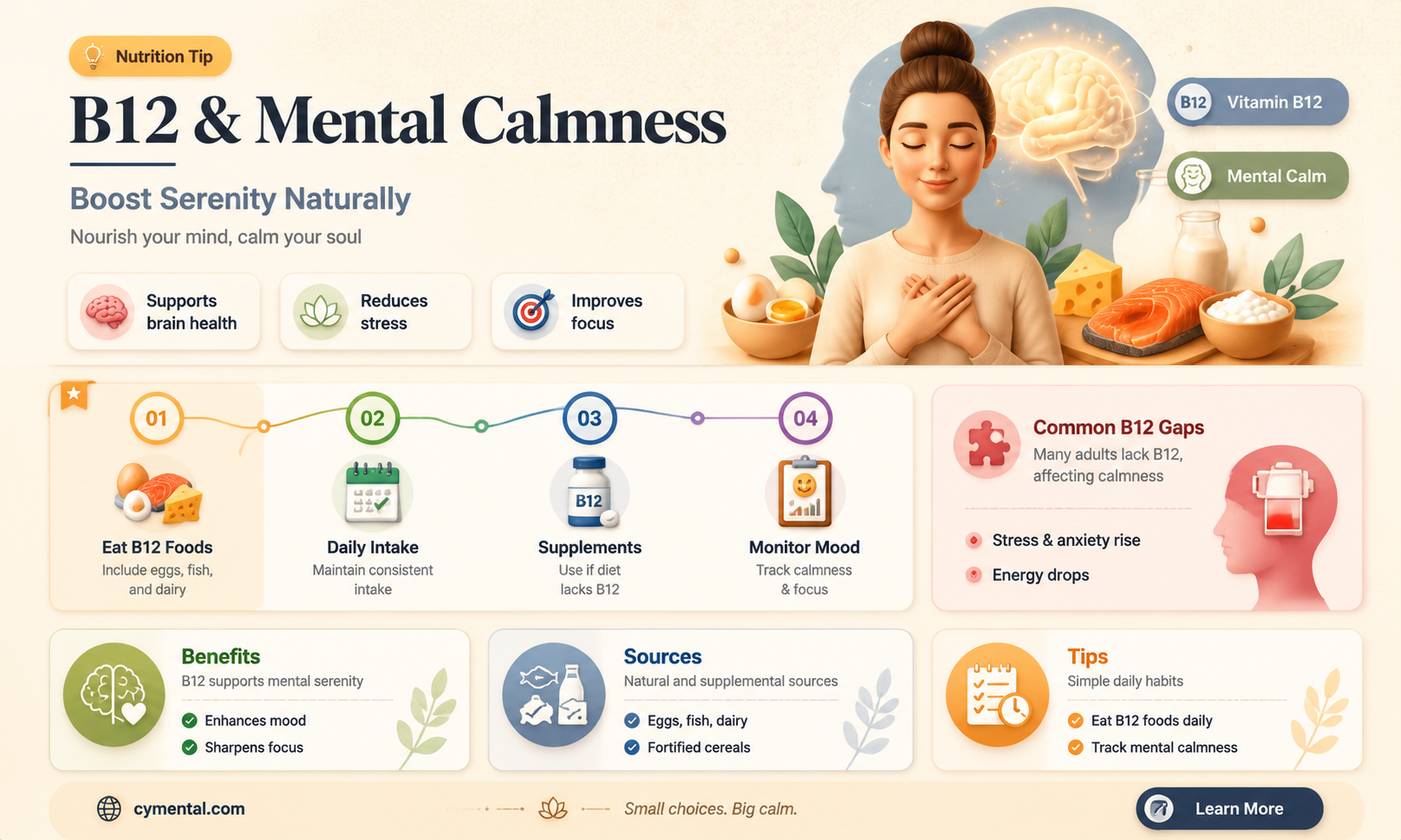
Vitamin B12, an essential nutrient primarily known for its role in nerve function and DNA synthesis, has also been linked to mental health and emotional well-being. Research suggests that adequate B12 levels may contribute to mental calmness by supporting the production of neurotransmitters like serotonin and dopamine, which regulate mood and stress responses. Deficiencies in B12 have been associated with symptoms such as anxiety, depression, and irritability, indicating its potential importance in maintaining a balanced mental state. While more studies are needed to fully understand its impact, incorporating B12-rich foods or supplements, especially for those at risk of deficiency, may help promote a sense of mental calmness and overall emotional stability.
| Characteristics | Values |
|---|---|
| Role in Neurotransmitter Synthesis | Vitamin B12 is essential for the production of serotonin, dopamine, and norepinephrine, which regulate mood, stress response, and emotional well-being. Deficiency can lead to imbalances, potentially causing anxiety or irritability. |
| Myelin Sheath Maintenance | B12 supports the myelin sheath, which protects nerve fibers. Adequate levels may improve nerve signaling, indirectly promoting mental calmness by reducing neurological stress. |
| Energy Metabolism | B12 aids in converting food into energy. Improved energy levels can reduce fatigue-related stress and enhance overall mental clarity. |
| Homocysteine Regulation | B12 helps lower homocysteine levels, high levels of which are linked to depression and anxiety, thus indirectly supporting mental calmness. |
| Clinical Evidence | Studies suggest B12 supplementation may improve mood and reduce anxiety in deficient individuals, but its direct impact on mental calmness in non-deficient individuals is less clear. |
| Population-Specific Benefits | Elderly individuals, vegans, and those with malabsorption issues may benefit more from B12 supplementation for mental health due to higher deficiency risks. |
| Dosage and Form | Methylcobalamin and cyanocobalamin are common forms; dosage varies but typically ranges from 250 mcg to 1000 mcg daily, depending on deficiency status. |
| Limitations | B12 is not a standalone treatment for mental health disorders. Its effectiveness depends on individual deficiency status and underlying conditions. |
| Side Effects | Generally safe, but high doses may cause mild side effects like nausea or headaches. Consult a healthcare provider for personalized advice. |
Explore related products


What You'll Learn

B12's role in serotonin production
Vitamin B12, a water-soluble nutrient, plays a pivotal role in neurological function, but its influence extends to mood regulation through its involvement in serotonin production. Serotonin, often dubbed the “feel-good” neurotransmitter, is crucial for emotional stability and mental calmness. B12 acts as a cofactor in the synthesis of methionine, an amino acid essential for the production of S-adenosylmethionine (SAMe). SAMe, in turn, facilitates the conversion of tryptophan to serotonin. Without adequate B12, this pathway falters, potentially leading to reduced serotonin levels and increased anxiety or irritability. Studies suggest that B12 deficiency is linked to mood disorders, emphasizing its indirect yet critical role in maintaining mental equilibrium.
To harness B12’s serotonin-boosting potential, understanding dosage and supplementation is key. Adults typically require 2.4 micrograms of B12 daily, though those with deficiencies or absorption issues may need higher doses, often administered via injections or sublingual tablets. For instance, individuals with pernicious anemia, a condition impairing B12 absorption, might require 1,000 micrograms weekly. Pairing B12 with folate can enhance its efficacy, as both nutrients work synergistically in the methylation cycle, which underpins serotonin synthesis. However, excessive B12 intake is generally safe due to its water-soluble nature, but consulting a healthcare provider is advisable to tailor supplementation to individual needs.
Comparing B12’s role in serotonin production to other nutrients highlights its unique importance. While magnesium and omega-3 fatty acids directly support neurotransmitter function, B12 operates at a foundational level by enabling the biochemical reactions necessary for serotonin synthesis. This distinction makes B12 supplementation particularly valuable for those with dietary restrictions, such as vegans, who are at higher risk of deficiency. Incorporating B12-rich foods like fortified plant milks, nutritional yeast, or supplements can bridge this gap, ensuring the body has the tools to maintain optimal serotonin levels and promote mental calmness.
Practical tips for integrating B12 into daily routines include pairing supplements with meals to enhance absorption and choosing methylcobalamin over cyanocobalamin, as the former is more bioavailable. For older adults, whose B12 absorption declines with age, regular monitoring of levels through blood tests is crucial. Additionally, combining B12 supplementation with lifestyle practices like mindfulness or exercise can amplify its calming effects, as serotonin production is influenced by both biochemical and environmental factors. By addressing B12 deficiency proactively, individuals can support not only their physical health but also their mental resilience and tranquility.
Boost Your Mood: How Morning Cardio Enhances Mental Health
You may want to see also
Explore related products


Impact of B12 on mood regulation
Vitamin B12, a water-soluble nutrient essential for nerve function and DNA synthesis, plays a pivotal role in mood regulation. Research suggests that B12 deficiency can lead to symptoms such as irritability, fatigue, and even depression. This is because B12 is crucial for the production of neurotransmitters like serotonin and dopamine, which are directly linked to mood stability. For instance, a study published in the *Journal of Psychopharmacology* found that individuals with lower B12 levels were more likely to experience depressive symptoms, highlighting the nutrient’s impact on mental well-being.
To harness B12’s mood-regulating benefits, it’s essential to ensure adequate intake. Adults typically require 2.4 micrograms of B12 daily, though this may vary based on age, diet, and health conditions. For those at risk of deficiency—such as vegans, older adults, or individuals with gastrointestinal disorders—supplementation may be necessary. Sublingual B12 tablets or injections are common methods, with doses ranging from 500 to 2,000 micrograms weekly, depending on severity. Always consult a healthcare provider to determine the appropriate dosage for your needs.
Comparing B12 to other mood-enhancing supplements, its mechanism stands out. Unlike temporary solutions like caffeine or sugar, B12 addresses the root cause by supporting neurotransmitter production. For example, while St. John’s Wort may alleviate mild depression, B12 works by ensuring the brain has the necessary tools to maintain chemical balance. This makes it a foundational supplement for long-term mental calmness, particularly when combined with a balanced diet rich in leafy greens, eggs, and fortified foods.
Practical tips for optimizing B12 intake include pairing supplements with meals to enhance absorption and monitoring symptoms like persistent fatigue or mood swings, which may indicate deficiency. For vegans, fortified plant-based milks and nutritional yeast are excellent dietary sources. Additionally, regular blood tests can help track B12 levels, ensuring they remain within the optimal range of 200–900 pg/mL. By prioritizing B12, individuals can proactively support their mental health and foster a sense of calmness in their daily lives.
Hypnotherapy for Mental Health: Unlocking Healing Potential and Inner Peace
You may want to see also
Explore related products


B12 deficiency and anxiety links
Vitamin B12 deficiency can subtly undermine mental calmness, often manifesting as heightened anxiety or irritability before more overt physical symptoms appear. This water-soluble vitamin is critical for nerve function and the production of neurotransmitters like serotonin and dopamine, which regulate mood and stress responses. When B12 levels drop, the body’s ability to maintain emotional equilibrium is compromised, leading to increased anxiety in some individuals. Studies suggest that up to 15% of adults over 65 may have low B12 levels, making this a concern for older populations in particular.
Consider the case of a 45-year-old vegan who reported persistent anxiety despite lifestyle changes. Blood tests revealed a B12 deficiency, a common risk for those on plant-based diets since B12 is primarily found in animal products. After supplementing with 1,000 mcg of B12 weekly for two months, her anxiety symptoms significantly improved. This example underscores the importance of dietary awareness and proactive testing, especially for vegans, vegetarians, and individuals with gastrointestinal disorders that impair nutrient absorption.
While correlation does not equal causation, research increasingly highlights a bidirectional relationship between B12 deficiency and anxiety. A 2019 study published in *Psychiatry Research* found that individuals with anxiety disorders were more likely to have lower B12 levels compared to controls. Conversely, supplementing with B12 has shown promise in reducing anxiety symptoms in deficient populations. However, it’s crucial to note that B12 supplementation is not a universal anxiety remedy; its effectiveness hinges on addressing an existing deficiency.
Practical steps to mitigate B12-related anxiety include incorporating B12-rich foods like fortified cereals, nutritional yeast, or supplements into your diet. For those at risk, a daily supplement of 2.4 mcg (the recommended dietary allowance for adults) or higher doses under medical supervision may be necessary. Regular blood tests, particularly for individuals over 50 or those with dietary restrictions, can catch deficiencies early. Pairing B12 management with stress-reduction techniques like mindfulness or exercise may amplify mental calmness, creating a holistic approach to anxiety relief.
In summary, the link between B12 deficiency and anxiety is a nuanced but significant one, particularly for vulnerable populations. Addressing this deficiency through targeted dietary changes or supplementation can be a practical step toward restoring mental calmness. However, it’s essential to consult a healthcare provider for personalized guidance, ensuring that B12 intervention is both safe and effective for your specific needs.
Neurologists and Mental Health: Unlocking Treatment Options for Illness
You may want to see also
Explore related products



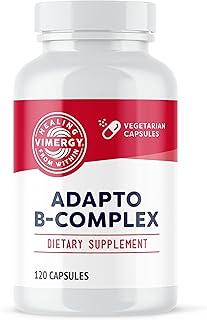
B12 supplementation for stress reduction
Vitamin B12, a water-soluble nutrient essential for nerve function and DNA synthesis, has been increasingly linked to mental health and stress management. Research suggests that B12 deficiency can lead to symptoms such as irritability, fatigue, and mood disturbances, which often exacerbate stress levels. Supplementation, particularly in individuals with low B12 levels, may help restore balance and promote a sense of calmness by supporting neurotransmitter production and reducing inflammation. For adults, a daily dose of 250–500 mcg of B12 is commonly recommended, though individual needs vary based on age, diet, and health status.
Consider the mechanism: B12 plays a critical role in the synthesis of serotonin and dopamine, neurotransmitters that regulate mood and stress responses. When B12 levels are insufficient, the body struggles to produce these chemicals efficiently, potentially leading to heightened anxiety and reduced resilience to stress. Studies have shown that correcting B12 deficiency through supplementation can improve mood and reduce symptoms of stress in some individuals. However, it’s important to note that B12 is not a standalone solution for stress; its effectiveness is most pronounced in those with deficiencies or suboptimal levels.
Practical implementation requires awareness of absorption challenges. B12 is best absorbed sublingually or via intramuscular injections, especially for those with digestive issues like pernicious anemia or older adults whose absorption declines with age. For instance, a sublingual B12 tablet of 1000 mcg daily can be a convenient option, while injections are typically administered monthly under medical supervision. Pairing supplementation with a diet rich in B12 sources, such as fortified foods or animal products, can further support stable levels.
A comparative perspective highlights B12’s role relative to other stress-reducing strategies. Unlike quick-fix solutions like caffeine or sugar, B12 works gradually by addressing underlying physiological imbalances. It complements lifestyle changes such as mindfulness, exercise, and adequate sleep, rather than replacing them. For example, a 40-year-old professional experiencing work-related stress might combine B12 supplementation with daily meditation and regular physical activity for a holistic approach to stress reduction.
Finally, caution is warranted to avoid over-supplementation, as excessive B12 intake does not enhance benefits and may lead to side effects like headaches or dizziness. Consulting a healthcare provider before starting supplementation is crucial, especially for individuals with pre-existing conditions or those taking medications that interact with B12. Monitoring levels through blood tests ensures targeted and safe use, making B12 a thoughtful addition to a stress management toolkit when used appropriately.
Boost Focus and Calm: Strategies for Achieving Mental Clarity
You may want to see also
Explore related products

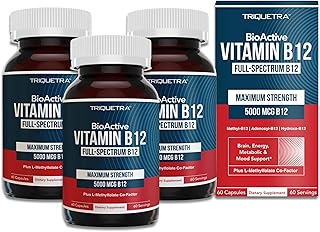


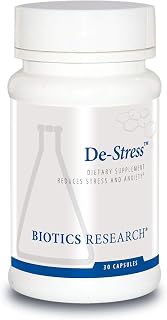

Neurological effects of B12 on calmness
Vitamin B12, a water-soluble nutrient, plays a pivotal role in neurological function, influencing everything from nerve signaling to neurotransmitter synthesis. Its impact on mental calmness stems from its ability to regulate homocysteine levels, an amino acid linked to neuronal damage and increased stress when elevated. Studies suggest that adequate B12 intake supports the production of serotonin and dopamine, neurotransmitters critical for mood stabilization and stress reduction. For instance, a deficiency in B12 has been correlated with symptoms of anxiety and irritability, particularly in older adults, where absorption issues are more prevalent. Ensuring optimal B12 levels through diet or supplementation (typically 2.4 mcg daily for adults) may thus contribute to a calmer mental state by fostering neurological health.
Consider the mechanism: B12 is essential for myelination, the process of forming a protective sheath around nerves, which enhances signal transmission. Without sufficient B12, this process is impaired, leading to slower cognitive function and heightened susceptibility to stress. Research indicates that individuals with B12 deficiency often report feelings of restlessness and fatigue, symptoms that can be alleviated with proper supplementation. For those over 50, who are at higher risk of deficiency due to reduced absorption, a sublingual B12 supplement (500–1000 mcg daily) may be more effective than oral tablets. Pairing this with foods rich in B12, such as fortified cereals, salmon, or beef, can further support neurological balance and promote mental calmness.
A comparative analysis reveals that B12’s role in calmness is not merely about deficiency prevention but also about optimization. While correcting a deficiency is crucial, maintaining higher-than-baseline levels within the normal range (e.g., 500–1300 pg/mL) has been associated with improved emotional resilience. Athletes and high-stress professionals, for example, often incorporate B12 injections (1000 mcg monthly) to enhance focus and reduce anxiety. However, it’s essential to monitor levels through blood tests, as excessive supplementation can lead to imbalances. Combining B12 with other calming nutrients like magnesium or omega-3 fatty acids may amplify its effects, creating a synergistic approach to mental tranquility.
Practically speaking, integrating B12 into a daily routine requires awareness of individual needs. Vegans and vegetarians, for instance, are at higher risk of deficiency and should prioritize B12-fortified foods or supplements. Pregnant women, who require 2.6 mcg daily, can benefit from prenatal vitamins containing B12 to support both their calmness and fetal brain development. For those experiencing persistent anxiety despite adequate B12 levels, consulting a healthcare provider to explore underlying causes is advisable. Ultimately, while B12 is not a standalone solution for mental calmness, its neurological benefits make it a valuable component of a holistic approach to emotional well-being.
Mental Health Teams: A Housing Support Solution for Vulnerable Individuals
You may want to see also
Frequently asked questions
Yes, vitamin B12 plays a role in mental calmness by supporting neurotransmitter function and reducing stress-related symptoms.
B12 helps produce serotonin and dopamine, neurotransmitters that regulate mood and anxiety, promoting a sense of calm.
Yes, B12 deficiency can lead to symptoms like irritability, anxiety, and difficulty concentrating, which may disrupt mental calmness.
The recommended daily intake is 2.4 mcg, but consult a healthcare provider for personalized dosage, especially if addressing mental health concerns.
B12 is generally safe, but high doses may cause mild side effects like headaches or nausea. Always follow recommended guidelines.