Noah Parker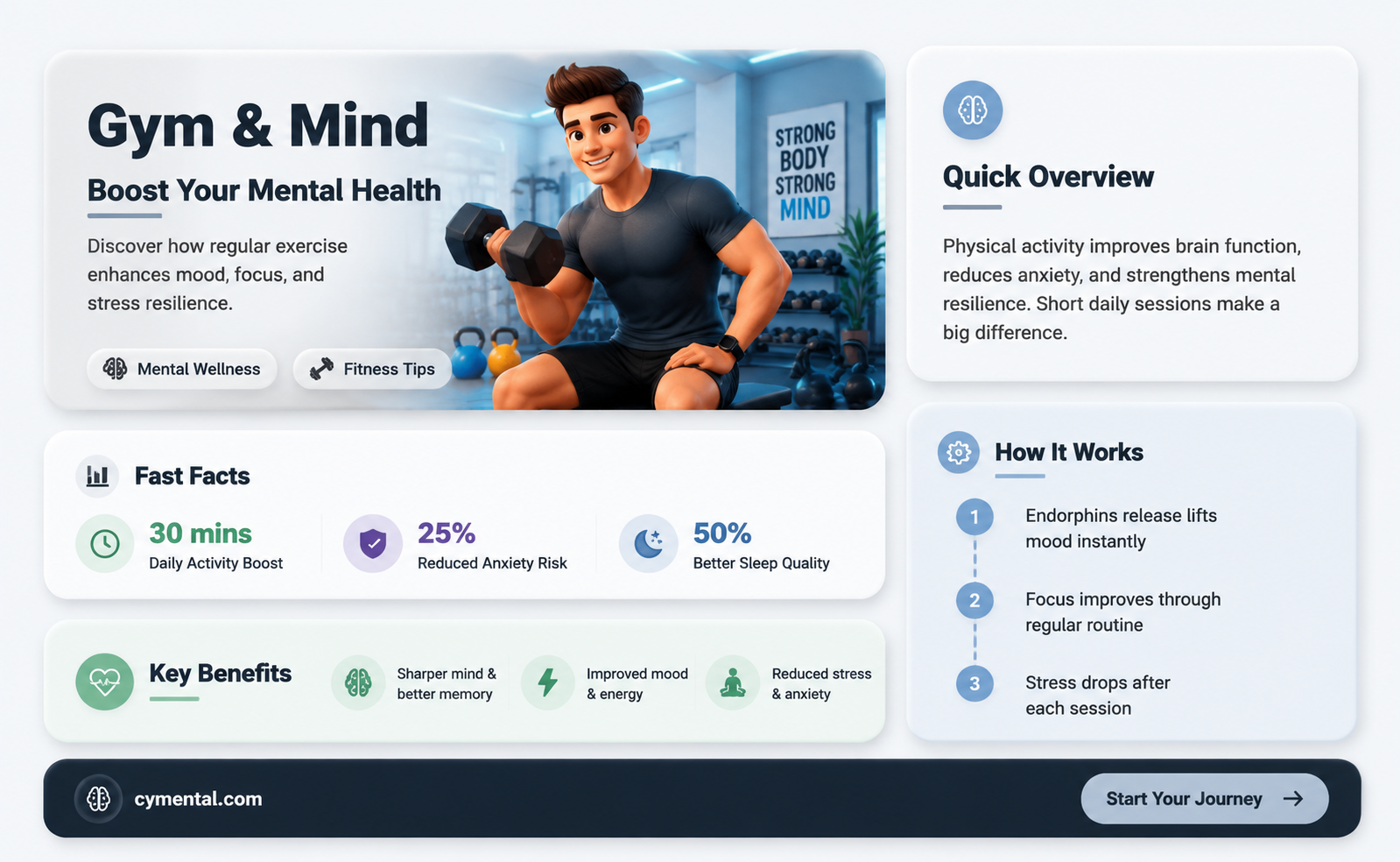
Regular exercise, particularly through gym workouts, has been widely recognized as a powerful tool for improving mental health. Engaging in physical activity stimulates the release of endorphins, often referred to as feel-good hormones, which can reduce stress, anxiety, and symptoms of depression. Additionally, the structured environment of a gym provides a sense of routine and accomplishment, boosting self-esteem and confidence. Social interactions at the gym can also combat feelings of isolation, fostering a supportive community. Beyond these immediate benefits, consistent exercise has been linked to long-term improvements in cognitive function and emotional resilience, making the gym a valuable resource for enhancing overall mental well-being.
| Characteristics | Values |
|---|---|
| Stress Reduction | Exercise triggers the release of endorphins, which act as natural stress relievers, reducing cortisol levels and promoting relaxation. |
| Mood Enhancement | Regular physical activity boosts serotonin and dopamine, improving mood and reducing symptoms of depression and anxiety. |
| Cognitive Function | Exercise increases blood flow to the brain, enhancing memory, focus, and overall cognitive performance. |
| Anxiety Relief | Physical activity helps regulate the body’s stress response, reducing symptoms of anxiety and promoting calmness. |
| Sleep Quality | Consistent exercise improves sleep patterns, aiding in better mental health by ensuring restorative rest. |
| Self-Esteem | Achieving fitness goals and seeing physical improvements can boost self-confidence and self-worth. |
| Social Interaction | Gyms provide opportunities for social connections, reducing feelings of loneliness and isolation. |
| Mindfulness | Activities like yoga or weightlifting can promote mindfulness, helping individuals stay present and reduce overthinking. |
| Resilience | Regular exercise builds mental resilience, improving the ability to cope with challenges and adversity. |
| Brain Health | Exercise promotes neuroplasticity and reduces the risk of cognitive decline, supporting long-term mental health. |
| Energy Levels | Physical activity increases energy by improving cardiovascular health and reducing fatigue. |
| Reduction of ADHD Symptoms | Exercise can help individuals with ADHD by improving focus and reducing restlessness. |
| PTSD Management | Structured physical activity can aid in managing symptoms of PTSD by reducing hyperarousal and improving emotional regulation. |
| Addiction Recovery | Exercise serves as a healthy coping mechanism, reducing cravings and supporting recovery from addiction. |
| Overall Well-being | Combining physical and mental health benefits, regular gym attendance contributes to a holistic sense of well-being. |
Explore related products

$6.79 $14.99


$14.97


What You'll Learn
- Stress Relief: Physical activity reduces stress hormones, promoting relaxation and improving mood effectively
- Endorphin Release: Exercise boosts endorphins, natural mood lifters, combating anxiety and depression
- Improved Sleep: Regular workouts enhance sleep quality, crucial for mental health stability
- Social Connection: Gyms foster community, reducing loneliness and boosting emotional well-being
- Confidence Boost: Achieving fitness goals enhances self-esteem and mental resilience significantly

Stress Relief: Physical activity reduces stress hormones, promoting relaxation and improving mood effectively
Stress hormones like cortisol thrive in sedentary environments, often spiking during periods of prolonged mental strain. Engaging in physical activity, however, acts as a natural antagonist, reducing these hormones while simultaneously boosting endorphins—the body’s feel-good chemicals. Research indicates that even moderate exercise, such as a 30-minute brisk walk or a light jog, can significantly lower cortisol levels. For optimal stress relief, aim for 150 minutes of moderate aerobic activity or 75 minutes of vigorous exercise weekly, as recommended by the World Health Organization. Consistency is key; integrating regular workouts into your routine creates a sustained buffer against stress, making it a practical tool for long-term mental health management.
Consider the gym as a laboratory for stress reduction, where different exercises yield varying results. High-intensity interval training (HIIT), for instance, provides a quick cortisol-busting session, ideal for those with time constraints. Yoga, on the other hand, combines physical movement with mindfulness, offering a dual approach to relaxation. Strength training, often overlooked for its mental benefits, fosters a sense of accomplishment and control, further alleviating stress. Experimenting with these modalities allows individuals to tailor their gym experience to their specific stress triggers, ensuring both physical and mental gains.
A common misconception is that stress relief requires exhaustive workouts. In reality, overtraining can elevate cortisol levels, counteracting the intended benefits. Listening to your body is crucial; signs of overtraining include persistent fatigue, irritability, and decreased performance. Incorporate rest days and low-impact activities like swimming or cycling to maintain balance. Additionally, pairing exercise with deep breathing or meditation amplifies its calming effects, creating a holistic stress-relief strategy. For older adults or beginners, starting with shorter, gentler sessions and gradually increasing intensity ensures sustainability without overwhelming the body.
The gym’s role in stress relief extends beyond the physical act of exercise. The structured environment provides a mental break from stressors, while the social aspect—whether through group classes or casual interactions—fosters a sense of community. Tracking progress, whether through a journal or fitness app, reinforces a sense of achievement, further enhancing mood. Practical tips include scheduling workouts during peak stress times, such as after work, and incorporating music or podcasts to make the experience more enjoyable. By viewing the gym as a sanctuary for both body and mind, individuals can transform their approach to stress management, turning exercise into a proactive rather than reactive measure.
Arrested or Assisted: Mental Illness and the Justice System's Dilemma
You may want to see also
Explore related products


$6.99 $10.99


Endorphin Release: Exercise boosts endorphins, natural mood lifters, combating anxiety and depression
Exercise isn’t just about sculpting muscles or shedding pounds—it’s a powerful tool for rewiring your brain chemistry. At the heart of this transformation are endorphins, often dubbed "feel-good hormones," which act as natural painkillers and mood elevators. When you engage in physical activity, whether it’s a brisk walk, a weightlifting session, or a yoga class, your body releases these chemicals in response to stress or exertion. This biochemical process is your brain’s way of rewarding you for pushing through discomfort, creating a sense of euphoria and well-being. For those grappling with anxiety or depression, this endorphin surge can provide immediate relief, breaking the cycle of negative thoughts and offering a temporary reprieve from emotional heaviness.
To harness the full benefits of endorphin release, consistency is key. Research suggests that even moderate exercise, such as 30 minutes of aerobic activity three to five times a week, can significantly boost endorphin levels. Activities like running, swimming, or cycling are particularly effective due to their rhythmic, repetitive nature, which maximizes endorphin production. For older adults or those with physical limitations, low-impact exercises like tai chi or water aerobics can yield similar results. The goal isn’t to exhaust yourself but to sustain effort long enough to trigger the release—typically after 20–30 minutes of continuous movement. Pairing exercise with social interaction, such as joining a group fitness class, can amplify the mood-lifting effects by combining endorphins with the benefits of human connection.
While endorphins provide short-term relief, their cumulative impact on mental health is profound. Regular exercise helps regulate neurotransmitters like serotonin and dopamine, which play critical roles in mood stabilization. Over time, this can reduce symptoms of anxiety and depression, fostering resilience against stress. However, it’s important to manage expectations—exercise isn’t a cure-all, but it’s a valuable component of a holistic mental health strategy. For individuals on medication or in therapy, incorporating physical activity can enhance the effectiveness of these treatments. Start small, listen to your body, and choose activities you enjoy to ensure sustainability.
Practical tips can make the process more accessible. For instance, break workouts into shorter sessions if 30 minutes feels daunting—even three 10-minute bursts of activity can stimulate endorphin release. Incorporate variety to keep things engaging; try alternating between cardio, strength training, and mindfulness-based exercises like yoga. Tracking progress, whether through a journal or fitness app, can provide motivation and highlight the connection between physical effort and emotional uplift. Finally, prioritize rest and recovery—overtraining can lead to burnout, counteracting the mental health benefits. By approaching exercise as a mindful practice rather than a chore, you can unlock its potential to transform not just your body, but your mind.
Mental Health's Impact on Skin Aging: Unveiling the Mind-Face Connection
You may want to see also
Explore related products


Improved Sleep: Regular workouts enhance sleep quality, crucial for mental health stability
Sleep quality is a cornerstone of mental health, yet it’s often overlooked in discussions about well-being. Regular physical activity, such as gym workouts, has been shown to significantly improve sleep patterns. Studies indicate that adults who engage in at least 150 minutes of moderate aerobic exercise or 75 minutes of vigorous exercise per week experience deeper, more restorative sleep. This isn’t just about logging hours at the gym—consistency matters. Even short, 30-minute sessions can regulate your circadian rhythm, making it easier to fall asleep and stay asleep. For those struggling with insomnia or restless nights, incorporating strength training or cardio into your routine could be a game-changer.
The science behind this is fascinating. Exercise increases body temperature, which then drops post-workout, signaling to your brain that it’s time to wind down. Additionally, physical activity reduces levels of cortisol, the stress hormone that often keeps people awake. For older adults, who are more prone to sleep disturbances, low-impact exercises like yoga or swimming can be particularly effective. Younger individuals might benefit from high-intensity interval training (HIIT) to expend excess energy and promote fatigue. The key is tailoring the workout to your age, fitness level, and sleep challenges.
However, timing is critical. Working out too close to bedtime can have the opposite effect, as it may leave you too energized to sleep. Aim to finish vigorous exercise at least 2–3 hours before bed. Evening routines that include stretching or gentle yoga, on the other hand, can enhance relaxation. Pairing exercise with other sleep hygiene practices—like dimming lights and limiting screen time—amplifies its benefits. Think of your gym session as a tool in your sleep toolkit, not a standalone solution.
The mental health benefits of improved sleep cannot be overstated. Poor sleep is linked to anxiety, depression, and cognitive decline, while quality rest fosters emotional resilience and clarity. By prioritizing workouts, you’re not just building physical strength—you’re fortifying your mind. For instance, a study published in the *Journal of Sleep Research* found that participants who exercised regularly reported fewer symptoms of depression and anxiety, largely attributed to better sleep. This highlights the interconnectedness of physical activity, sleep, and mental health.
Incorporating gym workouts into your routine doesn’t require drastic changes. Start small—a brisk walk, a cycling class, or a bodyweight circuit. Gradually increase intensity and duration as your fitness improves. Track your sleep patterns using apps or journals to observe improvements. Remember, the goal isn’t perfection but progress. By committing to regular exercise, you’re investing in a vital pillar of mental health: restorative sleep. It’s a simple yet powerful step toward a more balanced, resilient mind.
Mental Therapists and SSI Disability: Can Therapy Strengthen Your Claim?
You may want to see also
Explore related products




Social Connection: Gyms foster community, reducing loneliness and boosting emotional well-being
Gyms are more than just spaces for physical transformation; they are hubs of social interaction where individuals can forge meaningful connections. Consider the group fitness classes, where participants synchronize movements, share struggles, and celebrate achievements together. These shared experiences create a sense of belonging, breaking down the barriers of isolation that often accompany mental health challenges. For instance, a study published in the *Journal of Health Psychology* found that individuals who participated in group exercise classes reported lower levels of loneliness compared to those who exercised alone. The camaraderie built in these settings extends beyond the gym walls, fostering a support network that can be pivotal during difficult times.
To maximize the social benefits of the gym, start by joining group classes tailored to your interests and fitness level. Whether it’s yoga, spin, or strength training, consistency is key. Aim to attend at least two group sessions per week, as regular interaction increases the likelihood of forming lasting connections. Don’t hesitate to introduce yourself to classmates or instructors; small conversations can lead to deeper relationships over time. For those who feel intimidated, begin with smaller, less crowded classes or consider partnering with a friend to ease into the social dynamic.
A cautionary note: while gyms can be powerful spaces for connection, they can also feel overwhelming for individuals struggling with social anxiety. If this resonates with you, start slow. Begin with solo workouts during quieter hours, gradually transitioning to group settings as comfort grows. Many gyms offer community events or workshops that provide low-pressure opportunities to engage socially. Additionally, leveraging gym apps or social media groups can help you connect with fellow members before meeting in person, easing the transition into in-person interactions.
The emotional well-being benefits of these connections are profound. Research from the *American Psychological Association* highlights that social support is a critical factor in managing stress, anxiety, and depression. Gym communities often become safe spaces where individuals feel understood and accepted, free from judgment. For example, a 55-year-old gym-goer shared how her spin class became her "second family," providing her with the emotional support she needed after retiring. Such stories underscore the transformative power of gym-based social connections, proving that the mental health benefits extend far beyond the physical.
Incorporating social interaction into your gym routine doesn’t require drastic changes. Simple actions like smiling at fellow members, participating in gym challenges, or attending post-workout social events can make a significant difference. For older adults, gyms with senior-specific programs offer tailored opportunities to connect with peers, addressing the heightened risk of loneliness in this age group. Ultimately, the gym’s role as a community builder is undeniable—it’s not just about lifting weights, but also lifting spirits through shared experiences and collective growth.
Struggling to Afford Mental Health Care? You're Not Alone
You may want to see also
Explore related products


Confidence Boost: Achieving fitness goals enhances self-esteem and mental resilience significantly
Achieving fitness goals isn’t just about physical transformation—it’s a powerful catalyst for mental fortitude. When you set a goal, like lifting a certain weight or running a specific distance, and then accomplish it, your brain releases dopamine, a neurotransmitter linked to pleasure and reward. This chemical surge reinforces the behavior, making you more likely to repeat it. Over time, this cycle builds a sense of mastery, proving to yourself that you’re capable of overcoming challenges. For instance, a study published in the *Journal of Health Psychology* found that individuals who met their fitness goals reported a 25% increase in self-esteem compared to those who didn’t. This isn’t just anecdotal—it’s science-backed proof that progress in the gym translates to confidence in other areas of life.
Consider the process of setting and achieving fitness goals as a microcosm of tackling larger life challenges. Start small: if you’re new to the gym, aim to attend three times a week for a month. Once that becomes a habit, increase the intensity or duration. This incremental approach not only prevents burnout but also creates a series of "wins" that compound over time. For example, a 30-year-old office worker who begins with 15-minute workouts might eventually run a 5K, a feat that seemed impossible at the start. Each milestone chips away at self-doubt, replacing it with a belief in one’s ability to grow and adapt. Practical tip: keep a workout journal to track progress—seeing tangible improvements on paper amplifies the psychological impact.
However, the link between fitness goals and mental resilience isn’t automatic. It requires intentionality. For maximum benefit, ensure your goals are SMART: specific, measurable, achievable, relevant, and time-bound. Vague goals like "get stronger" lack the clarity needed to drive motivation. Instead, aim for something like "increase my bench press by 10% in eight weeks." Additionally, be mindful of comparison traps—your journey is unique. A 45-year-old returning to fitness after a decade-long hiatus will have different benchmarks than a 20-year-old athlete. The key is to focus on personal growth, not external validation. Caution: avoid overloading yourself with unrealistic expectations, as this can lead to frustration and setbacks.
The mental resilience gained from fitness goals extends beyond the gym walls. When you prove to yourself that you can stick to a plan, push through discomfort, and celebrate small victories, you develop a mindset that’s transferable to work, relationships, and personal challenges. For instance, a 50-year-old who completes a marathon after months of training often reports feeling more equipped to handle workplace stress or family conflicts. This isn’t coincidental—it’s the result of cultivating discipline, patience, and self-belief through consistent effort. Takeaway: fitness goals are more than physical achievements; they’re rehearsals for resilience, teaching you to embrace challenges and trust your ability to overcome them.
Social Services and Mental Health: A Path to Healing and Support
You may want to see also
Frequently asked questions
Yes, regular gym workouts can significantly improve mental health by reducing symptoms of anxiety, depression, and stress. Exercise releases endorphins, which are natural mood lifters, and promotes better sleep, both of which contribute to improved mental well-being.
Aim for at least 150 minutes of moderate-intensity exercise or 75 minutes of vigorous exercise per week, as recommended by health guidelines. Even shorter, consistent sessions, like 20–30 minutes a day, can provide noticeable mental health benefits over time.
Activities like weightlifting, cardio (e.g., running, cycling), yoga, and group fitness classes can all benefit mental health. The key is to choose activities you enjoy, as consistency and enjoyment are crucial for sustained mental health improvements.