Noah Parker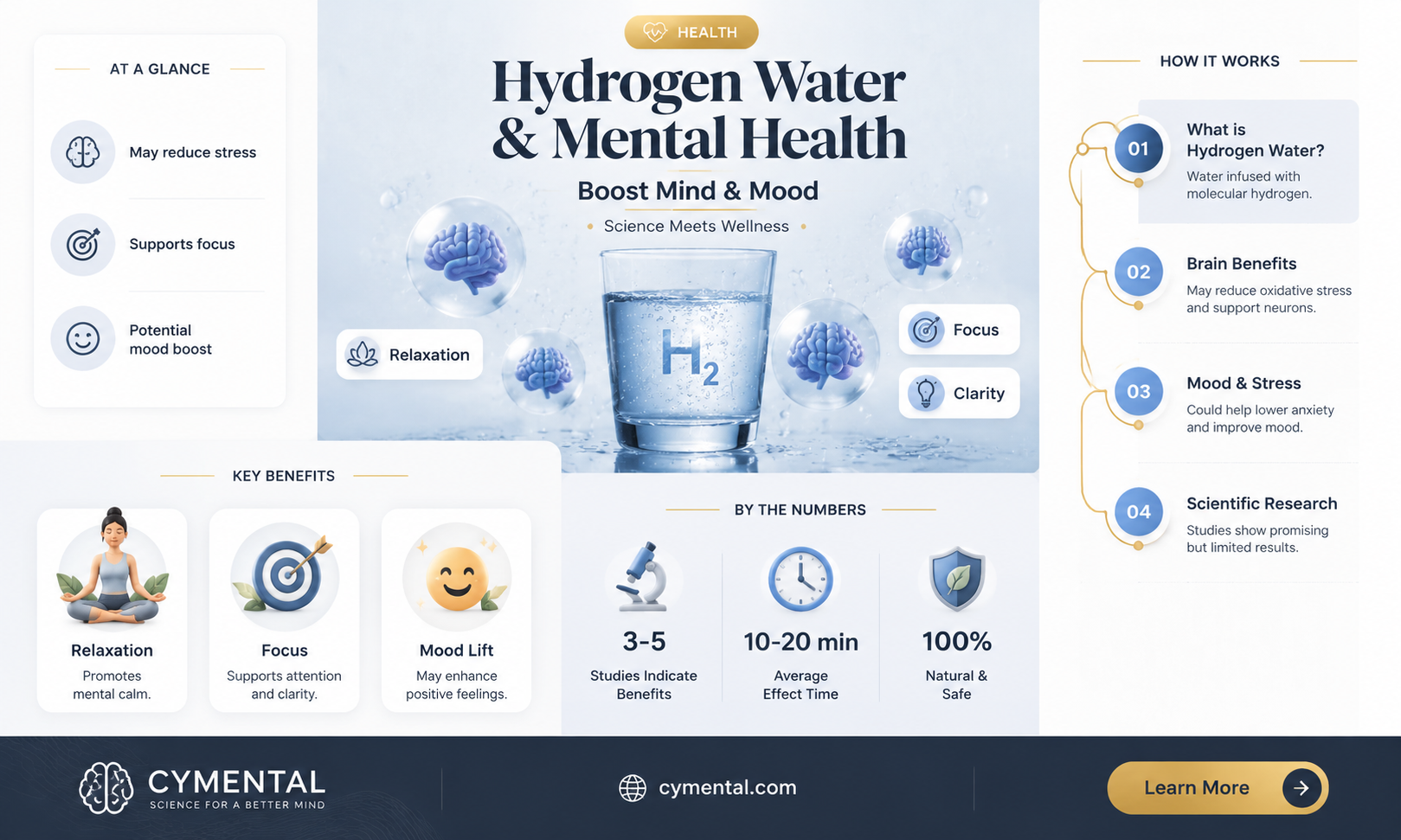
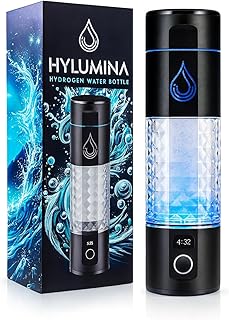
Hydrogen water, which is simply water infused with molecular hydrogen, has gained attention for its potential health benefits, including its role in supporting mental health. Research suggests that molecular hydrogen may act as an antioxidant and anti-inflammatory agent, reducing oxidative stress and inflammation in the brain, both of which are linked to mental health disorders like depression and anxiety. Additionally, studies have explored its ability to modulate neurotransmitter activity and improve cognitive function. While preliminary findings are promising, more extensive clinical research is needed to fully understand its efficacy and mechanisms in addressing mental health challenges. Nonetheless, hydrogen water presents an intriguing, non-invasive option for those seeking complementary approaches to mental well-being.
Explore related products


What You'll Learn

Hydrogen Water and Stress Reduction
Stress, an omnipresent challenge in modern life, triggers a cascade of physiological responses that can impair mental health over time. Hydrogen water, infused with molecular hydrogen (H₂), has emerged as a potential ally in mitigating these effects. Research suggests that H₂ acts as a selective antioxidant, neutralizing harmful free radicals produced during stress without disrupting essential cellular signaling processes. This unique mechanism positions hydrogen water as a targeted intervention for stress-induced oxidative damage, a key contributor to anxiety and cognitive decline.
To incorporate hydrogen water into a stress management routine, start with 1–2 liters daily, divided into morning and evening consumption. Opt for water with a hydrogen concentration of 0.5–1.5 parts per million (ppm), as this range aligns with studies demonstrating neuroprotective effects. For acute stress episodes, consider a 500ml serving immediately upon feeling overwhelmed. Pair this with deep breathing exercises to enhance relaxation. Note that consistency is key; regular intake over 4–6 weeks may yield more noticeable benefits, particularly in reducing cortisol levels and improving mood stability.
A comparative analysis highlights hydrogen water’s advantage over traditional antioxidants. Unlike broad-spectrum antioxidants that can interfere with beneficial oxidative processes, H₂ selectively targets only the most damaging radicals, preserving the body’s natural stress response mechanisms. This precision makes it particularly suitable for individuals with chronic stress or those seeking a non-invasive, holistic approach. However, it’s not a standalone solution—combine it with lifestyle adjustments like adequate sleep, regular exercise, and mindfulness practices for optimal results.
Practical tips for maximizing hydrogen water’s efficacy include storing it in airtight containers to prevent gas dissipation and consuming it within 10–15 minutes of opening. Avoid pairing it with hot beverages, as heat accelerates hydrogen loss. For those aged 18–65, hydrogen water is generally safe, but pregnant or nursing individuals should consult a healthcare provider. While not a cure-all, its role in reducing oxidative stress and inflammation positions it as a valuable tool in the mental health toolkit, particularly for stress-related conditions.
Seeking Support: Discovering Accessible Resources for Guidance and Assistance
You may want to see also
Explore related products


Impact on Anxiety and Depression
Hydrogen water, infused with molecular hydrogen, has emerged as a potential adjunctive therapy for anxiety and depression, conditions that affect millions globally. Research suggests that its antioxidant and anti-inflammatory properties may mitigate oxidative stress and neuroinflammation, key factors in these disorders. A 2019 study published in *Medical Gas Research* found that hydrogen-rich water reduced anxiety-like behaviors in mice by modulating neurotransmitter levels, particularly serotonin and dopamine. While animal studies are promising, human trials remain limited, with a small 2017 pilot study in *Clinical Psychopharmacology and Neuroscience* showing modest improvements in depressive symptoms among patients drinking hydrogen water daily for six weeks.
To explore its potential, consider incorporating hydrogen water into your routine as a complementary approach, not a replacement for proven treatments like therapy or medication. Start with 1–2 liters daily, divided into smaller doses throughout the day, as higher intake may enhance bioavailability. Opt for commercially available hydrogen water or use a hydrogen water generator, ensuring a concentration of 0.5–1.5 parts per million (ppm) for optimal effects. Monitor your response over 4–6 weeks, noting changes in mood, energy, or anxiety levels. For individuals under 18 or those with pre-existing health conditions, consult a healthcare provider before starting.
A comparative analysis highlights hydrogen water’s unique mechanism: unlike traditional antioxidants, molecular hydrogen selectively targets harmful free radicals without disrupting essential cellular processes. This precision may explain its potential to alleviate neuroinflammation linked to depression and anxiety. However, its efficacy varies by individual, influenced by factors like baseline oxidative stress levels and overall lifestyle. For instance, individuals with diets high in processed foods or chronic stress may experience more pronounced benefits due to elevated inflammation. Pairing hydrogen water with a balanced diet, regular exercise, and stress management techniques could amplify its impact.
Practical tips for integration include drinking hydrogen water on an empty stomach for better absorption and avoiding consumption with meals high in iron or polyphenols, which may reduce hydrogen availability. Keep the water in a sealed, light-resistant container to prevent gas dissipation. While anecdotal reports from users describe improved sleep and reduced anxiety, scientific consensus awaits larger, long-term studies. Until then, approach hydrogen water as a promising, low-risk tool in the mental health toolkit, particularly for those seeking natural adjuncts to conventional care.
Supporting Mental Health: Practical Ways to Help Loved Ones Heal
You may want to see also
Explore related products




Cognitive Function Enhancement
Hydrogen water, infused with molecular hydrogen, has emerged as a potential cognitive enhancer due to its antioxidant and anti-inflammatory properties. Studies suggest that oxidative stress and inflammation are key contributors to cognitive decline, and hydrogen’s ability to neutralize harmful free radicals may mitigate these effects. For instance, a 2017 study published in *Medical Gas Research* found that hydrogen-rich water improved cognitive function in patients with mild cognitive impairment. While research is still in its early stages, these findings point to a promising avenue for enhancing brain health through a simple dietary intervention.
To incorporate hydrogen water into a cognitive enhancement routine, start with a daily intake of 1–2 liters, divided into smaller servings throughout the day. Look for products with a hydrogen concentration of 1–2 parts per million (ppm), as this range is commonly used in studies. Consistency is key; regular consumption over several weeks may yield noticeable benefits. Pairing hydrogen water with a balanced diet rich in omega-3 fatty acids, antioxidants, and brain-boosting nutrients like choline can amplify its effects. Avoid excessive intake, as more is not necessarily better, and always consult a healthcare provider if you have underlying health conditions.
A comparative analysis of hydrogen water versus traditional cognitive enhancers reveals its unique advantages. Unlike caffeine or nootropics, hydrogen water lacks stimulatory side effects such as jitters or crashes. It also addresses cognitive health at the cellular level by reducing oxidative stress, a root cause of age-related decline. However, its effects are subtle and gradual, making it less appealing for those seeking immediate results. For individuals prioritizing long-term brain health and preventive care, hydrogen water offers a gentle, holistic alternative to more aggressive interventions.
Practical tips for maximizing cognitive benefits include consuming hydrogen water on an empty stomach to enhance absorption and avoiding carbonated varieties, as bubbles may reduce hydrogen concentration. Incorporate brain-training activities like puzzles, meditation, or learning a new skill to synergize with the water’s effects. For older adults or those at risk of cognitive decline, combining hydrogen water with regular physical exercise and adequate sleep can create a comprehensive brain health regimen. While not a miracle cure, hydrogen water’s potential to support cognitive function makes it a valuable addition to a proactive wellness strategy.
Empowering Change: Simple Ways You Can Make a Difference Today
You may want to see also
Explore related products



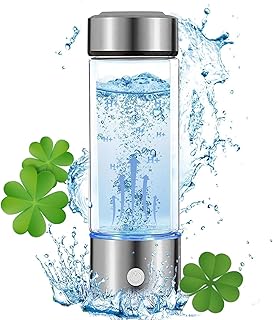
Neuroprotective Effects of Hydrogen
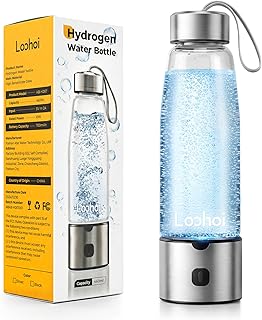
Hydrogen, the lightest and most abundant element in the universe, has emerged as a potential therapeutic agent for neurological health. Its neuroprotective effects are attributed to its unique ability to selectively neutralize harmful free radicals, particularly hydroxyl radicals, which are implicated in oxidative stress—a key driver of neurodegenerative diseases and mental health disorders. Unlike many antioxidants, molecular hydrogen can penetrate cell membranes and the blood-brain barrier, offering direct protection to neural tissues.
Consider the mechanism: oxidative stress disrupts neuronal function by damaging proteins, lipids, and DNA. Hydrogen acts as a targeted antioxidant, reducing this damage without interfering with essential cellular signaling processes. Studies in animal models have shown that hydrogen-rich water can mitigate cognitive decline in conditions like Alzheimer’s disease and Parkinson’s disease by suppressing neuroinflammation and apoptosis. For instance, a 2013 study published in *Behavioural Brain Research* demonstrated that hydrogen water improved memory and reduced amyloid-beta plaques in Alzheimer’s-induced mice. While human trials are still limited, preliminary research suggests similar neuroprotective benefits in conditions like depression and anxiety, where oxidative stress plays a significant role.
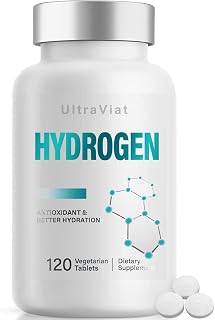
To harness these effects, practical application is key. Drinking hydrogen-infused water (typically 0.5–1.6 ppm concentration) daily may support brain health. For adults, starting with 500–1000 ml per day is recommended, though individual needs may vary. It’s important to source high-quality hydrogen water generators or tablets, as not all products maintain therapeutic hydrogen levels. Combining hydrogen water with a balanced diet rich in antioxidants and regular physical activity could amplify its neuroprotective benefits.
However, caution is warranted. While hydrogen is generally safe, excessive intake of hydrogen-rich water has not been extensively studied. Pregnant or breastfeeding individuals and those with severe health conditions should consult a healthcare provider before incorporating it into their routine. Additionally, hydrogen water is not a standalone treatment for mental health disorders but rather a complementary approach that may support conventional therapies.
In conclusion, the neuroprotective effects of hydrogen offer a promising avenue for mental health support. By targeting oxidative stress at its core, hydrogen water may help preserve cognitive function and alleviate symptoms of neurological disorders. While more research is needed, its safety profile and accessibility make it a valuable tool for those seeking proactive brain health strategies. Start small, monitor effects, and integrate it thoughtfully into your wellness routine.
Suicidal Individuals: Are They Receiving Adequate Mental Health Support?
You may want to see also
Explore related products


Mood Regulation and Oxidative Stress
Oxidative stress, a condition marked by an imbalance between free radicals and antioxidants in the body, has been implicated in various mental health disorders, including depression and anxiety. Research suggests that chronic oxidative stress can disrupt neurotransmitter function, impair neuronal communication, and contribute to inflammation, all of which are linked to mood dysregulation. Hydrogen water, rich in molecular hydrogen (H₂), has emerged as a potential therapeutic agent due to its antioxidant properties. By selectively neutralizing harmful free radicals, H₂ may mitigate oxidative damage in the brain, offering a novel approach to mood regulation.
Consider the mechanism: molecular hydrogen acts as a unique antioxidant by targeting only the most damaging free radicals, such as hydroxyl radicals, without interfering with beneficial reactive oxygen species necessary for cellular signaling. This specificity is crucial for mental health, as excessive oxidative stress in the brain can lead to neuronal degeneration and altered neurotransmitter levels, both of which are hallmarks of mood disorders. Studies in animal models have shown that hydrogen water consumption reduces oxidative stress markers in the brain, improves behavioral outcomes in stress-induced depression, and enhances cognitive function. For instance, a 2019 study published in *Medical Gas Research* found that rats administered hydrogen-rich water exhibited lower levels of corticosterone (a stress hormone) and improved performance in forced swim tests, a common measure of depressive-like behavior.
Practical application of hydrogen water for mood regulation requires attention to dosage and consistency. While human studies are still limited, preliminary research suggests that daily consumption of 1–2 liters of hydrogen water (with H₂ concentrations of 0.5–1.6 ppm) may be beneficial. For individuals over 18 years old, starting with 500 ml per day and gradually increasing to 1 liter can help assess tolerance and efficacy. It’s important to note that hydrogen water is not a replacement for conventional treatments but may serve as a complementary therapy. Pairing its use with lifestyle modifications, such as regular exercise and a balanced diet rich in antioxidants, could amplify its mood-stabilizing effects.
A comparative analysis highlights the advantages of hydrogen water over traditional antioxidants. Unlike vitamin C or E, which must be consumed in large quantities to achieve systemic effects, molecular hydrogen is highly bioavailable and can rapidly diffuse across cell membranes, including the blood-brain barrier. This ensures direct delivery to the brain, where oxidative stress often originates in mood disorders. Additionally, hydrogen water lacks the pro-oxidant risks associated with high-dose antioxidant supplements, making it a safer option for long-term use. However, its efficacy in humans remains under-researched, particularly regarding optimal dosing and long-term outcomes.
In conclusion, the link between oxidative stress and mood regulation positions hydrogen water as a promising adjunctive therapy for mental health. Its selective antioxidant action, coupled with high bioavailability, offers a targeted approach to mitigating brain-related oxidative damage. While more human trials are needed, current evidence supports its potential as a safe and practical intervention. For those exploring natural ways to support mental well-being, incorporating hydrogen water into a holistic regimen may provide a valuable tool in managing mood disorders. Always consult a healthcare professional before starting any new therapy, especially if you have pre-existing conditions or are taking medications.
Christian Counseling: A Path to Mental Health Healing?
You may want to see also
Frequently asked questions
While some studies suggest hydrogen water may have antioxidant and anti-inflammatory effects, which could indirectly support mental health, there is limited direct evidence specifically linking it to mood improvement or depression reduction. More research is needed to confirm these potential benefits.
Preliminary research indicates hydrogen water may reduce oxidative stress and inflammation, which are factors in anxiety. However, there is insufficient clinical evidence to definitively state it alleviates anxiety symptoms.
Some animal studies suggest hydrogen water may protect brain cells and improve cognitive function, but human studies are limited. Its impact on focus and mental clarity remains unproven and requires further investigation.
Hydrogen water is generally considered safe for consumption, but its interaction with mental health medications is not well-studied. Consult a healthcare professional before combining it with any prescribed treatments.
There is no established dosage for mental health benefits, as research is still in early stages. If choosing to consume it, follow product guidelines and monitor how your body responds. Always prioritize evidence-based treatments for mental health concerns.