Ava Ramirez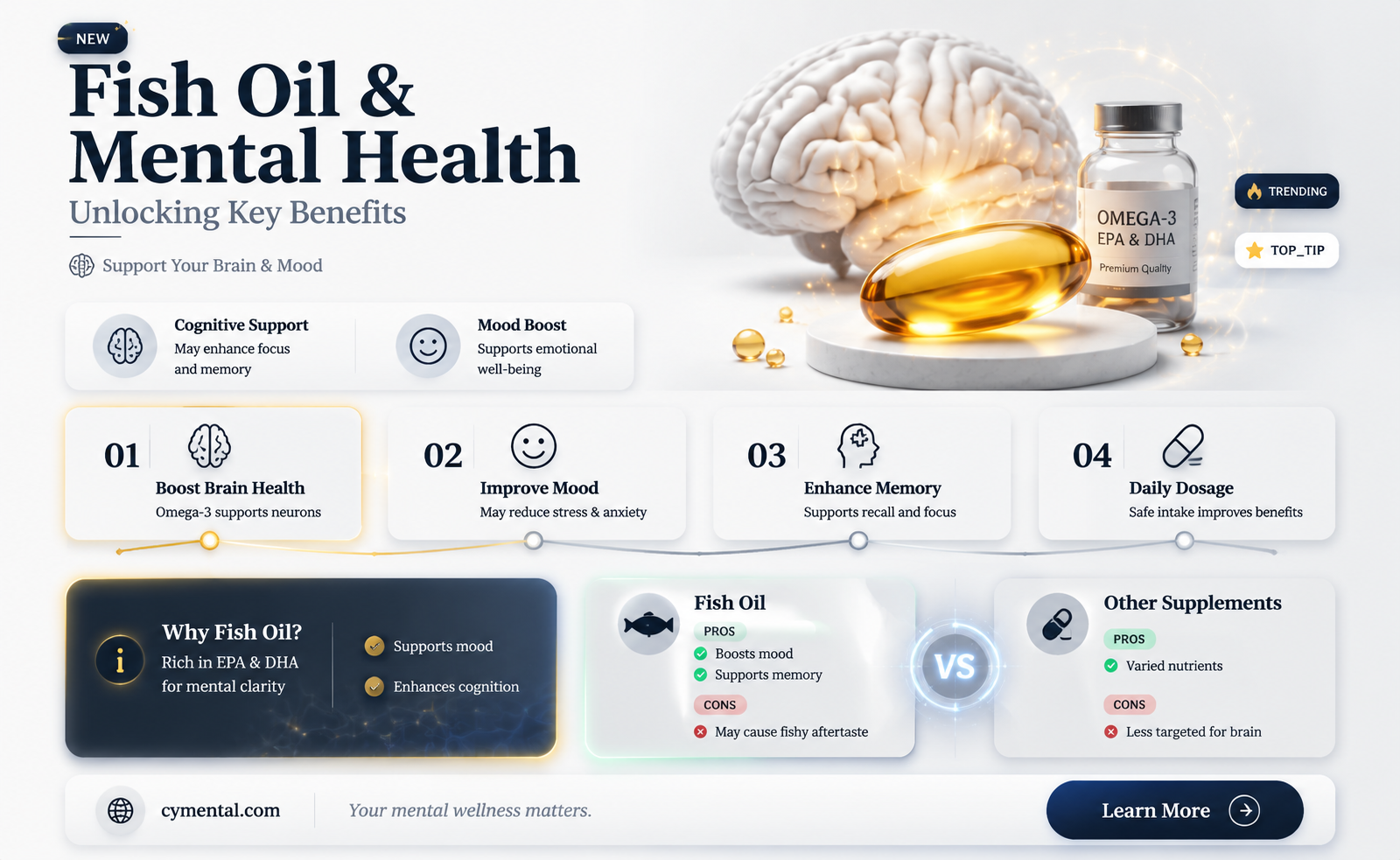
Fish oil, rich in omega-3 fatty acids, particularly EPA (eicosapentaenoic acid) and DHA (docosahexaenoic acid), has been widely studied for its potential benefits on mental health. Research suggests that these essential fatty acids play a crucial role in brain function, influencing neurotransmitter activity, reducing inflammation, and supporting neuronal structure. Studies have explored its effects on conditions such as depression, anxiety, ADHD, and even cognitive decline, with some evidence indicating that fish oil supplementation may alleviate symptoms and improve overall mental well-being. However, results are mixed, and the extent of its effectiveness can vary depending on factors like dosage, individual health status, and the specific mental health condition being addressed. As interest in natural remedies grows, understanding the relationship between fish oil and mental health remains an important area of investigation.
| Characteristics | Values |
|---|---|
| Omega-3 Fatty Acids | Fish oil is rich in omega-3 fatty acids, particularly EPA (eicosapentaenoic acid) and DHA (docosahexaenoic acid), which are essential for brain function. |
| Depression | Some studies suggest that omega-3 supplements, including fish oil, may help reduce symptoms of depression, particularly in individuals with major depressive disorder. However, results are mixed, and more research is needed. |
| Anxiety | Limited evidence suggests that fish oil might have a modest effect on reducing anxiety symptoms, though findings are inconsistent. |
| Bipolar Disorder | Fish oil supplementation has shown potential in stabilizing mood and reducing symptoms of bipolar disorder, but more robust studies are required. |
| ADHD | Omega-3 fatty acids, including those in fish oil, may improve symptoms of attention-deficit/hyperactivity disorder (ADHD) in some children, though results vary. |
| Cognitive Decline | Fish oil may support cognitive health and potentially reduce the risk of age-related cognitive decline, including conditions like Alzheimer's disease, but evidence is not conclusive. |
| Mechanism of Action | Omega-3s in fish oil are believed to modulate neurotransmitter function, reduce inflammation, and support neuronal structure, which may contribute to mental health benefits. |
| Dosage | Effective dosages vary, but typical recommendations range from 1,000 to 2,000 mg of combined EPA and DHA daily for mental health benefits. |
| Safety | Generally safe for most people, but high doses may cause side effects like fishy aftertaste, gastrointestinal issues, or increased bleeding risk. Consult a healthcare provider before use. |
| Limitations | Many studies have small sample sizes, short durations, or inconsistent results, making it difficult to draw definitive conclusions about fish oil's efficacy for mental health. |
| Complementary Therapy | Fish oil is often considered a complementary therapy and should not replace conventional treatments for mental health conditions. |
Explore related products


What You'll Learn
- Fish oil's impact on reducing symptoms of depression and anxiety
- Omega-3 fatty acids' role in brain function and mood regulation
- Effects of fish oil on cognitive decline and Alzheimer's prevention
- Fish oil supplementation for ADHD symptom management in children and adults
- Potential benefits of fish oil in reducing stress and inflammation

Fish oil's impact on reducing symptoms of depression and anxiety
Fish oil, rich in omega-3 fatty acids, has been extensively studied for its potential to alleviate symptoms of depression and anxiety. Research suggests that eicosapentaenoic acid (EPA) and docosahexaenoic acid (DHA), the primary omega-3s in fish oil, play a crucial role in brain function and mood regulation. Studies have shown that individuals with depression often have lower levels of these fatty acids, indicating a possible link between omega-3 deficiency and mental health disorders. For instance, a meta-analysis published in the *Journal of Clinical Psychiatry* found that omega-3 supplements, particularly those with higher EPA content, significantly reduced depressive symptoms in patients with major depressive disorder.
To harness fish oil’s potential benefits for mental health, dosage is key. Most studies demonstrating positive effects used daily doses ranging from 1,000 to 2,000 mg of combined EPA and DHA, with EPA often emphasized as the more effective component for mood disorders. For anxiety, while evidence is less conclusive, some trials suggest that consistent supplementation over 12 weeks may yield noticeable improvements. It’s important to note that fish oil should complement, not replace, conventional treatments like therapy or medication. Always consult a healthcare provider before starting any supplement regimen, especially if you’re taking blood thinners or have underlying health conditions.
Comparing fish oil to other natural remedies for depression and anxiety highlights its unique advantages. Unlike St. John’s wort, which can interact with medications, fish oil is generally safe and well-tolerated. It also stands out from lifestyle interventions like exercise or meditation, as it directly addresses potential biochemical imbalances in the brain. However, combining fish oil with these approaches may enhance overall effectiveness. For example, pairing supplementation with regular physical activity could amplify mood-boosting benefits, as exercise increases blood flow to the brain, aiding nutrient absorption.
Practical tips for incorporating fish oil into your routine include choosing high-quality supplements that are third-party tested for purity and potency, as some brands may contain contaminants like mercury. Taking fish oil with meals can improve absorption and reduce gastrointestinal side effects like fishy aftertaste or burping. For those who dislike pills, liquid forms or omega-3-rich foods like salmon, mackerel, and walnuts can be viable alternatives, though achieving therapeutic doses through diet alone may be challenging. Consistency is crucial; give it at least 8–12 weeks to observe potential mental health improvements.
While fish oil shows promise in reducing symptoms of depression and anxiety, it’s not a one-size-fits-all solution. Individual responses vary based on factors like baseline omega-3 levels, the severity of symptoms, and overall lifestyle. For older adults, whose omega-3 absorption may decline with age, higher doses or more frequent intake might be necessary. Pregnant or nursing women should opt for supplements specifically formulated for their needs. Ultimately, fish oil is a valuable tool in the mental health toolkit, but its effectiveness is maximized when integrated into a holistic approach to well-being.
ACA's Impact: Mental Health Care Access and Outcomes Explored
You may want to see also
Explore related products




Omega-3 fatty acids' role in brain function and mood regulation
Omega-3 fatty acids, particularly EPA (eicosapentaenoic acid) and DHA (docosahexaenoic acid), are foundational to brain structure and function. DHA constitutes approximately 97% of the omega-3 fats in the brain, where it supports neuronal membrane fluidity, enabling efficient cell signaling. EPA, though present in smaller amounts, plays a critical role in reducing inflammation, which is often linked to mood disorders. Together, these compounds ensure optimal cognitive performance and emotional resilience. For instance, a 2019 meta-analysis in *Translational Psychiatry* found that individuals with depression had significantly lower omega-3 levels, suggesting a direct correlation between these fats and mental health.
To harness omega-3’s benefits, consider dosage carefully. The American Psychiatric Association recommends 1–2 grams of combined EPA and DHA daily for mood regulation, with higher doses (up to 4 grams) under professional guidance for severe cases. For children and adolescents, age-appropriate dosing is essential; consult a pediatrician, as excessive intake can interfere with blood clotting. Practical tips include choosing high-quality fish oil supplements with third-party testing to ensure purity and combining them with meals to enhance absorption and minimize gastrointestinal discomfort.
Comparing omega-3 sources reveals distinct advantages. Fatty fish like salmon, mackerel, and sardines provide bioavailable EPA and DHA, but supplements offer a concentrated, mercury-free alternative. Plant-based sources like flaxseeds and chia seeds contain ALA, a precursor to EPA and DHA, but conversion rates in the body are inefficient, particularly in men. For vegetarians or vegans, algae-based supplements are a direct, sustainable source of DHA. This comparison underscores the importance of tailoring intake to individual dietary preferences and needs.
A cautionary note: omega-3s are not a standalone solution for mental health. Their efficacy is most pronounced when paired with a holistic approach, including therapy, regular exercise, and a balanced diet rich in antioxidants and vitamins. Over-reliance on supplementation without addressing underlying lifestyle factors may yield limited results. Additionally, individuals on blood thinners should consult a healthcare provider, as omega-3s can potentiate anticoagulant effects. By integrating omega-3s thoughtfully, they become a powerful tool in the broader toolkit for brain health and mood stabilization.
Setting Goals: A Powerful Tool for Enhancing Mental Wellness
You may want to see also
Explore related products



Effects of fish oil on cognitive decline and Alzheimer's prevention
Fish oil, rich in omega-3 fatty acids, has been extensively studied for its potential to combat cognitive decline and prevent Alzheimer’s disease. Research suggests that docosahexaenoic acid (DHA), a primary component of fish oil, is critical for maintaining neuronal structure and function, which naturally deteriorates with age. Studies, such as a 2017 meta-analysis published in *Alzheimer’s & Dementia*, indicate that higher DHA levels are associated with a reduced risk of cognitive impairment in older adults. However, the effectiveness of fish oil supplementation remains nuanced, with results varying based on dosage, duration, and individual health status.
To harness fish oil’s potential benefits, consider these practical steps. Adults over 50, particularly those with a family history of Alzheimer’s, may benefit from daily supplementation of 1,000–2,000 mg of combined EPA and DHA. Pairing fish oil with a diet rich in antioxidants (e.g., berries, leafy greens) can enhance its neuroprotective effects. Caution: Always consult a healthcare provider before starting supplementation, especially if taking blood thinners or managing cardiovascular conditions. Over-reliance on supplements without dietary and lifestyle changes may yield limited results.
A comparative analysis of fish oil versus other cognitive health interventions reveals its unique advantages. Unlike pharmaceutical options, fish oil is generally well-tolerated and lacks severe side effects. However, its efficacy pales in comparison to lifestyle modifications like regular exercise and cognitive training. For instance, a 2020 study in *The Journal of Prevention of Alzheimer’s Disease* found that physical activity reduced cognitive decline by 30%, while fish oil supplementation showed a modest 10% reduction. Combining fish oil with holistic strategies may yield the most significant benefits.
Descriptively, the mechanism behind fish oil’s impact on Alzheimer’s prevention involves reducing neuroinflammation and amyloid plaque buildup, hallmarks of the disease. DHA supports synaptic health, while EPA (eicosapentaenoic acid) modulates inflammatory pathways. Animal studies, such as those conducted at the University of California, Los Angeles, demonstrate that DHA-enriched diets slow cognitive decline in Alzheimer’s models. While human trials are less conclusive, anecdotal evidence and preliminary research suggest that long-term, consistent use of fish oil may delay onset or progression of symptoms.
In conclusion, while fish oil is not a cure-all for cognitive decline or Alzheimer’s, it is a valuable tool in a preventive toolkit. Its benefits are most pronounced when integrated into a broader strategy that includes diet, exercise, and mental stimulation. For optimal results, prioritize high-quality supplements with third-party testing, and monitor cognitive health through regular assessments. As research evolves, fish oil remains a promising, accessible option for those seeking to safeguard their brain health.
Counselling for Mental Health: Effective Support or Just a Myth?
You may want to see also
Explore related products

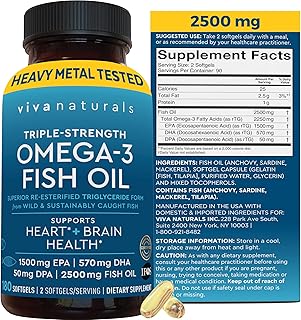



Fish oil supplementation for ADHD symptom management in children and adults
Fish oil, rich in omega-3 fatty acids, has been extensively studied for its potential benefits in managing ADHD symptoms in both children and adults. The two key omega-3s in fish oil—EPA (eicosapentaenoic acid) and DHA (docosahexaenoic acid)—play critical roles in brain function, including neurotransmission and inflammation regulation, both of which are implicated in ADHD. While not a standalone treatment, fish oil supplementation is increasingly recognized as a complementary approach to traditional therapies like medication and behavioral interventions.
For children with ADHD, incorporating fish oil into their daily routine may help reduce symptoms such as inattention, hyperactivity, and impulsivity. Studies suggest that dosages ranging from 500 to 1,500 mg of combined EPA and DHA daily can be effective, though individual needs may vary. Parents should consult a pediatrician to determine the appropriate dosage and ensure compatibility with other treatments. Practical tips include choosing high-quality, purified fish oil supplements to avoid contaminants like mercury, and pairing supplementation with a diet rich in omega-3s, such as fatty fish, flaxseeds, and walnuts, to maximize benefits.
Adults with ADHD may also experience symptom improvement with fish oil supplementation, though research in this demographic is less extensive. A typical adult dosage ranges from 1,000 to 2,000 mg of combined EPA and DHA daily. Adults should monitor their response over several weeks, as the effects of omega-3s on ADHD symptoms can be gradual. Combining fish oil with other evidence-based strategies, such as mindfulness practices or cognitive-behavioral therapy, may enhance overall outcomes. It’s important to note that while fish oil is generally safe, high doses can interact with blood-thinning medications, so consultation with a healthcare provider is essential.
A comparative analysis of fish oil versus placebo in ADHD trials reveals modest but meaningful improvements in symptoms, particularly in individuals with omega-3 deficiencies. However, results are not universal, and factors like baseline omega-3 levels, ADHD subtype, and concurrent treatments influence effectiveness. For instance, individuals with predominantly inattentive ADHD may respond differently than those with hyperactive-impulsive symptoms. This variability underscores the need for personalized approaches rather than a one-size-fits-all solution.
In conclusion, fish oil supplementation holds promise as a supportive tool in ADHD symptom management for both children and adults. While it is not a cure, its potential to improve focus, reduce impulsivity, and enhance overall cognitive function makes it a valuable addition to a comprehensive treatment plan. By starting with appropriate dosages, monitoring progress, and integrating dietary and lifestyle changes, individuals with ADHD can explore this natural intervention as part of their journey toward better mental health.
Animal Companionship: Boosting Mental Health and Emotional Well-Being in Humans
You may want to see also
Explore related products


Potential benefits of fish oil in reducing stress and inflammation
Fish oil, rich in omega-3 fatty acids, has been extensively studied for its potential to reduce stress and inflammation, two key factors linked to mental health disorders. Chronic stress triggers the release of cortisol, a hormone that, in excess, can impair cognitive function and exacerbate anxiety. Simultaneously, inflammation in the brain, often measured by markers like C-reactive protein (CRP), is associated with depression and other mood disorders. Omega-3s, particularly EPA (eicosapentaenoic acid) and DHA (docosahexaenoic acid), are known to modulate these processes by influencing neurotransmitter function and reducing pro-inflammatory cytokines.
Consider the mechanism: EPA acts as a precursor to anti-inflammatory molecules called resolvins and protectins, which help resolve inflammation in the body and brain. DHA, on the other hand, is a structural component of neuronal membranes, enhancing their fluidity and improving communication between brain cells. Studies suggest that a daily intake of 1,000–2,000 mg of combined EPA and DHA may be effective in reducing stress-related symptoms and systemic inflammation. For instance, a 2017 meta-analysis published in *JAMA Network Open* found that omega-3 supplementation significantly lowered anxiety levels, particularly in individuals with clinical diagnoses.
Practical application is key. Incorporating fish oil into your routine requires consistency and awareness of quality. Opt for molecularly distilled supplements to avoid contaminants like mercury. Pairing fish oil with a meal containing healthy fats (e.g., avocado or olive oil) enhances absorption. For those averse to pills, algae-based omega-3 supplements offer a vegan alternative with similar benefits. However, consult a healthcare provider before starting supplementation, especially if you’re on blood-thinning medications or have a seafood allergy.
Comparatively, while dietary sources like salmon, mackerel, and sardines provide omega-3s, supplementation ensures precise dosing, particularly for individuals with high stress levels or inflammatory conditions. For example, a person experiencing work-related stress might find that a 1,200 mg daily dose of fish oil, combined with mindfulness practices, yields noticeable improvements in mood and resilience within 8–12 weeks. This dual approach addresses both biochemical and behavioral aspects of stress management.
The takeaway is clear: fish oil’s anti-inflammatory and stress-reducing properties make it a valuable tool in supporting mental health. While not a standalone solution, it complements lifestyle changes like exercise, adequate sleep, and a balanced diet. By targeting inflammation and cortisol regulation, omega-3 supplementation can contribute to a more stable and resilient mental state, particularly in individuals prone to stress-related disorders.
AI's Role in Mental Health: Support, Challenges, and Future Possibilities
You may want to see also
Frequently asked questions
Fish oil, rich in omega-3 fatty acids (EPA and DHA), has shown potential in reducing symptoms of depression, particularly when used as a supplement to traditional treatments. Studies suggest EPA may be more effective than DHA in this regard.
Some research indicates that fish oil may help reduce symptoms of anxiety, though results are mixed. Omega-3s are believed to support brain health and reduce inflammation, which may contribute to anxiety relief.
Fish oil supplements, especially those high in omega-3s, have been studied for their potential to improve focus and reduce hyperactivity in individuals with ADHD. While not a replacement for medication, they may offer complementary benefits.
Omega-3 fatty acids in fish oil are essential for brain health and may help slow cognitive decline and improve memory, particularly in older adults. Regular intake is associated with better brain function.
Some studies suggest fish oil, particularly EPA, may help stabilize mood in individuals with bipolar disorder when used alongside medication. However, more research is needed to confirm its effectiveness.