Ava Ramirez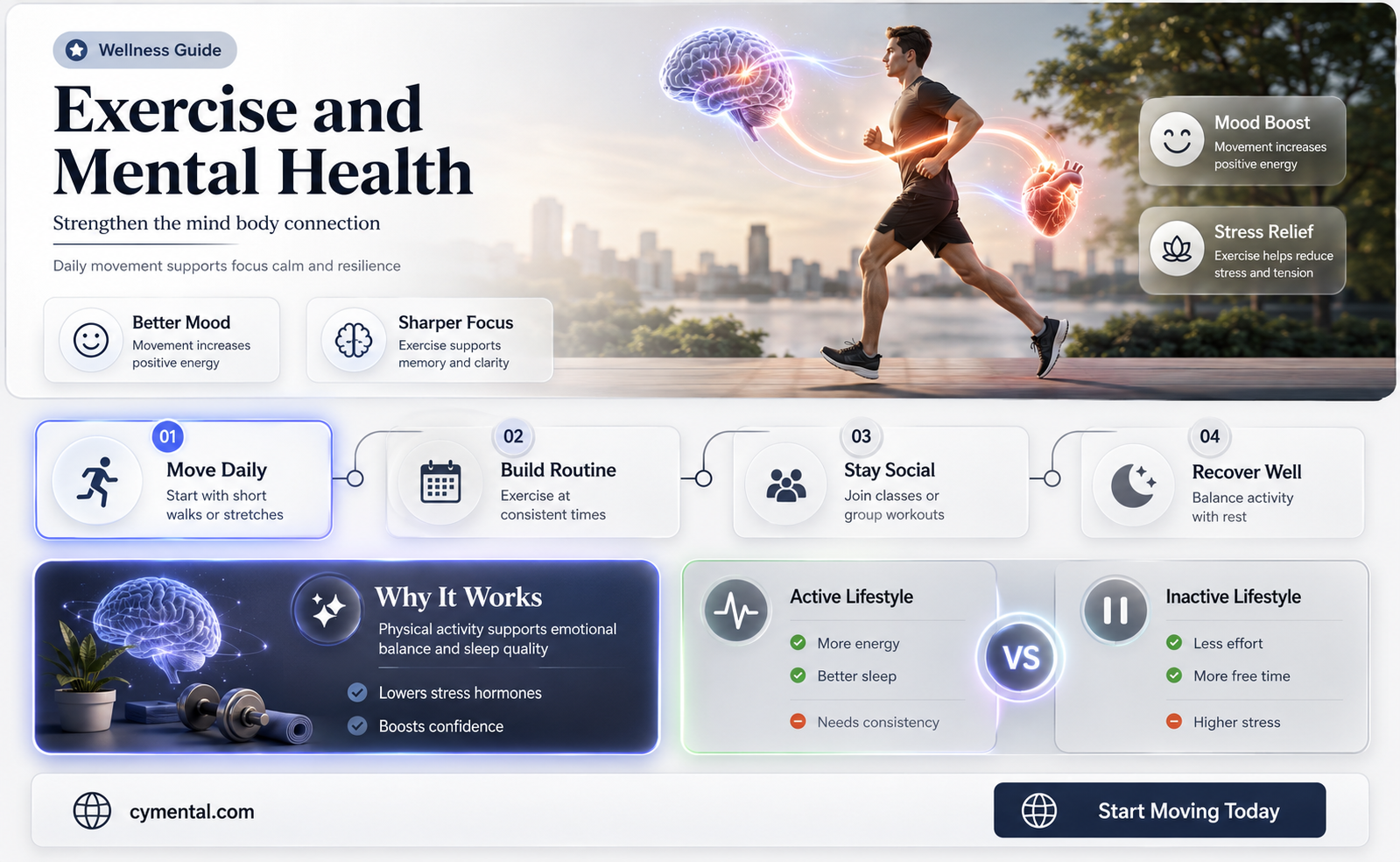
Exercise has long been touted as a powerful tool for improving physical health, but its impact on mental well-being is equally significant and increasingly supported by research. Studies suggest that regular physical activity can alleviate symptoms of mental illnesses such as depression, anxiety, and stress by releasing endorphins, reducing inflammation, and promoting neural growth. Beyond biochemical changes, exercise provides structure, a sense of accomplishment, and opportunities for social interaction, all of which can combat feelings of isolation and low self-esteem often associated with mental health struggles. While it may not be a standalone cure, incorporating exercise into treatment plans can complement therapy and medication, offering a holistic approach to managing mental illness and enhancing overall quality of life.
| Characteristics | Values |
|---|---|
| Reduces Symptoms of Depression & Anxiety | Numerous studies show regular exercise can significantly reduce symptoms of depression and anxiety, sometimes as effectively as medication or therapy. A 2023 meta-analysis found exercise interventions led to moderate to large reductions in depressive symptoms. |
| Boosts Mood & Well-being | Exercise increases production of endorphins, neurotransmitters that have mood-boosting and pain-relieving effects, leading to feelings of happiness and relaxation. |
| Improves Sleep Quality | Regular physical activity can help regulate sleep patterns, improving sleep quality and duration, which is crucial for mental health. |
| Increases Self-Esteem & Confidence | Achieving fitness goals and seeing physical improvements can boost self-esteem and confidence, positively impacting mental well-being. |
| Reduces Stress & Cortisol Levels | Exercise acts as a natural stress reliever, lowering cortisol levels (the stress hormone) and promoting relaxation. |
| Enhances Cognitive Function | Exercise increases blood flow to the brain, promoting neurogenesis (growth of new brain cells) and improving cognitive function, memory, and focus. |
| Provides Social Connection | Group exercise classes or team sports can combat social isolation, a risk factor for mental illness, and provide a sense of belonging. |
| Offers a Sense of Control & Structure | Regular exercise routines can provide structure and a sense of control, which can be beneficial for individuals struggling with mental health issues. |
| May Reduce Risk of Developing Mental Illness | Some research suggests regular exercise may lower the risk of developing certain mental health conditions, such as depression and anxiety disorders. |
| Complementary Treatment | Exercise is often recommended as a complementary treatment alongside therapy and medication for mental illness, enhancing overall effectiveness. |
| Accessibility & Variety | Exercise options are diverse and accessible, ranging from walking and yoga to team sports and high-intensity interval training, allowing individuals to find activities they enjoy. |
Explore related products


$10.6 $19.99

$10.88 $15.99

$10.99 $18.99


What You'll Learn
- Exercise and Depression: Physical activity reduces symptoms, boosts mood, and increases serotonin levels effectively
- Anxiety Reduction: Regular exercise lowers stress hormones and promotes relaxation through mindfulness
- Cognitive Benefits: Enhances memory, focus, and brain function by increasing blood flow
- Social Connection: Group exercises foster community, reduce loneliness, and improve mental well-being
- Long-Term Resilience: Builds emotional resilience, coping skills, and reduces relapse risk in mental illness

Exercise and Depression: Physical activity reduces symptoms, boosts mood, and increases serotonin levels effectively
Depression often feels like a heavy fog, clouding thoughts, emotions, and energy levels. Yet, emerging research suggests a surprisingly effective tool for lifting this fog: exercise. Numerous studies confirm that regular physical activity significantly reduces symptoms of depression, boosts mood, and increases serotonin levels—a neurotransmitter crucial for emotional well-being. For instance, a meta-analysis published in *JAMA Psychiatry* found that exercise interventions, particularly aerobic activities like brisk walking or cycling, were as effective as antidepressant medication for mild to moderate depression. This isn’t just anecdotal; it’s science-backed evidence that movement can be medicine.
To harness these benefits, aim for at least 150 minutes of moderate-intensity exercise weekly, as recommended by the World Health Organization. This breaks down to just 30 minutes a day, five days a week—an achievable goal for most. For those new to exercise, start small: a 10-minute walk, a gentle yoga session, or even stretching. Consistency matters more than intensity. Incorporate activities you enjoy, whether it’s dancing, swimming, or hiking, to increase adherence. For older adults or individuals with physical limitations, low-impact exercises like tai chi or water aerobics can be equally effective. The key is to move in a way that feels sustainable and enjoyable.
One of the most fascinating aspects of exercise’s impact on depression is its ability to increase serotonin levels. Serotonin, often called the “feel-good” neurotransmitter, plays a vital role in regulating mood, sleep, and appetite. Exercise stimulates the release of tryptophan, a serotonin precursor, and promotes its synthesis in the brain. Additionally, physical activity reduces inflammation and promotes neuroplasticity, both of which are linked to improved mental health. Even a single session of exercise can provide an immediate mood boost, though long-term benefits require regular engagement. Think of it as building emotional resilience, one workout at a time.
However, it’s essential to approach exercise as a complement to, not a replacement for, other treatments. For severe depression, therapy and medication remain critical. Exercise should be part of a holistic approach, tailored to individual needs. For example, combining mindfulness practices like meditation with physical activity can enhance its mood-boosting effects. Similarly, social activities, such as group fitness classes or team sports, can combat the isolation often associated with depression. Practical tips include scheduling workouts like appointments, tracking progress to stay motivated, and celebrating small victories along the way.
In conclusion, exercise isn’t a cure-all for depression, but its potential to reduce symptoms, elevate mood, and increase serotonin levels is undeniable. By committing to a manageable routine and integrating it into a broader mental health strategy, individuals can unlock a powerful tool for combating depression. The message is clear: movement matters, and even small steps can lead to significant strides in mental well-being.
Supporting Loved Ones: A Guide to Accessing Mental Health Care for Family
You may want to see also
Explore related products

$20.09 $25.99

$13.16 $16.99

$8.44 $14.99

$8.5 $19.99


Anxiety Reduction: Regular exercise lowers stress hormones and promotes relaxation through mindfulness
Exercise isn't just about building muscle or shedding pounds; it's a powerful tool for rewiring your brain's response to stress. When you engage in physical activity, your body releases endorphins, often referred to as 'feel-good' hormones, which act as natural painkillers and mood elevators. But the benefits go deeper. Regular exercise, particularly aerobic activities like jogging, swimming, or cycling, has been shown to reduce the production of stress hormones such as cortisol. A study published in the *Journal of Clinical Psychiatry* found that participants who exercised regularly experienced a significant decrease in anxiety symptoms compared to those who led sedentary lifestyles. This hormonal shift is crucial for anxiety reduction, as elevated cortisol levels are directly linked to increased feelings of tension and worry.
To harness these benefits, aim for at least 30 minutes of moderate-intensity exercise, five days a week. This could be a brisk walk, a yoga session, or even dancing. Consistency is key; sporadic workouts won’t yield the same results. For older adults or those with physical limitations, low-impact activities like tai chi or water aerobics can be equally effective. Pairing exercise with mindfulness techniques amplifies its anxiety-reducing effects. For instance, focus on your breath during a run or pay attention to the sensation of your feet hitting the ground. This combination of physical activity and present-moment awareness creates a synergistic effect, calming both the body and mind.
Consider this: a 2018 meta-analysis in *Depression and Anxiety* revealed that mindfulness-based exercises, such as yoga and qigong, significantly reduced anxiety symptoms in participants across various age groups. These practices not only lower stress hormones but also teach individuals to observe their thoughts without judgment, breaking the cycle of anxiety-provoking rumination. Incorporating mindfulness into your exercise routine doesn’t require a drastic change—start small, perhaps by dedicating the first five minutes of your workout to deep breathing or a brief meditation.
Practical tips can make this approach more accessible. For instance, if you’re short on time, break your exercise into shorter sessions throughout the day. Even three 10-minute bursts of activity can contribute to anxiety reduction. Additionally, choose activities you genuinely enjoy to increase adherence. If you dread running, try hiking or team sports instead. Finally, track your progress—whether through a journal or fitness app—to stay motivated and observe how your anxiety levels change over time. By combining regular exercise with mindfulness, you’re not just managing anxiety; you’re actively reshaping your brain’s response to stress.
Boost Mental Health, Shed Pounds: The Mind-Body Weight Loss Connection
You may want to see also
Explore related products


Cognitive Benefits: Enhances memory, focus, and brain function by increasing blood flow
Exercise isn't just about building muscles or shedding pounds; it's a powerful tool for sharpening your mind. When you engage in physical activity, your heart pumps faster, increasing blood flow to the brain. This surge in circulation delivers essential nutrients and oxygen, fueling neural activity and fostering an environment ripe for cognitive enhancement.
Think of it as a natural brain fertilizer, nourishing your neurons and promoting their growth and connectivity.
This increased blood flow translates to tangible cognitive benefits. Studies show that regular exercise, particularly aerobic activities like brisk walking, swimming, or cycling, can significantly improve memory, both short-term and long-term. Imagine recalling names, faces, and information with greater ease, all thanks to a consistent exercise routine. But the benefits don't stop there. Exercise also boosts focus and concentration, allowing you to stay on task for longer periods and tackle complex problems with greater clarity.
A 2019 study published in the *British Journal of Sports Medicine* found that just 30 minutes of moderate-intensity exercise, five times a week, can lead to noticeable improvements in cognitive function in adults over 50.
The key lies in consistency. Aim for at least 150 minutes of moderate-intensity aerobic exercise or 75 minutes of vigorous-intensity aerobic exercise per week, as recommended by the World Health Organization. This can be broken down into shorter sessions throughout the day, making it more manageable for busy schedules. Remember, even small changes can make a big difference. Start with a 10-minute walk during your lunch break or opt for the stairs instead of the elevator. Gradually increase the duration and intensity of your workouts as your fitness level improves.
Incorporating strength training exercises, such as weightlifting or bodyweight exercises, can further enhance cognitive benefits. These activities promote the release of brain-derived neurotrophic factor (BDNF), a protein that supports the growth and survival of neurons. Aim for 2-3 strength training sessions per week, targeting major muscle groups.
By prioritizing regular exercise, you're not just investing in your physical health; you're nurturing your cognitive well-being. The cognitive benefits of exercise are accessible to people of all ages and fitness levels. So, lace up your sneakers, embrace the power of movement, and unlock the full potential of your mind.
Find Free Depression Support: Resources and Helpful Services Available Now
You may want to see also
Explore related products





Social Connection: Group exercises foster community, reduce loneliness, and improve mental well-being
Loneliness is a silent epidemic, often intertwined with mental health struggles. Group exercises offer a powerful antidote by weaving social connection into the very fabric of physical activity. Consider the camaraderie of a cycling class, the shared determination in a boot camp, or the rhythmic unity of a Zumba session. These environments naturally foster a sense of belonging, replacing isolation with shared purpose. Studies show that individuals participating in group exercises report significantly lower levels of loneliness compared to those exercising solo. The key lies in the inherent social interaction: encouragement from peers, shared challenges, and the collective celebration of achievements.
To maximize the social benefits, aim for group activities that encourage interaction. Team sports like basketball or soccer inherently promote collaboration, while partner exercises in yoga or Pilates build trust and connection. Even group walks or runs can be transformative when participants engage in conversation. Frequency matters, too. Research suggests that participating in group exercises 2-3 times per week can yield noticeable improvements in mood and social well-being. For older adults, community-based programs like SilverSneakers combine fitness with social engagement, addressing both physical and emotional health.
However, not all group exercises are created equal. For introverts or those with social anxiety, large, high-energy classes might feel overwhelming. Start small—join a beginner’s yoga class or a local hiking group with fewer members. Online fitness communities can also serve as a stepping stone, offering connection without the pressure of in-person interaction. The goal is to find a balance between physical activity and social comfort, ensuring the experience is uplifting, not stressful.
The science is clear: social connection is a cornerstone of mental well-being, and group exercises provide a structured, enjoyable way to cultivate it. By combining physical activity with shared experiences, these settings address both the body and the mind. Whether you’re battling depression, anxiety, or simply seeking a sense of community, group exercises offer a dual benefit—strengthening muscles while building meaningful relationships. Start today: find a local class, invite a friend, and take the first step toward a healthier, more connected life.
Drawing for Mental Health: Creative Therapy Benefits and Techniques
You may want to see also
Explore related products





Long-Term Resilience: Builds emotional resilience, coping skills, and reduces relapse risk in mental illness
Regular physical activity isn't just about building muscle or shedding pounds; it's a powerful tool for fortifying mental resilience. Research consistently shows that exercise acts as a buffer against the debilitating effects of stress, anxiety, and depression. By engaging in activities like brisk walking, swimming, or even yoga, individuals can significantly enhance their emotional resilience, enabling them to better withstand life's challenges. For instance, a study published in the *Journal of Psychiatric Research* found that adults who exercised regularly reported lower levels of perceived stress and higher emotional well-being compared to their sedentary counterparts. This isn’t merely anecdotal—it’s backed by neurobiology. Exercise increases the production of endorphins, often referred to as "feel-good" hormones, and promotes the growth of new neurons in the hippocampus, a brain region linked to mood regulation.
Building emotional resilience through exercise isn’t a one-size-fits-all approach; it requires consistency and tailored strategies. Aim for at least 150 minutes of moderate-intensity aerobic activity per week, as recommended by the World Health Organization. For those managing mental illness, breaking this down into smaller, manageable sessions—like 30 minutes of jogging or cycling five days a week—can be more sustainable. Incorporating mindfulness practices, such as focusing on your breath during a run or the rhythm of your steps, can amplify the mental health benefits. Additionally, strength training twice a week has been shown to improve self-esteem and body image, further bolstering resilience. The key is to choose activities you enjoy, as this increases adherence and makes exercise a positive, rather than burdensome, part of your routine.
One of the most compelling aspects of exercise is its ability to reduce the risk of relapse in mental illness. For individuals with conditions like depression or bipolar disorder, maintaining a regular exercise regimen can act as a protective factor. A meta-analysis in *Frontiers in Psychiatry* revealed that exercise interventions significantly decreased relapse rates in patients with depression, particularly when combined with traditional therapies like medication and psychotherapy. This is partly because exercise helps regulate the hypothalamic-pituitary-adrenal (HPA) axis, a system in the body that responds to stress. Over time, this regulation can prevent the cyclical nature of mental health episodes, fostering long-term stability.
However, it’s crucial to approach exercise as a complementary tool, not a standalone cure. For those with severe mental illness, starting an exercise routine can feel overwhelming. Begin with small, achievable goals, such as a 10-minute walk daily, and gradually increase intensity. Consulting a healthcare provider or mental health professional can ensure that your exercise plan aligns with your overall treatment strategy. Group activities, like team sports or fitness classes, can also provide social support, which is vital for sustained motivation. Remember, the goal isn’t perfection but progress—each step forward, no matter how small, contributes to building resilience and reducing relapse risk.
Incorporating exercise into your mental health toolkit is a long-term investment in your well-being. It’s not about achieving immediate results but about cultivating habits that strengthen your ability to cope with adversity. For younger adults and adolescents, who are particularly vulnerable to mental health challenges, establishing an exercise routine early can set the foundation for lifelong resilience. Parents and caregivers can encourage this by modeling active behavior and creating opportunities for physical activity, such as family hikes or bike rides. Ultimately, exercise is a proactive measure—a way to empower yourself against the unpredictability of mental illness and build a more resilient future.
Beyond Reach: Can Some Minds Resist Mental Health Treatment?
You may want to see also
Frequently asked questions
Yes, exercise has been shown to significantly improve mental health. Physical activity releases endorphins, reduces stress hormones like cortisol, and promotes better sleep, all of which can alleviate symptoms of depression, anxiety, and other mental health conditions.
Even small amounts of exercise can make a difference. Research suggests that 30 minutes of moderate exercise, such as brisk walking or cycling, 3-5 times a week can improve mood and reduce symptoms of anxiety and depression. Consistency is more important than intensity.
While exercise is a powerful tool for managing mental health, it is not a replacement for medication or therapy when those are needed. It can complement traditional treatments and enhance their effectiveness, but individuals should consult with a healthcare professional to determine the best approach for their specific needs.