Madison Cole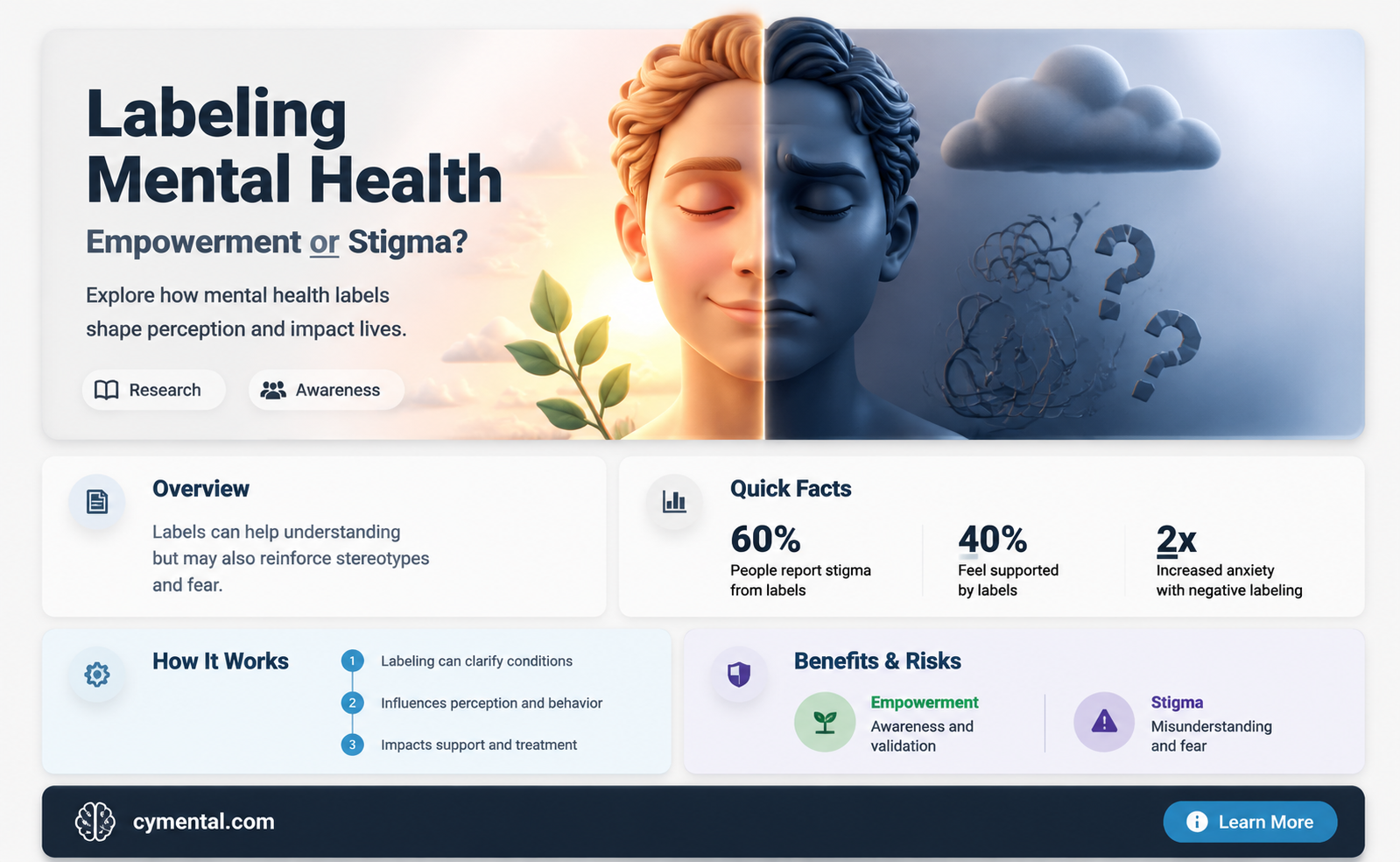
Labeling individuals with mental health disorders is a complex and controversial topic, as it can have both positive and negative impacts on their lives. On one hand, labels can provide a sense of validation, helping individuals understand their experiences and access appropriate treatment and support. For example, a diagnosis of depression or anxiety can guide therapy and medication options, fostering a sense of community and reducing feelings of isolation. However, labeling can also lead to stigma, discrimination, and self-limiting beliefs, potentially exacerbating symptoms and hindering recovery. Critics argue that labels may oversimplify complex experiences, reducing individuals to their diagnoses rather than recognizing their unique strengths and challenges. Ultimately, the impact of labeling depends on context, cultural attitudes, and individual perspectives, highlighting the need for a nuanced approach that balances the benefits of understanding and support with the risks of stigmatization and marginalization.
Explore related products


What You'll Learn
- Impact on Self-Perception: How labels shape individuals' views of themselves and their mental health
- Social Stigma Effects: Labeling's role in perpetuating or reducing societal stigma around mental disorders
- Access to Treatment: Whether labels facilitate or hinder access to appropriate mental health care
- Identity and Community: How labels can foster a sense of belonging or isolation in communities
- Professional vs. Self-Labeling: Differences in outcomes when labels come from professionals versus self-identification

Impact on Self-Perception: How labels shape individuals' views of themselves and their mental health
Labels can act as double-edged swords in the realm of mental health, significantly influencing how individuals perceive themselves. On one hand, a diagnosis can provide a framework for understanding previously confusing symptoms, offering a sense of validation and relief. For example, someone experiencing persistent sadness and fatigue might find solace in the label "depression," recognizing their struggles as part of a recognized condition rather than personal failings. This can foster self-compassion and motivate them to seek appropriate treatment.
A 2018 study published in the *Journal of Clinical Psychology* found that individuals who received a mental health diagnosis reported increased self-awareness and a greater sense of control over their symptoms.
However, the impact of labeling isn't universally positive. Negative stereotypes associated with certain diagnoses can lead to internalized stigma, where individuals adopt society's prejudiced views as their own. For instance, someone labeled with "schizophrenia" might internalize the media's portrayal of violence and unpredictability, leading to feelings of shame and worthlessness. This internalized stigma can erode self-esteem, discourage help-seeking behavior, and even exacerbate symptoms. A study in the *American Journal of Psychiatry* highlighted that individuals with severe mental illness who experienced high levels of self-stigma had poorer treatment adherence and recovery outcomes.
The language used in labeling also matters. Terms like "suffering from" or "victim of" can imply passivity and helplessness, reinforcing a sense of being defined solely by the diagnosis. Conversely, phrases like "living with" or "experiencing" emphasize the individual's agency and the possibility of managing the condition.
Ultimately, the impact of labeling on self-perception is complex and highly individualized. It depends on factors like the specific diagnosis, the individual's personality, their social support network, and the cultural context surrounding mental health. Mental health professionals play a crucial role in mitigating potential harm by providing accurate information, challenging stereotypes, and fostering a collaborative approach to understanding and managing the condition. Encouraging individuals to see their diagnosis as one aspect of their identity, rather than its entirety, is essential for promoting a positive and empowering self-perception.
Beyond Reach: Can Some Minds Resist Mental Health Treatment?
You may want to see also
Explore related products


Social Stigma Effects: Labeling's role in perpetuating or reducing societal stigma around mental disorders
Labels, when applied to mental health disorders, can act as a double-edged sword. On one hand, they provide a framework for understanding and communicating complex conditions, offering individuals a sense of validation and access to tailored support. For instance, a diagnosis of Generalized Anxiety Disorder (GAD) can help a person recognize their symptoms as part of a recognized condition, rather than a personal failing. This clarity often opens doors to evidence-based treatments, such as cognitive-behavioral therapy (CBT) or selective serotonin reuptake inhibitors (SSRIs), which are proven to reduce symptoms in 60–70% of GAD cases. However, the same label can inadvertently reinforce societal stigma, as it often reduces a person’s identity to their diagnosis, fostering stereotypes like "anxious people are unreliable" or "depressed individuals are lazy." This duality highlights the need to examine how labeling shapes societal perceptions and interactions.
Consider the language commonly used in media and casual conversation: phrases like "schizophrenic behavior" or "bipolar mood swings" often strip individuals of their humanity, emphasizing the disorder over the person. Such labeling perpetuates stigma by framing mental health conditions as defining traits rather than manageable aspects of a person’s life. Research shows that stigmatizing language increases social distance, with one study revealing that participants were 30% less likely to engage socially with someone labeled as "schizophrenic" compared to someone described as "a person with schizophrenia." This demonstrates how labels, when misused, can isolate individuals and limit their opportunities for connection and understanding.
Yet, labeling can also be a tool for destigmatization when approached thoughtfully. Person-first language, such as "individual with depression" instead of "depressed person," emphasizes humanity over diagnosis, fostering empathy and reducing prejudice. Campaigns like the National Alliance on Mental Illness (NAMI) have successfully used this approach to shift public perception, encouraging society to view mental health disorders as treatable conditions rather than moral failings. For example, the "Mental Illness Feels Like" initiative humanizes experiences by sharing relatable narratives, reducing fear and misunderstanding. When labels are paired with education and context, they can dismantle stereotypes and promote inclusivity.
To leverage labeling as a force for good, it’s essential to adopt a nuanced approach. First, prioritize person-first language in all contexts, from clinical settings to everyday conversations. Second, pair diagnoses with education, ensuring that labels are understood as tools for treatment rather than definitions of self-worth. For instance, a therapist might explain to a client, "This diagnosis of PTSD helps us understand your symptoms, but it doesn’t define who you are or what you’re capable of achieving." Third, advocate for media representation that portrays mental health disorders accurately and compassionately, challenging harmful stereotypes. By reframing how labels are used, society can move from stigmatization to support, ensuring that individuals feel seen, understood, and valued beyond their diagnosis.
Do I Need Professional Mental Health Support? Signs to Consider
You may want to see also
Explore related products


Access to Treatment: Whether labels facilitate or hinder access to appropriate mental health care
Labels in mental health can act as double-edged swords when it comes to accessing treatment. On one hand, a formal diagnosis provides a clear roadmap for clinicians, guiding them toward evidence-based interventions. For instance, a diagnosis of Major Depressive Disorder (MDD) signals the potential efficacy of selective serotonin reuptake inhibitors (SSRIs) like fluoxetine (10–20 mg/day) or cognitive-behavioral therapy (CBT), both of which have robust clinical backing. Without such a label, treatment might remain scattershot, relying on trial and error rather than targeted care. On the other hand, labels can pigeonhole individuals, limiting access to holistic or alternative treatments that fall outside diagnostic protocols. This tension highlights the need for labels to serve as starting points, not endpoints, in treatment planning.
Consider the case of a 25-year-old diagnosed with Generalized Anxiety Disorder (GAD). A label here can expedite access to first-line treatments like sertraline (50–200 mg/day) or mindfulness-based stress reduction (MBSR). However, if the label overshadows the individual’s unique experiences—such as trauma or socioeconomic stressors—treatment may fail to address root causes. Clinicians must balance the utility of labels with a nuanced understanding of the person behind the diagnosis. Practical tip: Patients should advocate for comprehensive assessments that incorporate biopsychosocial factors, ensuring labels enhance, rather than restrict, treatment options.
From a systemic perspective, labels often dictate insurance coverage and resource allocation, making them indispensable for accessing care. For example, a diagnosis of Bipolar I Disorder typically qualifies an individual for long-term mood stabilizers like lithium (600–1200 mg/day) or psychotherapy, which might otherwise be denied due to cost. Yet, this reliance on labels can exclude those with subthreshold symptoms or atypical presentations, who may not meet diagnostic criteria but still require support. Caution: Providers should remain vigilant for cases where rigid adherence to labels excludes viable treatment options, such as integrating art therapy or peer support programs for those labeled with "treatment-resistant" conditions.
Finally, the impact of labels on access varies across age groups and cultural contexts. For adolescents, a label like ADHD can unlock accommodations in school and access to stimulants like methylphenidate (10–60 mg/day), but it may also stigmatize them, deterring help-seeking behavior. In culturally diverse populations, labels rooted in Western diagnostic frameworks may misalign with indigenous or community-based healing practices, hindering rather than facilitating care. Takeaway: Labels should be culturally sensitive and age-appropriate, ensuring they bridge gaps rather than create them. For instance, clinicians working with Indigenous communities might integrate traditional healing practices alongside conventional treatments, using labels as tools for collaboration, not exclusion.
Should You Seek Mental Health Support? Signs and Guidance
You may want to see also
Explore related products





Identity and Community: How labels can foster a sense of belonging or isolation in communities
Labels, when applied to mental health disorders, can act as double-edged swords within communities. On one hand, they provide a shared language, allowing individuals to recognize their experiences in the stories of others. For instance, someone diagnosed with generalized anxiety disorder might find solace in online forums or support groups where members use this label to connect, share coping strategies, and validate each other’s struggles. This shared identity can foster a profound sense of belonging, transforming isolation into solidarity. On the other hand, labels can pigeonhole individuals, reducing complex human experiences to clinical terms that fail to capture individuality. A person labeled as "bipolar" might feel their entire identity is overshadowed by this diagnosis, leading to stigma or self-limitation within their community.
Consider the process of self-identification through labels as a tool for community building. For adolescents and young adults, who often grapple with identity formation, labels like "neurodivergent" or "ADHD" can serve as anchors in turbulent social waters. A 16-year-old discovering they are autistic might find acceptance and understanding in neurodivergent communities, where their unique communication style or sensory sensitivities are not just tolerated but celebrated. Here, labels act as gateways to belonging, offering a framework for self-acceptance and peer connection. However, this process requires caution: labels should be chosen or accepted voluntarily, not imposed, to avoid feelings of confinement or misrepresentation.
Contrastingly, the misuse or over-reliance on labels can deepen isolation. In communities where mental health labels are weaponized or misunderstood, individuals may retreat further into solitude. For example, a college student labeled as "depressed" might face assumptions from peers that they are perpetually unavailable or unmotivated, hindering genuine social connections. Similarly, in workplaces, employees with labeled conditions like PTSD might be inadvertently excluded from projects or social events due to colleagues’ misconceptions about their capabilities. This highlights the importance of education and nuance when applying labels within communal settings.
To navigate this terrain effectively, communities must adopt a balanced approach. First, encourage label literacy: educate members about the diversity of experiences within each diagnosis, avoiding monolithic assumptions. Second, promote self-labeling over external labeling, ensuring individuals feel empowered rather than defined by their diagnoses. For instance, a community workshop on mental health could include exercises where participants explore how they personally relate to labels, if at all. Third, foster environments where labels are starting points for dialogue, not endpoints. A support group might use diagnoses as icebreakers but then focus on shared goals, such as stress management or advocacy, to build deeper connections.
Ultimately, the impact of labels on identity and community hinges on context and intention. When wielded thoughtfully, they can illuminate pathways to belonging, offering individuals a sense of "me too" in a world that often feels alienating. Yet, when mishandled, they risk erecting walls where bridges are needed. The key lies in treating labels as tools for connection, not categories for division, ensuring they serve the humanity behind the diagnosis.
Hamsters as Emotional Support: Boosting Mental Health and Well-Being
You may want to see also
Explore related products


Professional vs. Self-Labeling: Differences in outcomes when labels come from professionals versus self-identification
Labels, when applied to mental health, can serve as both anchors and shackles. The source of these labels—whether from a professional or self-assigned—significantly influences their impact. Professional labeling, often rooted in diagnostic criteria, provides a structured framework for treatment. For instance, a diagnosis of Generalized Anxiety Disorder (GAD) from a licensed therapist can unlock access to evidence-based therapies like Cognitive Behavioral Therapy (CBT) and medications such as SSRIs, tailored to symptom severity. This external validation can also reduce self-blame, offering a biological or psychological explanation for distress. However, misdiagnosis or over-reliance on labels can lead to stigma or a fixed mindset, limiting perceived potential for recovery.
Self-labeling, in contrast, emerges from personal reflection and often precedes professional intervention. Identifying as "anxious" or "depressed" can be a first step toward seeking help, fostering a sense of agency. For example, a teenager recognizing their mood swings as symptoms of bipolar disorder might feel empowered to advocate for themselves. Yet, self-labeling without professional guidance risks inaccuracy, as lay understanding of mental health terms often oversimplifies complex conditions. A study in *Psychology Today* highlights that self-diagnosis can lead to unnecessary self-medication or avoidance of professional care, particularly in cases of self-labeling as having ADHD or PTSD.
The interplay between professional and self-labeling is critical. When aligned, they can create a synergistic effect. A person who self-identifies as having OCD and later receives a professional diagnosis may experience relief, validating their struggles while gaining access to ERP therapy. Conversely, misalignment—such as a professional diagnosis of borderline personality disorder conflicting with a self-perceived "quirky personality"—can foster distrust in the mental health system. This disconnect often stems from differing perspectives: professionals focus on pathology, while individuals prioritize personal narratives.
Practical strategies can bridge this gap. For instance, individuals can document symptoms over time using apps like Daylio or Moodpath, providing concrete data for professionals. Therapists, meanwhile, can incorporate narrative therapy techniques to honor self-perceptions while introducing clinical insights. A collaborative approach, where labels are seen as tools rather than identities, maximizes benefits. For example, a 30-year-old self-identifying as "burned out" might work with a therapist to explore whether this reflects adjustment disorder or clinical depression, tailoring interventions accordingly.
Ultimately, the value of labeling lies in its utility—whether it opens doors to support, fosters self-compassion, or guides treatment. Professional labels offer precision and access to resources, while self-labeling sparks self-awareness and initiative. Balancing both requires communication, flexibility, and a shared goal of improving well-being. As one clinician notes, "Labels are not destiny; they’re starting points." Whether assigned or self-chosen, they should serve as stepping stones, not endpoints, in the journey toward mental health.
Crying and Mental Health: Unlocking Emotional Release for Well-Being
You may want to see also
Frequently asked questions
Labeling can be a double-edged sword. On one hand, it provides a clear diagnosis, which can lead to appropriate treatment and support. On the other hand, it may lead to stigma, self-limitation, or discrimination, potentially hindering recovery. Context and how the label is used matter significantly.
Yes, labeling can empower individuals by giving them a framework to understand their experiences and seek appropriate resources. It can reduce feelings of isolation and provide a starting point for treatment, self-education, and community support.
Labeling can influence perceptions, sometimes positively by fostering empathy and understanding, but also negatively by reinforcing stereotypes or prejudice. Education and awareness are crucial to ensure labels are used constructively rather than as a basis for discrimination.