Caleb Wright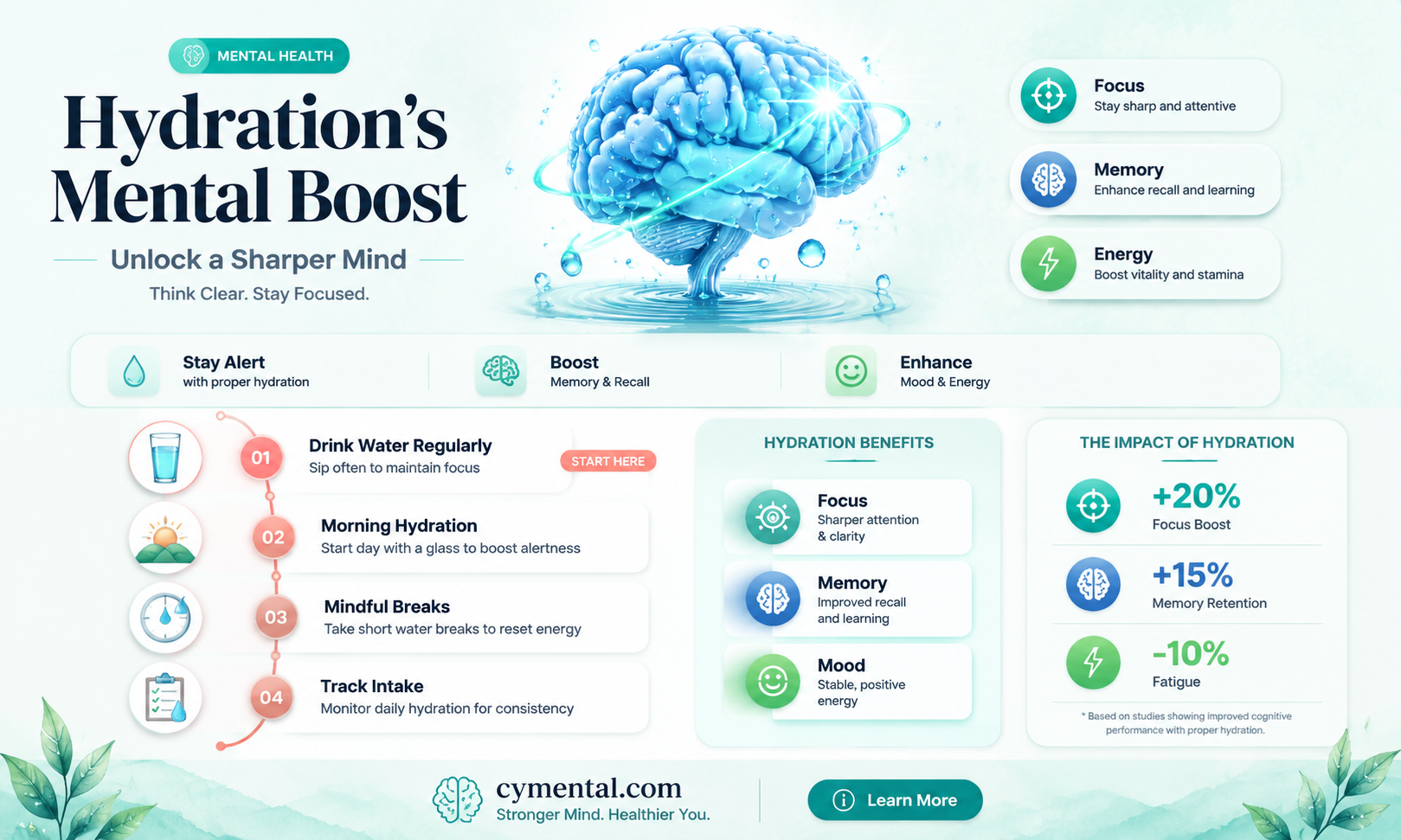
Hydration plays a crucial role in maintaining not only physical health but also mental well-being. The human brain is approximately 75% water, and even mild dehydration can impair cognitive functions such as concentration, alertness, and short-term memory. Studies have shown that staying adequately hydrated can enhance mood, reduce feelings of anxiety and fatigue, and improve overall mental clarity. Water is essential for the proper functioning of neurotransmitters and the regulation of hormones that influence stress and mood. Therefore, ensuring consistent hydration throughout the day may be a simple yet effective way to support mental health and cognitive performance.
| Characteristics | Values |
|---|---|
| Cognitive Performance | Proper hydration enhances short-term memory, attention, and cognitive flexibility. Dehydration (as little as 2% of body weight) can impair these functions. |
| Mood Regulation | Studies show dehydration increases fatigue, anxiety, and confusion, while adequate hydration improves mood and reduces stress. |
| Brain Structure and Function | Hydration supports cerebral blood flow and neurotransmitter production, crucial for optimal brain function. |
| Mental Clarity | Staying hydrated helps maintain focus, alertness, and mental clarity throughout the day. |
| Stress Reduction | Hydration aids in regulating cortisol levels, the body's primary stress hormone, promoting a calmer mental state. |
| Sleep Quality | Proper hydration supports the body's natural circadian rhythm, contributing to better sleep, which is essential for mental health. |
| Headache Prevention | Dehydration is a common trigger for headaches and migraines; staying hydrated can reduce their frequency and intensity. |
| Reaction Time | Hydration improves reaction time and decision-making abilities, particularly in physically or mentally demanding tasks. |
| Long-Term Brain Health | Chronic dehydration may contribute to cognitive decline over time, while consistent hydration supports long-term brain health. |
| Emotional Resilience | Adequate hydration helps regulate emotions and improves the ability to handle emotional challenges. |
Explore related products


What You'll Learn
- Hydration and Cognitive Function: Water's role in improving focus, memory, and decision-making abilities
- Mood Enhancement: How proper hydration can reduce stress, anxiety, and symptoms of depression
- Brain Energy: Adequate hydration supports neurotransmitter function and mental clarity
- Hydration and Sleep: Improved sleep quality through balanced hydration levels
- Mental Fatigue Reduction: Staying hydrated combats tiredness and boosts mental stamina

Hydration and Cognitive Function: Water's role in improving focus, memory, and decision-making abilities
The human brain is approximately 75% water, and even mild dehydration, as little as 1-2% of body weight, can impair cognitive performance. Studies show that dehydration can lead to reduced attention span, short-term memory issues, and increased feelings of anxiety and fatigue. For instance, a study published in the *Journal of Nutrition* found that young women who were just 1% dehydrated experienced headaches, difficulty concentrating, and mood alterations. This highlights the critical role hydration plays in maintaining optimal brain function.
To combat these effects, it’s essential to adopt a proactive hydration strategy. Adults should aim to drink at least 8 cups (64 ounces) of water daily, but individual needs vary based on factors like age, activity level, and climate. For example, older adults, who often have a diminished sense of thirst, should set reminders to drink water regularly, while athletes may require up to 128 ounces or more, especially during intense training. A practical tip is to carry a reusable water bottle and sip consistently throughout the day, rather than waiting until you feel thirsty, as thirst is a late indicator of dehydration.
Comparing hydrated and dehydrated states reveals striking differences in cognitive abilities. In a study from the *Journal of Applied Physiology*, participants who were well-hydrated performed significantly better on tasks requiring attention, memory, and problem-solving compared to those who were dehydrated. Hydration enhances blood flow to the brain, ensuring neurons receive adequate oxygen and nutrients, which are essential for focus and decision-making. Conversely, dehydration thickens the blood, reducing circulation and impairing cognitive processes. This underscores the importance of hydration not just for physical health, but for mental acuity as well.
Incorporating hydration into daily routines can be simple yet transformative. Start by drinking a glass of water first thing in the morning to replenish fluids lost overnight. Add hydrating foods like cucumbers, watermelon, and oranges to your diet, as they contribute to overall fluid intake. For those who struggle with plain water, infuse it with herbs, fruits, or a splash of citrus for flavor. Monitoring urine color is another effective method—a pale yellow hue indicates proper hydration, while dark yellow suggests the need to drink more. By prioritizing hydration, you can sharpen your focus, enhance memory retention, and improve decision-making abilities, ultimately boosting overall cognitive performance.
Reflexology and Mental Health: Unlocking Natural Stress Relief and Wellness
You may want to see also
Explore related products


Mood Enhancement: How proper hydration can reduce stress, anxiety, and symptoms of depression
Dehydration, even as mild as 1-2% of body weight, can impair cognitive function and mood. Studies show that individuals who are mildly dehydrated report higher levels of anxiety, fatigue, and difficulty concentrating. Conversely, maintaining optimal hydration levels has been linked to improved emotional regulation and reduced stress. The brain, which is approximately 75% water, relies on proper hydration to function efficiently. When dehydrated, the body produces higher levels of cortisol, the stress hormone, exacerbating feelings of tension and anxiety. Ensuring consistent fluid intake throughout the day—aiming for 2-3 liters of water for adults—can help stabilize mood and cognitive performance.
Consider the physiological mechanisms at play. Water is essential for the production of neurotransmitters like serotonin and dopamine, which regulate mood and pleasure. Dehydration disrupts this process, potentially leading to symptoms of depression and anxiety. For instance, a study published in *Physiology & Behavior* found that participants who increased their water intake reported significant improvements in calmness and contentment within just one week. Practical tips include carrying a reusable water bottle, setting hydration reminders, and incorporating water-rich foods like cucumbers, watermelon, and oranges into your diet. For those who struggle with plain water, adding slices of lemon or herbal tea can make hydration more appealing.
Age and activity level play a critical role in hydration needs. Older adults, for example, may have a diminished sense of thirst, making them more susceptible to dehydration and its mood-related consequences. Athletes or individuals engaging in physical labor require additional fluids to compensate for water loss through sweat. A general rule of thumb is to drink 8 ounces of water every 15-20 minutes during exercise, with an additional 16-24 ounces for every pound lost post-activity. For sedentary adults, monitoring urine color is a simple yet effective method—pale yellow indicates proper hydration, while dark yellow suggests the need for more fluids.
The link between hydration and mental health extends to sleep quality, a critical factor in managing stress and anxiety. Dehydration can disrupt sleep patterns, leading to irritability and heightened stress levels. A study in *Sleep Medicine* revealed that participants who were well-hydrated experienced deeper, more restorative sleep compared to those who were dehydrated. To optimize hydration for better sleep, avoid excessive fluid intake close to bedtime to prevent nighttime awakenings, but ensure you’re adequately hydrated throughout the day. Herbal teas like chamomile can also promote relaxation while contributing to fluid intake.
Finally, integrating hydration into a holistic mental health strategy can yield significant benefits. Pairing consistent water intake with mindfulness practices, such as deep breathing or meditation, can amplify stress reduction. For individuals experiencing symptoms of depression or anxiety, tracking hydration levels alongside mood in a journal can provide valuable insights into the relationship between the two. While hydration alone is not a cure-all, it is a simple, accessible tool that can complement other mental health interventions. Start small—replace one sugary beverage with water daily—and gradually build habits that support both physical and emotional well-being.
Addressing Youth Mental Health: Strategies for Enhanced Support and Prevention
You may want to see also
Explore related products


Brain Energy: Adequate hydration supports neurotransmitter function and mental clarity
Water is the unsung hero of cognitive function. Our brains are roughly 75% water, and even mild dehydration (as little as 2% of body weight) can impair attention, memory, and mood. This isn't just about feeling thirsty; it's about the intricate dance of neurotransmitters, the brain's chemical messengers, which rely on a well-hydrated environment to function optimally.
Glutamate, for instance, the brain's primary excitatory neurotransmitter, requires water to effectively transmit signals between neurons. Similarly, GABA, the calming counterpart, depends on proper hydration for its inhibitory role. Think of dehydration as a traffic jam in your brain's communication network, slowing down information processing and leaving you feeling foggy and sluggish.
Imagine your brain as a high-performance sports car. Just as premium fuel is essential for peak engine performance, adequate hydration is crucial for optimal brain function. Studies show that even mild dehydration can lead to decreased alertness, impaired short-term memory, and reduced cognitive performance. A 2011 study published in the *Journal of Nutrition* found that women who were just 1% dehydrated experienced headaches, fatigue, and difficulty concentrating.
So, how much water do you need to keep your brain firing on all cylinders? The old "8 glasses a day" rule is a good starting point, but individual needs vary based on factors like activity level, climate, and overall health. A more personalized approach is to aim for pale yellow urine, a sign of adequate hydration. Remember, thirst is a late indicator of dehydration, so don't wait until you're parched to reach for a glass of water. Carry a reusable water bottle, set reminders on your phone, or infuse your water with fruits or herbs to make hydration a more enjoyable habit.
Incorporating hydration-rich foods into your diet is another smart strategy. Watermelon, cucumbers, strawberries, and yogurt are all excellent sources of water. Additionally, limiting diuretic beverages like coffee and alcohol, which can contribute to dehydration, is crucial for maintaining optimal brain energy. By prioritizing hydration, you're not just quenching your thirst; you're fueling your brain for peak performance, ensuring clarity of thought, enhanced focus, and a sharper mind.
Transgender Surgery: Impact on Mental Health and Well-Being Explored
You may want to see also
Explore related products


Hydration and Sleep: Improved sleep quality through balanced hydration levels
Proper hydration is a cornerstone of overall health, yet its impact on sleep quality often goes unnoticed. The body’s hydration status directly influences sleep-regulating processes, such as core temperature regulation and hormone production. Dehydration can disrupt these mechanisms, leading to fragmented sleep or difficulty falling asleep. For instance, even mild dehydration (as little as 1-2% of body weight) has been shown to increase cortisol levels, a stress hormone that can interfere with sleep onset. Conversely, maintaining balanced hydration supports the body’s natural circadian rhythm, promoting deeper, more restorative sleep cycles.
To optimize sleep through hydration, timing and quantity matter. Aim to drink 8-10 ounces of water 1-2 hours before bed to ensure hydration without causing midnight trips to the bathroom. However, avoid excessive fluid intake close to bedtime, as this can lead to sleep disruptions. For adults, the general guideline is to consume at least 8 cups (64 ounces) of water daily, but individual needs vary based on factors like age, activity level, and climate. Older adults, in particular, should be mindful of hydration, as the thirst mechanism can diminish with age, increasing the risk of dehydration and sleep disturbances.
A comparative analysis of hydration habits reveals that those who prioritize consistent water intake throughout the day experience fewer sleep-related issues. For example, a study published in *Sleep Medicine* found that participants who maintained optimal hydration levels reported improved sleep quality and reduced nighttime awakenings compared to those who were dehydrated. This highlights the importance of viewing hydration as a day-long practice rather than a single bedtime ritual. Incorporating hydrating foods like cucumbers, watermelon, and oranges into meals can also contribute to overall fluid balance.
Practical tips for integrating hydration into your sleep routine include keeping a water bottle nearby as a visual reminder and using a hydration tracking app to monitor daily intake. For those who struggle with plain water, herbal teas or infused water with fruits and herbs can be a soothing alternative. However, caution should be exercised with caffeinated or sugary beverages, as they can counteract hydration efforts and disrupt sleep. By aligning hydration habits with sleep goals, individuals can create a synergistic approach to mental and physical well-being.
In conclusion, balanced hydration is a simple yet powerful tool for enhancing sleep quality. By understanding the interplay between fluid intake and sleep regulation, individuals can make informed choices to support their mental health. Small, consistent adjustments to hydration habits—such as timing water intake and incorporating hydrating foods—can yield significant improvements in sleep patterns. Prioritizing hydration not only benefits sleep but also contributes to overall cognitive function, making it a vital component of a holistic mental wellness strategy.
IQ Tests and Mental Health: Diagnostic Tool or Misleading Measure?
You may want to see also
Explore related products


Mental Fatigue Reduction: Staying hydrated combats tiredness and boosts mental stamina
Dehydration, even as mild as 2%, impairs cognitive performance, including attention, memory, and mood. Studies show that dehydration can lead to headaches, fatigue, and difficulty concentrating, mimicking symptoms of mental exhaustion. Conversely, maintaining optimal hydration levels—approximately 3.7 liters for men and 2.7 liters for women daily, including water from foods—supports brain function by ensuring efficient nutrient delivery and waste removal. For those in demanding mental tasks, such as students or professionals, monitoring hydration becomes critical to sustaining focus and stamina throughout the day.
To combat mental fatigue through hydration, start by establishing a consistent drinking routine. Carry a reusable water bottle as a visual reminder, and set hourly alarms to sip water, especially during intense cognitive activities. Incorporate hydrating foods like cucumbers, watermelon, and oranges into meals, which contribute about 20% to daily fluid intake. For those who struggle with plain water, infuse it with mint, lemon, or berries to enhance flavor without added sugars. Athletes or individuals in hot climates should aim for an additional 1-2 cups of water per hour of activity to offset fluid loss and maintain mental clarity.
A comparative analysis reveals that hydrated individuals outperform their dehydrated counterparts in tasks requiring sustained attention and problem-solving. For example, a study published in the *Journal of Nutrition* found that hydrated participants completed cognitive tests 14% faster than those mildly dehydrated. Similarly, a workplace study showed that employees who drank water regularly reported 25% fewer instances of afternoon fatigue and improved productivity. These findings underscore the direct link between hydration and mental stamina, making it a simple yet powerful tool for reducing mental fatigue.
While hydration is essential, overhydration can be counterproductive, diluting electrolytes and impairing brain function. Balance fluid intake with electrolyte-rich beverages like coconut water or sports drinks, especially after prolonged mental exertion. For older adults, who may have a diminished thirst response, caregivers should monitor fluid intake to prevent dehydration-induced cognitive decline. Pregnant women and breastfeeding mothers should aim for 10-13 cups of fluids daily to support both physical and mental health. By tailoring hydration strategies to individual needs, anyone can harness its benefits to combat mental fatigue effectively.
Mental Health Courts: Reducing Recidivism Through Supportive Justice Approaches
You may want to see also
Frequently asked questions
Yes, hydration helps maintain cognitive function, including focus, memory, and decision-making, as dehydration can impair these processes.
Proper hydration supports the balance of stress hormones and neurotransmitters, potentially reducing feelings of stress and anxiety.
Dehydration can lead to irritability, fatigue, and mood swings, while staying hydrated helps stabilize mood and energy levels.
Yes, adequate hydration supports overall brain function, which can improve sleep quality and positively influence mental health.
Aim for 8–10 cups (about 2–2.5 liters) of water daily, but individual needs vary based on activity level, climate, and health conditions.