Harper Lewis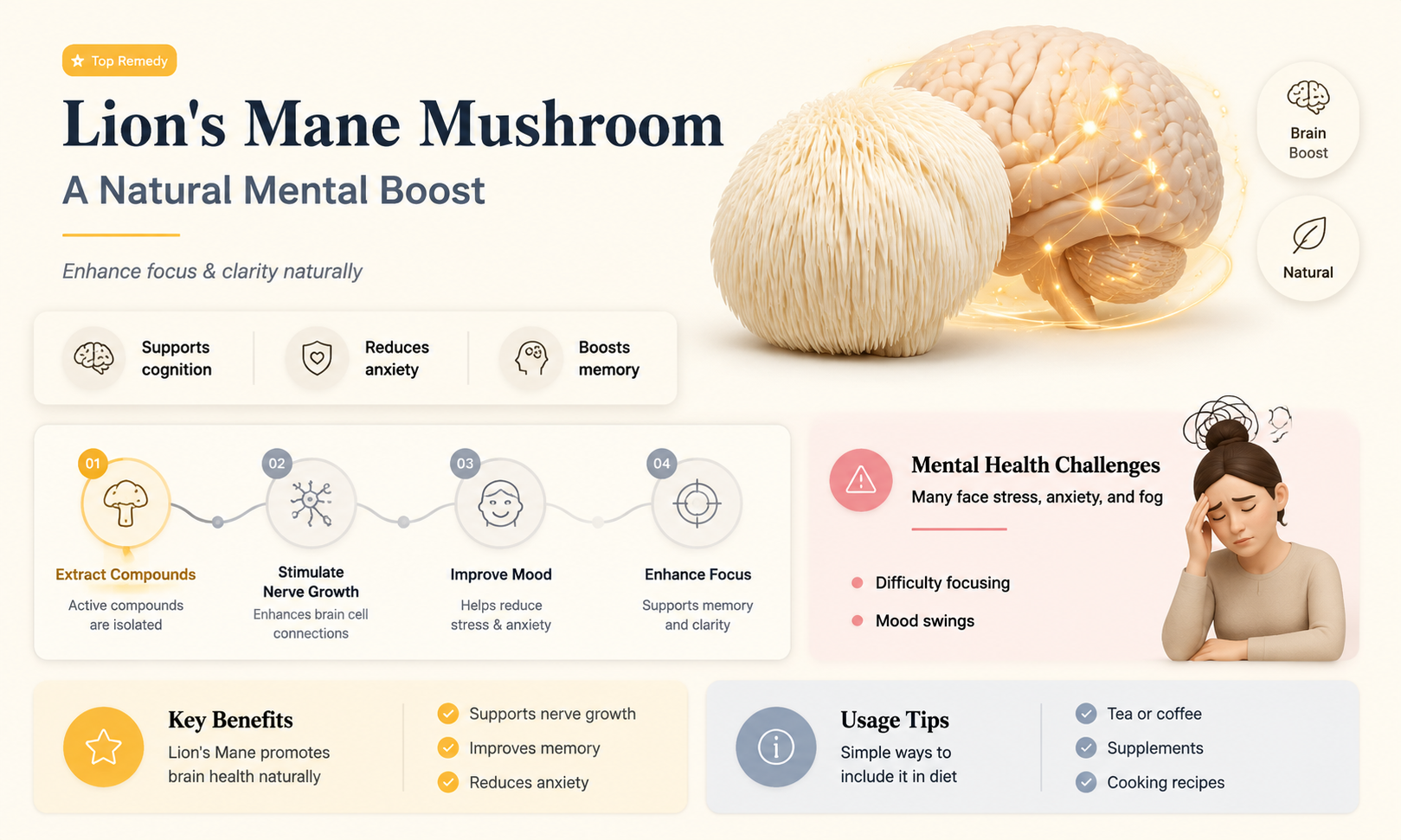
Lion's Mane mushroom (*Hericium erinaceus*) has gained attention in recent years for its potential therapeutic effects on mental health. Rich in bioactive compounds like hericenones and erinacines, this fungus is believed to stimulate nerve growth factor (NGF), which may support brain health and cognitive function. Anecdotal evidence and preliminary studies suggest that Lion's Mane could help alleviate symptoms of anxiety, depression, and cognitive decline, possibly due to its neuroprotective and anti-inflammatory properties. However, while the findings are promising, more rigorous clinical research is needed to fully understand its efficacy and safety in treating mental illnesses. As interest grows, Lion's Mane remains a fascinating subject in the intersection of natural remedies and mental health care.
| Characteristics | Values |
|---|---|
| Neurogenesis | Lion's Mane mushroom (Hericium erinaceus) has been shown to stimulate nerve growth factor (NGF) synthesis, promoting neurogenesis and potentially aiding in the repair of damaged neurons. This may have implications for mental health conditions like depression and anxiety. |
| Anti-inflammatory Effects | Chronic inflammation is linked to various mental illnesses. Lion's Mane exhibits anti-inflammatory properties, which may help reduce inflammation in the brain and alleviate symptoms of depression, anxiety, and cognitive decline. |
| Antioxidant Activity | Oxidative stress contributes to the development of mental health disorders. Lion's Mane contains antioxidants that neutralize free radicals, protecting brain cells from damage and potentially improving mental well-being. |
| Anxiolytic Effects | Studies suggest that Lion's Mane may have anxiolytic (anti-anxiety) properties, reducing symptoms of anxiety and promoting relaxation. |
| Cognitive Enhancement | Lion's Mane has been shown to improve cognitive function, including memory, focus, and concentration. This may be beneficial for individuals with cognitive impairments related to mental illness. |
| Mood Regulation | Some research indicates that Lion's Mane may help regulate mood by modulating neurotransmitter levels, such as serotonin and dopamine, which play a crucial role in mood disorders like depression. |
| Neuroprotective Effects | Lion's Mane exhibits neuroprotective properties, safeguarding brain cells from damage caused by factors like oxidative stress and inflammation. This may help prevent or slow the progression of mental health disorders. |
| Depression Relief | Preliminary studies suggest that Lion's Mane may have antidepressant effects, potentially alleviating symptoms of depression by promoting neurogenesis and modulating neurotransmitter levels. |
| ADHD Symptom Improvement | Limited research suggests that Lion's Mane may help improve symptoms of attention-deficit/hyperactivity disorder (ADHD), such as inattention and hyperactivity. |
| Safety and Tolerability | Lion's Mane is generally considered safe for consumption, with few reported side effects. However, more research is needed to establish its long-term safety and efficacy in treating mental illness. |
| Dosage and Administration | Optimal dosage and administration methods for Lion's Mane in mental health treatment are not yet established. Consult a healthcare professional before using Lion's Mane as a supplement. |
| Research Status | While preliminary research is promising, more large-scale, well-designed studies are needed to confirm the efficacy of Lion's Mane in treating mental illness and to establish optimal dosing and administration guidelines. |
Explore related products


What You'll Learn
- Lion's Mane and Depression: Potential effects on mood and depressive symptoms
- Anxiety Reduction: Studies on Lion's Mane's impact on anxiety disorders
- Neuroprotective Properties: How it may support brain health in mental illness
- Cognitive Enhancement: Role in improving focus and memory in mental health
- Stress Relief: Lion's Mane's ability to reduce stress-related mental symptoms

Lion's Mane and Depression: Potential effects on mood and depressive symptoms
Depression, a pervasive mental health condition, affects millions globally, often leaving individuals searching for complementary treatments to alleviate symptoms. Lion's Mane mushroom (Hericium erinaceus) has emerged as a potential natural remedy, with preliminary research suggesting it may influence mood and cognitive function. Studies indicate that Lion's Mane contains bioactive compounds like hericenones and erinacines, which stimulate nerve growth factor (NGF) synthesis. This neurotrophic factor plays a crucial role in neuronal health and plasticity, areas often compromised in depressive disorders. While human trials remain limited, animal studies show promising results, with subjects exhibiting reduced depressive behaviors after Lion's Mane supplementation.
To explore Lion's Mane as a mood enhancer, consider its potential mechanisms. The mushroom’s ability to promote neurogenesis—the formation of new neurons—may counteract the brain atrophy sometimes observed in depression. Additionally, its anti-inflammatory properties could mitigate systemic inflammation, a known contributor to depressive symptoms. For practical application, a typical dosage ranges from 500 to 3,000 mg daily, often divided into two doses. Capsules, powders, or tinctures are common forms, with powders easily incorporated into smoothies or teas. Consistency is key; effects may take weeks to manifest, so patience is essential.
However, integrating Lion's Mane into a mental health regimen requires caution. While generally safe, some individuals report mild digestive discomfort. Those with mushroom allergies should avoid it entirely. Moreover, Lion's Mane is not a standalone treatment for depression. It should complement, not replace, evidence-based therapies like medication or psychotherapy. Consultation with a healthcare provider is crucial, especially for individuals on antidepressants, to avoid potential interactions. Pregnant or breastfeeding women and children should exercise caution, as research in these populations is scarce.
Comparatively, Lion's Mane stands out among natural remedies for its dual focus on cognitive and emotional well-being. Unlike St. John’s Wort, which primarily targets serotonin levels, Lion's Mane addresses underlying neural health. Its holistic approach aligns with the growing interest in neuroplasticity-focused treatments for mental health. For those seeking a natural adjunct to traditional care, Lion's Mane offers a unique, science-backed option. However, its efficacy in humans remains an area ripe for further investigation, emphasizing the need for larger clinical trials.
Incorporating Lion's Mane into daily routines can be straightforward. Start with a lower dose (500 mg) to assess tolerance, gradually increasing as needed. Pairing supplementation with lifestyle changes—such as regular exercise, a balanced diet, and stress management—maximizes potential benefits. Keep a mood journal to track changes over time, providing insight into its effectiveness. While not a cure-all, Lion's Mane represents a promising tool in the multifaceted approach to managing depression, blending ancient wisdom with modern neuroscience.
Personal Training: A Powerful Tool for Mental Health Improvement
You may want to see also
Explore related products




Anxiety Reduction: Studies on Lion's Mane's impact on anxiety disorders
Lion's Mane mushroom (Hericium erinaceus) has emerged as a promising natural remedy for anxiety disorders, with studies suggesting its potential to modulate neurotransmitters and promote neuroplasticity. A 2018 animal study published in the *International Journal of Medicinal Mushrooms* found that Lion's Mane extract significantly reduced anxiety-like behaviors in mice, likely by enhancing nerve growth factor (NGF) levels, which play a critical role in brain health. While human trials are limited, these findings lay the groundwork for understanding how Lion's Mane may alleviate anxiety symptoms.
To harness Lion's Mane for anxiety reduction, consider incorporating it into your daily routine in supplement form. Dosages typically range from 500 to 3,000 mg per day, often divided into two doses. Capsules or powdered extracts are convenient options, but ensure the product is sourced from reputable manufacturers to guarantee purity and potency. Pairing Lion's Mane with a balanced diet rich in omega-3 fatty acids and magnesium can further support its anxiolytic effects, as these nutrients synergistically promote brain health.
One practical tip for maximizing Lion's Mane's benefits is to combine it with mindfulness practices like meditation or deep breathing exercises. Studies suggest that Lion's Mane may enhance cognitive function, making it easier to focus during mindfulness activities. For instance, taking a 1,000 mg dose 30 minutes before meditation could potentially amplify its calming effects. However, individual responses vary, so start with a lower dose and gradually increase as tolerated.
While Lion's Mane shows promise, it’s essential to approach its use with caution, especially for individuals on medication or with pre-existing health conditions. Consult a healthcare provider before starting any new supplement regimen, as Lion's Mane may interact with blood thinners or diabetes medications. Additionally, pregnant or breastfeeding women should avoid it due to insufficient safety data. Despite these precautions, Lion's Mane remains a compelling, natural option for those seeking to manage anxiety through evidence-based, holistic approaches.
Gender and Mental Health: Who Seeks More Support, Men or Women?
You may want to see also
Explore related products




Neuroprotective Properties: How it may support brain health in mental illness
Lion's Mane mushroom, scientifically known as *Hericium erinaceus*, has gained attention for its potential neuroprotective properties, which may offer support for brain health in the context of mental illness. Research suggests that its bioactive compounds, such as hericenones and erinacines, stimulate the production of nerve growth factor (NGF), a protein crucial for neuron survival and function. This mechanism could be particularly beneficial for conditions like depression and anxiety, where neuronal atrophy or reduced neuroplasticity often play a role. For instance, a 2019 study published in *International Journal of Medicinal Mushrooms* found that Lion's Mane supplementation improved cognitive function and reduced symptoms of anxiety and depression in participants.
To harness these benefits, incorporating Lion's Mane into a daily routine requires careful consideration of dosage and form. Typically, a dose of 500–3,000 mg per day, divided into two servings, is recommended for adults. Capsules or powdered extracts are convenient options, but culinary use—such as adding dried Lion's Mane to soups or teas—can also be effective. However, consistency is key; neuroprotective effects are often observed after 4–8 weeks of regular use. It’s advisable to start with a lower dose to assess tolerance, especially for individuals with sensitivities or those taking medications.
While Lion's Mane shows promise, its role in mental health should complement, not replace, conventional treatments. For example, individuals with severe depression or bipolar disorder should consult a healthcare provider before integrating it into their regimen. Additionally, combining Lion's Mane with lifestyle practices like mindfulness, regular exercise, and a balanced diet may enhance its neuroprotective effects. Studies suggest that its anti-inflammatory and antioxidant properties could further support brain health by reducing oxidative stress, a common factor in mental illness.
A comparative analysis highlights Lion's Mane’s unique advantage over other nootropics: its ability to promote both neurogenesis and myelin repair. Unlike synthetic supplements, it offers a natural, holistic approach with minimal side effects. However, its efficacy varies among individuals, and more clinical trials are needed to establish standardized protocols. For those exploring natural remedies, Lion's Mane stands out as a promising candidate, particularly for its potential to address the neurological underpinnings of mental illness. Practical tips include pairing it with vitamin B12 or omega-3 fatty acids, which synergistically support brain function, and monitoring progress through mood journals or cognitive assessments.
Effective Strategies to Help Others: A Comprehensive Guide to Support
You may want to see also
Explore related products


Cognitive Enhancement: Role in improving focus and memory in mental health
Lion's Mane mushroom, scientifically known as *Hericium erinaceus*, has gained attention for its potential to enhance cognitive function, particularly in improving focus and memory—areas often compromised in mental health conditions like depression, anxiety, and ADHD. Studies suggest that its bioactive compounds, such as hericenones and erinacines, stimulate nerve growth factor (NGF), a protein essential for neuron health and regeneration. This neuroprotective effect positions Lion's Mane as a promising natural supplement for cognitive enhancement, especially in populations struggling with mental clarity and retention.
To harness its benefits, consider incorporating Lion's Mane into your daily routine in a structured manner. Start with a dosage of 500–1,000 mg per day, either in capsule or powdered form, and gradually increase based on tolerance. For optimal absorption, pair it with a meal containing healthy fats, as its compounds are fat-soluble. Consistency is key; noticeable improvements in focus and memory may take 4–6 weeks. For those over 50 or with pre-existing cognitive concerns, consulting a healthcare provider is advisable to tailor dosage and monitor effects.
A comparative analysis highlights Lion's Mane's edge over synthetic cognitive enhancers. Unlike stimulants like caffeine or prescription drugs, it lacks the side effects of jitters, insomnia, or dependency. Its mechanism of promoting neural growth rather than merely boosting neurotransmitters offers a sustainable, long-term solution for cognitive health. However, it’s not a quick fix—its benefits are cumulative, requiring patience and adherence to a regimen.
Practical tips for integration include combining Lion's Mane with mindfulness practices like meditation or journaling to amplify focus. For memory retention, pair supplementation with mnemonic techniques or spaced repetition learning. Avoid excessive multitasking while taking it, as its effects are most pronounced in focused, intentional tasks. For younger adults (18–35), it can support productivity and learning, while older adults may find it beneficial for age-related cognitive decline.
In conclusion, Lion's Mane offers a natural, neuroprotective approach to cognitive enhancement, particularly in improving focus and memory—critical aspects of mental health. By understanding its mechanisms, adhering to proper dosages, and combining it with cognitive strategies, individuals can unlock its potential to support mental clarity and resilience. As research evolves, its role in mental health treatment may become even more defined, offering hope for those seeking holistic cognitive support.
B12 and Mental Health: Unlocking the Connection for Better Well-Being
You may want to see also
Explore related products


Stress Relief: Lion's Mane's ability to reduce stress-related mental symptoms
Stress, an omnipresent adversary in modern life, often manifests as anxiety, depression, and cognitive fog. Lion’s Mane mushroom (Hericium erinaceus) emerges as a natural ally in this battle, with studies suggesting its ability to modulate stress-related mental symptoms. Research indicates that Lion’s Mane contains bioactive compounds like hericenones and erinacines, which stimulate nerve growth factor (NGF) production. This neurotrophic factor plays a pivotal role in neuronal health, potentially mitigating the brain’s response to chronic stress. A 2018 study published in the *International Journal of Medicinal Mushrooms* found that participants who consumed Lion’s Mane extract reported reduced anxiety and improved sleep quality, both of which are often disrupted by stress.
To harness Lion’s Mane for stress relief, consider incorporating it into your daily routine. Start with a dosage of 500–1,000 mg of Lion’s Mane extract per day, preferably in the morning or early afternoon to avoid potential sleep disturbances. Capsules, powders, or tinctures are convenient options, though powders can be blended into smoothies or coffee for seamless integration. For those over 18, consistency is key; allow 2–4 weeks to notice subtle improvements in mood and stress resilience. Pairing Lion’s Mane with mindfulness practices, such as meditation or deep breathing, can amplify its calming effects.
While Lion’s Mane shows promise, it’s not a standalone solution for severe stress or mental health disorders. Its efficacy lies in its supportive role, particularly for mild to moderate stress-related symptoms. Caution is advised for individuals with mushroom allergies or those on blood-thinning medications, as Lion’s Mane may interact with these drugs. Pregnant or breastfeeding women should consult a healthcare provider before use, as research in these populations remains limited.
Comparatively, Lion’s Mane stands out from other adaptogens like ashwagandha or rhodiola due to its unique neuroprotective properties. While adaptogens generally regulate the body’s stress response, Lion’s Mane specifically targets neuronal health, potentially offering long-term cognitive benefits alongside immediate stress relief. This makes it a valuable addition to holistic mental wellness regimens, particularly for those seeking to address both stress and cognitive decline.
Incorporating Lion’s Mane into your stress management toolkit requires patience and awareness. Track your symptoms over time using a journal to identify patterns and measure progress. Combine it with lifestyle adjustments—adequate sleep, regular exercise, and a balanced diet—for optimal results. While not a cure-all, Lion’s Mane’s ability to reduce stress-related mental symptoms positions it as a worthy natural supplement in the pursuit of mental clarity and emotional balance.
Summer Programs: A Lifeline for Mental Health and Suicide Prevention?
You may want to see also
Frequently asked questions
Lion's Mane has shown potential in reducing symptoms of depression in some studies, possibly due to its neuroprotective and anti-inflammatory properties, though more research is needed for definitive conclusions.
Preliminary research suggests Lion's Mane may help reduce anxiety by promoting nerve growth and regulating neurotransmitters, but clinical evidence is still limited.
While Lion's Mane is believed to support cognitive function and focus, there is insufficient scientific evidence to confirm its effectiveness specifically for ADHD or attention disorders.
Animal studies indicate Lion's Mane may slow cognitive decline and protect against neurodegenerative diseases, but human trials are needed to establish its efficacy for conditions like Alzheimer's.