Madison Cole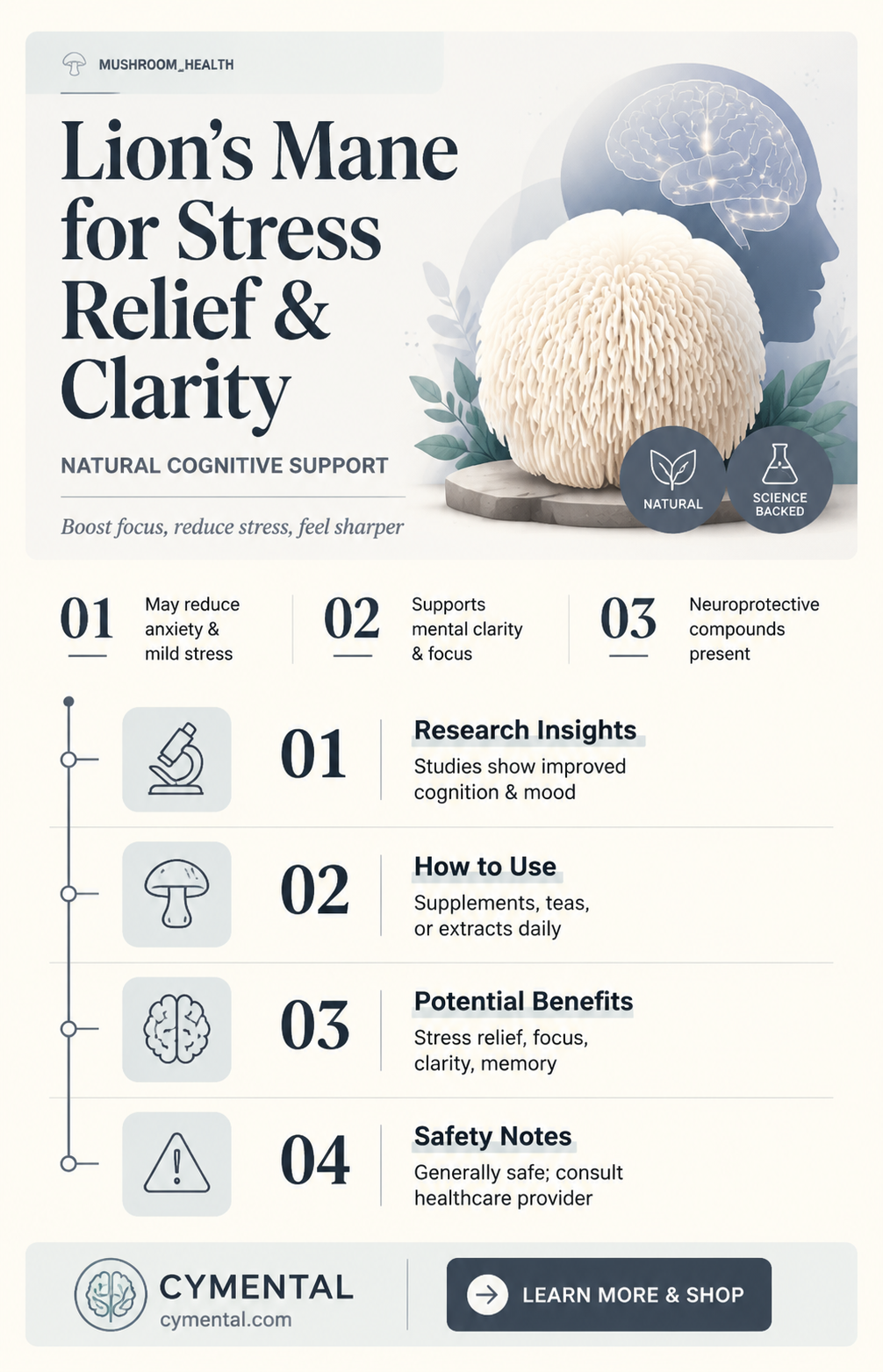
Lion's Mane mushroom, a unique and fascinating fungus known for its distinctive appearance, has gained significant attention in recent years for its potential cognitive and mental health benefits. As people increasingly seek natural remedies to combat stress and enhance mental clarity, Lion's Mane has emerged as a promising candidate. Rich in bioactive compounds such as hericenones and erinacines, this mushroom is believed to stimulate nerve growth factor (NGF) synthesis, which may support brain health and improve cognitive function. Additionally, its adaptogenic properties suggest it could help the body manage stress more effectively. With growing interest in holistic wellness, exploring whether Lion's Mane truly aids in reducing stress and enhancing mental clarity has become a topic of both scientific inquiry and popular curiosity.
Explore related products


What You'll Learn

Lion's Mane and Neurogenesis
Neurogenesis, the process of generating new neurons in the brain, is a fascinating area of study, and Lion's Mane mushroom (Hericium erinaceus) has emerged as a potential natural enhancer of this process. Research suggests that Lion's Mane contains bioactive compounds, such as hericenones and erinacines, which stimulate the production of nerve growth factor (NGF). NGF is a protein essential for the growth, maintenance, and survival of neurons, particularly in the brain’s hippocampus, a region critical for memory and learning. Studies in animals have shown that Lion's Mane supplementation increases NGF levels, leading to improved cognitive function and potentially mitigating age-related cognitive decline. For individuals seeking to support mental clarity and stress resilience, this neurogenic effect could be a game-changer.
To harness Lion's Mane’s neurogenic benefits, dosage and consistency are key. Clinical studies often use doses ranging from 500 mg to 3,000 mg per day, typically divided into two or three servings. For instance, a common regimen might involve 1,000 mg in the morning and another 1,000 mg in the evening. It’s important to start with a lower dose to assess tolerance, especially for those new to adaptogenic supplements. Lion's Mane is available in various forms, including capsules, powders, and tinctures, making it easy to incorporate into daily routines. Pairing it with a source of healthy fats, like coconut oil or avocado, can enhance absorption, as the bioactive compounds are fat-soluble.
While Lion's Mane shows promise for neurogenesis, it’s not a standalone solution for stress or mental clarity. Its effects are most pronounced when combined with a holistic approach to brain health. Regular physical activity, adequate sleep, and a diet rich in omega-3 fatty acids, antioxidants, and other neuroprotective nutrients amplify its benefits. For example, combining Lion's Mane with activities like meditation or mindfulness practices can create a synergistic effect, as both promote neural plasticity and stress reduction. However, individuals with allergies to mushrooms or those on blood-thinning medications should exercise caution, as Lion's Mane may interact with these conditions.
One practical tip for maximizing Lion's Mane’s neurogenic potential is to incorporate it into a morning routine. Taking it alongside breakfast can help kickstart cognitive function for the day. For those who prefer a more creative approach, blending Lion's Mane powder into a smoothie with ingredients like blueberries, spinach, and flaxseeds provides a brain-boosting meal. Over time, users may notice improvements in focus, memory, and overall mental resilience, particularly in high-stress environments. While individual results vary, consistent use over 4–8 weeks is often recommended to observe noticeable effects.
In conclusion, Lion's Mane’s role in promoting neurogenesis offers a compelling natural strategy for enhancing mental clarity and stress resilience. By understanding its mechanisms, optimizing dosage, and integrating it into a broader lifestyle approach, individuals can unlock its full potential. As research continues to evolve, Lion's Mane stands out as a promising tool for those seeking to nurture their brain health in an increasingly demanding world.
Do Mental Hospitals Truly Aid Recovery and Healing?
You may want to see also
Explore related products


Impact on Stress Hormones
Stress hormones, particularly cortisol, play a pivotal role in how our bodies respond to pressure and anxiety. Lion’s Mane mushroom has been studied for its potential to modulate these hormones, offering a natural approach to stress management. Research suggests that its bioactive compounds, such as hericenones and erinacines, may influence the hypothalamic-pituitary-adrenal (HPA) axis, the body’s central stress response system. By regulating cortisol levels, Lion’s Mane could help reduce the physiological effects of chronic stress, including fatigue, mood swings, and cognitive fog.
To harness these benefits, consider incorporating Lion’s Mane into your daily routine. Start with a dosage of 500–1,000 mg per day, either in capsule or powdered form. For optimal absorption, pair it with a meal containing healthy fats, such as avocado or nuts. While studies often focus on adults aged 18–65, anecdotal evidence suggests it may benefit older adults as well. However, consult a healthcare provider if you’re pregnant, nursing, or on medication, as interactions are not fully understood.
A comparative analysis of Lion’s Mane versus traditional stress-relief methods highlights its unique advantages. Unlike synthetic adaptogens or pharmaceuticals, Lion’s Mane addresses stress at the hormonal level without the risk of dependency or severe side effects. Its dual action—reducing cortisol while promoting neurogenesis—sets it apart from single-function supplements. For instance, while ashwagandha primarily lowers cortisol, Lion’’s Mane also enhances mental clarity, making it a versatile option for those juggling stress and cognitive demands.
Practical tips for maximizing Lion’s Mane’s impact on stress hormones include consistency and mindfulness. Take it at the same time daily to maintain stable levels in your system. Combine it with stress-reducing practices like meditation, deep breathing, or gentle exercise for synergistic effects. Monitor your stress levels over 4–6 weeks using a journal or stress-tracking app to observe changes. If you experience mild digestive discomfort, reduce the dosage or switch to a different form, such as tincture or tea.
In conclusion, Lion’s Mane’s ability to modulate stress hormones offers a promising natural solution for those seeking relief from chronic stress. By understanding its mechanisms, dosage, and complementary practices, you can effectively integrate it into your wellness routine. While research is ongoing, its potential to balance cortisol levels and enhance mental clarity makes it a valuable tool in the fight against stress-related ailments. Always prioritize quality sourcing and consult a professional to ensure it aligns with your health goals.
Recognizing the Signs: When to Seek Help for Your Well-Being
You may want to see also
Explore related products




Cognitive Enhancement Effects
Lion's Mane mushroom, scientifically known as *Hericium erinaceus*, has garnered attention for its potential to enhance cognitive function, particularly in the realms of focus, memory, and mental clarity. Research suggests that its bioactive compounds, such as hericenones and erinacines, stimulate nerve growth factor (NGF) synthesis, which supports neuronal health and plasticity. This neuroprotective effect is believed to underpin its cognitive benefits, making it a subject of interest for those seeking natural ways to sharpen their mental acuity.
To harness Lion's Mane for cognitive enhancement, consistency is key. Studies often use doses ranging from 500 mg to 3,000 mg daily, typically divided into two or three servings. For optimal results, pair supplementation with a balanced diet rich in omega-3 fatty acids and antioxidants, which synergistically support brain health. Adults over 18 can benefit, but it’s advisable to start with a lower dose (500 mg) to assess tolerance before increasing. Avoid self-medicating if pregnant, nursing, or on medication without consulting a healthcare provider.
Comparatively, Lion's Mane stands out from other nootropics due to its dual action on both cognitive function and stress reduction. Unlike synthetic options, it lacks significant side effects, making it a safer long-term choice. However, its effects are gradual, requiring weeks of consistent use to notice improvements. This contrasts with stimulants like caffeine, which provide immediate but short-lived benefits. For sustained mental clarity, Lion's Mane offers a more holistic approach, addressing both neuronal health and stress resilience.
Practical tips for integrating Lion's Mane into your routine include incorporating it into morning smoothies or taking it with meals to enhance absorption. Combining it with mindfulness practices, such as meditation or journaling, can amplify its cognitive benefits by reducing mental clutter. Additionally, tracking changes in focus or memory over time using apps or journals can help gauge its effectiveness. For those with busy schedules, opting for capsules or tinctures ensures convenience without compromising potency.
In conclusion, Lion's Mane mushroom presents a promising natural tool for cognitive enhancement, particularly for individuals seeking sustained mental clarity and focus. Its neuroprotective properties, coupled with its stress-reducing effects, make it a unique addition to the nootropic landscape. By adhering to recommended dosages, combining it with brain-healthy habits, and monitoring progress, users can maximize its potential to support long-term cognitive vitality.
The Power of Connection: How Group Support Boosts Mental Health
You may want to see also
Explore related products





Anti-Anxiety Properties
Lion's Mane mushroom, scientifically known as *Hericium erinaceus*, has gained attention for its potential to reduce anxiety and promote mental clarity. Studies suggest that its bioactive compounds, such as hericenones and erinacines, may stimulate nerve growth factor (NGF), which plays a role in brain health and stress resilience. While research is still emerging, anecdotal evidence and preliminary studies indicate that Lion's Mane could modulate the gut-brain axis, reducing anxiety by influencing neurotransmitter activity and lowering inflammation.
To harness its anti-anxiety properties, consider incorporating Lion's Mane into your routine as a supplement. Dosage recommendations typically range from 500 to 3,000 mg per day, depending on the product's concentration. Capsules, powders, or tinctures are convenient options, but ensure you choose a reputable brand to guarantee purity and potency. For those new to Lion's Mane, start with a lower dose (500 mg daily) and gradually increase to assess tolerance and effectiveness. Pairing it with a balanced diet and consistent sleep habits can enhance its calming effects.
One practical tip is to consume Lion's Mane in the morning or early afternoon, as its cognitive-enhancing properties may interfere with sleep if taken too late. For individuals over 18, it’s generally considered safe, but pregnant or breastfeeding women should consult a healthcare provider before use. Combining Lion's Mane with mindfulness practices, such as meditation or deep breathing, can amplify its anxiety-reducing benefits by addressing both physiological and psychological stressors.
While Lion's Mane shows promise, it’s not a standalone solution for severe anxiety disorders. It’s best used as a complementary approach alongside professional treatment. For example, a 2019 study published in *Biomedicines* found that participants who took Lion's Mane extract reported reduced anxiety symptoms compared to a placebo group. However, individual responses vary, so monitor your progress and adjust usage accordingly. Always prioritize evidence-based strategies and consult a healthcare professional for personalized advice.
Incorporating Lion's Mane into your wellness routine could be a natural way to support mental calmness and clarity. Its anti-anxiety properties, rooted in neuroprotective and anti-inflammatory mechanisms, make it a compelling option for those seeking holistic stress relief. By starting with a low dose, combining it with healthy habits, and staying informed about its limitations, you can explore its potential benefits effectively. As research continues to evolve, Lion's Mane remains a fascinating and accessible tool in the pursuit of mental well-being.
Mental Health: When Is Professional Help Necessary for Recovery?
You may want to see also
Explore related products


Mood Regulation Benefits
Lion's Mane mushroom, scientifically known as *Hericium erinaceus*, has gained attention for its potential to support mood regulation, a critical aspect of managing stress and enhancing mental clarity. Research suggests that its bioactive compounds, such as hericenones and erinacines, may stimulate nerve growth factor (NGF), which plays a role in brain health and emotional balance. Studies in animal models have shown that Lion's Mane can reduce symptoms of anxiety and depression, likely by modulating neurotransmitters like serotonin and dopamine. For individuals seeking natural ways to stabilize their mood, this mushroom offers a promising avenue.
To harness Lion's Mane for mood regulation, consistency is key. A typical dosage ranges from 500 to 3,000 mg per day, often divided into two servings. Capsules or tinctures are convenient options, but powdered extracts can be added to smoothies or tea for easier integration into daily routines. It’s important to start with a lower dose and gradually increase to assess tolerance, especially for those new to adaptogenic supplements. Pairing Lion's Mane with vitamin B6 or B12 may enhance its effects, as these vitamins support neurotransmitter synthesis.
While Lion's Mane is generally safe, its impact on mood regulation varies by individual. Factors like age, overall health, and existing medications can influence outcomes. For instance, older adults experiencing age-related mood fluctuations may find it particularly beneficial due to its neuroprotective properties. However, those on antidepressants or anti-anxiety medications should consult a healthcare provider to avoid potential interactions. Combining Lion's Mane with lifestyle practices like mindfulness or regular exercise can amplify its mood-stabilizing effects.
A practical tip for maximizing benefits is to track your mood over time. Keep a journal to note changes in emotional well-being, stress levels, and mental clarity after incorporating Lion's Mane into your regimen. This not only helps gauge its effectiveness but also highlights areas where additional support may be needed. For example, if stress remains high despite supplementation, consider pairing Lion's Mane with stress-reduction techniques like deep breathing or progressive muscle relaxation.
In conclusion, Lion's Mane mushroom offers a natural, science-backed approach to mood regulation, particularly for those seeking to alleviate stress and improve mental clarity. By understanding dosage, individual factors, and complementary practices, users can optimize its benefits. As with any supplement, patience and consistency are essential to experience its full potential. Whether as part of a holistic wellness plan or a standalone aid, Lion's Mane stands out as a valuable tool for emotional balance.
Plant-Based Diets and Mental Health: Exploring the Mind-Body Connection
You may want to see also
Frequently asked questions
Yes, Lion's Mane is believed to help reduce stress by supporting the nervous system and promoting the production of nerve growth factor (NGF), which may improve resilience to stress.
A: Studies suggest Lion's Mane may enhance cognitive function, including mental clarity and focus, by stimulating brain cell growth and reducing inflammation in the brain.
Lion's Mane supports mental well-being by potentially reducing anxiety, improving mood, and enhancing cognitive function, thanks to its neuroprotective and anti-inflammatory properties.