Caleb Wright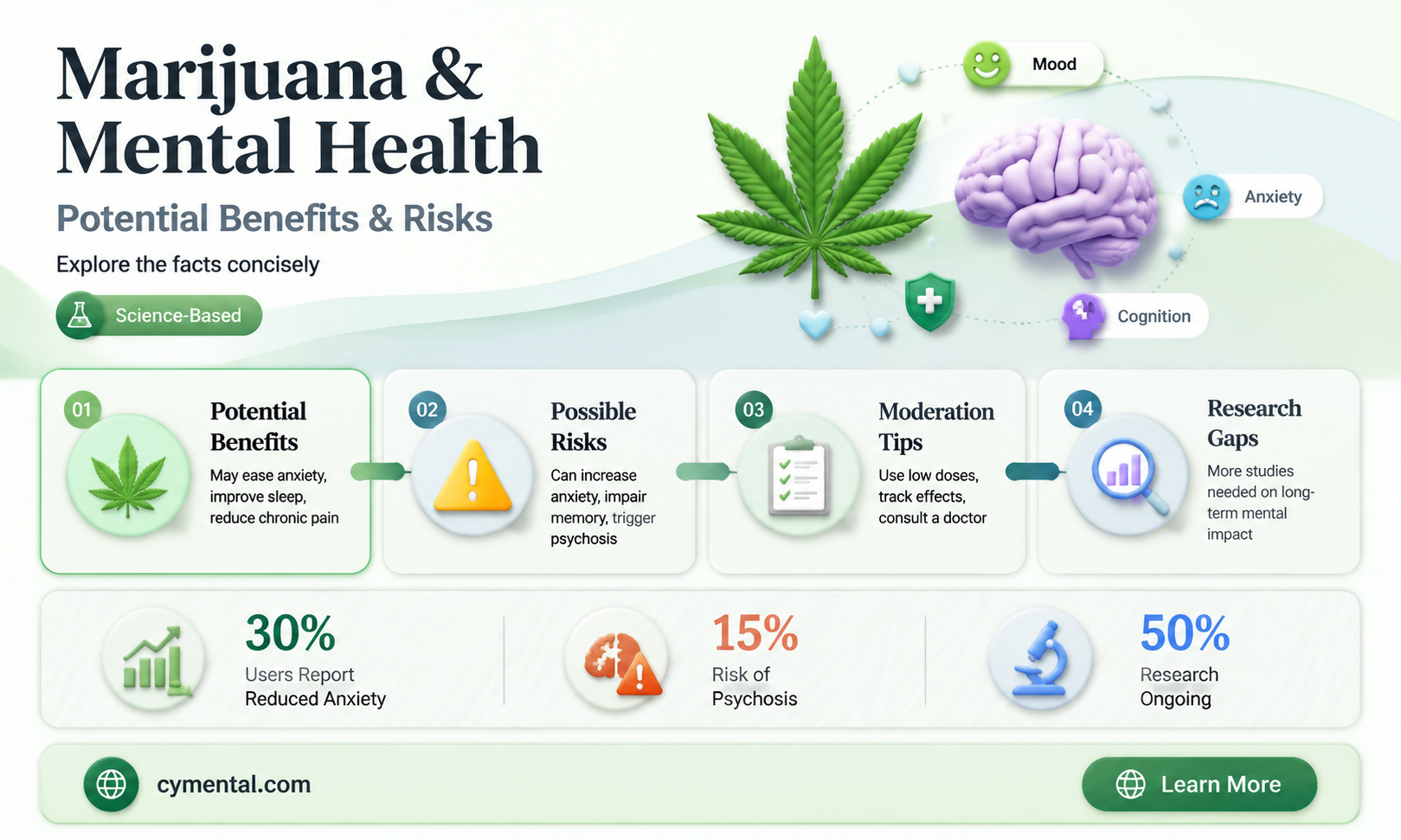
The relationship between marijuana and mental health is a complex and increasingly debated topic, as research continues to explore its potential benefits and risks. While some studies suggest that cannabis may alleviate symptoms of anxiety, depression, and PTSD by interacting with the endocannabinoid system, others highlight concerns about its potential to exacerbate conditions like psychosis or schizophrenia, particularly in vulnerable populations. Advocates argue that marijuana can serve as a natural alternative to traditional pharmaceuticals, offering relief with fewer side effects, while critics caution against its long-term use and the lack of standardized dosing. As legalization spreads and societal attitudes shift, understanding the nuanced impact of marijuana on mental health remains crucial for informed decision-making and effective treatment strategies.
Explore related products


What You'll Learn
- Marijuana and Anxiety Relief: Potential benefits and risks of using cannabis to manage anxiety symptoms
- Cannabis for Depression: Exploring how marijuana may impact mood disorders like depression
- PTSD and Marijuana Use: Role of cannabis in alleviating PTSD symptoms and trauma responses
- Marijuana vs. Psychosis: Investigating links between cannabis use and increased psychosis risk
- THC/CBD for Stress: Effects of THC and CBD on stress reduction and mental well-being

Marijuana and Anxiety Relief: Potential benefits and risks of using cannabis to manage anxiety symptoms
Marijuana's potential to alleviate anxiety symptoms has sparked both hope and controversy. While some users report significant relief, others experience heightened anxiety, underscoring the complexity of cannabis’s effects on mental health. This duality demands a nuanced exploration of its benefits and risks, particularly for those seeking alternative anxiety management strategies.
Benefits: A Calming Effect?
Cannabis contains compounds like THC and CBD, which interact with the body’s endocannabinoid system, a key regulator of mood and stress responses. Low to moderate doses of THC (2.5–5 mg) may produce a calming effect, reducing symptoms of anxiety in some individuals. CBD, on the other hand, is non-intoxicating and has shown promise in clinical studies for its anxiolytic properties, particularly at doses of 300–600 mg. For instance, a 2019 study published in *The Permanente Journal* found that 79% of participants experienced improved anxiety scores after using CBD-dominant cannabis products. These findings suggest that cannabis, when used thoughtfully, could offer a natural alternative to traditional anxiolytics, which often come with side effects like dependency or cognitive impairment.
Risks: The Double-Edged Sword
Despite its potential benefits, cannabis is not a one-size-fits-all solution. High doses of THC (above 10 mg) can paradoxically trigger or exacerbate anxiety, paranoia, and even panic attacks, particularly in inexperienced users or those predisposed to anxiety disorders. Long-term use may also lead to tolerance, dependence, or worsening mental health outcomes, especially in adolescents and young adults whose brains are still developing. For example, a 2017 review in *Clinical Psychology Review* highlighted that frequent cannabis use in youth is associated with an increased risk of anxiety disorders later in life. Additionally, the variability in cannabis products—strains, potency, and consumption methods—makes it challenging to predict individual responses, further complicating its use as an anxiety treatment.
Practical Tips for Safe Use
For those considering cannabis to manage anxiety, a cautious and informed approach is essential. Start with low doses of CBD-dominant products or balanced THC:CBD formulations (1:1 ratio) to minimize psychoactive effects. Avoid high-THC strains, especially if you’re new to cannabis or have a history of anxiety. Keep a journal to track dosage, strain, and effects, allowing you to identify what works best for your symptoms. Consult a healthcare professional, particularly if you’re already taking medications, as cannabis can interact with certain drugs. Finally, prioritize quality and consistency by purchasing from reputable sources and opting for lab-tested products to ensure accurate dosing and purity.
Marijuana’s role in anxiety relief is promising yet fraught with variability and risk. While it may offer relief for some, it’s not a universal remedy and requires careful consideration of individual factors like dosage, frequency, and personal health history. As research evolves, a personalized, evidence-based approach will be key to harnessing its potential while mitigating its drawbacks. For now, cannabis remains a tool best used with caution, awareness, and professional guidance in the broader toolkit of anxiety management strategies.
Vitamin D and Omega-3: Natural Allies for Mental Health?
You may want to see also
Explore related products


Cannabis for Depression: Exploring how marijuana may impact mood disorders like depression
Marijuana's potential role in managing depression is a complex and evolving topic, with research yielding mixed results. Some studies suggest that certain cannabinoids, like THC and CBD, may interact with the endocannabinoid system to regulate mood and reduce symptoms of depression. For instance, a 2020 study published in the *Journal of Affective Disorders* found that medical cannabis users reported a 50% reduction in depression symptoms after two weeks of use. However, these findings are often tempered by concerns about dosage, strain variability, and individual responses, making it crucial to approach this subject with nuance.
Consider the practical aspects of using cannabis for depression. Low to moderate doses of THC (2.5–10 mg) may offer mood-enhancing effects without triggering anxiety, which can exacerbate depressive symptoms. CBD, in doses of 300–600 mg daily, has shown promise in reducing anxiety and improving sleep, both of which are critical factors in managing depression. For older adults (ages 50+), starting with microdoses (1–2.5 mg THC) is advisable due to increased sensitivity to cannabinoids. Always consult a healthcare provider to tailor dosage and strain selection to individual needs, as self-medication can lead to unintended consequences.
A comparative analysis highlights the differences between cannabis and traditional antidepressants. While SSRIs and SNRIs take weeks to show effects, cannabis may provide more immediate relief for some users. However, cannabis lacks the long-term safety data and standardized dosing protocols of pharmaceutical treatments. Additionally, the risk of dependency with cannabis use, particularly with high-THC products, contrasts with the non-addictive nature of many antidepressants. This comparison underscores the need for cannabis to be considered as a complementary, rather than primary, treatment option for depression.
Persuasively, the anecdotal evidence supporting cannabis for depression cannot be ignored. Many users report significant improvements in mood, motivation, and overall quality of life. For example, a 32-year-old with treatment-resistant depression shared that a balanced THC:CBD tincture (1:1 ratio) helped stabilize their mood without the side effects of traditional medications. Such stories, while not scientifically conclusive, highlight the potential for personalized cannabis therapies. However, they also emphasize the importance of rigorous research to validate these claims and establish clear guidelines for safe and effective use.
In conclusion, while cannabis shows promise as a tool for managing depression, its use requires careful consideration. Practical tips include starting with low doses, choosing strains with balanced THC:CBD ratios, and monitoring effects closely. The comparative lack of long-term data and potential risks necessitate a cautious approach, positioning cannabis as a supplementary option rather than a standalone treatment. As research progresses, clearer guidelines will emerge, but for now, informed, supervised use is key.
Seeking Support: A Guide to Asking for Mental Health Assistance
You may want to see also
Explore related products

$12.97 $32.99


PTSD and Marijuana Use: Role of cannabis in alleviating PTSD symptoms and trauma responses
Post-traumatic stress disorder (PTSD) is a debilitating condition characterized by intrusive memories, hyperarousal, and avoidance behaviors following exposure to trauma. For many sufferers, traditional treatments like therapy and medication fall short. This has led a growing number of individuals to explore cannabis as a potential remedy. While research is still evolving, evidence suggests that certain compounds in marijuana, particularly THC and CBD, may interact with the body's endocannabinoid system to modulate fear responses and emotional processing, offering symptom relief for some PTSD patients.
Understanding the Mechanism
The endocannabinoid system plays a crucial role in regulating memory, emotion, and stress response. Trauma can disrupt this system, leading to the persistent fear and anxiety characteristic of PTSD. THC, the psychoactive component of cannabis, binds to cannabinoid receptors in the brain, potentially dampening the intensity of traumatic memories and reducing anxiety. CBD, a non-psychoactive compound, has shown promise in reducing fear expression and improving extinction learning, a key process in overcoming traumatic associations.
Dosage and Delivery: A Delicate Balance
Finding the right dosage and consumption method is crucial for maximizing potential benefits while minimizing risks. Studies suggest that low to moderate doses of THC (2.5-10mg) may be most effective for PTSD symptom management, as higher doses can exacerbate anxiety and paranoia. CBD, generally well-tolerated, can be used in higher doses (15-30mg) to counterbalance potential THC side effects. Inhalation methods provide rapid onset but shorter duration, while edibles offer longer-lasting effects but delayed onset, requiring careful titration.
Considerations and Cautions
While cannabis shows promise, it's not a universal solution. Individual responses vary greatly, and potential risks exist. Regular cannabis use, especially high-THC strains, can lead to dependence and cognitive impairment, particularly in younger individuals (under 25) whose brains are still developing. Individuals with a history of psychosis or substance use disorders should exercise extreme caution. Consulting with a healthcare professional experienced in cannabis therapeutics is essential for personalized guidance and monitoring.
A Tool, Not a Cure
Cannabis should be viewed as a potential adjunctive therapy, not a standalone cure for PTSD. Its effectiveness is likely maximized when combined with evidence-based treatments like cognitive-behavioral therapy (CBT) and eye movement desensitization and reprocessing (EMDR). Further research is needed to fully understand the long-term effects of cannabis use in PTSD patients and to develop standardized treatment protocols. However, for some individuals struggling with this debilitating condition, cannabis may offer a glimmer of hope and a path towards symptom management and improved quality of life.
Walking for Wellness: How Daily Steps Boost Mental Health
You may want to see also
Explore related products


Marijuana vs. Psychosis: Investigating links between cannabis use and increased psychosis risk
The relationship between marijuana use and psychosis is a complex and increasingly relevant topic in mental health discussions. Research indicates that cannabis use, particularly in high doses or among vulnerable populations, may be associated with an elevated risk of psychotic episodes. For instance, studies have shown that individuals who consume cannabis products with high THC (tetrahydrocannabinol) levels—often exceeding 10%—are more likely to experience acute psychotic symptoms, such as paranoia or hallucinations. This risk is especially pronounced in adolescents and young adults, whose developing brains may be more susceptible to the psychoactive effects of THC.
Consider the following scenario: a 20-year-old with a family history of schizophrenia begins using high-THC cannabis daily. Over time, they may notice symptoms like disorganized thinking or auditory hallucinations, which could escalate into a full-blown psychotic episode. This example underscores the importance of understanding individual risk factors, such as genetic predisposition or age, when evaluating the potential mental health impacts of cannabis use. While marijuana may offer therapeutic benefits for some conditions, its role in exacerbating psychosis risk cannot be overlooked.
To mitigate this risk, experts recommend several practical steps. First, individuals should opt for cannabis products with balanced THC-to-CBD ratios, as CBD (cannabidiol) has been shown to counteract some of THC’s psychotomimetic effects. For instance, a 1:1 THC-to-CBD ratio may be safer than products with THC levels above 15%. Second, limiting frequency and dosage—such as using cannabis fewer than three times per week and avoiding daily high-dose consumption—can reduce the likelihood of adverse effects. Lastly, individuals with a personal or family history of psychosis should exercise extreme caution or avoid cannabis altogether, as their risk of developing psychotic disorders may be significantly higher.
A comparative analysis of studies reveals a dose-dependent relationship between cannabis use and psychosis risk. For example, a 2019 meta-analysis published in *The Lancet Psychiatry* found that daily cannabis users were nearly five times more likely to develop psychosis compared to non-users. In contrast, occasional users faced a relatively lower risk, highlighting the importance of moderation. This data suggests that while cannabis may not directly cause psychosis in all users, its role as a contributing factor is undeniable, particularly in those with preexisting vulnerabilities.
In conclusion, while marijuana’s potential benefits for mental health conditions like anxiety or PTSD are being explored, its link to increased psychosis risk demands careful consideration. By understanding the nuances of dosage, frequency, and individual susceptibility, users and healthcare providers can make informed decisions to minimize harm. The key takeaway is not to demonize cannabis but to approach its use with awareness and caution, especially in populations at higher risk of psychotic disorders.
Can Therapists Effectively Help Clients Manage and Overcome Stress?
You may want to see also
Explore related products


THC/CBD for Stress: Effects of THC and CBD on stress reduction and mental well-being
Marijuana's potential to alleviate stress and enhance mental well-being has sparked considerable interest, with THC and CBD emerging as key players in this complex relationship. While THC is often associated with psychoactive effects, its role in stress reduction is nuanced, depending heavily on dosage and individual tolerance. Studies suggest that low to moderate doses of THC (2.5–10 mg) may promote relaxation and reduce anxiety, whereas higher doses (above 20 mg) can exacerbate stress and induce paranoia, particularly in inexperienced users or those with a predisposition to anxiety disorders. This biphasic effect underscores the importance of precision in dosing, especially for those seeking mental health benefits.
CBD, on the other hand, offers a more consistent profile for stress relief without the psychoactive side effects. Research indicates that CBD interacts with the endocannabinoid system to modulate stress responses, potentially reducing cortisol levels and promoting a sense of calm. A typical therapeutic dose ranges from 30 to 60 mg per day, though individual needs may vary. For instance, a 2020 study published in *The Permanente Journal* found that 79.2% of participants experienced decreased anxiety scores within the first month of CBD use, with results sustained over time. Unlike THC, CBD’s efficacy does not appear to diminish with higher doses, making it a safer option for long-term stress management.
Practical application of THC and CBD for stress relief requires careful consideration of delivery methods and timing. Inhalation (smoking or vaping) provides rapid onset, with effects felt within minutes, but may not be ideal for those with respiratory concerns. Sublingual tinctures offer a middle ground, with effects appearing in 15–30 minutes, while edibles and capsules provide longer-lasting relief (up to 6–8 hours) but have a delayed onset of 1–2 hours. For chronic stress, consistent microdosing of CBD (e.g., 10–20 mg daily) or low-THC products (e.g., 2.5–5 mg) may yield better results than occasional high-dose use. Combining THC and CBD in a 1:1 ratio can also mitigate THC’s anxiogenic effects while enhancing its therapeutic potential.
Despite promising evidence, caution is warranted. THC’s potential to worsen anxiety in some individuals highlights the need for personalized approaches, particularly for those under 25, whose brains are still developing and may be more susceptible to adverse effects. Additionally, the lack of standardized dosing guidelines and variability in product quality necessitate consulting healthcare professionals before incorporating cannabis into a mental health regimen. Pregnant or breastfeeding individuals should avoid THC due to potential risks to fetal and infant development.
In conclusion, THC and CBD hold distinct roles in stress reduction, with CBD offering a more predictable and safer option for most users. For those exploring THC, starting with low doses and monitoring responses is critical. As research evolves, these compounds may become valuable tools in the broader toolkit for managing stress and enhancing mental well-being, but informed, cautious use remains paramount.
Centerville River Hills: Teen Mental Health Support Options Explored
You may want to see also
Frequently asked questions
Marijuana’s effects on anxiety and depression are mixed. Some users report temporary relief, but long-term use may worsen symptoms. THC can increase anxiety in some individuals, while CBD may have calming effects. Research is inconclusive, and individual responses vary.
Some studies suggest marijuana, particularly THC, may help reduce PTSD symptoms like nightmares and hyperarousal. However, evidence is limited, and excessive use may lead to dependency or worsened mental health outcomes.
Marijuana is not recommended for bipolar disorder. THC can trigger manic episodes or worsen mood instability, while CBD’s effects are unclear. Professional treatment remains the best approach.
Some individuals report marijuana helps with focus and calmness, but scientific evidence is lacking. It may interfere with ADHD medications or worsen symptoms like impulsivity. Risks often outweigh potential benefits.
Marijuana is not advised for schizophrenia. THC can exacerbate psychosis and worsen symptoms. CBD may have some antipsychotic properties, but more research is needed. Medical supervision is essential.