Ava Ramirez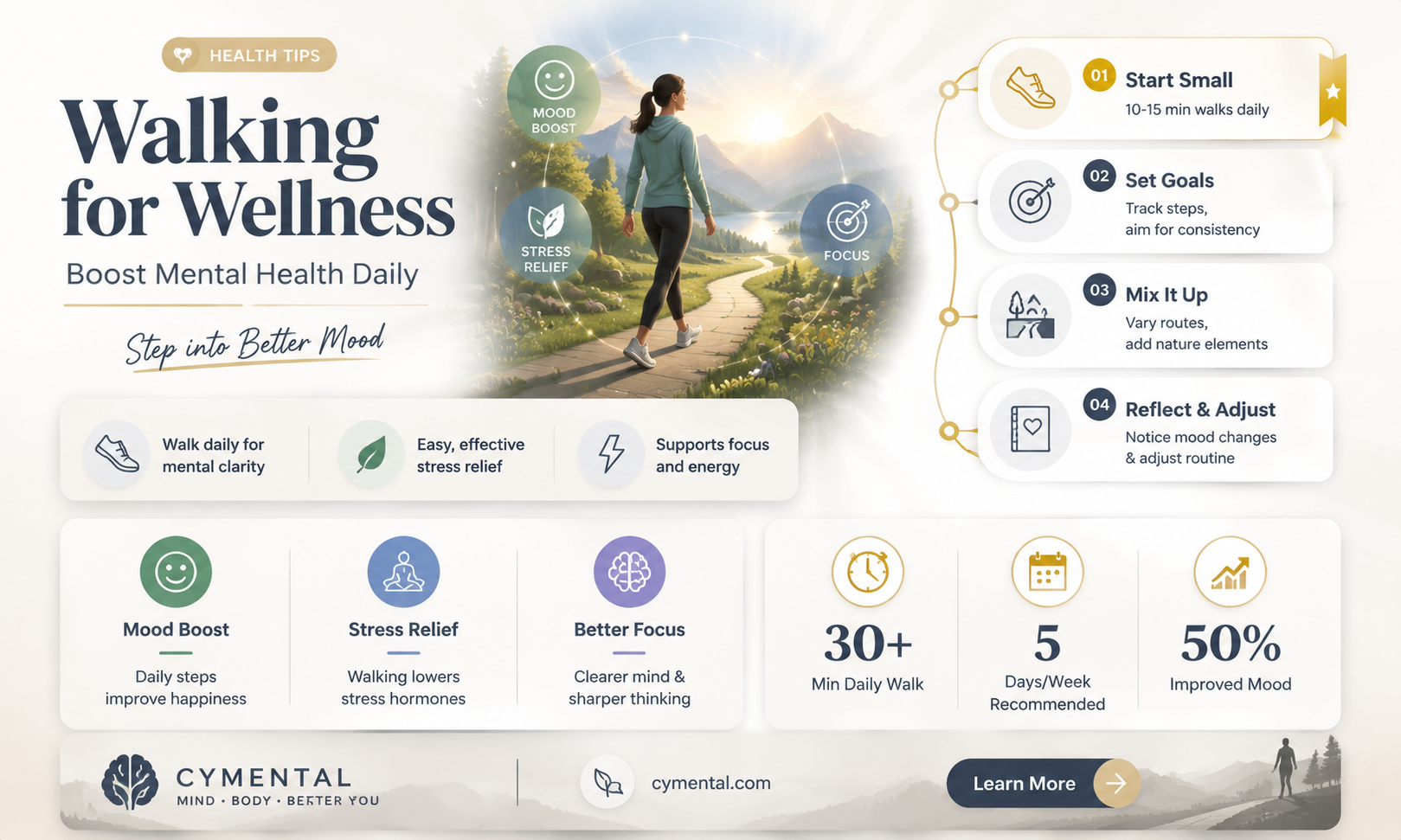
Walking has long been recognized as a simple yet powerful tool for improving physical health, but its benefits for mental well-being are equally significant. Engaging in regular walking can reduce symptoms of anxiety and depression, boost mood, and enhance overall mental clarity. The rhythmic motion of walking promotes the release of endorphins, often referred to as feel-good hormones, while also providing an opportunity to disconnect from stressors and connect with nature or one's surroundings. Additionally, walking fosters mindfulness, encouraging individuals to be present in the moment, which can alleviate racing thoughts and improve emotional resilience. Whether taken alone for reflection or with others for social connection, walking offers a holistic approach to nurturing mental health.
| Characteristics | Values |
|---|---|
| Reduces Stress and Anxiety | Walking lowers cortisol levels, a key stress hormone, promoting relaxation. |
| Improves Mood | Increases production of endorphins, serotonin, and dopamine, enhancing mood. |
| Alleviates Symptoms of Depression | Regular walking can reduce symptoms of depression, comparable to medication. |
| Enhances Cognitive Function | Boosts memory, attention, and creativity by increasing blood flow to the brain. |
| Reduces Risk of Cognitive Decline | Lowers the risk of Alzheimer's and dementia through improved brain health. |
| Promotes Better Sleep | Regulates sleep patterns by aligning circadian rhythms. |
| Increases Social Interaction | Group walks or walking with others fosters social connections and support. |
| Boosts Self-Esteem | Achieving walking goals improves confidence and self-worth. |
| Reduces Symptoms of PTSD | Walking in nature (ecotherapy) helps manage PTSD symptoms. |
| Improves Overall Mental Well-being | Combines physical activity, mindfulness, and nature exposure for holistic benefits. |
| Accessibility | Requires no special equipment or skills, making it widely accessible. |
| Cost-Effective | Free and can be done anywhere, reducing financial barriers to mental health support. |
| Mindfulness and Relaxation | Walking encourages mindfulness, reducing overthinking and promoting calmness. |
| Supports Addiction Recovery | Helps manage cravings and withdrawal symptoms by reducing stress and improving mood. |
Explore related products


What You'll Learn
- Stress Reduction: Walking lowers cortisol levels, promoting relaxation and reducing anxiety symptoms effectively
- Mood Enhancement: Regular walks boost endorphins, improving mood and combating depression naturally
- Cognitive Benefits: Walking enhances memory, focus, and creativity by increasing brain blood flow
- Social Connection: Group walks foster community, reducing loneliness and improving emotional well-being
- Mindfulness Practice: Walking in nature encourages present-moment awareness, reducing mental clutter and stress

Stress Reduction: Walking lowers cortisol levels, promoting relaxation and reducing anxiety symptoms effectively
Walking isn't just about physical fitness; it's a powerful tool for managing stress. Research shows that regular walking can significantly lower cortisol, the body’s primary stress hormone. A study published in the *Journal of Psychosomatic Research* found that participants who engaged in 30 minutes of brisk walking daily experienced a 15% reduction in cortisol levels compared to sedentary individuals. This hormonal shift is key to understanding why walking promotes relaxation and diminishes anxiety symptoms.
To harness these benefits, aim for consistency rather than intensity. A moderate-paced walk of 20–30 minutes, 3–5 times a week, is sufficient to trigger cortisol reduction. For older adults or beginners, even shorter, 10-minute walks can be effective when done consistently. Incorporate walking into your daily routine—during lunch breaks, after dinner, or as a morning ritual—to make it sustainable. Pairing walking with mindful practices, such as focusing on your breath or observing your surroundings, amplifies its stress-relieving effects.
While walking is accessible, it’s not a one-size-fits-all solution. Individuals with chronic anxiety or high-stress levels may need to combine walking with other strategies, like therapy or meditation, for comprehensive relief. Additionally, walking in green spaces, such as parks or trails, has been shown to enhance stress reduction further. A study in *Environmental Health and Preventive Medicine* revealed that participants who walked in nature experienced a 12% greater decrease in cortisol compared to those in urban settings.
Incorporating walking into your stress management toolkit is simple yet impactful. Start small, be consistent, and pay attention to your body’s response. Over time, you’ll notice not just physical changes but a calmer, more relaxed mental state. Walking isn’t a cure-all, but it’s a practical, evidence-backed step toward reducing stress and anxiety effectively.
Mental Health Teams: A Housing Support Solution for Vulnerable Individuals
You may want to see also
Explore related products


Mood Enhancement: Regular walks boost endorphins, improving mood and combating depression naturally
Walking isn't just about physical fitness; it's a powerful tool for mental well-being. The simple act of putting one foot in front of the other can trigger a cascade of positive changes in your brain chemistry, particularly in the production of endorphins, often referred to as the body's natural "feel-good" chemicals. These endorphins act as natural painkillers and mood elevators, offering a natural and accessible way to combat feelings of sadness, anxiety, and even depression.
Imagine a scenario: you're feeling overwhelmed, stressed, and your mood is dipping. Instead of reaching for a sugary snack or zoning out in front of a screen, lace up your walking shoes and head outside. Even a brisk 20-minute walk can significantly increase your endorphin levels, leaving you feeling more energized, optimistic, and better equipped to handle life's challenges.
This isn't just anecdotal advice; numerous studies have demonstrated the link between walking and improved mood. Research suggests that regular walking, especially in nature, can be as effective as medication or therapy in mild to moderate cases of depression. The combination of physical activity, fresh air, and exposure to natural surroundings creates a potent cocktail for mood enhancement.
For optimal results, aim for at least 30 minutes of moderate-intensity walking most days of the week. This could be a brisk walk around your neighborhood, a hike through a park, or even a stroll along a beach. Remember, consistency is key. Make walking a regular part of your routine, and you'll reap the long-term benefits of a brighter, more resilient mood.
Healing Hooves: How Horses Boost Mental Health and Well-being
You may want to see also
Explore related products


![Walk On Indoor Walking Fitness DVD [No Treadmill] Plus Foot, Ankle, Knees and HIPS strengthening, 5 Fat Burning Miles Indoor Walking Exercise DVD, Zone 2 + Interval Cardio with Jessica Smith](https://m.media-amazon.com/images/I/81LgfXVlMsL._AC_UL320_.jpg)
Cognitive Benefits: Walking enhances memory, focus, and creativity by increasing brain blood flow
Walking isn't just a physical activity; it's a powerful tool for sharpening your mind. Numerous studies have shown that regular walking can significantly enhance cognitive functions, particularly memory, focus, and creativity. This isn't merely anecdotal—neuroscientific research reveals that walking increases blood flow to the brain, delivering essential oxygen and nutrients that support neural activity. For instance, a study published in the *Journal of Experimental Psychology* found that participants who walked before taking a memory test performed better than those who remained seated. This simple act of movement can stimulate the hippocampus, a brain region critical for memory formation, making it an accessible and effective way to boost mental acuity.
To harness these cognitive benefits, consider incorporating a daily walking routine into your schedule. Aim for at least 30 minutes of brisk walking, as this duration has been shown to optimize brain blood flow and cognitive performance. For older adults, even shorter walks of 15–20 minutes can yield noticeable improvements in focus and memory. Pairing walking with mindful practices, such as observing your surroundings or engaging in light conversation, can further enhance its cognitive effects. For instance, walking in nature has been linked to increased creativity, as the calming environment reduces mental fatigue and encourages divergent thinking.
While walking is beneficial for all age groups, its cognitive advantages are particularly pronounced in older adults and individuals at risk of cognitive decline. A study in the *British Journal of Sports Medicine* found that regular walking can slow age-related memory loss and reduce the risk of dementia. For younger individuals, walking can improve concentration and problem-solving skills, making it an excellent habit for students or professionals. To maximize these benefits, vary your walking routine—explore new routes, walk at different times of day, or incorporate intervals of faster walking to keep your brain engaged.
One practical tip is to use walking as a break during mentally demanding tasks. Instead of scrolling through your phone or sitting idle, take a 10-minute walk to reset your mind. This not only improves focus but also enhances creativity by allowing your brain to process information subconsciously. For those with sedentary jobs, setting reminders to walk every hour can prevent cognitive fatigue and maintain productivity throughout the day. Remember, the key is consistency—making walking a regular part of your routine will yield the most significant cognitive benefits over time.
Incorporating walking into your lifestyle doesn’t require drastic changes. Start small, perhaps by walking to nearby destinations instead of driving or taking the stairs instead of the elevator. For added motivation, track your progress using a pedometer or fitness app, and gradually increase your daily step count. By prioritizing this simple yet effective activity, you can unlock a sharper memory, heightened focus, and a more creative mindset—all while improving your overall mental health.
Seeking Support: Where to Find Help and Guidance in Life
You may want to see also
Explore related products


Social Connection: Group walks foster community, reducing loneliness and improving emotional well-being
Loneliness is a silent epidemic, affecting people of all ages and backgrounds. It’s not just about being alone; it’s the subjective feeling of isolation that erodes mental well-being. Group walks offer a simple yet powerful antidote. By joining others in a shared activity, individuals naturally engage in conversation, build rapport, and form connections. A study published in the *Journal of Social and Personal Relationships* found that group activities, like walking, significantly reduce feelings of loneliness, particularly among older adults. The rhythm of footsteps, the shared experience of nature, and the casual exchange of stories create a sense of belonging that’s hard to replicate in solitary settings.
To maximize the social benefits of group walks, consider these practical steps. First, identify local walking groups through community centers, social media, or apps like Meetup. If none exist, start your own by inviting neighbors, coworkers, or friends. Aim for walks of 30–45 minutes, a duration that balances physical activity with ample time for conversation. Encourage participants to leave phones in pockets to foster genuine interaction. For older adults or those with mobility concerns, choose flat, accessible routes and maintain a leisurely pace. Adding a post-walk activity, like a coffee or picnic, can deepen connections and extend the social experience.
While group walks are inherently inclusive, be mindful of potential barriers. Not everyone feels comfortable joining a new group, especially those struggling with social anxiety. Pairing newcomers with a familiar face or assigning a "buddy" can ease this transition. Additionally, ensure the group’s dynamics remain welcoming by setting ground rules, such as avoiding judgmental comments or dominating conversations. For younger adults, themed walks—like photography or bird-watching—can add structure and appeal. Families can involve children by incorporating scavenger hunts or storytelling, making the walk a bonding activity for all ages.
The emotional benefits of group walks extend beyond the immediate experience. Regular participation fosters a sense of accountability and routine, both of which are vital for mental health. Over time, these walks can evolve into a supportive network, where members check in on one another and share life’s ups and downs. A 2020 study in *Ecopsychology* highlighted that group nature walks not only reduce loneliness but also increase empathy and prosocial behavior. By combining physical activity, social interaction, and connection to nature, group walks become a holistic tool for improving emotional well-being.
Incorporating group walks into your routine doesn’t require grand commitments. Start with a weekly walk and gradually increase frequency as the group’s dynamics solidify. Remember, the goal isn’t just to walk—it’s to walk together. Whether you’re seeking to combat loneliness, build friendships, or simply enjoy company, group walks offer a pathway to connection that nourishes both mind and spirit. Take the first step, and watch how shared strides can lead to shared smiles.
Seeking Support: What to Do When You Need Help
You may want to see also
Explore related products



Mindfulness Practice: Walking in nature encourages present-moment awareness, reducing mental clutter and stress
Walking in nature is a powerful tool for cultivating mindfulness, a practice rooted in present-moment awareness. Unlike urban walks, natural environments—forests, parks, or trails—engage the senses with sights, sounds, and textures that ground you in the here and now. This sensory immersion disrupts mental autopilot, pulling your focus away from ruminating thoughts and into the immediate experience. Research shows that just 20–30 minutes of mindful walking in nature can significantly reduce cortisol levels, the body’s primary stress hormone, while increasing alpha waves in the brain, associated with a calm yet alert state.
To practice mindfulness while walking, start by setting an intention to observe without judgment. Notice the rhythm of your footsteps, the feel of the ground beneath your feet, or the play of light through leaves. When your mind wanders—as it inevitably will—gently redirect your attention to your breath or the surrounding environment. Incorporate all five senses: Listen to birdsong, smell the earth after rain, or touch the bark of a tree. This deliberate engagement with your surroundings creates a mental buffer against intrusive thoughts, effectively decluttering your mind.
A comparative analysis highlights the unique benefits of nature-based mindfulness walking over indoor practices. While meditation apps or seated mindfulness exercises are valuable, walking in nature adds physical movement and sensory richness, enhancing focus and reducing mental fatigue. A 2015 study published in *Proceedings of the National Academy of Sciences* found that participants who walked in nature for 90 minutes reported lower neural activity in the subgenual prefrontal cortex, an area linked to depression, compared to those walking in urban settings. This suggests that nature-based walking has distinct neurobiological advantages for mental health.
Practical tips can maximize the mindfulness benefits of walking in nature. Choose routes with minimal distractions—avoid busy trails or areas with loud noises. Leave your phone in your pocket or on silent mode to resist the urge to check notifications. If you’re new to mindfulness, start with shorter walks (10–15 minutes) and gradually increase duration as your focus strengthens. For added structure, try a guided walking meditation or incorporate simple breathing exercises, such as inhaling for four steps and exhaling for six.
In conclusion, walking in nature is more than exercise—it’s a mindfulness practice that actively reduces stress and mental clutter. By engaging your senses and anchoring yourself in the present moment, you create a mental sanctuary that fosters clarity and calm. Whether you’re seeking relief from anxiety, a break from overthinking, or simply a way to reconnect with yourself, mindful walking in nature offers a simple yet profound solution. Lace up your shoes, find a green space, and let each step bring you back to now.
Art's Healing Power: Boosting Mental Health Through Creativity
You may want to see also
Frequently asked questions
Yes, walking regularly can boost your mood and reduce stress by increasing blood flow to the brain, releasing endorphins, and lowering cortisol levels, the hormone associated with stress.
Even a 20-30 minute walk can provide immediate mental health benefits, such as improved mood and reduced anxiety. Consistency is key, so aim for daily or regular walks for long-term effects.
Yes, walking outdoors often provides additional benefits due to exposure to nature, fresh air, and sunlight, which can further enhance mood, reduce stress, and improve overall well-being.
Yes, walking can be a helpful complementary strategy for managing symptoms of depression and anxiety. It promotes the release of feel-good chemicals in the brain and provides a healthy distraction from negative thoughts.