Ava Ramirez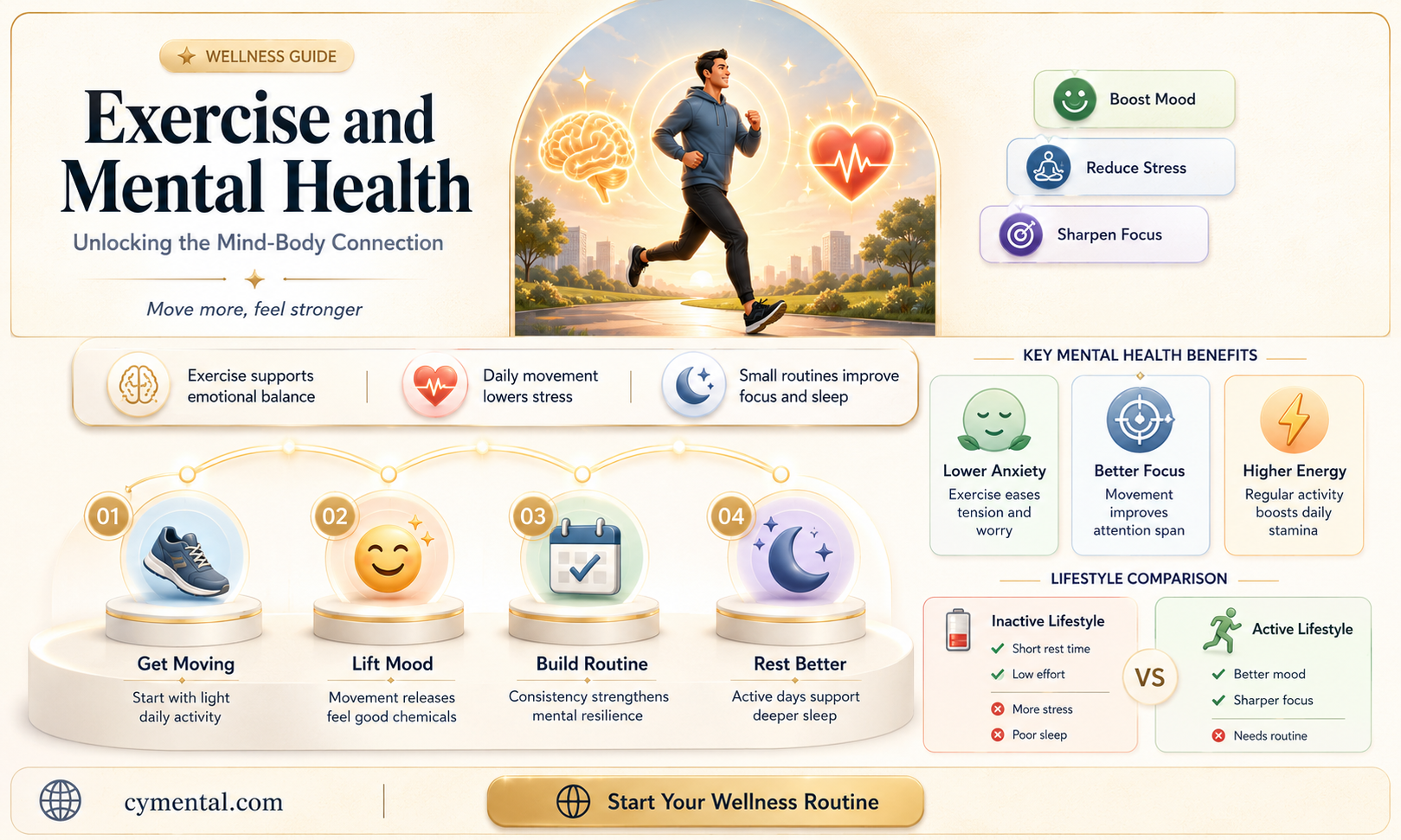
Exercise has been widely recognized as a powerful tool for improving physical health, but its impact on mental well-being is equally significant. Numerous studies have shown that regular physical activity can reduce symptoms of anxiety, depression, and stress by releasing endorphins, which act as natural mood lifters. Additionally, exercise promotes better sleep, boosts self-esteem, and enhances cognitive function, all of which contribute to a healthier mental state. Whether it’s a brisk walk, yoga, or strength training, incorporating exercise into daily routines can provide a sense of accomplishment and structure, fostering resilience against mental health challenges. As mental health continues to gain attention, understanding the role of exercise in supporting emotional and psychological wellness has become an essential aspect of holistic health strategies.
| Characteristics | Values |
|---|---|
| Reduces Symptoms of Depression and Anxiety | Regular exercise can decrease symptoms of depression and anxiety by promoting the release of endorphins, which are natural mood lifters. Studies show a 26% decrease in symptoms with consistent physical activity. |
| Improves Cognitive Function | Exercise enhances memory, attention, and processing speed by increasing blood flow to the brain and promoting neuroplasticity. It also reduces the risk of cognitive decline in older adults. |
| Boosts Self-Esteem and Confidence | Physical activity can improve body image and self-worth, leading to higher self-esteem and confidence. This effect is often seen after just a few weeks of regular exercise. |
| Reduces Stress | Exercise lowers cortisol levels (the stress hormone) and promotes relaxation. Activities like yoga and tai chi are particularly effective for stress reduction. |
| Enhances Sleep Quality | Regular exercise improves sleep duration and quality by regulating the sleep-wake cycle. It helps individuals fall asleep faster and enjoy deeper sleep. |
| Increases Resilience to Mental Health Challenges | Exercise builds mental resilience, helping individuals cope better with stress, trauma, and adversity. It fosters a sense of accomplishment and control. |
| Promotes Social Interaction | Group exercises or team sports can reduce feelings of loneliness and isolation, providing social support and a sense of community. |
| Regulates Mood | Physical activity stabilizes mood by balancing neurotransmitters like serotonin and dopamine, reducing mood swings and irritability. |
| Reduces Risk of Mental Health Disorders | Regular exercise is associated with a lower risk of developing mental health conditions such as depression, anxiety, and ADHD. |
| Supports Brain Health | Exercise increases the production of brain-derived neurotrophic factor (BDNF), which supports the growth and survival of neurons, enhancing overall brain health. |
Explore related products

$20.09 $25.99


$10.99 $18.99

$10.6 $19.99


What You'll Learn
- Stress Reduction: Physical activity lowers cortisol, boosts endorphins, reducing anxiety and tension effectively
- Mood Enhancement: Exercise increases serotonin and dopamine, improving overall mood and emotional well-being
- Cognitive Function: Regular workouts enhance memory, focus, and brain health through neuroplasticity
- Depression Management: Exercise acts as a natural antidepressant, reducing symptoms and relapse risks
- Sleep Quality: Physical activity regulates sleep patterns, promoting deeper and more restorative rest

Stress Reduction: Physical activity lowers cortisol, boosts endorphins, reducing anxiety and tension effectively
Stress, an inevitable part of life, often manifests as a surge in cortisol, the body's primary stress hormone. Physical activity acts as a natural counterbalance, effectively lowering cortisol levels. A study published in the *Journal of Endocrinology* found that moderate-intensity exercise, such as a 30-minute brisk walk or a cycling session, can reduce cortisol by up to 15%. This hormonal shift is not just a number—it translates to a tangible easing of tension, making daily pressures feel less overwhelming. For those grappling with chronic stress, incorporating consistent physical activity into their routine can be a game-changer, offering a sustainable way to manage cortisol spikes.
Beyond cortisol reduction, exercise triggers the release of endorphins, often dubbed "feel-good" hormones. These chemicals act as natural painkillers and mood elevators, creating a sense of euphoria known as the "runner’s high." Even low-impact activities like yoga or swimming can stimulate endorphin production, providing immediate relief from anxiety and tension. For instance, a 20-minute yoga session focusing on deep breathing and gentle stretches has been shown to increase endorphin levels, leaving participants feeling calmer and more centered. This dual mechanism—lowering cortisol while boosting endorphins—positions exercise as a powerful tool for stress reduction.
To maximize these benefits, consider the timing and type of exercise. Morning workouts, for example, can set a tone of calm for the day, while evening sessions may help unwind after a stressful workday. Adults aged 18–64 should aim for at least 150 minutes of moderate-intensity aerobic activity weekly, as recommended by the World Health Organization. Breaking this down into 30-minute sessions five days a week is manageable and effective. For those short on time, even 10-minute bursts of activity, like a quick jog or a high-intensity interval training (HIIT) session, can yield significant stress-reducing benefits.
However, it’s crucial to avoid overtraining, as excessive exercise can paradoxically increase cortisol levels and heighten stress. Listen to your body and prioritize activities you enjoy to maintain consistency. Pairing physical activity with mindfulness practices, such as focusing on your breath during a walk or run, can amplify stress-relief effects. For older adults or individuals with physical limitations, low-impact exercises like tai chi or water aerobics offer a safe and effective way to reap these benefits.
Incorporating exercise into your stress management toolkit doesn’t require drastic changes. Start small—swap a sedentary activity for a short walk, take the stairs instead of the elevator, or try a beginner-friendly workout video. Over time, these habits compound, creating a robust defense against stress. By understanding the science behind exercise’s impact on cortisol and endorphins, you can tailor your approach to meet your needs, transforming physical activity from a chore into a powerful ally in your quest for mental well-being.
Can You Admit Yourself to Mental Health Treatment? A Guide
You may want to see also
Explore related products

$14.99 $19.99

$13.16 $16.99

$8.44 $14.99


Mood Enhancement: Exercise increases serotonin and dopamine, improving overall mood and emotional well-being
Exercise acts as a natural mood enhancer, primarily by boosting serotonin and dopamine levels in the brain. These neurotransmitters are crucial for regulating mood, pleasure, and emotional stability. While serotonin helps maintain a sense of well-being and happiness, dopamine is linked to motivation and reward. Studies show that even moderate physical activity, such as a 30-minute brisk walk or a 20-minute jog, can significantly increase these chemicals, leading to immediate and long-term improvements in mood. For instance, a 2018 meta-analysis published in *JAMA Psychiatry* found that regular exercise reduces symptoms of depression and anxiety by elevating these neurotransmitters.
To harness this benefit, consistency is key. Aim for at least 150 minutes of moderate-intensity exercise or 75 minutes of vigorous activity weekly, as recommended by the World Health Organization. Breaking this into smaller, manageable sessions—like three 10-minute walks daily—can still yield results. For older adults or those with mobility issues, low-impact activities such as swimming, yoga, or tai chi are effective alternatives. Pairing exercise with sunlight exposure, particularly in the morning, can further enhance serotonin production, as natural light stimulates its release.
However, it’s important to avoid overtraining, as excessive exercise can lead to stress and fatigue, potentially counteracting its mood-boosting effects. Listen to your body and incorporate rest days into your routine. For individuals with pre-existing mental health conditions, combining exercise with therapy or medication, under professional guidance, can maximize benefits. Tracking your mood before and after workouts can also help identify patterns and motivate adherence to a routine.
A practical tip is to choose activities you enjoy, as this increases the likelihood of sticking with them. Whether it’s dancing, cycling, or team sports, the pleasure derived from the activity itself amplifies dopamine release, creating a positive feedback loop. For those short on time, high-intensity interval training (HIIT) offers a quick yet potent mood boost by rapidly increasing neurotransmitter levels. Ultimately, exercise isn’t just about physical health—it’s a powerful tool for cultivating emotional resilience and daily well-being.
Christian Psychology: A Faith-Based Approach to Mental Health Healing?
You may want to see also
Explore related products

$6.99 $10.99


Cognitive Function: Regular workouts enhance memory, focus, and brain health through neuroplasticity
Exercise isn't just about building muscle or shedding pounds. It's a powerful tool for sharpening your mind. Regular physical activity triggers a cascade of biological processes that directly benefit cognitive function, particularly memory, focus, and overall brain health. This phenomenon is rooted in neuroplasticity, the brain's remarkable ability to reorganize itself by forming new neural connections throughout life.
Think of it like this: exercise acts as a fertilizer for your brain, stimulating the growth of new neurons and strengthening existing connections. This enhanced connectivity translates to improved memory recall, heightened focus, and a more resilient brain capable of adapting to new challenges.
But how exactly does this work? During exercise, your heart rate increases, pumping more oxygen-rich blood to your brain. This surge in oxygen and nutrients fuels brain cells, promoting their growth and survival. Simultaneously, exercise stimulates the release of neurotransmitters like dopamine and serotonin, which are crucial for learning, memory, and mood regulation. Additionally, exercise triggers the production of brain-derived neurotrophic factor (BDNF), a protein that acts like Miracle-Gro for neurons, encouraging their growth and protecting them from damage.
Studies consistently demonstrate the cognitive benefits of exercise. Research shows that even moderate-intensity exercise, such as brisk walking for 30 minutes a day, can significantly improve memory and cognitive function in adults of all ages. For older adults, regular exercise can help combat age-related cognitive decline and reduce the risk of dementia.
Incorporating exercise into your routine doesn't have to be daunting. Aim for at least 150 minutes of moderate-intensity aerobic activity or 75 minutes of vigorous-intensity activity per week, as recommended by the World Health Organization. This could be broken down into 30-minute sessions, five days a week. Remember, consistency is key. Find activities you enjoy, whether it's dancing, swimming, cycling, or simply taking a brisk walk in the park. Your brain will thank you for it.
Should You Seek Mental Health Support? Signs and Guidance
You may want to see also
Explore related products


Depression Management: Exercise acts as a natural antidepressant, reducing symptoms and relapse risks
Exercise isn't just about building muscle or shedding pounds; it's a potent tool for rewiring the brain's chemistry. Numerous studies demonstrate that regular physical activity stimulates the release of neurotransmitters like serotonin, norepinephrine, and dopamine, all of which are often depleted in individuals struggling with depression. This natural boost in "feel-good" chemicals can significantly alleviate symptoms like low mood, fatigue, and difficulty concentrating.
Imagine your brain as a garden. Depression can feel like a persistent drought, wilting the vibrant flowers of joy and motivation. Exercise acts as a nourishing rain, encouraging new growth and restoring vitality to the landscape of your mind.
But how much exercise is enough to reap these benefits? Research suggests that even moderate-intensity exercise, such as brisk walking for 30 minutes, 3-5 times a week, can be remarkably effective. For more severe cases, a combination of aerobic exercise (like jogging or swimming) and strength training (using weights or bodyweight exercises) may be recommended. Consistency is key; aim to make exercise a regular part of your routine, just like taking medication or attending therapy sessions.
Think of it as investing in your mental well-being. Just as you wouldn't expect a single healthy meal to transform your physical health overnight, consistent exercise is a long-term strategy for managing depression.
It's important to note that exercise isn't a magic bullet. It should be seen as a complementary approach to traditional treatments like therapy and medication. However, its ability to reduce relapse risks is particularly noteworthy. Studies show that individuals who incorporate regular exercise into their depression management plan are less likely to experience future episodes. This is likely due to the lasting changes exercise induces in brain structure and function, promoting resilience against depressive symptoms.
Picture exercise as a protective shield, strengthening your mental defenses against the return of depression. By consistently engaging in physical activity, you're not just treating the present, but also safeguarding your future mental health.
Counseling for Mental Health: Effective Support or Overrated Solution?
You may want to see also
Explore related products


$22.04 $26.99


Sleep Quality: Physical activity regulates sleep patterns, promoting deeper and more restorative rest
Quality sleep is the cornerstone of mental resilience, yet many overlook the role of physical activity in achieving it. Regular exercise acts as a natural regulator of sleep patterns, influencing both the duration and depth of rest. Studies show that moderate-intensity aerobic exercise, such as brisk walking or cycling for 30 minutes daily, can significantly improve sleep quality. This is because physical activity helps synchronize the body’s internal clock, reducing the time it takes to fall asleep and increasing the amount of deep, restorative sleep—the stage where the brain consolidates memories and repairs tissues.
Consider the mechanism at play: exercise raises body temperature, which then drops post-workout, signaling to the brain that it’s time to wind down. This mimics the natural temperature fluctuations that occur during the sleep cycle. Additionally, exercise reduces levels of cortisol, the stress hormone that often disrupts sleep, while boosting serotonin, a precursor to melatonin, the sleep hormone. For optimal results, aim to complete your workout at least 2–3 hours before bedtime to avoid overstimulation.
However, not all exercise is created equal when it comes to sleep. High-intensity workouts, like HIIT or heavy weightlifting, close to bedtime can have the opposite effect, leaving you wired and alert. Instead, prioritize low-impact activities in the evening, such as yoga, stretching, or a gentle walk. These activities promote relaxation without overtaxing the nervous system. For older adults or those with sleep disorders, even light exercise, like tai chi or swimming, can yield noticeable improvements in sleep quality.
Practical implementation is key. Start by incorporating 150 minutes of moderate exercise weekly, spread across 5 days. Track your sleep using a journal or wearable device to observe patterns and adjustments. If you’re new to exercise, begin with shorter sessions and gradually increase intensity. Consistency is more important than intensity—even small, daily movements can lead to significant sleep benefits over time. Pair this with a sleep-friendly environment: a cool, dark room and a consistent bedtime routine to maximize the restorative effects of both exercise and rest.
In essence, physical activity is a powerful tool for enhancing sleep quality, but it requires mindful application. By understanding the relationship between exercise and sleep, and tailoring your routine to your needs, you can unlock deeper, more restorative rest—a vital component of mental well-being.
Accessing Mental Health Care Through Medi-Cal: What You Need to Know
You may want to see also
Frequently asked questions
Yes, exercise has been shown to improve mental health by reducing symptoms of anxiety, depression, and stress while boosting mood and overall well-being.
Exercise increases blood flow to the brain, promotes the release of neurotransmitters like serotonin and dopamine, and stimulates the growth of new brain cells, enhancing cognitive function and memory.
Any form of physical activity, such as walking, running, yoga, or strength training, can benefit mental health. The key is consistency and choosing activities you enjoy.
Aim for at least 30 minutes of moderate exercise most days of the week. Even shorter sessions, like 10–15 minutes, can provide immediate mood-boosting effects.
While exercise is a powerful tool for improving mental health, it may not replace therapy or medication for severe conditions. It can, however, complement other treatments effectively.