Caleb Wright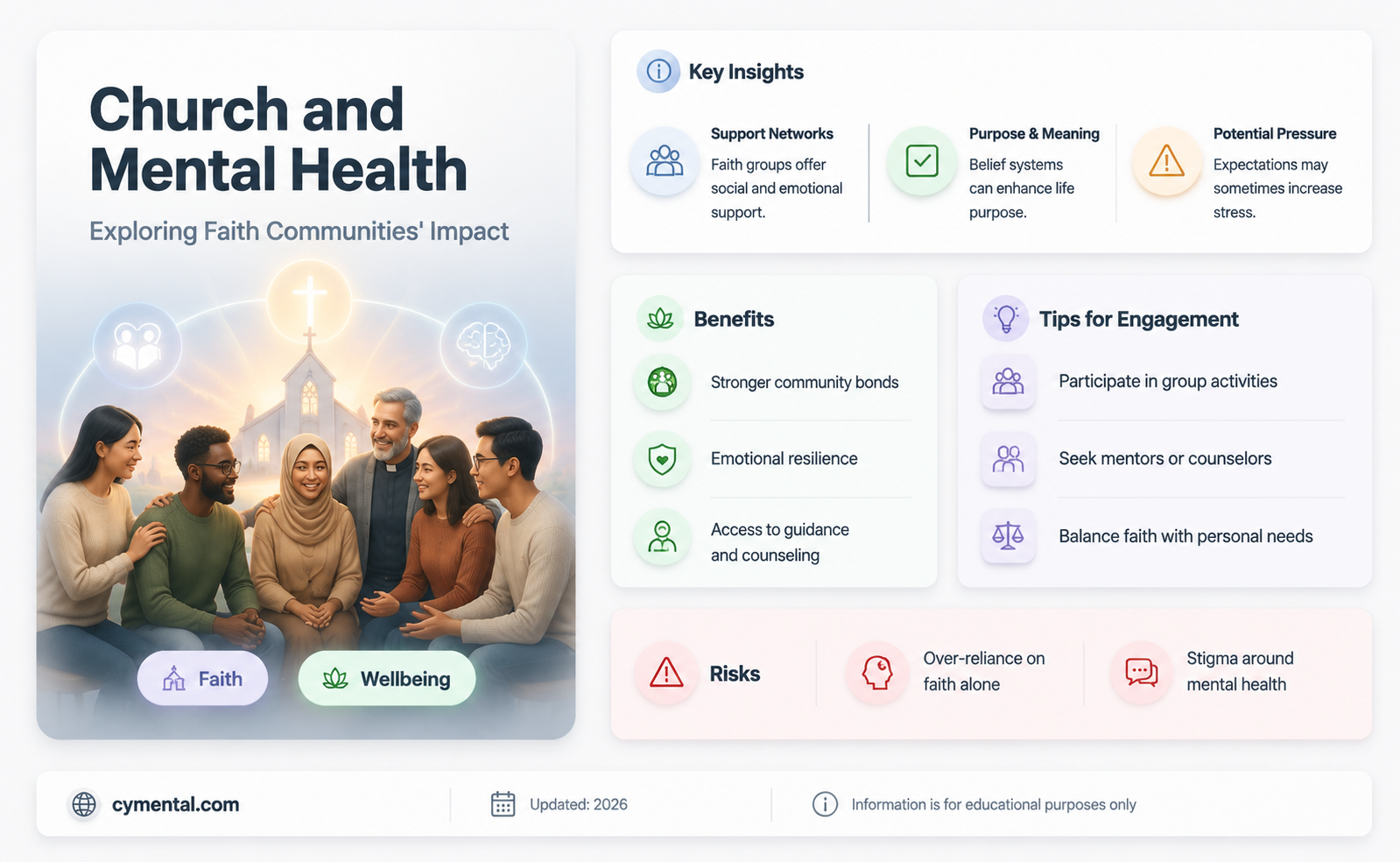
The relationship between church attendance and mental health has garnered significant attention in recent years, as researchers and mental health professionals explore the potential benefits of religious involvement. Studies suggest that regular participation in church activities may contribute to improved mental well-being by fostering a sense of community, providing social support, and offering spiritual guidance. For many individuals, church serves as a sanctuary where they can find solace, share their struggles, and connect with others who share similar beliefs. Additionally, religious practices such as prayer, meditation, and reflection can promote mindfulness and reduce stress, while the moral and ethical frameworks provided by faith traditions may offer a sense of purpose and direction. However, the impact of church on mental health can vary depending on individual experiences, the nature of the religious community, and personal beliefs, making it a complex and multifaceted topic to explore.
Explore related products


$18.79 $22.99


$14.79 $29.95


What You'll Learn
- Community Support: Church groups offer belonging, reducing loneliness and fostering emotional well-being through shared faith
- Spiritual Coping: Prayer and rituals provide comfort, helping individuals manage stress and find meaning in life
- Social Activities: Church events promote interaction, boosting mood and reducing feelings of isolation
- Counseling Services: Many churches offer mental health resources, including pastoral counseling and support groups
- Purpose and Hope: Faith-based teachings instill resilience, encouraging positive outlooks and coping strategies

Community Support: Church groups offer belonging, reducing loneliness and fostering emotional well-being through shared faith
Church attendance correlates with lower rates of loneliness, a critical factor in mental health. Studies show that regular participation in religious communities can reduce feelings of isolation by up to 50%, particularly among older adults. This isn't merely about physical presence; it's the sense of belonging that comes from shared rituals, collective prayer, and mutual support. For instance, small group ministries or Bible study circles create micro-communities where individuals are seen, heard, and valued, counteracting the invisibility often experienced in broader society.
Consider the mechanics of this support system. Churches often operate on a rhythm of weekly gatherings, seasonal celebrations, and life-event milestones (baptisms, weddings, funerals). This structured yet flexible framework provides consistent touchpoints for connection. For someone struggling with depression or anxiety, knowing there’s a place to go where acceptance is rooted in shared faith—not performance—can be transformative. Practical tip: If you’re new to a church, start by joining a smaller group (e.g., a prayer circle or hobby-based fellowship) to ease into deeper relationships.
Contrast this with secular support groups, which often focus on problem-solving or self-improvement. Church communities, by design, emphasize grace and forgiveness, reducing the pressure to "fix" oneself before being accepted. This theological foundation fosters emotional safety, allowing individuals to express vulnerability without fear of judgment. For example, a 2019 study found that churchgoers were 30% more likely to disclose mental health struggles to their faith community than to friends or family, citing the belief in divine compassion as a motivating factor.
However, not all church experiences are equally beneficial. Toxic dynamics, such as spiritual shaming or rigid expectations, can exacerbate mental health issues. To maximize the positive impact, seek congregations that prioritize empathy over dogma and encourage professional mental health care alongside spiritual practices. Caution: Avoid groups that dismiss therapy or medication as "lack of faith"—healthy churches integrate both spiritual and clinical approaches.
In practice, fostering belonging requires intentionality. Churches can implement strategies like mentorship programs, where seasoned members pair with newcomers, or "open table" events that welcome unaffiliated community members. For individuals, showing up consistently—even when it feels difficult—builds trust and deepens roots. Takeaway: The power of church-based community lies not in its perfection but in its commitment to walk alongside one another, embodying the shared belief that no one is beyond care or redemption.
Protein Shakes and Mental Health: Unlocking the Mind-Body Connection
You may want to see also
Explore related products


Spiritual Coping: Prayer and rituals provide comfort, helping individuals manage stress and find meaning in life
Spiritual practices like prayer and rituals often serve as anchors for individuals navigating life’s storms. A 2018 study published in the *Journal of Religion and Health* found that regular prayer was associated with lower levels of cortisol, the stress hormone, in participants aged 55 and older. This physiological response suggests that prayer can act as a tangible tool for stress reduction, particularly in populations facing age-related challenges. For younger adults, rituals such as lighting candles or reciting scriptures during moments of anxiety can create a sense of structure and predictability, counteracting the chaos of modern life. These practices aren’t merely symbolic; they engage the brain’s attentional systems, shifting focus away from stressors and toward a sense of calm.
Consider the act of prayer as a form of mindfulness with a spiritual dimension. Unlike secular meditation, which often emphasizes detachment, prayer encourages connection—to a higher power, to a community, or to one’s inner self. This dual focus can amplify its benefits. For instance, a 2020 study in *Psychology of Religion and Spirituality* revealed that individuals who prayed with the intention of seeking guidance reported higher levels of meaning-making during crises compared to those who prayed generically. To maximize this effect, incorporate specific intentions into your prayers. For example, instead of a vague “help me,” try “grant me patience to navigate this challenge.” This precision aligns prayer with cognitive-behavioral techniques, making it a more active coping mechanism.
Rituals, too, play a critical role in mental health by providing a framework for processing emotions. Take the Jewish practice of sitting *shiva*, a seven-day mourning period following a death. This ritual not only allows grievers to express sorrow openly but also surrounds them with community support, reducing feelings of isolation. Similarly, the Catholic Rosary combines repetitive prayer with tactile engagement, offering a dual sensory experience that can soothe anxiety. For those unaffiliated with organized religion, creating personal rituals—like journaling gratitude daily or practicing a sunset meditation—can yield similar benefits. The key is consistency; rituals become more effective when integrated into a routine, as they train the brain to associate specific actions with emotional regulation.
However, spiritual coping isn’t a one-size-fits-all solution. For some, rigid religious practices can exacerbate anxiety or guilt, particularly if they conflict with personal beliefs. A 2019 study in *The American Journal of Psychiatry* highlighted that individuals who felt coerced into spiritual practices experienced worsened mental health outcomes. To avoid this, ensure your spiritual practices align with your values. Start small—perhaps with a five-minute morning prayer or a weekly reflective walk—and assess how these activities resonate with you. If they feel burdensome, adjust or explore alternative forms of spiritual expression, such as art or nature-based rituals.
Ultimately, the power of spiritual coping lies in its ability to bridge the tangible and the transcendent. By combining physiological stress reduction with emotional and existential meaning-making, prayer and rituals offer a holistic approach to mental health. For maximum benefit, treat these practices as active tools rather than passive habits. Engage fully, adapt them to your needs, and remember: the goal isn’t perfection but presence—a moment of stillness in a turbulent world.
Mental Health Case Managers: Legal Support and Advocacy Explained
You may want to see also
Explore related products


Social Activities: Church events promote interaction, boosting mood and reducing feelings of isolation
Human connection is a cornerstone of mental well-being, and churches excel at fostering it through structured social activities. Potlucks, Bible studies, choir practices, and community service projects aren't just events – they're deliberate opportunities for interaction. These gatherings provide a sense of belonging, a crucial antidote to the loneliness and isolation that can exacerbate mental health struggles.
Consider the mechanics: a weekly Bible study group offers consistent social contact, a predictable routine, and a shared purpose. This regularity combats the unpredictability and aimlessness that often accompany depression and anxiety. Similarly, community service projects, like soup kitchens or habitat builds, not only provide a sense of contribution but also force individuals out of their comfort zones, fostering new connections and a broader perspective.
For maximum benefit, aim for at least two church-related social activities per week. This "dosage" of interaction provides a healthy balance of connection without overwhelming introverted individuals. Encourage participation by offering a variety of activity types – some more intimate (small group studies), others more active (sports teams or hiking groups) – to cater to different personalities and comfort levels.
The beauty of church-based social activities lies in their inherent structure and shared values. Unlike purely recreational gatherings, these events often revolve around a common faith, providing a deeper level of connection and understanding. This shared foundation can lead to more meaningful conversations and a stronger sense of community, both vital for mental health resilience.
Exercise and Diet: Powerful Allies in Mental Health Recovery
You may want to see also
Explore related products


Counseling Services: Many churches offer mental health resources, including pastoral counseling and support groups
Churches have increasingly become sanctuaries not just for spiritual nourishment but also for mental health support. Among their offerings, counseling services stand out as a vital resource. Many churches provide pastoral counseling, where trained clergy members offer guidance rooted in both psychological principles and faith-based perspectives. These sessions often address issues like grief, anxiety, and relationship struggles, blending empathy with spiritual insight. Unlike secular therapy, pastoral counseling can incorporate prayer, scripture, and faith-based coping strategies, making it uniquely appealing to those seeking holistic healing.
Support groups within churches further extend this care, fostering community and shared understanding. From grief recovery groups to addiction recovery programs, these gatherings provide safe spaces for individuals to connect with others facing similar challenges. For instance, a divorce support group might combine Bible study with peer-led discussions, offering both emotional solace and practical advice. Such groups often meet weekly, providing consistent support without the cost of professional therapy, which can be a barrier for many.
However, it’s essential to recognize the limitations of church-based counseling. While pastoral counselors can offer valuable support, they are not typically licensed mental health professionals. For severe conditions like clinical depression or PTSD, professional therapy or medication may be necessary. Churches often bridge this gap by partnering with local mental health providers or offering referrals, ensuring congregants receive appropriate care. This collaborative approach maximizes the benefits of both faith-based and clinical resources.
Practical tips for accessing church counseling services include reaching out to church leaders directly, attending introductory sessions to understand the format, and being open to faith-based elements if they align with your beliefs. For parents, youth-specific groups can provide teens with a supportive environment to navigate adolescence. Churches may also offer workshops on stress management or emotional wellness, often free or low-cost, making them accessible to a broader audience.
In conclusion, church counseling services and support groups fill a critical gap in mental health care, particularly for those who find comfort in faith-based approaches. While not a replacement for professional treatment, these resources offer accessible, community-driven support that can significantly improve emotional well-being. By combining spiritual care with practical guidance, churches demonstrate a commitment to nurturing both the soul and the mind.
Do Mentally Ill Individuals Seek Support? Breaking Barriers and Stigma
You may want to see also
Explore related products


Purpose and Hope: Faith-based teachings instill resilience, encouraging positive outlooks and coping strategies
Faith-based teachings often emphasize the importance of purpose, framing life’s challenges as opportunities for growth rather than insurmountable obstacles. For instance, many religious texts and sermons highlight stories of individuals who found meaning in suffering, such as Job in the Bible or the concept of *kismet* in Islam. These narratives serve as blueprints for resilience, teaching adherents to view adversity not as a dead-end but as a pathway to deeper understanding and strength. By internalizing this perspective, individuals can reframe their struggles, reducing feelings of helplessness and fostering a proactive mindset. Practical application involves daily reflection on personal challenges through the lens of faith, asking, “What might this difficulty be teaching me?” or “How can I grow from this?”
Instructively, faith communities often provide structured practices that reinforce hope and resilience. Prayer, meditation, and rituals like lighting candles or reciting scriptures are not merely symbolic; they act as cognitive-behavioral tools that interrupt negative thought patterns. For example, a study published in the *Journal of Religion and Health* found that individuals who engaged in daily prayer reported lower levels of anxiety and depression. To integrate this into daily life, set aside 10–15 minutes each morning or evening for prayer or meditation, focusing on affirmations rooted in faith, such as “I am not alone” or “This too shall pass.” Consistency is key—treat these practices as non-negotiable appointments with oneself.
Persuasively, the communal aspect of faith-based teachings amplifies their impact on mental health. Churches, mosques, and synagogues often function as support networks, offering both emotional and practical assistance during crises. A comparative analysis of secular and faith-based support groups revealed that participants in faith-based groups reported higher levels of hope and lower levels of despair. This is partly because these communities provide a sense of belonging and shared purpose, which are critical for resilience. To leverage this, actively participate in faith-based activities like group prayers, volunteer work, or study circles. Even introverts can benefit from smaller, more intimate gatherings, such as Bible study groups or prayer circles, which foster deep connections without overwhelming social demands.
Descriptively, the language of faith often employs vivid imagery and metaphors that resonate deeply with the human psyche, embedding hope into the very fabric of one’s worldview. Phrases like “light in darkness” or “a burden shared is halved” are not just clichés but powerful tools for reframing despair. For instance, the Christian concept of the “cross to bear” encourages individuals to see their struggles as temporary and purposeful, much like Christ’s sacrifice. Similarly, in Buddhism, the idea of *dukkha* (suffering) is paired with the promise of *nirvana* (liberation), offering a roadmap from pain to peace. To harness this, incorporate faith-inspired metaphors into personal affirmations or journaling, allowing them to shape your narrative of self and circumstance.
Finally, a cautionary note: while faith-based teachings can be profoundly beneficial, they are not a one-size-fits-all solution. Over-reliance on spiritual coping without addressing practical or clinical needs can lead to avoidance or stigmatization of mental health issues. For example, phrases like “just pray about it” can inadvertently dismiss the severity of conditions like depression or anxiety. Balance faith-based strategies with evidence-based interventions, such as therapy or medication, when necessary. A holistic approach might involve attending church services while also seeing a therapist, or integrating mindfulness practices with prescribed treatments. The goal is synergy, not substitution, ensuring that purpose and hope complement rather than replace professional care.
School Psychologists: Essential Mental Health Support in Education
You may want to see also
Frequently asked questions
Yes, research suggests that regular church attendance can improve mental health by providing social support, a sense of belonging, and opportunities for stress reduction through prayer, meditation, and community engagement.
Church can help reduce anxiety and depression by fostering a supportive community, offering spiritual coping mechanisms, and promoting a sense of purpose and hope, which are protective factors against mental health challenges.
No, while church can complement mental health care by providing emotional and spiritual support, it should not replace professional treatment such as therapy or medication for diagnosed mental health conditions.
Yes, even non-religious individuals can benefit from the social connections, community activities, and mindfulness practices often found in church settings, which can positively impact mental well-being.