Lucas Bennett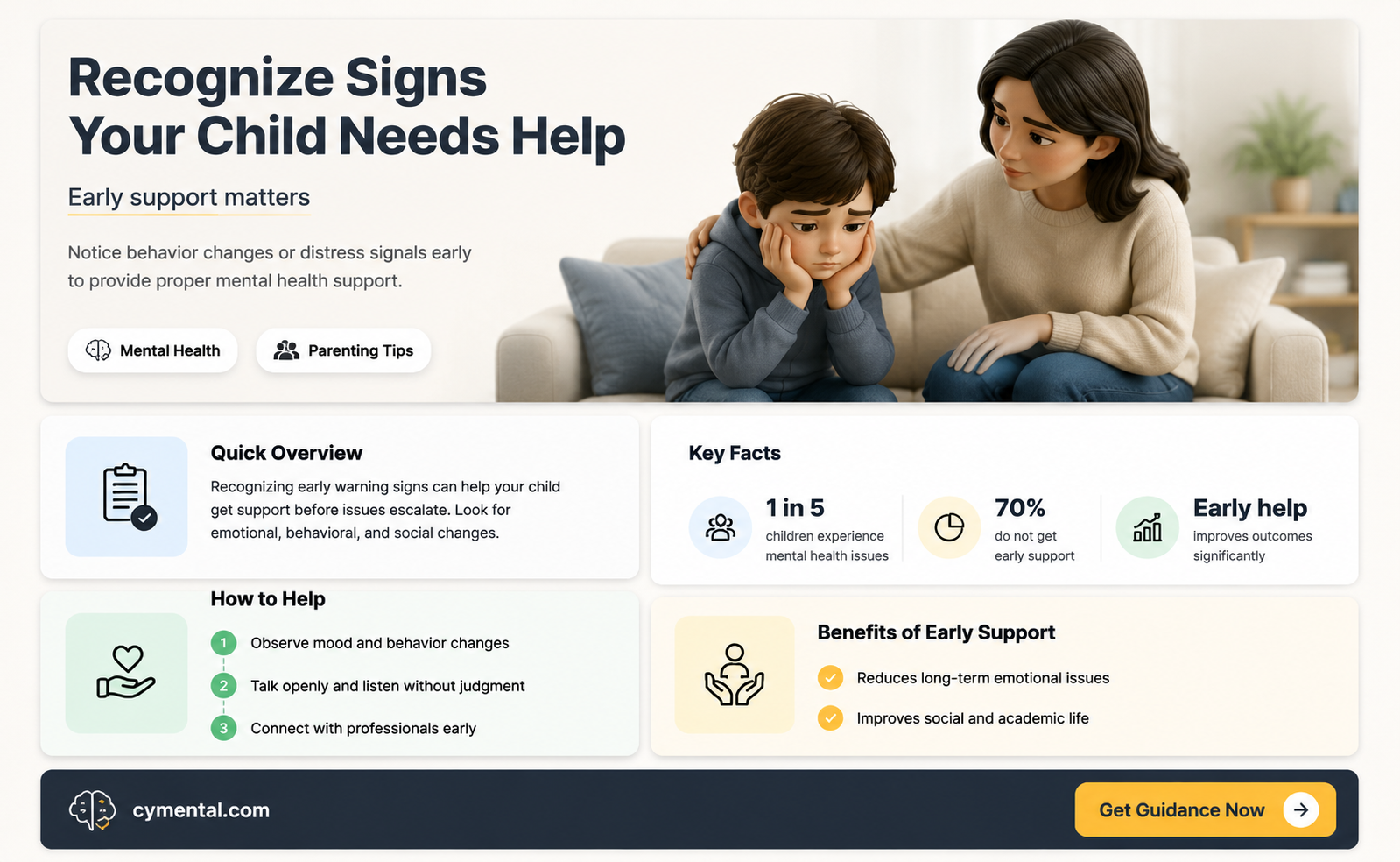
As a parent, it's natural to worry about your child's well-being, and recognizing when they might need mental health support can be challenging. Children and adolescents often struggle to express their emotions or articulate what they're going through, making it essential for caregivers to stay attuned to subtle changes in behavior, mood, or academic performance. Signs such as persistent sadness, withdrawal from social activities, sudden changes in sleep or eating patterns, or frequent outbursts could indicate underlying mental health issues. Seeking professional help early can provide your child with the tools and support they need to navigate their challenges, fostering resilience and long-term emotional health. It’s important to approach the topic with empathy and understanding, ensuring your child feels safe and supported as you explore the best steps forward.
Explore related products





What You'll Learn
- Signs of Anxiety or Depression: Persistent sadness, withdrawal, irritability, or changes in sleep/appetite
- Behavioral Changes: Sudden aggression, defiance, or regression to younger behaviors
- Academic Struggles: Declining grades, lack of focus, or avoidance of school
- Social Withdrawal: Isolating from friends, family, or activities they once enjoyed
- Trauma or Stress: Reactions to bullying, loss, divorce, or major life changes

Signs of Anxiety or Depression: Persistent sadness, withdrawal, irritability, or changes in sleep/appetite
Children often struggle to articulate their emotional pain, making it crucial for parents to recognize subtle yet persistent changes in behavior. Persistent sadness, for instance, may manifest as a constant downcast expression, loss of interest in favorite activities, or frequent tearfulness. Unlike fleeting mood swings, this sadness lingers, often accompanied by vague physical complaints like headaches or stomachaches. Withdrawal is another red flag—a child who once thrived on social interaction may now isolate themselves, avoiding friends, family gatherings, or even school. This retreat into solitude can be a defense mechanism against overwhelming anxiety or depression, signaling a need for intervention.
Irritability, often mistaken for typical adolescent moodiness, can be a less obvious but equally concerning symptom. A child who becomes unusually quick to anger, snaps over minor issues, or seems perpetually on edge may be grappling with internal distress. This behavior is particularly alarming if it represents a significant shift from their baseline temperament. For younger children, irritability might manifest as frequent tantrums or defiance, while older teens may exhibit passive-aggressive behavior or verbal outbursts. Tracking the frequency and intensity of these episodes can help distinguish between normal developmental challenges and deeper mental health issues.
Changes in sleep and appetite are physical markers that often accompany emotional turmoil. A child experiencing anxiety or depression might sleep excessively, struggling to wake up in the morning, or conversely, suffer from insomnia, lying awake for hours. Appetite fluctuations are equally telling—some children may overeat as a coping mechanism, while others lose interest in food entirely, leading to noticeable weight changes. For adolescents, these changes can be particularly insidious, as they may attribute them to growth spurts or lifestyle shifts, delaying recognition of the underlying problem.
Practical steps can help parents monitor these signs effectively. Keep a journal to track behavioral changes over time, noting patterns in mood, sleep, and eating habits. Engage in open, non-judgmental conversations, asking specific questions like, “I’ve noticed you haven’t been sleeping well lately—how are you feeling?” rather than general inquiries. For younger children, use age-appropriate language and tools, such as emotion charts or drawing activities, to encourage expression. If symptoms persist for more than two weeks or interfere with daily functioning, consult a pediatrician or mental health professional. Early intervention can prevent the escalation of anxiety or depression, offering children the support they need to navigate their emotional landscape.
Abacus Training: Unlocking Mental Math Skills and Cognitive Benefits
You may want to see also
Explore related products


Behavioral Changes: Sudden aggression, defiance, or regression to younger behaviors
Children who exhibit sudden aggression, defiance, or regression to younger behaviors may be signaling underlying distress. These changes often emerge without warning, leaving parents puzzled and concerned. For instance, a previously cooperative 8-year-old might start lashing out physically during playdates or a 12-year-old might abruptly refuse to follow household rules, responding with hostility instead. Regression, such as bedwetting after years of dryness or clinging to babyish habits, can also appear in children as old as 10. These behaviors are not merely "phases" but potential indicators of emotional or psychological turmoil.
Analyzing these shifts requires context. Aggression, for example, could stem from frustration over unmet needs, bullying at school, or exposure to violence. Defiance might reflect a child’s struggle for autonomy or a reaction to inconsistent discipline. Regression often serves as a coping mechanism, a retreat to a time when the child felt safer or more in control. A 2020 study in *Child Development* found that children experiencing chronic stress are three times more likely to exhibit regressive behaviors. If these changes persist for more than two weeks or interfere with daily functioning, professional intervention should be considered.
Practical steps can help parents navigate these challenges. First, maintain a calm, consistent response to outbursts; avoid escalating aggression with punitive measures. Instead, use "I" statements to express concern, such as, "I feel worried when you hit because it’s not safe." Second, create structured routines to provide predictability, which can reduce anxiety-driven defiance. For regression, acknowledge the behavior without shaming—for example, "I see you’re feeling upset, and that’s okay. Let’s talk about it." Finally, document patterns of behavior, noting triggers and responses, to share with a mental health professional if needed.
Comparing these behaviors to typical developmental milestones is crucial. While a 4-year-old throwing tantrums might be within normal bounds, a 10-year-old doing the same warrants attention. Similarly, occasional defiance is common in adolescents, but persistent hostility toward authority figures is not. Parents should trust their instincts; if something feels "off," it likely is. Early intervention, such as cognitive-behavioral therapy or family counseling, can address root causes before they escalate.
The takeaway is clear: sudden aggression, defiance, or regression are not behaviors to ignore. They are cries for help, often rooted in emotional pain or environmental stressors. By responding with empathy, consistency, and informed action, parents can guide their children toward healing. Remember, seeking professional help is not a failure but a proactive step toward ensuring a child’s mental well-being.
Social Workers: Essential Allies in Mental Health Support and Recovery
You may want to see also
Explore related products



Academic Struggles: Declining grades, lack of focus, or avoidance of school
A sudden drop in your child's academic performance can be a red flag, signaling underlying mental health challenges. Declining grades, especially in a previously high-achieving student, may indicate anxiety, depression, or attention disorders. For instance, a teenager who once excelled in math but now struggles to complete basic equations might be experiencing cognitive fog, a common symptom of depression. This isn’t about laziness or lack of effort—it’s about a brain that’s overwhelmed, distracted, or emotionally drained. If you notice consistent patterns like missed assignments, falling test scores, or disinterest in subjects they once loved, it’s time to investigate further.
Lack of focus in school often manifests as daydreaming, fidgeting, or an inability to complete tasks. While some children naturally have shorter attention spans, a persistent inability to concentrate could point to ADHD, anxiety, or even trauma. For example, a child who zones out during lessons might be replaying stressful events at home or worrying about social pressures. Teachers often mistake this for disengagement, but it’s crucial to look deeper. Practical steps include observing your child’s behavior in different settings (homework time, playdates) and consulting with educators to identify triggers. Simple adjustments, like breaking tasks into smaller steps or creating a quiet workspace, can sometimes improve focus, but professional evaluation is key if issues persist.
Avoidance of school—whether through feigned illnesses, tantrums, or outright refusal—is a cry for help. Children don’t inherently dislike learning; they avoid situations that feel unsafe or overwhelming. A 10-year-old who complains of stomachaches every morning might be anxious about bullying, academic pressure, or social isolation. Start by validating their feelings (“It sounds like school feels really hard right now”) rather than dismissing concerns. Keep a log of when and why avoidance occurs to spot patterns. If the behavior continues for more than two weeks, involve a mental health professional. School counselors can also mediate by addressing classroom stressors, but therapy may be necessary to tackle root causes like generalized anxiety or low self-esteem.
Comparing academic struggles to physical health can help parents act decisively. Just as you’d seek medical help for a persistent fever, mental health issues require timely intervention. For instance, a child with undiagnosed ADHD might be labeled “unmotivated” when their brain chemistry makes sustained effort nearly impossible. Similarly, a student with high-functioning anxiety may appear fine but internally battle perfectionism or fear of failure. Early intervention—such as cognitive-behavioral therapy (CBT) or mindfulness techniques—can prevent long-term consequences like dropping out or chronic self-doubt. Remember, academic struggles are often symptoms, not the problem itself. Addressing the mental health root can unlock your child’s potential and restore their confidence in learning.
Creatine and Cognitive Clarity: Enhancing Mental Focus with Supplements
You may want to see also
Explore related products


Social Withdrawal: Isolating from friends, family, or activities they once enjoyed
Social withdrawal in children often manifests as a quiet retreat from the world they once engaged with. A child who used to eagerly join family game nights now lingers in their room, headphones on, avoiding eye contact. A teenager who once thrived in soccer practice suddenly claims they’re “not in the mood” and skips every session. These shifts aren’t just about mood swings or typical adolescent behavior—they’re red flags signaling a deeper struggle. When a child isolates themselves from friends, family, or activities they once enjoyed, it’s a cry for help masked in silence.
Consider the mechanics of social withdrawal: it’s often a coping mechanism for underlying issues like anxiety, depression, or bullying. For younger children (ages 6–12), withdrawal might look like refusing playdates or clinging to parents at school drop-off. In teens (ages 13–18), it could escalate to skipping classes, ignoring texts from friends, or abandoning hobbies. The key is to notice the *duration* and *intensity* of the behavior. A day or two of solitude is normal; weeks or months of consistent isolation warrant concern. Practical tip: Track patterns in a journal—note when the withdrawal started, any triggers, and how it’s impacting daily life.
Persuasive action is critical here. Parents often hesitate to intervene, fearing they’ll “push too hard” or “make it worse.” But inaction can allow the issue to fester. Start by creating low-pressure opportunities for connection: a short walk, a favorite meal, or a shared activity they once loved. Use open-ended questions like, “I’ve noticed you haven’t been hanging out with your friends lately—is something bothering you?” Avoid accusatory tones; instead, convey empathy and curiosity. If the withdrawal persists, consult a mental health professional. Early intervention can prevent minor issues from becoming major crises.
Comparing social withdrawal to physical symptoms can help parents grasp its urgency. Just as persistent fever or unexplained pain demands medical attention, prolonged isolation requires mental health evaluation. Think of it as a symptom, not a choice. For instance, a child who stops eating lunch with classmates might be experiencing social anxiety, while a teen who abandons their art club could be grappling with self-esteem issues. The takeaway: Don’t dismiss these changes as “just a phase.” They’re clues to a child’s inner turmoil, and addressing them early can pave the way for healing.
Finally, remember that social withdrawal is often a protective shell, not a permanent state. With patience, understanding, and professional support, children can learn to re-engage with the world. Practical steps include setting small, achievable social goals (e.g., “Let’s invite one friend over this weekend”) and modeling healthy connection as a family. Caution: Avoid forcing socialization, which can backfire. Instead, focus on rebuilding trust and creating a safe space for your child to express their feelings. The goal isn’t to “fix” them but to guide them toward rediscovering joy in relationships and activities.
Lion's Mane Mushroom: A Natural Remedy for Mental Health?
You may want to see also
Explore related products


Trauma or Stress: Reactions to bullying, loss, divorce, or major life changes
Children exposed to bullying often exhibit behavioral changes that serve as red flags. A once outgoing child might retreat into isolation, avoiding social interactions or school altogether. Others may display aggressive outbursts, lashing out at siblings or peers, mirroring the hostility they experience. These reactions stem from a sense of powerlessness and a disrupted sense of safety. For instance, a 10-year-old bullied for their appearance might start wearing baggy clothes to hide their body, a subtle yet telling sign of emotional distress. Parents should monitor these shifts, especially if they persist beyond a few weeks, as prolonged exposure to bullying can lead to anxiety, depression, or even suicidal ideation.
Loss, whether of a loved one, a pet, or a cherished routine, triggers grief responses that vary widely by age. Younger children (ages 3–7) may regress to bedwetting or baby talk, struggling to articulate their emotions. Older children (ages 8–12) might express anger or guilt, questioning why the loss occurred. Adolescents (ages 13–18) often internalize grief, withdrawing from friends and family while grappling with existential questions. A practical tip for parents is to validate these emotions rather than dismiss them. Phrases like “It’s okay to feel sad” or “I miss them too” create a safe space for processing. Encouraging creative outlets, such as drawing or journaling, can also help children externalize their feelings.
Divorce introduces a unique form of stress, as children navigate divided loyalties and disrupted routines. Common reactions include acting out in school, sudden academic decline, or somatic complaints like headaches or stomachaches. A comparative analysis reveals that children aged 6–8 often blame themselves, while preteens may side with one parent, exacerbating conflict. To mitigate this, parents should maintain consistency across households, such as shared bedtime routines or discipline rules. Co-parenting communication is critical; avoid speaking negatively about the other parent, as this can deepen a child’s anxiety. Family therapy can provide a neutral ground for children to express their fears and frustrations.
Major life changes, such as moving to a new city or transitioning schools, can overwhelm a child’s coping mechanisms. Initially, excitement or curiosity may mask underlying stress, but signs of distress emerge over time. Sleep disturbances, clinginess, or a sudden disinterest in favorite activities are common indicators. A persuasive argument for proactive intervention is the long-term impact of unaddressed stress on brain development. Chronic stress can impair the prefrontal cortex, affecting decision-making and emotional regulation. Parents can ease transitions by involving children in the process—letting them pack their belongings or choose their new room’s decor. Establishing a sense of control fosters resilience and reduces anxiety.
In all these scenarios, the key is to recognize that trauma and stress manifest differently across ages and personalities. A descriptive approach reveals that while some children vocalize their pain, others internalize it, making observation crucial. Practical steps include maintaining open communication, monitoring changes in behavior or mood, and seeking professional help if symptoms persist. Pediatricians or child psychologists can provide tailored strategies, such as cognitive-behavioral therapy for anxiety or play therapy for younger children. Early intervention not only alleviates immediate suffering but also equips children with tools to navigate future challenges.
CBD and Mental Health: Exploring Its Potential Benefits and Effects
You may want to see also
Frequently asked questions
Look for persistent changes in behavior, mood, or functioning, such as prolonged sadness, extreme irritability, withdrawal from social activities, difficulty concentrating, or changes in sleep or eating habits. If these symptoms interfere with daily life, consult a mental health professional.
Children of any age can benefit from mental health support. Early intervention is key, so if you notice concerning behaviors or emotional struggles, seek help regardless of age.
Signs include excessive worry, fear, or sadness; frequent headaches or stomachaches; avoidance of school or activities; changes in sleep or appetite; and expressions of hopelessness or worthlessness.
It’s best not to wait. Mental health issues often worsen without intervention. Early support can prevent long-term challenges and help your child develop healthy coping strategies.
Use open, non-judgmental language. Normalize mental health by comparing it to physical health, such as, “Just like we see a doctor for a sore throat, we can talk to someone about feeling sad or worried.” Emphasize that seeking help is a sign of strength.