Ava Ramirez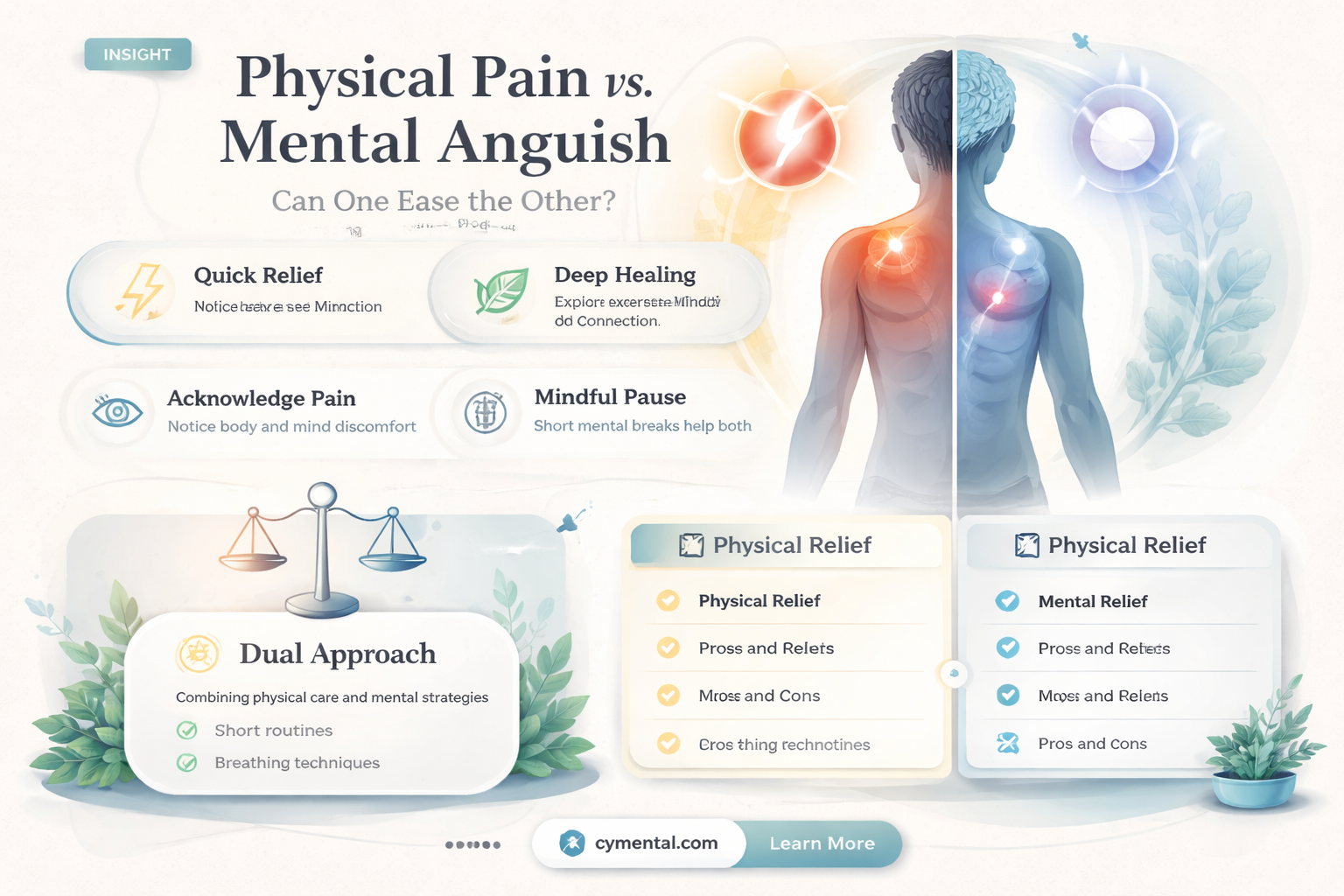
The relationship between physical discomfort and mental discomfort is a complex and intriguing subject that has garnered attention from psychologists, neuroscientists, and philosophers alike. While it may seem counterintuitive, some research and anecdotal evidence suggest that enduring physical discomfort, such as through exercise, cold exposure, or even meditation, can alleviate symptoms of mental distress, including anxiety and depression. This phenomenon is often attributed to the release of endorphins, the body's natural painkillers, and the activation of the parasympathetic nervous system, which promotes relaxation. Additionally, the act of focusing on physical sensations can serve as a form of mindfulness, distracting the mind from negative thoughts and fostering a sense of resilience. However, the effectiveness of this approach varies widely among individuals, and it is essential to consider the potential risks and limitations, as well as the underlying mechanisms, when exploring this connection.
| Characteristics | Values |
|---|---|
| Stress Reduction | Physical discomfort (e.g., exercise, cold exposure) can reduce cortisol levels, alleviating mental stress. |
| Distraction | Physical pain or discomfort can shift focus away from mental distress, providing temporary relief. |
| Endorphin Release | Activities causing physical discomfort (e.g., exercise, endurance sports) release endorphins, improving mood. |
| Mindfulness | Practices like cold showers or yoga can promote mindfulness, reducing anxiety and depression symptoms. |
| Sense of Accomplishment | Overcoming physical challenges can boost self-esteem and mental resilience. |
| Neuroplasticity | Physical activities stimulate brain plasticity, potentially improving mental health outcomes. |
| Regulation of Emotions | Physical discomfort can help regulate emotional responses by grounding individuals in the present moment. |
| Limitations | Not universally effective; may worsen mental discomfort in some individuals or without proper context. |
| Cultural Practices | Traditions like fasting or endurance rituals often link physical discomfort to mental purification or growth. |
| Scientific Evidence | Studies show mixed results; effectiveness depends on individual tolerance, context, and type of discomfort. |
Explore related products


What You'll Learn
- Pain as Distraction: Physical pain can divert attention from emotional distress, offering temporary mental relief
- Exercise and Endorphins: Physical activity releases endorphins, reducing stress and improving mood naturally
- Rituals of Discomfort: Practices like cold showers or fasting may foster mental resilience through discipline
- Sensory Overload Relief: Physical sensations can reset overwhelmed minds by grounding in the present
- Pain Tolerance and Mindset: Enduring physical discomfort can strengthen mental fortitude and coping mechanisms

Pain as Distraction: Physical pain can divert attention from emotional distress, offering temporary mental relief
Physical pain, when controlled and intentional, can act as a cognitive detour, redirecting the mind’s focus away from emotional turmoil. This phenomenon is rooted in the brain’s limited capacity for processing distress. For instance, athletes often describe how the burn of lactic acid during intense exercise eclipses worries about work or relationships. Similarly, practices like cold exposure (e.g., a 2-minute cold shower) or brief pressure-point stimulation (e.g., holding an ice cube until it melts) can create a sensory overload that temporarily drowns out intrusive thoughts. The key lies in the immediacy of physical sensation, which hijacks the brain’s attention mechanisms, offering a brief respite from mental anguish.
To harness this effect safely, consider structured techniques like progressive muscle tension or mindful physical challenges. Start by tensing and releasing muscle groups in sequence (e.g., fists for 5 seconds, then release) for 10 minutes daily. Alternatively, engage in activities like rock climbing or high-intensity interval training (HIIT), where the body’s demand for oxygen and focus on movement leaves little room for rumination. Caution: Avoid self-harm or extreme methods; the goal is controlled discomfort, not injury. For adolescents or individuals with a history of trauma, consult a professional to tailor intensity and ensure safety.
The science behind this distraction lies in the body’s stress response. Physical pain triggers the release of endorphins, the body’s natural painkillers, which can also elevate mood. Simultaneously, the autonomic nervous system prioritizes survival over abstract worries, shifting focus to the present. However, this relief is temporary—a Band-Aid, not a cure. Over-reliance on physical pain as a coping mechanism can lead to desensitization or avoidance of emotional processing. Balance is critical: use it as a tool during acute distress, not a long-term strategy.
Comparatively, this approach contrasts with mindfulness practices, which encourage confronting emotional pain head-on. While mindfulness fosters resilience, physical distraction provides immediate relief, making it a practical option for moments when emotional overwhelm feels unmanageable. For example, someone experiencing a panic attack might benefit from gripping an ice pack or snapping a rubber band on their wrist—simple actions that ground them in the physical world. Pairing these techniques with therapy ensures that distraction becomes a bridge to deeper healing, not a barrier.
In practice, incorporate physical distraction mindfully. Keep a journal to track which activities (e.g., jogging, yoga, or even chewing gum) most effectively shift your mental state. Experiment with duration and intensity, noting how 30 seconds of deep squats or 5 minutes of brisk walking impact your emotional clarity. Remember, the goal is not to escape emotions but to create space for calmer reflection. By understanding and respecting the limits of this tool, you can transform fleeting relief into a stepping stone toward emotional balance.
Accessing Free Mental Health Support: Options and Resources Available
You may want to see also
Explore related products


Exercise and Endorphins: Physical activity releases endorphins, reducing stress and improving mood naturally
Physical discomfort, when channeled through purposeful exercise, can indeed alleviate mental discomfort by triggering the release of endorphins—the body’s natural mood elevators. These neurochemicals act as both pain relievers and happiness boosters, creating a physiological response that counters stress and anxiety. For instance, a 30-minute jog or even a brisk walk can stimulate endorphin production, offering immediate relief from mental strain. This mechanism isn’t just anecdotal; studies show that regular physical activity reduces symptoms of depression and anxiety by up to 26%, rivaling the efficacy of medication in some cases.
To harness this effect, consider incorporating aerobic exercises like cycling, swimming, or dancing into your routine. Aim for at least 150 minutes of moderate-intensity activity weekly, as recommended by health guidelines. For those short on time, high-intensity interval training (HIIT) can yield similar endorphin spikes in as little as 20 minutes. Consistency is key—endorphin levels build over time, creating a sustained improvement in mood rather than a fleeting high.
However, not all discomfort is created equal. While muscle soreness or the burn of a challenging workout can signal progress, pushing beyond your limits risks injury, which may exacerbate mental stress. Listen to your body and differentiate between productive discomfort and harmful pain. For older adults or individuals with chronic conditions, low-impact activities like yoga or tai chi offer endorphin benefits without undue strain.
Pairing exercise with mindfulness can amplify its mental health benefits. Focus on your breath during a workout, or practice gratitude post-exercise to reinforce the positive experience. This dual approach not only boosts endorphins but also rewires the brain to associate physical exertion with emotional reward. Over time, this can transform exercise from a chore into a therapeutic ritual, turning discomfort into a tool for resilience.
In essence, physical discomfort through exercise isn’t merely a distraction from mental unease—it’s a biochemical intervention. By committing to a structured, mindful fitness routine, you can unlock a natural remedy for stress and mood disorders, proving that sometimes, the body’s way of hurting is also its way of healing.
Supporting Your Child’s Mental Health: Practical Steps for Parents
You may want to see also
Explore related products


Rituals of Discomfort: Practices like cold showers or fasting may foster mental resilience through discipline
Physical discomfort, when embraced intentionally, can serve as a catalyst for mental fortitude. Practices like cold showers, fasting, or endurance training are not merely tests of endurance but rituals that reshape the mind’s relationship with adversity. These activities force the body into a state of stress, triggering a cascade of physiological responses—increased cortisol, heightened alertness, and the release of endorphins. Over time, the mind learns to adapt, normalizing discomfort and building resilience. For instance, a 2018 study published in *Medical Hypotheses* suggested that cold showers may reduce symptoms of depression by stimulating the brain’s blue spot, increasing noradrenaline production. This biological mechanism underscores why such practices are more than masochistic trends; they are tools for mental recalibration.
To integrate these rituals effectively, start small and progress incrementally. For cold showers, begin with 30 seconds of cold water at the end of a warm shower, gradually extending the duration to 2–3 minutes over several weeks. Fasting, another potent practice, should be approached with caution. Intermittent fasting, such as the 16:8 method (16 hours fasting, 8 hours eating), is a manageable starting point for adults under 65 with no underlying health conditions. Always consult a healthcare professional before attempting prolonged fasts. The key is consistency; these rituals are not one-off challenges but daily disciplines that train the mind to endure and thrive under pressure.
The comparative value of these practices lies in their ability to simulate stress in a controlled environment. Unlike real-life stressors, which are often unpredictable and overwhelming, rituals of discomfort are self-imposed and manageable. For example, fasting teaches the mind to tolerate hunger, a discomfort that mirrors the frustration or impatience one might face in personal or professional life. Similarly, cold showers demand immediate presence, forcing the mind to focus on the sensation rather than spiraling into anxiety or rumination. This mindfulness, cultivated through physical discomfort, translates into greater emotional regulation in daily life.
However, these practices are not without risks. Overexposure to cold can lead to hypothermia, while prolonged fasting may result in nutrient deficiencies or metabolic imbalances. It’s crucial to listen to your body and prioritize safety. For instance, individuals with cardiovascular conditions should avoid cold showers, as the sudden temperature drop can strain the heart. Similarly, those with a history of eating disorders should steer clear of fasting. The goal is not to punish the body but to train the mind, and this distinction is vital for sustainable practice.
In conclusion, rituals of discomfort are not about suffering for the sake of it; they are strategic exercises in mental conditioning. By systematically exposing oneself to controlled physical stress, one can build the discipline and resilience needed to navigate life’s inevitable challenges. Whether it’s the shock of cold water or the discipline of fasting, these practices offer a tangible way to strengthen the mind-body connection. Start small, stay consistent, and respect your limits—the rewards of mental resilience are well worth the temporary discomfort.
Beyond Reach: Can Some Minds Resist Mental Health Treatment?
You may want to see also
Explore related products





Sensory Overload Relief: Physical sensations can reset overwhelmed minds by grounding in the present
Physical discomfort, when harnessed intentionally, can serve as a powerful tool to alleviate mental distress by anchoring the mind in the present moment. This principle underpins the concept of sensory overload relief, where targeted physical sensations disrupt the cycle of overwhelming thoughts. For instance, the sharp sting of holding an ice cube or the intense pressure of a firm fist clench can immediately shift focus from spiraling anxiety to the tangible, here-and-now experience of the body. Such techniques, often used in grounding exercises, exploit the brain’s inability to fully attend to both mental and physical stimuli simultaneously, offering a temporary reprieve from mental chaos.
To implement this strategy effectively, consider a structured approach. Start with a 15-second exposure to a controlled physical sensation, such as submerging your face in cold water or pressing your palms against a wall with full force. These actions should be intense enough to demand attention but not cause harm. For children or individuals with sensory sensitivities, milder options like chewing crunchy foods (e.g., carrots or granola) or wearing a weighted blanket can achieve similar results. The key is consistency: practice these techniques during moments of calm to build familiarity, making them more accessible during acute episodes of mental overwhelm.
While the immediate relief is undeniable, it’s crucial to differentiate between temporary grounding and long-term coping. Physical sensations act as a reset button, not a cure. Over-reliance on discomfort-based techniques without addressing underlying issues may lead to desensitization or avoidance behaviors. For example, repeatedly using pain to escape emotional distress can inadvertently reinforce the brain’s association between discomfort and relief, potentially complicating future therapeutic interventions. Pairing these methods with mindfulness practices or professional therapy ensures a balanced approach.
A comparative analysis reveals the versatility of this technique across age groups and contexts. Teenagers grappling with exam stress might benefit from the rhythmic pressure of squeezing a stress ball, while adults in high-pressure environments could find solace in the deliberate discomfort of a cold shower. In clinical settings, occupational therapists often incorporate sensory integration tools, like textured surfaces or vibration devices, to help individuals with ADHD or autism manage overstimulation. Each application underscores the adaptability of physical sensations as a universal yet personalized tool for mental recalibration.
In conclusion, sensory overload relief through physical sensations offers a tangible, accessible pathway to grounding an overwhelmed mind. By strategically engaging the body, individuals can interrupt mental distress and reclaim presence. However, this method is most effective when integrated into a broader toolkit of emotional regulation strategies. Whether through a fleeting pinch or sustained pressure, the intentional use of physical discomfort reminds us that sometimes, the way out of the mind is through the body.
Mindfulness and Mental Health: Unlocking Inner Peace and Resilience
You may want to see also
Explore related products


Pain Tolerance and Mindset: Enduring physical discomfort can strengthen mental fortitude and coping mechanisms
Physical discomfort, whether from intense exercise, cold exposure, or endurance challenges, can act as a crucible for mental resilience. When the body is pushed beyond its comfort zone, the mind adapts by developing coping strategies that extend far beyond the immediate pain. For instance, studies show that individuals who engage in regular high-intensity interval training (HIIT) not only improve their cardiovascular health but also exhibit greater emotional regulation and stress tolerance. This phenomenon is rooted in the body’s stress response: as physical stress increases, the brain releases endorphins and other neurochemicals that foster a sense of accomplishment and calm. Over time, this process rewires the mind to approach mental discomfort with a similar tenacity, viewing challenges as surmountable rather than insurmountable.
To harness this effect, consider incorporating controlled physical discomfort into your routine. Start with activities like cold showers, which have been shown to reduce symptoms of depression and anxiety in some individuals. Begin with 30 seconds of cold water exposure daily, gradually increasing to 2–3 minutes over several weeks. Similarly, endurance exercises like long-distance running or yoga can build mental fortitude by teaching the mind to persist through fatigue. For example, holding a challenging yoga pose for 60 seconds forces the brain to confront discomfort and find focus, a skill transferable to managing mental stress. The key is consistency: regular exposure to manageable physical stress trains the mind to remain calm under pressure.
However, it’s crucial to differentiate between productive discomfort and harmful pain. Pushing through soreness is one thing, but ignoring injury or chronic pain can lead to long-term damage. For instance, while a marathon runner might benefit from enduring muscle fatigue, running through a stress fracture would be counterproductive. Always listen to your body and consult a healthcare professional if pain persists. Additionally, not all forms of physical discomfort yield mental benefits; the activity should be voluntary and purposeful. Forcing oneself into uncomfortable situations without consent or preparation can lead to trauma rather than resilience.
Comparing physical and mental discomfort reveals a shared underlying principle: both require patience, adaptability, and a willingness to confront difficulty. Just as lifting progressively heavier weights builds muscle, gradually increasing exposure to mental challenges strengthens psychological resilience. For example, mindfulness practices like meditation often involve sitting with discomfort—whether physical (like a sore back) or mental (like intrusive thoughts). By enduring these sensations without reacting, practitioners train their minds to remain steady in the face of adversity. This parallels the way athletes learn to push through physical pain, recognizing it as temporary and manageable.
Incorporating physical discomfort into your life doesn’t require extreme measures. Simple, consistent practices can yield significant mental benefits. For instance, fasting for 12–16 hours (after consulting a doctor) teaches the mind to tolerate hunger, a form of discomfort that fosters discipline and focus. Similarly, engaging in activities like rock climbing or martial arts combines physical challenge with problem-solving, enhancing both mental and emotional resilience. The takeaway is clear: by intentionally enduring controlled physical discomfort, you can build a mindset that approaches mental challenges with confidence and clarity. Start small, stay consistent, and watch as your mental fortitude grows alongside your physical endurance.
Mental Health Support: A Key to Preventing School Shootings?
You may want to see also
Frequently asked questions
Yes, physical discomfort from activities like exercise can reduce mental discomfort by releasing endorphins, reducing stress hormones, and improving mood.
Yes, cold exposure can act as a mild stressor, triggering the release of norepinephrine and endorphins, which may help reduce symptoms of anxiety and depression.
Physical pain can exacerbate mental discomfort by increasing stress and reducing overall well-being, but managed physical challenges (like exercise) can have the opposite effect.
Practices like yoga combine physical discomfort with mindfulness, promoting relaxation, reducing cortisol levels, and improving mental clarity.
Yes, studies show that physical activities causing discomfort (e.g., exercise, cold therapy) can improve mental health by regulating neurotransmitters and reducing symptoms of anxiety and depression.