Ava Ramirez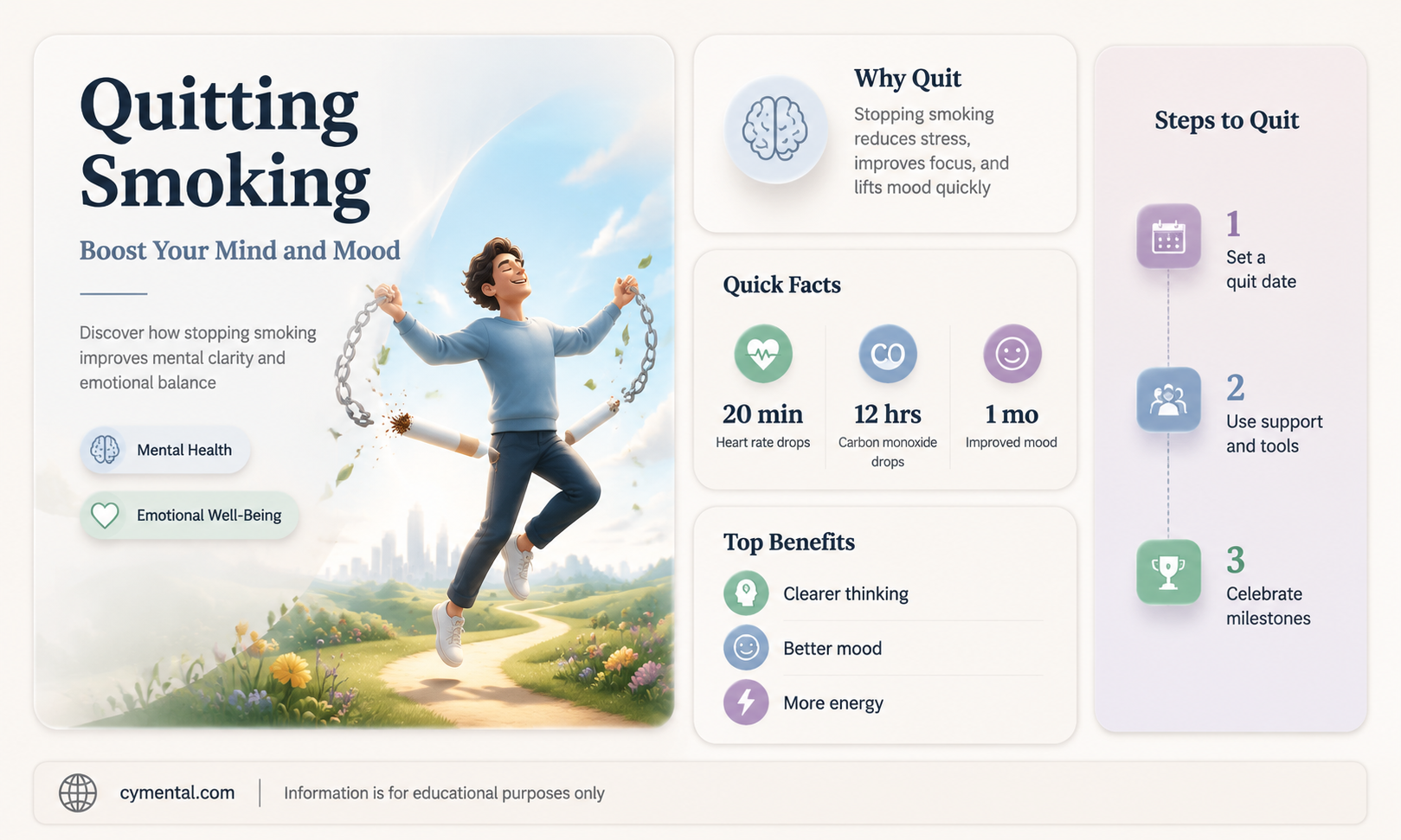
Quitting smoking is often associated with physical health benefits, such as reduced risk of heart disease and lung cancer, but its impact on mental health is equally significant. Research suggests that while many smokers turn to cigarettes as a coping mechanism for stress, anxiety, or depression, the act of quitting can actually improve mental well-being over time. Nicotine withdrawal may initially exacerbate feelings of irritability or anxiety, but studies show that former smokers often report lower levels of depression, improved mood, and enhanced overall quality of life within weeks to months after quitting. Additionally, breaking free from the cycle of addiction can boost self-esteem and provide a sense of accomplishment, further contributing to better mental health outcomes. Thus, quitting smoking not only benefits the body but also plays a crucial role in fostering a healthier mind.
| Characteristics | Values |
|---|---|
| Reduction in Anxiety | Studies show a significant decrease in anxiety symptoms after quitting smoking, with improvements often noticeable within weeks. |
| Improved Mood | Quitting smoking is associated with reduced symptoms of depression and an overall improvement in mood and emotional well-being. |
| Stress Reduction | While smoking is often used as a coping mechanism for stress, quitting leads to better stress management and lower stress levels over time. |
| Enhanced Cognitive Function | Quitting smoking improves concentration, memory, and overall cognitive performance, reversing some of the negative effects of nicotine on the brain. |
| Better Sleep Quality | Smokers often experience sleep disturbances; quitting improves sleep patterns, including deeper sleep and reduced insomnia. |
| Increased Resilience | Quitting smoking is linked to greater psychological resilience, helping individuals better cope with life’s challenges. |
| Reduced Risk of Mental Health Disorders | Long-term smoking cessation is associated with a lower risk of developing severe mental health conditions, such as major depressive disorder. |
| Improved Quality of Life | Quitting smoking leads to an overall higher quality of life, including better mental and emotional health. |
| Positive Behavioral Changes | Quitting often encourages healthier lifestyle choices, such as increased physical activity and better dietary habits, which further support mental health. |
| Social and Emotional Benefits | Quitting smoking can improve social relationships and self-esteem, as individuals no longer feel stigmatized by their smoking habit. |
Explore related products



What You'll Learn

Reduced Anxiety and Stress
Smoking often serves as a crutch for managing stress, yet the nicotine in cigarettes actually exacerbates anxiety by disrupting neurotransmitter balance and increasing heart rate. Paradoxically, quitting smoking can lead to a significant reduction in anxiety and stress levels. Studies show that within weeks of cessation, former smokers report lower stress levels compared to when they were smoking, challenging the myth that smoking alleviates tension.
Consider the physiological mechanisms at play. Nicotine withdrawal initially heightens anxiety, but as the body detoxifies, cortisol (the stress hormone) levels stabilize. A 2018 study published in *JAMA Internal Medicine* found that individuals who quit smoking experienced a 20% reduction in anxiety symptoms within six months. This shift occurs as the brain’s dopamine receptors recover, restoring natural mood regulation without the artificial spikes and crashes caused by nicotine.
Practical strategies can amplify these benefits. Incorporating mindfulness techniques, such as deep breathing exercises or progressive muscle relaxation, during the first few weeks of quitting can mitigate withdrawal-induced stress. Physical activity, even a 10-minute walk, releases endorphins that counteract anxiety. For those over 30, combining smoking cessation with moderate exercise has been shown to improve mental resilience more effectively than either approach alone.
A comparative analysis reveals that while smoking provides temporary relief, it perpetuates a cycle of dependency and heightened stress. Non-smokers, on average, report lower baseline anxiety levels than smokers, according to a 2021 survey by the American Psychological Association. Quitting breaks this cycle, offering long-term mental health benefits that far outweigh the fleeting "calm" of a cigarette.
In conclusion, quitting smoking is not just a physical health decision but a powerful step toward reducing anxiety and stress. By understanding the science, leveraging practical tools, and embracing a holistic approach, individuals can reclaim their mental well-being and break free from nicotine’s grip.
Navigating Mental Health Struggles: Finding Support When Work Feels Impossible
You may want to see also
Explore related products


Improved Mood and Depression Symptoms
Quitting smoking isn’t just about physical health—it directly impacts mental well-being, particularly mood and depression symptoms. Research consistently shows that nicotine withdrawal can temporarily worsen mood, but within weeks of quitting, individuals often report significant emotional improvements. A study published in *The Lancet* found that smokers who quit experienced reduced anxiety and depression levels comparable to those taking antidepressants. This isn’t merely anecdotal; the brain’s chemistry shifts as it adjusts to the absence of nicotine, leading to more stable and positive emotional states.
Consider the mechanism behind this change. Nicotine provides a short-term dopamine spike, creating a cycle of dependency that masks underlying mood issues. When you quit, the brain recalibrates its natural dopamine production, which can take time. However, this recalibration is key to breaking free from the emotional rollercoaster smoking often perpetuates. For instance, a 2014 study in *Psychological Medicine* revealed that ex-smokers had a 25% lower risk of developing depression compared to those who continued smoking. This isn’t just about removing a harmful substance—it’s about restoring the brain’s ability to regulate mood effectively.
Practical steps can accelerate these mental health benefits. Incorporating mindfulness or meditation into your routine can help manage withdrawal-related mood swings. Physical activity, even 20–30 minutes daily, boosts endorphins and reduces stress, counteracting the temporary emotional dip. Additionally, staying hydrated and maintaining a balanced diet rich in omega-3 fatty acids (found in fish, nuts, and seeds) supports brain health during this transition. These habits not only ease quitting but also amplify the long-term mood improvements.
A cautionary note: quitting smoking is a process, and mood fluctuations are normal. If depression symptoms persist or worsen, seek professional help. Therapies like cognitive-behavioral therapy (CBT) or medication can provide additional support. Remember, quitting smoking is a mental health intervention in itself, but it’s not a substitute for addressing deeper psychological issues. The goal is holistic well-being, and improved mood is a significant step in that direction.
In summary, quitting smoking offers a clear path to better mood and reduced depression symptoms. While the initial phase may be challenging, the brain’s ability to heal and rebalance is remarkable. By understanding the science, adopting supportive habits, and seeking help when needed, you can unlock not just physical health benefits but a more stable, positive emotional state. The journey is worth it—not just for your lungs, but for your mind.
Can You Force Someone to Seek Mental Health Treatment?
You may want to see also
Explore related products





Enhanced Cognitive Function and Focus
Nicotine, the primary addictive substance in cigarettes, is often mistakenly believed to enhance focus and cognitive performance. However, this is a short-term illusion. While nicotine can temporarily increase alertness, it simultaneously disrupts normal brain function, leading to dependence and impaired cognitive abilities over time. Quitting smoking, on the other hand, has been shown to reverse these negative effects, leading to significant improvements in cognitive function and focus.
The Science Behind the Improvement
Studies have demonstrated that quitting smoking can lead to increased blood flow and oxygen delivery to the brain, which is essential for optimal cognitive performance. A 2018 study published in the *Journal of Alzheimer's Disease* found that smokers who quit experienced significant improvements in memory, attention, and information processing speed within just 2-3 months of cessation. This is because the brain begins to repair itself once the toxic effects of smoking are removed.
Practical Tips for Maximizing Cognitive Benefits
To enhance cognitive function and focus after quitting smoking, consider incorporating the following habits into your daily routine:
- Exercise regularly: Aim for at least 30 minutes of moderate-intensity exercise, such as brisk walking or cycling, 5 days a week. Exercise has been shown to increase blood flow to the brain and promote the growth of new brain cells.
- Stay hydrated: Drink at least 8-10 glasses of water per day to maintain optimal brain function. Dehydration can impair cognitive performance, so make sure to replenish fluids regularly.
- Practice mindfulness: Engage in activities like meditation, deep breathing, or yoga to reduce stress and improve focus. A study published in *Psychiatry Research: Neuroimaging* found that mindfulness practices can increase gray matter density in brain regions associated with attention and cognitive control.
- Get enough sleep: Aim for 7-9 hours of sleep per night to allow your brain to consolidate memories and recharge. Chronic sleep deprivation can impair cognitive function, so prioritize sleep as part of your smoking cessation plan.
Comparing Cognitive Benefits Across Age Groups
The cognitive benefits of quitting smoking are not limited to any specific age group. However, the extent of improvement may vary depending on age and duration of smoking. For instance:
- Young adults (18-25): Quitting smoking can lead to significant improvements in attention, memory, and information processing speed, which can have a profound impact on academic and professional performance.
- Middle-aged adults (35-55): Quitting smoking can help mitigate age-related cognitive decline and reduce the risk of developing neurodegenerative diseases like Alzheimer's and Parkinson's.
- Older adults (65+): Quitting smoking can improve cognitive function and reduce the risk of dementia, even in individuals who have smoked for decades.
A Compelling Takeaway
Quitting smoking is not just about improving physical health; it's also about unlocking your brain's full potential. By removing the toxic effects of nicotine and adopting healthy habits, you can experience significant enhancements in cognitive function and focus, regardless of your age or smoking history. As you navigate the challenges of smoking cessation, remember that the rewards – a sharper mind, improved concentration, and better overall brain health – are well worth the effort.
Occupational Therapy's Role in Mental Health: A Comprehensive Guide
You may want to see also
Explore related products




Decreased Risk of Mental Health Disorders
Quitting smoking isn’t just about improving physical health—it significantly reduces the risk of developing mental health disorders. Research consistently shows that smokers are at a higher risk for conditions like anxiety, depression, and even schizophrenia compared to nonsmokers. Nicotine, while often touted as a stress reliever, actually disrupts neurotransmitter balance in the brain, exacerbating mood instability over time. By quitting, individuals can restore this balance, lowering their susceptibility to these disorders.
Consider the mechanism: nicotine withdrawal mimics symptoms of anxiety and depression, creating a vicious cycle where smokers use cigarettes to temporarily alleviate these feelings, only to deepen their dependency. Breaking this cycle through cessation allows the brain to recalibrate. Studies indicate that within 6 months of quitting, many individuals report a noticeable reduction in anxiety and depressive symptoms. For those with pre-existing conditions, quitting can enhance the effectiveness of mental health treatments, as nicotine interferes with the absorption of medications like antidepressants.
Practical steps to mitigate mental health risks during cessation include combining nicotine replacement therapy (NRT) with behavioral strategies. For instance, using a nicotine patch (7–21 mg/day) paired with counseling can ease withdrawal while addressing psychological triggers. Younger adults (ages 18–25), who are particularly vulnerable to nicotine’s impact on brain development, stand to gain the most from early cessation. Apps like Smoke Free or support groups provide structured guidance, reducing the risk of relapse and associated mental health setbacks.
Comparatively, the long-term benefits of quitting far outweigh temporary discomfort. While withdrawal symptoms peak within the first week, the risk of developing severe mental health disorders decreases substantially over time. A 2014 study published in *The Lancet* found that ex-smokers had a 25% lower risk of depression and anxiety compared to current smokers after 6 years. This highlights the importance of persistence—even if mental health challenges arise during cessation, they are often transient and outweighed by lasting benefits.
Finally, integrating holistic practices like mindfulness, exercise, or social support can amplify these gains. Physical activity, for example, releases endorphins that counteract withdrawal-induced mood dips. For older adults (ages 50+), quitting smoking not only reduces mental health risks but also improves cognitive function, as nicotine is linked to accelerated brain aging. By viewing cessation as a proactive step toward mental resilience, individuals can transform their health trajectory, one smoke-free day at a time.
Dark Chocolate's Role in Supporting Mental Health: Fact or Fiction?
You may want to see also
Explore related products


Better Sleep Quality and Relaxation
Nicotine, the stimulant found in cigarettes, disrupts sleep patterns by interfering with the body's natural circadian rhythm. It mimics acetylcholine, a neurotransmitter that promotes wakefulness, making it harder to fall asleep and stay asleep. When you quit smoking, your body begins to restore its natural sleep-wake cycle. Studies show that former smokers experience significant improvements in sleep quality within the first month of quitting. This isn’t just about feeling more rested—better sleep directly contributes to improved mood, cognitive function, and overall mental well-being.
To maximize sleep quality after quitting smoking, establish a consistent sleep routine. Aim to go to bed and wake up at the same time every day, even on weekends. Create a relaxing bedtime ritual that excludes screens at least an hour before sleep, as the blue light emitted by devices can further disrupt your circadian rhythm. Instead, engage in calming activities like reading, meditation, or gentle stretching. Avoid caffeine and heavy meals close to bedtime, as they can exacerbate nicotine withdrawal symptoms and make it harder to unwind.
Comparing smokers to non-smokers highlights the stark difference in sleep quality. Smokers are more likely to experience insomnia, fragmented sleep, and reduced REM sleep—the stage crucial for emotional regulation and memory consolidation. Quitting smoking not only reverses these effects but also reduces the risk of sleep disorders like sleep apnea, which is more prevalent among smokers. Over time, the body’s ability to achieve deep, restorative sleep improves, leading to increased energy levels and a more stable mental state.
One practical tip for those struggling with sleep during the initial stages of quitting is to incorporate relaxation techniques. Deep breathing exercises, progressive muscle relaxation, or guided sleep meditations can help calm the mind and body. For instance, the 4-7-8 breathing technique—inhale for 4 seconds, hold for 7 seconds, exhale for 8 seconds—can reduce anxiety and promote relaxation. Additionally, keeping a sleep diary can help track progress and identify patterns that may be hindering sleep, allowing for targeted adjustments.
In conclusion, better sleep quality and relaxation are tangible benefits of quitting smoking that directly impact mental health. By understanding the role of nicotine in sleep disruption and implementing practical strategies, individuals can enhance their sleep patterns and overall well-being. The journey to improved sleep may take time, but the long-term rewards—increased energy, better mood, and reduced stress—make it a worthwhile endeavor.
Boost Your Mental Health: The Role of B Vitamins Explained
You may want to see also
Frequently asked questions
Yes, quitting smoking can improve mental health. Studies show that quitting reduces symptoms of anxiety and depression, enhances mood, and increases overall psychological well-being over time.
Yes, some people may experience temporary increases in anxiety, irritability, or stress during the initial phase of quitting due to nicotine withdrawal. However, these symptoms typically subside within a few weeks.
Quitting smoking reduces the risk of developing mental health disorders like depression and anxiety in the long term. It also improves cognitive function, reduces stress levels, and enhances overall quality of life.