Ava Ramirez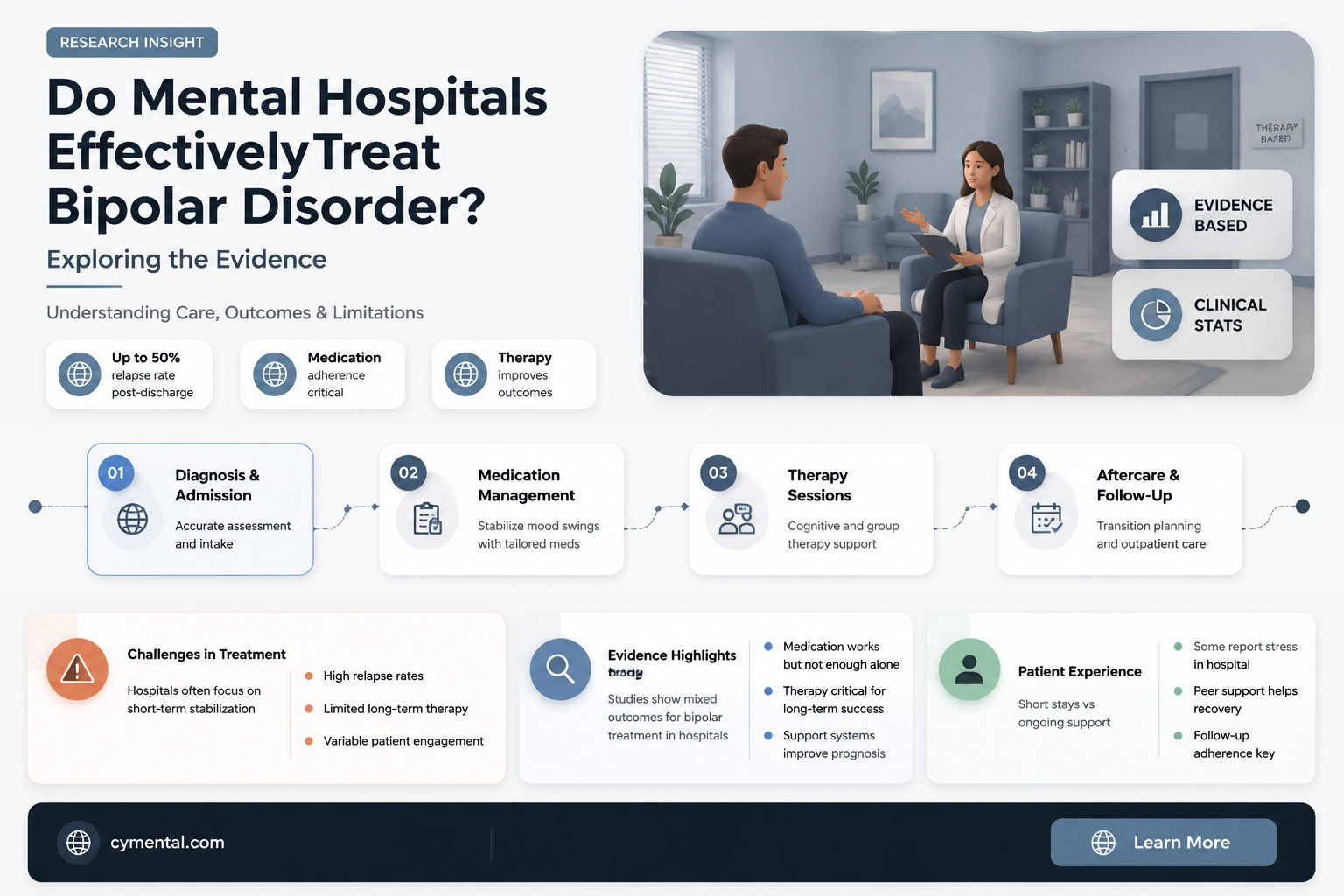
Mental hospitals, also known as psychiatric hospitals, play a crucial role in the treatment and management of bipolar disorder, a complex mental health condition characterized by extreme mood swings, ranging from manic highs to depressive lows. These specialized facilities offer intensive, structured care, including medication management, psychotherapy, and crisis intervention, which can be particularly beneficial during severe episodes when outpatient treatment may not suffice. While the effectiveness of mental hospitals varies depending on individual needs and the quality of care provided, they often serve as a vital resource for stabilizing acute symptoms, preventing self-harm or harm to others, and equipping patients with coping strategies. However, their long-term impact on bipolar disorder management is often complemented by ongoing outpatient care, support networks, and personalized treatment plans to ensure sustained recovery and improved quality of life.
Explore related products


What You'll Learn

Effectiveness of inpatient treatment for bipolar disorder
Inpatient treatment for bipolar disorder often serves as a critical intervention during acute episodes, particularly when individuals experience severe mania, depression, or psychosis. Hospitalization provides a structured environment where medical professionals can stabilize symptoms through medication adjustments, psychotherapy, and 24-hour monitoring. For instance, antipsychotics like olanzapine or quetiapine, often prescribed at doses of 10–20 mg daily, are commonly initiated or optimized during inpatient stays to manage manic episodes. Similarly, mood stabilizers such as lithium (targeting a serum level of 0.8–1.0 mEq/L) or valproate are fine-tuned to prevent mood swings. This immediate and intensive approach can rapidly reduce the risk of self-harm, hospitalization, or harm to others, making it a vital tool in crisis management.
However, the effectiveness of inpatient treatment extends beyond symptom stabilization. It offers a unique opportunity for comprehensive assessment, including ruling out medical conditions that mimic bipolar symptoms, such as thyroid disorders or substance-induced mood disturbances. Patients also benefit from psychoeducation, learning to recognize early warning signs of relapse and develop coping strategies. For example, cognitive-behavioral therapy (CBT) sessions during hospitalization teach individuals to challenge negative thought patterns and regulate emotions. This dual focus on biological and psychological interventions distinguishes inpatient care from outpatient settings, where such intensive support is often unfeasible.
Despite its benefits, inpatient treatment is not without limitations. The abrupt removal from one’s usual environment can be disorienting, and the short-term nature of stays (typically 5–14 days) may not address long-standing issues like medication adherence or social functioning. For adolescents and young adults, hospitalization can disrupt education or employment, requiring careful aftercare planning. Moreover, the stigma associated with psychiatric hospitalization may deter some individuals from seeking help, underscoring the need for compassionate, patient-centered approaches. Studies show that integrating inpatient care with outpatient follow-up, such as case management or peer support programs, significantly improves long-term outcomes, reducing relapse rates by up to 30%.
A comparative analysis reveals that inpatient treatment is most effective for specific populations, such as those with treatment-resistant bipolar disorder or comorbid conditions like substance abuse. For example, integrated treatment models, where addiction and mental health services are provided concurrently, have shown greater efficacy than standalone interventions. Conversely, individuals with mild symptoms or strong support systems may derive less benefit from hospitalization, as outpatient care can often suffice. Tailoring treatment to individual needs, rather than adopting a one-size-fits-all approach, is crucial for maximizing the effectiveness of inpatient care.
In conclusion, inpatient treatment for bipolar disorder is a powerful but specialized tool, best reserved for acute crises or complex cases. Its success hinges on a combination of rapid symptom management, comprehensive assessment, and seamless transition to outpatient care. By addressing both immediate and long-term needs, hospitalization can serve as a turning point in a patient’s recovery journey, provided it is part of a holistic treatment plan. For clinicians and caregivers, understanding its strengths and limitations is key to leveraging this resource effectively.
CoQ10 and Mental Clarity: Can It Reduce Confusion?
You may want to see also
Explore related products


$40.95 $40.95


Role of therapy in bipolar disorder management
Therapy is a cornerstone in the management of bipolar disorder, offering structured support that medication alone cannot provide. Unlike pharmacological treatments, which primarily target symptom stabilization, therapy addresses the behavioral, emotional, and cognitive aspects of the condition. Cognitive Behavioral Therapy (CBT), for instance, helps individuals identify and reframe negative thought patterns that can trigger mood episodes. Dialectical Behavior Therapy (DBT) focuses on emotional regulation and distress tolerance, equipping patients with tools to manage intense emotions without resorting to harmful behaviors. These therapeutic modalities are not one-size-fits-all; they are tailored to the individual’s specific needs, making them a vital component of personalized treatment plans.
Consider the case of a 32-year-old diagnosed with bipolar I disorder who experiences frequent manic episodes. Through CBT, she learns to recognize early warning signs, such as increased irritability and decreased sleep, and develops strategies to intervene before a full-blown episode occurs. Her therapist also works with her to establish a consistent daily routine, including sleep hygiene practices and stress management techniques. Over time, she reports fewer hospitalizations and improved overall functioning, highlighting the practical impact of therapy in real-world scenarios. This example underscores how therapy complements medication by fostering self-awareness and proactive coping mechanisms.
While therapy is effective, it is not without challenges. Adherence can be difficult, especially during depressive episodes when motivation is low. Therapists often address this by setting small, achievable goals and incorporating family members or support systems into the treatment process. For adolescents and young adults, who may struggle with stigma or resistance to therapy, engaging modalities like art therapy or group sessions can make the process more accessible and less intimidating. Additionally, combining therapy with medication adherence monitoring, such as through digital apps or regular check-ins, can enhance outcomes. Practical tips include scheduling sessions at the same time each week to build consistency and using journaling to track mood patterns between sessions.
Comparatively, therapy in bipolar disorder management differs from its role in other mental health conditions due to the cyclical nature of the illness. While therapy for depression or anxiety often focuses on symptom reduction, bipolar therapy must also address the unique challenges of managing both manic and depressive phases. This dual focus requires therapists to be highly adaptive, shifting strategies as the patient’s mood state changes. For example, during a manic phase, therapy might emphasize grounding techniques and reality testing, whereas during a depressive phase, it might focus on behavioral activation and cognitive restructuring. This dynamic approach ensures that therapy remains relevant and effective across the spectrum of bipolar disorder.
In conclusion, therapy plays an indispensable role in bipolar disorder management by providing individuals with the skills and insights needed to navigate the complexities of the condition. Its effectiveness lies in its ability to be customized, addressing not just symptoms but also the underlying thought patterns and behaviors that contribute to mood instability. While challenges like adherence exist, they can be mitigated through strategic interventions and support systems. By integrating therapy into a comprehensive treatment plan, individuals with bipolar disorder can achieve greater stability, reduce hospitalizations, and improve their quality of life.
Gaming's Surprising Benefits: Boosting Mental Health and Well-Being
You may want to see also
Explore related products





Medication management in mental hospitals
Mental hospitals often serve as critical hubs for stabilizing individuals with bipolar disorder, particularly during acute episodes. Medication management is a cornerstone of this stabilization process, requiring precision and adaptability. Unlike outpatient settings, inpatient care allows for immediate adjustments to medication regimens, often starting with mood stabilizers like lithium or valproate. Initial dosages, such as 300 mg of lithium twice daily, are titrated based on blood levels and symptom response, ensuring therapeutic efficacy without toxicity. Antipsychotics, such as olanzapine (10–20 mg/day), may be added for manic symptoms, while antidepressants are used cautiously to avoid triggering mania. This structured environment ensures adherence and rapid symptom control, laying the groundwork for long-term management.
The inpatient setting also facilitates comprehensive monitoring of medication side effects, a challenge in outpatient care. For instance, lithium requires regular renal function and thyroid tests, while antipsychotics necessitate metabolic monitoring due to risks like weight gain or diabetes. Nurses and physicians collaborate to track vital signs, lab results, and patient-reported symptoms, enabling swift interventions. For example, if a patient on quetiapine (300–800 mg/day) experiences sedation, doses may be split or reduced. This level of oversight minimizes risks and maximizes benefits, a luxury not always available outside hospital walls.
A unique aspect of medication management in mental hospitals is the emphasis on psychoeducation. Patients and families are taught about the purpose of each medication, potential side effects, and the importance of adherence. For instance, a 25-year-old patient might learn that abrupt lithium discontinuation can precipitate relapse, while a parent of a teenager could understand the role of lamotrigine (50–200 mg/day) in preventing depressive episodes. This knowledge empowers individuals to actively participate in their treatment, fostering better outcomes post-discharge.
Comparatively, inpatient medication management differs from outpatient care in its intensity and immediacy. While outpatient treatment relies on periodic check-ins, inpatient care offers daily assessments and real-time adjustments. For example, if a patient responds poorly to carbamazepine (400–1200 mg/day), an alternative like oxcarbazepine can be introduced within hours. This agility is particularly vital during severe episodes, where rapid symptom control can prevent self-harm or hospitalization prolongation. However, this approach also underscores the need for seamless transition planning to outpatient providers to maintain continuity.
In conclusion, medication management in mental hospitals is a dynamic, patient-centered process that combines pharmacological expertise with holistic care. It addresses the acute needs of bipolar disorder while equipping individuals with the knowledge and tools for long-term stability. By balancing precision, monitoring, and education, mental hospitals not only stabilize patients but also transform their relationship with treatment, turning medication from a burden into a lifeline.
Altruism's Healing Power: Can Selfless Acts Improve Mental Health?
You may want to see also
Explore related products




Impact of hospitalization on bipolar recovery
Hospitalization for bipolar disorder often serves as a critical intervention during acute episodes, providing a structured environment to stabilize mood, ensure safety, and adjust medication regimens. For individuals experiencing severe mania or depression, inpatient care offers immediate access to psychiatric expertise, 24/7 monitoring, and crisis management. For example, a patient in a manic episode might require rapid titration of mood stabilizers like lithium (starting at 300 mg twice daily, adjusted based on blood levels) or antipsychotics such as olanzapine (5–20 mg daily). Hospitalization ensures these medications are administered consistently and their effects closely observed, reducing the risk of self-harm or erratic behavior. This phase of intensive treatment can act as a reset, creating a foundation for long-term recovery.
However, the impact of hospitalization extends beyond pharmacological stabilization. Inpatient programs often incorporate psychoeducation, teaching patients and families about bipolar disorder, early warning signs of relapse, and coping strategies. For instance, cognitive-behavioral therapy (CBT) sessions within a hospital setting can help individuals identify triggers and develop skills to manage symptoms. A 30-year-old patient might learn to track mood patterns using a daily journal, while a 50-year-old caregiver could gain insights into de-escalation techniques during manic episodes. These tools, when integrated into outpatient care, significantly enhance recovery outcomes. Yet, the effectiveness of these interventions relies on the patient’s willingness to engage and the quality of the hospital’s therapeutic offerings.
Critics argue that hospitalization, while necessary in crises, can disrupt a patient’s life and potentially stigmatize them. A sudden admission may lead to job loss, strained relationships, or financial instability, particularly if the stay is prolonged. For example, a 40-year-old professional might struggle to reintegrate into the workplace after a month-long hospitalization, facing both logistical challenges and lingering biases about mental health. To mitigate these risks, hospitals should prioritize discharge planning, connecting patients with community resources like outpatient therapists, support groups, and vocational rehabilitation programs. Without such continuity, the benefits of hospitalization may be short-lived.
Ultimately, the impact of hospitalization on bipolar recovery hinges on its role as part of a comprehensive treatment plan, not a standalone solution. For a 25-year-old college student, a brief hospital stay might provide the stability needed to return to academics, while a 60-year-old retiree may benefit from long-term care to address co-occurring conditions like anxiety. The key is tailoring the inpatient experience to individual needs, ensuring it complements outpatient strategies. When used judiciously, hospitalization can be a transformative step in managing bipolar disorder, offering both immediate relief and a pathway to sustained wellness.
Police and Mental Health: Effective Support or Limited Role?
You may want to see also
Explore related products

$12.23 $14.39


Support systems post-hospitalization for bipolar patients
Hospitalization for bipolar disorder often serves as a critical intervention during acute episodes, but its true value lies in stabilizing symptoms, not curing them. Post-hospitalization, the absence of structured care can leave patients vulnerable to relapse. This is where robust support systems become indispensable. Without them, the transition from the controlled hospital environment to the unpredictability of daily life can feel like stepping into quicksand. Support systems act as a bridge, providing continuity of care and helping patients reintegrate into their routines while managing their condition effectively.
Consider the case of outpatient therapy, a cornerstone of post-hospitalization support. Cognitive-behavioral therapy (CBT) and family-focused therapy (FFT) are particularly effective for bipolar patients. CBT helps individuals identify and reframe negative thought patterns, while FFT involves family members in treatment to improve communication and reduce stress. For instance, a 32-year-old patient might attend weekly CBT sessions to develop coping strategies for manic triggers, such as overspending or sleep deprivation. Simultaneously, their spouse could participate in FFT to learn how to recognize early warning signs of an episode and provide constructive support. These therapies, when combined with medication adherence, significantly reduce the risk of relapse.
Medication management is another critical component of post-hospitalization support. Mood stabilizers like lithium (typically 900–1200 mg/day) or antipsychotics such as quetiapine (300–800 mg/day) are often prescribed to maintain stability. However, adherence can be challenging. A practical tip is to use a pill organizer or set daily alarms to ensure doses are not missed. Additionally, regular follow-ups with a psychiatrist—ideally every 2–4 weeks initially, then monthly—are essential to monitor side effects and adjust dosages as needed. For patients with a history of non-adherence, long-acting injectable medications like aripiprazole lauroxil may be considered, administered every 4–6 weeks by a healthcare provider.
Peer support groups offer a unique form of assistance by fostering a sense of community and reducing isolation. Organizations like the Depression and Bipolar Support Alliance (DBSA) provide in-person and online meetings where individuals can share experiences and strategies. For example, a 45-year-old patient might attend a weekly DBSA meeting to connect with others who understand the challenges of managing bipolar disorder. These groups often emphasize practical advice, such as maintaining a consistent sleep schedule, tracking mood patterns in a journal, and avoiding alcohol, which can interfere with medications and exacerbate symptoms.
Finally, lifestyle modifications play a pivotal role in sustaining long-term stability. Regular exercise, such as 30 minutes of moderate activity 5 days a week, has been shown to improve mood and reduce anxiety. A balanced diet rich in omega-3 fatty acids, found in fish and flaxseeds, may also support brain health. Sleep hygiene is equally important; patients should aim for 7–9 hours of sleep per night and establish a bedtime routine to regulate their circadian rhythm. For those struggling with insomnia, cognitive-behavioral therapy for insomnia (CBT-I) can be a game-changer, offering techniques to improve sleep quality without relying on sedatives.
In conclusion, post-hospitalization support systems are not optional—they are essential for bipolar patients to maintain stability and prevent relapse. By combining outpatient therapy, medication management, peer support, and lifestyle changes, individuals can build a resilient foundation for long-term wellness. Each component plays a unique role, but together, they create a safety net that helps patients navigate the complexities of bipolar disorder with confidence and hope.
Finding Support: Where to Get Help for Depression and Healing
You may want to see also
Frequently asked questions
Yes, mental hospitals can provide intensive treatment, stabilization, and support for individuals with bipolar disorder, especially during severe episodes or crises.
Mental hospitals offer a combination of medication management, psychotherapy, group therapy, and crisis intervention tailored to stabilize mood and manage symptoms.
The length of stay varies depending on the individual’s needs, but it typically ranges from a few days to several weeks until symptoms are stabilized.
While mental hospitals cannot guarantee prevention, they can help establish effective treatment plans, teach coping strategies, and connect individuals with ongoing outpatient care to reduce the risk of future episodes.
No, mental hospitals are typically reserved for acute crises. Outpatient treatment, therapy, medication, and lifestyle changes are often sufficient for long-term management of bipolar disorder.