Lucas Bennett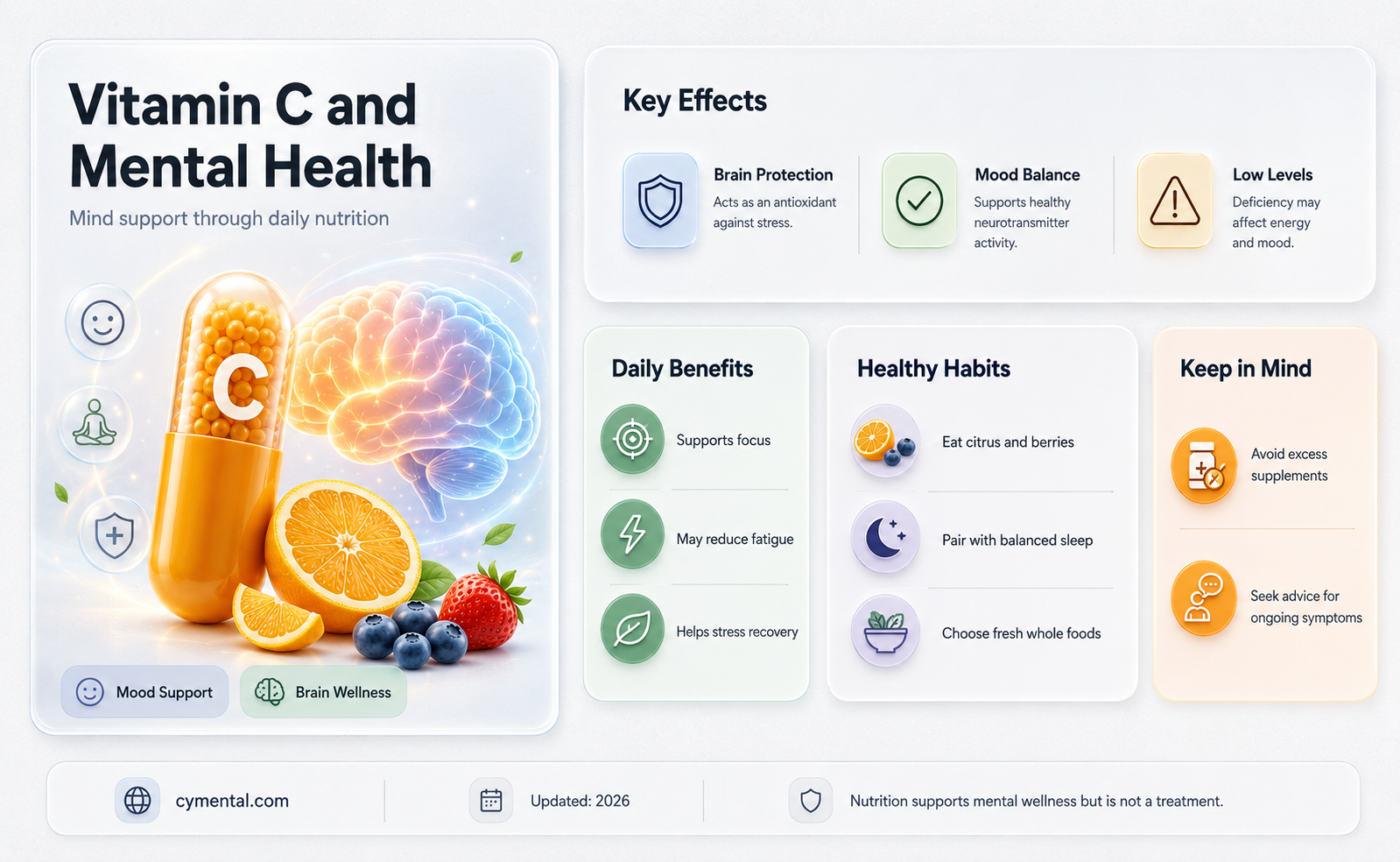
Vitamin C, widely recognized for its immune-boosting properties, has also garnered attention for its potential role in supporting mental health. Emerging research suggests that this essential nutrient may play a significant role in reducing stress, anxiety, and symptoms of depression by influencing neurotransmitter function and lowering oxidative stress in the brain. Additionally, its involvement in the production of dopamine and norepinephrine, key chemicals for mood regulation, highlights its importance in maintaining emotional well-being. While more studies are needed to fully understand its impact, current evidence indicates that adequate vitamin C intake could be a valuable component of holistic mental health strategies.
| Characteristics | Values |
|---|---|
| Antioxidant Properties | Vitamin C is a potent antioxidant that helps reduce oxidative stress, which is linked to mental health disorders like depression and anxiety. |
| Neurotransmitter Synthesis | It supports the production of neurotransmitters such as dopamine and norepinephrine, which play a crucial role in mood regulation. |
| Stress Reduction | High-dose vitamin C has been shown to reduce cortisol levels (stress hormone) and improve mood in individuals under stress. |
| Anti-inflammatory Effects | Chronic inflammation is associated with mental health issues; vitamin C's anti-inflammatory properties may help mitigate this. |
| Cognitive Function | Adequate vitamin C levels are linked to improved cognitive performance and a reduced risk of cognitive decline. |
| Immune System Support | By boosting the immune system, vitamin C may indirectly support mental health, as immune dysfunction is linked to psychiatric disorders. |
| Clinical Studies | Some studies suggest vitamin C supplementation can reduce symptoms of anxiety and depression, though results are mixed and more research is needed. |
| Deficiency Impact | Vitamin C deficiency is associated with fatigue, mood disturbances, and cognitive impairments, highlighting its importance for mental health. |
| Recommended Dosage | The recommended daily intake for adults is 75-90 mg, but higher doses (up to 1000 mg/day) have been studied for mental health benefits. |
| Food Sources | Citrus fruits, strawberries, bell peppers, and broccoli are rich sources of vitamin C. |
Explore related products


What You'll Learn

Vitamin C and Stress Reduction
Vitamin C, a water-soluble nutrient renowned for its immune-boosting properties, plays a surprising role in managing stress. Research indicates that vitamin C levels deplete rapidly during stressful periods, as the body utilizes it to produce stress hormones like cortisol. This depletion creates a vicious cycle: stress lowers vitamin C, and low vitamin C can exacerbate stress symptoms. Studies show that individuals with higher vitamin C levels tend to report lower perceived stress and improved mood, suggesting a direct link between this nutrient and stress resilience.
For those seeking to harness vitamin C's stress-reducing potential, supplementation can be a valuable tool. A daily dose of 500-1000 mg, divided into two doses, is generally recommended for adults. It's crucial to note that individual needs may vary, and consulting a healthcare professional is advisable, especially for those with pre-existing health conditions or taking medications. Beyond supplementation, incorporating vitamin C-rich foods into your diet is essential. Citrus fruits like oranges and grapefruits are obvious choices, but don't overlook bell peppers, broccoli, strawberries, and kiwi. Aim for a colorful plate to ensure adequate intake.
While vitamin C shows promise in stress management, it's not a magic bullet. Its effectiveness is likely amplified when combined with other stress-reduction techniques like exercise, mindfulness practices, and adequate sleep. Think of vitamin C as a supportive player in your stress-fighting team, not the sole star.
Additionally, it's important to manage expectations. Vitamin C won't eliminate stress entirely, but it can help mitigate its impact on your body and mind. By replenishing depleted levels, you may experience increased energy, improved mood, and a greater sense of calm, allowing you to navigate stressful situations with more resilience.
Psychedelics as Treatment: Healing Drug-Induced Mental Illness?
You may want to see also
Explore related products


Impact on Mood and Anxiety
Vitamin C, a well-known antioxidant, plays a crucial role in reducing oxidative stress, which is often linked to mood disorders and anxiety. Studies suggest that individuals with higher vitamin C levels tend to report lower anxiety levels and improved overall mood. For instance, a 2019 study published in *Nutrition* found that young adults who consumed 500 mg of vitamin C daily experienced a significant reduction in anxiety symptoms compared to a placebo group. This highlights the potential of vitamin C as a complementary approach to managing mental health.
To harness these benefits, consider incorporating vitamin C-rich foods into your diet, such as oranges, strawberries, bell peppers, and kale. For those seeking a supplement, a daily dose of 250–500 mg is generally recommended for adults, though consulting a healthcare provider is advisable to avoid excessive intake, which can lead to digestive issues. Pairing vitamin C with other nutrients like magnesium or B vitamins may enhance its mood-stabilizing effects, as these nutrients work synergistically to support brain health.
While vitamin C shows promise, it’s not a standalone solution for anxiety or mood disorders. Its impact is most noticeable in individuals with deficiencies or high oxidative stress. For example, a study in *Psychopharmacology* revealed that vitamin C supplementation was particularly effective in reducing anxiety in students during exam periods, a time of heightened stress. This suggests that vitamin C may be most beneficial during acute stress episodes rather than as a long-term mental health strategy.
Practical tips for integrating vitamin C into your routine include starting the day with a glass of lemon water or adding citrus fruits to meals. For those using supplements, taking vitamin C with a meal can improve absorption and reduce stomach irritation. Monitoring your mood and anxiety levels over time can help determine if vitamin C is making a meaningful difference. Remember, while it’s a valuable tool, combining it with lifestyle changes like regular exercise, adequate sleep, and stress management techniques will yield the best results.
Positive Relationships and Mental Health: Insights from Scholarly Research
You may want to see also
Explore related products


Role in Brain Function
Vitamin C, a potent antioxidant, plays a pivotal role in maintaining and enhancing brain function, particularly in the realm of mental health. Its influence extends to various cognitive processes, offering a natural avenue for supporting overall brain health. One of its key functions is in the synthesis of neurotransmitters, the brain's chemical messengers. These neurotransmitters, such as dopamine and norepinephrine, are crucial for mood regulation, focus, and stress response. Research suggests that adequate vitamin C levels can contribute to a more balanced and resilient mental state, potentially reducing the risk of mood disorders.
The Science Behind the Connection:
In the brain, vitamin C acts as a cofactor for enzymes involved in the production of these neurotransmitters. For instance, it aids in converting dopamine to norepinephrine, a process essential for attention and stress management. Studies have shown that vitamin C deficiency can lead to impaired cognitive function and increased susceptibility to mental health issues. A review of clinical trials revealed that vitamin C supplementation improved mood and reduced anxiety in participants, particularly those with lower initial vitamin C levels. This highlights the importance of maintaining optimal levels for brain health.
Practical Application and Dosage:
Incorporating vitamin C into your routine for brain health is straightforward. The recommended daily intake for adults is 75-90 mg, but for those focusing on mental well-being, slightly higher doses may be beneficial. A daily supplement of 200-500 mg is generally considered safe and effective. However, it's essential to note that individual needs may vary, and consulting a healthcare professional is advisable, especially for those with specific health conditions. Natural sources like citrus fruits, bell peppers, and broccoli are excellent additions to a brain-boosting diet.
A Comparative Perspective:
Compared to other nutrients, vitamin C's role in brain function is unique due to its ability to cross the blood-brain barrier, allowing it to directly influence neural processes. Unlike some supplements, it is water-soluble, reducing the risk of toxicity, even at higher doses. This makes it a safer option for long-term use. While other antioxidants like vitamin E also support brain health, vitamin C's involvement in neurotransmitter synthesis sets it apart, offering a targeted approach to mental well-being.
Long-Term Benefits and Considerations:
Consistent vitamin C intake can have cumulative effects on brain health. Over time, it may contribute to improved cognitive resilience, potentially slowing age-related cognitive decline. For older adults, ensuring adequate vitamin C levels could be a simple yet effective strategy to maintain mental sharpness. However, it's crucial to approach supplementation with awareness; while generally safe, high doses may cause digestive issues in some individuals. Starting with lower doses and gradually increasing can help mitigate this. Combining vitamin C with a balanced diet and healthy lifestyle choices maximizes its benefits, offering a comprehensive approach to mental health and brain function.
Mental Health Case Managers: Legal Support and Advocacy Explained
You may want to see also
Explore related products


Antioxidant Effects on Mental Health
Vitamin C, a potent antioxidant, plays a crucial role in neutralizing free radicals that can damage brain cells and contribute to mental health disorders. Oxidative stress, an imbalance between free radicals and antioxidants in the body, has been linked to conditions like depression, anxiety, and cognitive decline. Studies suggest that vitamin C’s ability to combat this stress may help protect neural function and improve mood regulation. For instance, a 2019 meta-analysis published in *Nutritional Neuroscience* found that higher vitamin C intake was associated with reduced symptoms of depression, particularly in individuals with low baseline levels.
To harness these benefits, consider incorporating vitamin C-rich foods into your diet, such as oranges, strawberries, bell peppers, and kale. For adults, the recommended daily intake is 75–90 mg, but some studies exploring mental health benefits have used doses up to 1,000 mg daily without adverse effects. However, supplementation should be approached cautiously, especially for those with kidney issues or a history of oxalate kidney stones, as high doses can increase oxalate excretion. Always consult a healthcare provider before starting a high-dose regimen.
A comparative analysis of antioxidants reveals that vitamin C often works synergistically with other antioxidants like vitamin E and selenium to enhance mental health benefits. For example, a study in *Psychopharmacology* demonstrated that combining vitamin C and E reduced anxiety markers in animal models more effectively than either nutrient alone. This synergy underscores the importance of a balanced diet rich in various antioxidants rather than relying on a single nutrient.
Practical tips for maximizing vitamin C’s antioxidant effects include consuming fresh, raw, or lightly cooked foods to preserve nutrient content, as heat and prolonged storage can degrade vitamin C. Pairing vitamin C-rich foods with iron sources (e.g., spinach with orange slices) can also improve iron absorption, indirectly supporting brain health. For those considering supplements, liposomal vitamin C formulations may offer better bioavailability, ensuring more of the nutrient reaches the brain.
In conclusion, while vitamin C’s antioxidant properties show promise for mental health, they are not a standalone solution. Combining dietary strategies, mindful supplementation, and a holistic approach to oxidative stress management can yield the most significant benefits. As research evolves, staying informed about optimal dosages and combinations will be key to leveraging antioxidants effectively for mental well-being.
Move to Thrive: Physical Activity's Impact on Mental Well-Being
You may want to see also
Explore related products


Vitamin C Deficiency and Depression
Vitamin C deficiency, though rare in developed countries, can have profound effects on mental health, particularly in relation to depression. This essential nutrient plays a critical role in neurotransmitter synthesis, including dopamine and norepinephrine, which are directly linked to mood regulation. Studies have shown that individuals with low levels of vitamin C are at a higher risk of developing depressive symptoms. For instance, a 2014 study published in *Nutrition Journal* found that participants with inadequate vitamin C intake were more likely to report feelings of sadness and hopelessness. This highlights the importance of maintaining optimal vitamin C levels for mental well-being.
To address potential deficiencies, adults should aim for a daily intake of 75–90 mg of vitamin C, according to the National Institutes of Health. However, individuals with depression or those at risk of deficiency, such as smokers or people with malabsorption issues, may benefit from higher doses, typically 200–500 mg daily. It’s crucial to consult a healthcare provider before starting supplementation, as excessive intake can lead to gastrointestinal discomfort. Incorporating vitamin C-rich foods like oranges, strawberries, bell peppers, and broccoli into the diet is a practical and natural way to meet these needs.
The relationship between vitamin C deficiency and depression is not just about dietary intake; it’s also about the body’s ability to utilize this nutrient under stress. Chronic stress depletes vitamin C levels, creating a vicious cycle where low vitamin C exacerbates stress-related depression. For example, a 2018 study in *Psychopharmacology* demonstrated that vitamin C supplementation reduced cortisol levels in high-stress individuals, indirectly alleviating depressive symptoms. This suggests that vitamin C acts as both a preventive measure and a supportive therapy for those experiencing stress-induced depression.
While supplementation can be beneficial, it’s not a standalone solution for depression. Vitamin C works best as part of a holistic approach that includes therapy, lifestyle changes, and other nutritional interventions. For instance, combining vitamin C with omega-3 fatty acids and B vitamins may enhance its mood-stabilizing effects. Practical tips include pairing vitamin C-rich foods with iron-rich plant foods to improve iron absorption, which is crucial for energy levels and overall mental health. Monitoring symptoms and adjusting intake based on individual needs is key to maximizing its benefits.
In conclusion, vitamin C deficiency can contribute to depression through its impact on neurotransmitter function and stress response. Addressing this deficiency requires a balanced approach, combining dietary sources, targeted supplementation, and lifestyle adjustments. By recognizing the role of vitamin C in mental health, individuals can take proactive steps to mitigate depressive symptoms and improve their overall quality of life.
Empowering Actions: Simple Ways to Make a Positive Impact Today
You may want to see also
Frequently asked questions
Vitamin C plays a supportive role in mental health by reducing oxidative stress and inflammation, which are linked to conditions like depression and anxiety. While it doesn’t directly treat mental health disorders, it can contribute to overall brain health and mood regulation.
Some studies suggest that Vitamin C may help alleviate symptoms of anxiety and depression, particularly in individuals with deficiencies. It supports the production of neurotransmitters like serotonin and dopamine, which are crucial for mood stability.
The recommended daily intake of Vitamin C for adults is 75–90 mg, but higher doses (up to 1,000–2,000 mg) may be beneficial for mental health in some cases. Consult a healthcare provider before exceeding the recommended dose.
Vitamin C is generally safe, but high doses can cause digestive issues like nausea or diarrhea. It’s best to obtain it through a balanced diet or supplements as advised by a healthcare professional. Always consult a doctor if you have underlying health conditions.