Lucas Bennett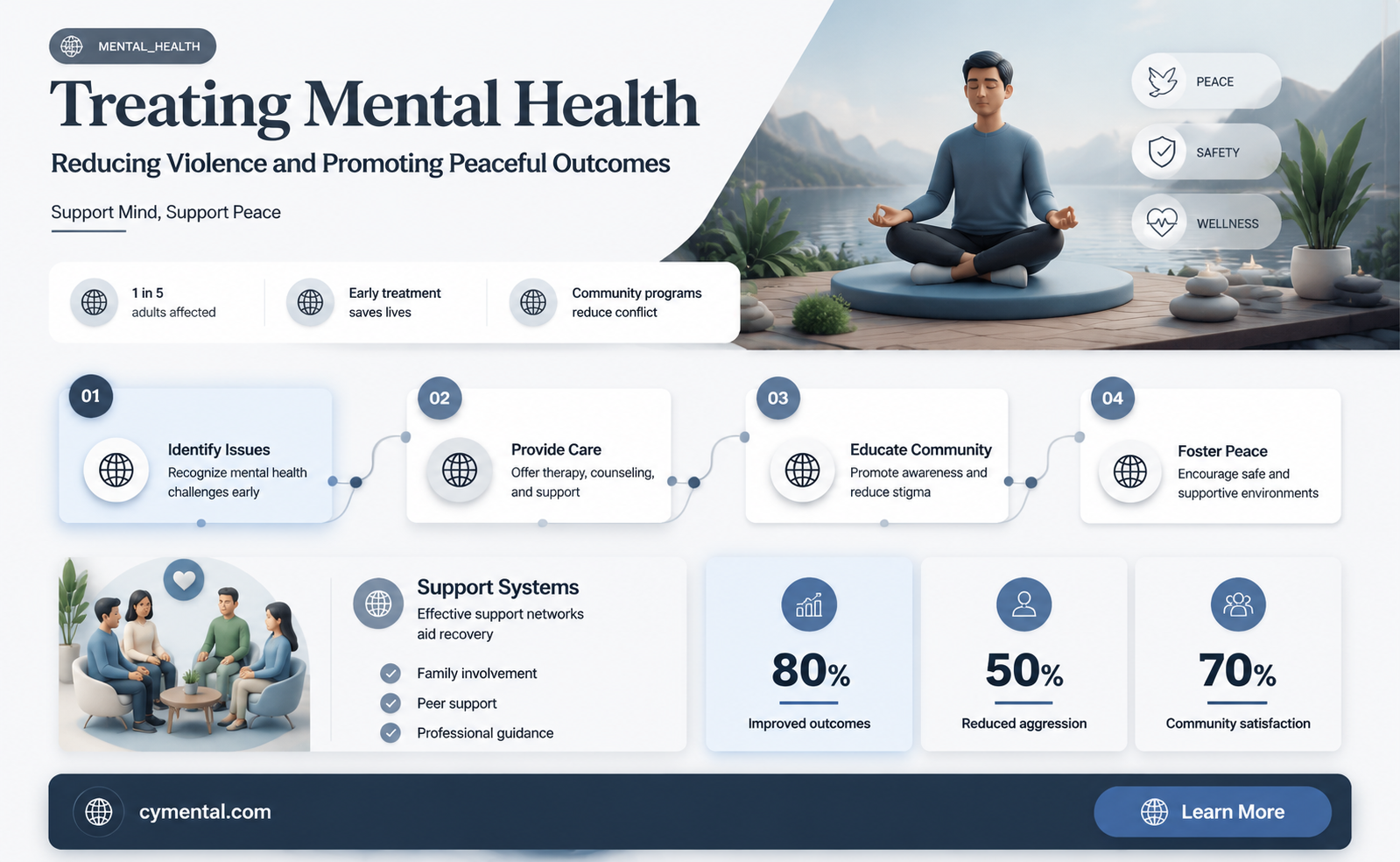
Treating mental health has become a focal point in discussions surrounding violent tendencies, as research increasingly highlights the complex interplay between psychological well-being and aggressive behavior. While not all individuals with mental health conditions exhibit violent tendencies, addressing underlying issues such as untreated psychosis, severe depression, or trauma can significantly reduce the risk of violent outbursts. Evidence suggests that comprehensive mental health interventions, including therapy, medication, and social support, can help individuals manage emotions, improve impulse control, and develop healthier coping mechanisms. However, the relationship between mental health and violence is nuanced, requiring a balanced approach that avoids stigmatization while acknowledging the potential benefits of early and effective treatment in mitigating harmful behaviors.
| Characteristics | Values |
|---|---|
| Effectiveness of Treatment | Evidence suggests that treating mental health can reduce violent tendencies, especially when combined with targeted interventions. |
| Types of Treatment | Cognitive-behavioral therapy (CBT), medication, and anger management programs are effective in reducing aggression. |
| Impact on Recidivism | Mental health treatment in correctional settings has been linked to lower rates of reoffending and violent behavior. |
| Role of Substance Abuse Treatment | Addressing co-occurring substance abuse disorders significantly reduces violent tendencies in individuals with mental health issues. |
| Early Intervention | Early treatment of mental health conditions, especially in youth, can prevent the development of violent behaviors. |
| Individualized Treatment Plans | Tailored treatment plans that address specific mental health issues and risk factors are more effective in reducing violence. |
| Community Support | Access to community-based mental health services and support networks enhances the effectiveness of treatment in reducing violence. |
| Stigma Reduction | Reducing stigma around mental health encourages individuals to seek treatment, indirectly lowering violent tendencies. |
| Cost-Effectiveness | Investing in mental health treatment is cost-effective, as it reduces healthcare, criminal justice, and societal costs associated with violence. |
| Limitations | Treatment effectiveness varies depending on the individual’s condition, adherence to treatment, and availability of resources. |
Explore related products

$29.99 $69.95

$52.07 $83.95


What You'll Learn

Therapy's Role in Reducing Aggression
Effective therapy can significantly reduce aggressive tendencies by addressing the underlying psychological factors that contribute to violent behavior. Cognitive Behavioral Therapy (CBT), for instance, has been shown to lower aggression by teaching individuals to identify and reframe distorted thought patterns that lead to anger and violence. A meta-analysis published in *Clinical Psychology Review* found that CBT reduced aggression by an average of 20-30% across various populations, including adolescents and adults with conduct disorders. This structured approach typically involves 12 to 20 sessions, focusing on skills like emotional regulation, problem-solving, and empathy-building.
Consider the case of a 16-year-old with a history of physical altercations at school. Through CBT, he learned to pause and assess his triggers before reacting, reducing his incidents of aggression by 75% within six months. Such outcomes highlight the importance of early intervention and tailored therapeutic strategies. Dialectical Behavior Therapy (DBT), another evidence-based modality, emphasizes mindfulness and distress tolerance, proving particularly effective for individuals with borderline personality disorder or chronic anger issues. DBT programs often include weekly group skills training and individual therapy sessions, offering a comprehensive framework for managing aggression.
However, therapy’s success in reducing aggression isn’t solely dependent on the modality but also on consistent application and patient engagement. For example, a study in *Psychiatry Research* noted that adherence to treatment plans—attending at least 70% of scheduled sessions—correlated with a 40% decrease in aggressive behaviors. Practical tips for maximizing therapy’s impact include setting realistic goals, maintaining open communication with the therapist, and incorporating learned skills into daily routines. For parents or caregivers, reinforcing therapeutic techniques at home can amplify progress, especially in younger populations.
Comparatively, untreated mental health conditions often exacerbate aggression, creating a cycle of violence and social isolation. Schizophrenia, bipolar disorder, and severe depression, when unmanaged, can heighten irritability and impulsivity, increasing the risk of violent outbursts. Therapy, combined with medication when necessary, disrupts this cycle by stabilizing mood and improving insight. For instance, antipsychotics paired with CBT have shown a 50% reduction in aggression among individuals with schizophrenia, according to research in *The Journal of Clinical Psychiatry*. This dual approach underscores the importance of integrated treatment plans.
Ultimately, therapy’s role in reducing aggression lies in its ability to transform maladaptive behaviors into constructive responses. By fostering self-awareness, emotional intelligence, and coping mechanisms, therapeutic interventions empower individuals to break free from patterns of violence. Whether through CBT, DBT, or other modalities, the key is consistent, personalized care. For those struggling with aggression, seeking professional help isn’t just a step toward personal growth—it’s a proactive measure to ensure safety and well-being for both the individual and their community.
Equine Therapy: How Horses Heal and Improve Mental Health
You may want to see also
Explore related products


$18.59 $19.95


Medication Impact on Violent Behavior
The relationship between medication and violent behavior is complex, with studies showing mixed results depending on the type of medication, dosage, and individual factors. For instance, antipsychotics like risperidone and olanzapine have been found to reduce aggression in patients with schizophrenia, particularly at optimal doses (e.g., 4–6 mg/day for risperidone). However, abrupt discontinuation or suboptimal dosing can lead to rebound effects, potentially increasing irritability and agitation. This highlights the importance of consistent, monitored treatment plans tailored to the patient’s needs.
Consider the case of mood stabilizers, such as lithium, which are commonly prescribed for bipolar disorder. Research indicates that lithium not only stabilizes mood but also reduces violent tendencies by up to 40% in compliant patients. Adherence is critical; missed doses or non-compliance can negate these benefits. For adolescents (ages 12–17), lower starting doses (e.g., 300 mg/day) are often recommended, gradually titrated upward under close supervision to minimize side effects like tremors or cognitive dulling, which could otherwise impair treatment adherence.
In contrast, the use of selective serotonin reuptake inhibitors (SSRIs) in treating violent behavior has sparked debate. While SSRIs like fluoxetine (20–60 mg/day) are effective for depression and anxiety, some studies suggest a small subset of individuals, particularly young adults under 25, may experience increased agitation or aggression during the initial weeks of treatment. This underscores the need for careful monitoring, especially during the first 4–6 weeks of therapy, and the potential addition of adjunctive therapies like cognitive-behavioral interventions to mitigate risks.
Practical tips for clinicians and caregivers include maintaining open communication with patients about medication effects, ensuring regular follow-ups to assess behavioral changes, and educating patients on the importance of consistent dosing. For families, creating a structured environment that supports medication adherence—such as using pill organizers or setting reminders—can significantly enhance treatment outcomes. Ultimately, while medication can play a pivotal role in reducing violent tendencies, its effectiveness hinges on individualized treatment, careful monitoring, and a holistic approach to mental health care.
Religion's Impact on Seeking Mental Health Support: Barriers or Bridges?
You may want to see also
Explore related products


$11.99 $24.99


Early Intervention and Prevention
Untreated mental health issues can simmer beneath the surface, increasing the risk of violent outbursts. Early intervention and prevention strategies act as pressure valves, releasing this tension before it explodes. Imagine a child struggling with anger issues due to undiagnosed ADHD. Without intervention, their frustration might escalate into aggressive behavior at school or home. Early diagnosis, combined with therapy and potentially medication (stimulants like methylphenidate, dosed based on weight and severity), can teach them coping mechanisms and impulse control, significantly reducing the likelihood of violent acts.
Studies show that children who receive early intervention for conduct disorders are 50% less likely to engage in violent behavior as adolescents.
Think of early intervention as a firewall against violence. It doesn't just extinguish the flames; it prevents them from igniting in the first place. School-based programs that teach emotional regulation and conflict resolution skills to children as young as 5 can have a profound impact. These programs, often incorporating role-playing and peer mediation, equip children with the tools to navigate difficult emotions and resolve disputes peacefully. A study published in the Journal of the American Medical Association found that such programs reduced aggressive behavior by 30% in elementary school students.
Early intervention isn't just about individual treatment; it's about creating a supportive environment.
Implementing effective early intervention requires a multi-pronged approach. Firstly, universal screening programs in schools and primary care settings can identify children at risk for mental health issues. This involves simple, age-appropriate questionnaires and observations by teachers and healthcare professionals. Secondly, timely access to evidence-based treatments like cognitive-behavioral therapy (CBT) is crucial. CBT, typically delivered in 12-16 sessions, helps individuals identify and challenge negative thought patterns that can fuel aggression. Finally, parental involvement is key. Parents can learn de-escalation techniques and positive discipline strategies through workshops and support groups, fostering a calmer and more understanding home environment.
Supporting Mental Health: Compassionate Ways to Help a Loved One
You may want to see also
Explore related products


Trauma Healing and Anger Management
Unaddressed trauma often festers into anger, a volatile emotion that can escalate into violent behavior. This isn't merely a theoretical connection; studies show a strong correlation between childhood trauma and increased aggression in adulthood. Physical, emotional, or sexual abuse, neglect, and witnessing domestic violence can all leave deep psychological scars that, if left untreated, manifest as explosive anger and, in some cases, violence.
Imagine a pressure cooker. Trauma acts like heat, building up tension within the individual. Without a release valve, that pressure eventually explodes. Anger management, in this context, becomes about providing healthy outlets for that pressure, while trauma healing addresses the root cause, the source of the heat.
Effective trauma healing involves a multi-pronged approach. Cognitive Behavioral Therapy (CBT) is a frontline treatment, helping individuals identify and challenge negative thought patterns that fuel anger. For example, a person who experienced childhood abandonment might harbor deep-seated beliefs like "I'm unlovable," leading to explosive reactions when they feel rejected. CBT helps reframe these thoughts, fostering healthier coping mechanisms. Eye Movement Desensitization and Reprocessing (EMDR) is another powerful tool, specifically designed to process traumatic memories and reduce their emotional impact. This therapy involves recalling traumatic events while receiving bilateral stimulation, such as eye movements or taps, which helps the brain reprocess the memories in a less distressing way.
Mindfulness-based interventions teach individuals to observe their thoughts and emotions without judgment, creating a crucial distance between the trigger and the reaction. Deep breathing exercises, progressive muscle relaxation, and yoga can all be incorporated to manage the physiological symptoms of anger, like increased heart rate and muscle tension.
While professional therapy is crucial, individuals can also take proactive steps towards trauma healing and anger management. Journaling allows for the safe expression of emotions and can help identify anger triggers. Regular exercise is a natural stress reliever, releasing endorphins that promote feelings of well-being. Building a strong support network of understanding friends and family provides a sense of belonging and security, crucial for emotional regulation.
It's important to remember that healing from trauma and managing anger is a journey, not a destination. There will be setbacks and challenges along the way. However, with dedication, professional guidance, and a commitment to self-care, individuals can learn to manage their anger effectively, break free from the cycle of violence, and build healthier, more fulfilling lives.
Christian Psychology: A Faith-Based Approach to Mental Health Healing?
You may want to see also
Explore related products


$33.24 $35.95

$12.99


Social Support Systems and Stability
Social support systems play a pivotal role in stabilizing individuals with mental health issues, often mitigating violent tendencies before they escalate. Research indicates that consistent, empathetic engagement from family, friends, or community networks can reduce feelings of isolation, a known precursor to aggression. For instance, a study published in the *Journal of Community Psychology* found that individuals with robust social support were 40% less likely to exhibit violent behavior compared to those lacking such connections. This underscores the importance of fostering environments where individuals feel heard, understood, and valued.
To build effective social support systems, start by identifying trusted individuals who can provide emotional and practical assistance. Encourage open communication by creating safe spaces for dialogue, free from judgment. For example, weekly check-ins or shared activities can strengthen bonds and provide opportunities for early intervention. Mental health professionals often recommend integrating peer support groups, which offer a sense of belonging and shared experience. These groups can be particularly impactful for individuals aged 18–30, a demographic at higher risk for mental health challenges and associated behavioral issues.
However, reliance on social support alone is insufficient without addressing systemic stability. Stable housing, employment, and access to healthcare are foundational elements that complement interpersonal networks. A 2021 report from the *National Alliance on Mental Illness* highlighted that individuals with stable living conditions were 50% more likely to adhere to treatment plans, which in turn reduced aggressive outbursts. Practical steps include advocating for affordable housing programs, vocational training, and subsidized mental health services. Policymakers and community leaders must prioritize these initiatives to create a holistic support framework.
A cautionary note: social support systems can falter if they are not tailored to individual needs. For example, forcing someone into group settings without considering their comfort level can exacerbate anxiety and counterproductively increase aggression. Instead, adopt a personalized approach, assessing whether one-on-one interactions or larger group dynamics are more suitable. Additionally, be mindful of caregiver burnout; those providing support must also have access to resources and respite to maintain their own well-being.
In conclusion, social support systems and stability are not just beneficial but essential in addressing violent tendencies linked to mental health issues. By combining interpersonal connections with systemic stability, communities can create a safety net that prevents escalation and promotes healing. Practical, individualized, and sustainable strategies are key to transforming lives and fostering safer environments for all.
Struggling to Find Adequate Mental Health Support? You're Not Alone
You may want to see also
Frequently asked questions
Yes, effective treatment for mental health issues, such as therapy, medication, and support systems, can significantly reduce violent tendencies by addressing underlying causes like anger, impulsivity, or psychosis.
Untreated mental health conditions, particularly severe disorders like schizophrenia, bipolar disorder, or untreated substance abuse, can increase the risk of violent behavior in some individuals.
No, the majority of people with mental health issues are not violent. Violence is more closely linked to specific risk factors, such as substance abuse, a history of trauma, or lack of treatment, rather than mental illness itself.
Cognitive-behavioral therapy (CBT), anger management programs, and treatments targeting substance abuse are among the most effective interventions for reducing violent tendencies in individuals with mental health issues.
Early intervention and comprehensive mental health care can prevent the escalation of symptoms and behaviors that might lead to violence, making it a critical component in reducing risk.