Lucas Bennett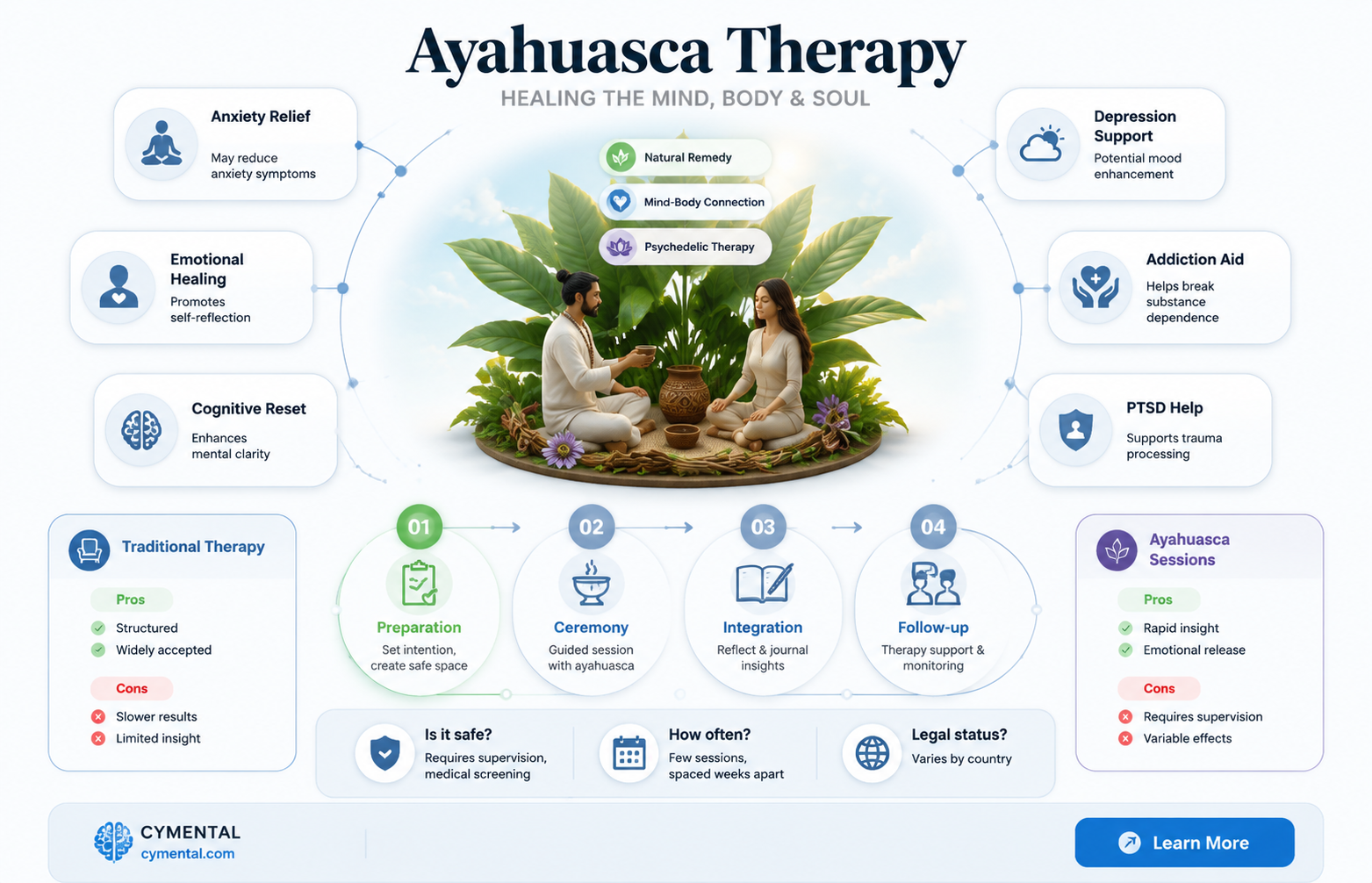
Ayahuasca, a traditional Amazonian plant medicine, has gained significant attention in recent years for its potential therapeutic effects on mental health. This psychoactive brew, made from the Banisteriopsis caapi vine and the leaves of the Psychotria viridis shrub, contains DMT (dimethyltryptamine), a powerful hallucinogen. While historically used in indigenous spiritual and healing practices, ayahuasca is now being explored in modern contexts as a possible treatment for various mental illnesses, including depression, anxiety, PTSD, and addiction. Proponents argue that its profound psychological effects can facilitate deep introspection, emotional release, and transformative experiences, potentially offering relief where conventional treatments have fallen short. However, its use remains controversial due to legal, ethical, and safety concerns, as well as the lack of extensive scientific research. As interest grows, the question of whether ayahuasca can genuinely help mental illness continues to spark debate among researchers, clinicians, and individuals seeking alternative healing methods.
| Characteristics | Values |
|---|---|
| Potential Benefits | Ayahuasca has shown promise in reducing symptoms of depression, anxiety, PTSD, and addiction. Studies suggest it may promote neuroplasticity and emotional processing. |
| Mechanism of Action | The brew contains DMT (a psychedelic compound) and MAOIs, which alter brain chemistry, potentially resetting neural pathways and enhancing serotonin activity. |
| Clinical Studies | Recent research (e.g., 2022 studies) indicates significant short-term improvements in mental health conditions, though long-term effects require further investigation. |
| Risks and Side Effects | Potential risks include psychological distress, hypertension, and adverse interactions with medications. Not suitable for individuals with psychotic disorders or cardiovascular conditions. |
| Legal Status | Ayahuasca is illegal in many countries due to its DMT content, though some regions (e.g., Brazil, Peru) permit its use in religious or traditional contexts. |
| Cultural Context | Traditionally used in Amazonian shamanic practices for spiritual healing, its therapeutic use is often tied to ceremonial settings. |
| Integration and Support | Effective use often requires preparation, guidance from experienced facilitators, and post-experience integration to maximize benefits and minimize risks. |
| Evidence Level | Current evidence is primarily from small-scale studies and anecdotal reports. Larger, controlled trials are needed to establish efficacy and safety. |
| Public Interest | Growing interest in ayahuasca as an alternative therapy for treatment-resistant mental health conditions, fueled by media and personal testimonials. |
| Regulatory Challenges | Legal and ethical barriers limit accessibility and research, hindering its integration into mainstream mental health treatment. |
| Comparative Effectiveness | Some studies suggest ayahuasca may be more effective than conventional treatments for certain conditions, but direct comparisons are limited. |
| Psychological Impact | Users often report profound insights, emotional release, and improved self-awareness, which may contribute to mental health improvements. |
| Physical Safety | Generally considered safe when used responsibly, but medical supervision is recommended due to potential physical and psychological risks. |
| Accessibility | Limited to specific retreats or traditional ceremonies, often requiring travel and significant financial investment. |
| Stigma and Perception | Ayahuasca is often stigmatized as a recreational drug, which can overshadow its therapeutic potential and deter research and acceptance. |
| Future Research Directions | Ongoing studies aim to explore optimal dosing, long-term effects, and integration with conventional therapies to enhance its therapeutic utility. |
Explore related products


What You'll Learn

Ayahuasca's impact on depression and anxiety symptoms
Ayahuasca, a traditional Amazonian brew, has gained attention for its potential to alleviate symptoms of depression and anxiety. Clinical studies and anecdotal reports suggest that a single ayahuasca session can lead to significant reductions in depressive and anxious symptoms, often lasting weeks or months. For instance, a 2019 study published in *Psychopharmacology* found that participants experienced a 50% reduction in depression scores after one ceremony, with effects persisting for 21 days. This raises the question: how does a single dose of ayahuasca compare to weeks of conventional antidepressant treatment?
To understand ayahuasca’s impact, consider its pharmacology. The brew contains DMT, a potent psychedelic, and MAOIs, which allow DMT to become orally active. DMT interacts with serotonin receptors in the brain, potentially resetting neural pathways associated with mood disorders. Unlike SSRIs, which require daily dosing, ayahuasca’s effects appear immediate and prolonged. However, this doesn’t mean it’s a one-size-fits-all solution. Dosage matters—traditional ceremonies often use 20–50 ml of brew, but individual sensitivity varies. For those exploring ayahuasca, starting with a lower dose under supervision is critical, as intense psychological experiences can occur.
While the potential benefits are promising, ayahuasca is not without risks. Its profound psychological effects can exacerbate anxiety or trigger psychotic episodes in vulnerable individuals, such as those with a history of schizophrenia or bipolar disorder. Preparation is key: participants should undergo medical and psychological screening, avoid contraindicated medications (e.g., SSRIs, which can cause serotonin syndrome), and work with experienced facilitators. Integration is equally important—post-ceremony therapy can help process insights and sustain improvements. For example, combining ayahuasca with cognitive-behavioral therapy (CBT) has shown synergistic effects in managing anxiety.
Comparatively, ayahuasca offers a unique advantage over conventional treatments: its ability to address existential and emotional roots of depression and anxiety. Many users report profound insights into their life struggles, fostering acceptance and behavioral change. However, this introspective journey requires readiness. Individuals under 25, whose brains are still developing, or those with severe mental health conditions should approach ayahuasca cautiously, if at all. Practical tips include maintaining a healthy diet pre-ceremony, setting clear intentions, and creating a supportive environment for post-experience reflection.
In conclusion, ayahuasca’s impact on depression and anxiety symptoms is both profound and complex. While it offers a rapid and potentially long-lasting solution, it demands respect for its power and risks. For those considering this path, thorough research, preparation, and professional guidance are indispensable. Ayahuasca is not a miracle cure but a tool—one that, when used wisely, can catalyze deep healing and transformation.
Healing Companions: How Animals Support Mental Health and Well-Being
You may want to see also
Explore related products


Potential benefits for PTSD and trauma recovery
Post-traumatic stress disorder (PTSD) often resists conventional treatments, leaving sufferers trapped in cycles of flashbacks, hypervigilance, and emotional numbness. Ayahuasca, a plant-based brew with psychoactive properties, has emerged as a potential breakthrough for those who feel conventional therapies have failed them. Clinical trials and anecdotal reports suggest that ayahuasca’s ability to induce profound emotional release and alter neural pathways may help individuals process traumatic memories in ways talk therapy alone cannot. For instance, a 2018 study published in the *Journal of Psychopharmacology* found that a single ayahuasca session significantly reduced PTSD symptoms in combat veterans, with effects lasting up to six months.
To harness ayahuasca’s potential for trauma recovery, preparation is key. Participants should undergo a thorough psychological evaluation to ensure they are stable enough for the experience, as the brew can intensify emotions. Dosage typically ranges from 30 to 50 milliliters, administered under the guidance of an experienced facilitator in a controlled setting. Integrating the experience afterward is crucial; working with a therapist to process insights gained during the session can solidify long-term benefits. Caution is advised for individuals with a history of psychosis or those on SSRIs, as combining ayahuasca with these medications can lead to serotonin syndrome.
Ayahuasca’s mechanism of action offers a unique advantage in trauma recovery. The brew contains DMT, a compound that binds to serotonin receptors, fostering neuroplasticity and allowing the brain to rewire itself. This process can help dissociate emotional charge from traumatic memories, making them less debilitating. For example, a 2020 case study documented a sexual assault survivor who, after an ayahuasca ceremony, reported a significant reduction in intrusive thoughts and an increased ability to engage in previously avoided situations. Such outcomes highlight ayahuasca’s potential to address the root causes of trauma rather than merely managing symptoms.
While promising, ayahuasca is not a one-size-fits-all solution. Its legality varies by country, and underground ceremonies carry risks of misuse or harm. In countries like Peru and Brazil, where ayahuasca is legal and culturally embedded, retreats often combine the brew with traditional healing practices, such as plant diets and meditation, to enhance its therapeutic effects. For those considering this path, researching facilitators thoroughly and prioritizing safety over cost is essential. Ayahuasca’s role in PTSD treatment remains experimental, but its potential to offer profound healing where other methods fall short makes it a compelling area of study for both clinicians and survivors alike.
Finding Mental Health Support: A Guide to Accessible Resources and Services
You may want to see also
Explore related products


Effects on reducing addiction and substance abuse
Ayahuasca, a traditional Amazonian brew, has emerged as a potential tool in the battle against addiction and substance abuse, offering a unique approach to a pervasive global issue. Its psychoactive properties, primarily derived from the DMT-containing plant *Psychotria viridis* and the MAO-inhibiting vine *Banisteriopsis caapi*, induce profound altered states of consciousness. These experiences often lead to introspection, emotional release, and a reevaluation of one’s relationship with addictive substances. Studies and anecdotal reports suggest that even a single ayahuasca session can catalyze significant behavioral changes, though the mechanism remains under scientific scrutiny.
Consider the case of individuals struggling with alcoholism or opioid dependence. Traditional treatment methods, such as cognitive-behavioral therapy and medication-assisted treatment, often yield limited success for some. Ayahuasca, however, appears to disrupt entrenched patterns of addiction by addressing underlying psychological and emotional factors. Participants frequently report a diminished craving for substances post-ceremony, attributing this to a newfound sense of purpose or a spiritual awakening. For instance, a 2018 study published in *Psychopharmacology* found that ayahuasca use was associated with reduced problematic cocaine use, with participants citing increased self-awareness and emotional regulation as key factors.
While the potential is promising, integrating ayahuasca into addiction treatment requires careful consideration. Dosage, set, and setting are critical. A typical ceremonial dose ranges from 20 to 50 milliliters, administered in a controlled environment under the guidance of an experienced facilitator. The experience can be intense, often involving nausea, emotional turbulence, and confronting traumatic memories. This is not a recreational endeavor but a therapeutic process demanding preparation and integration. For those with a history of psychosis or severe mental health disorders, ayahuasca may pose risks, as its interaction with certain medications (e.g., SSRIs) can lead to serotonin syndrome.
A comparative analysis highlights ayahuasca’s advantages over conventional treatments. Unlike pharmacological interventions, which often address symptoms rather than root causes, ayahuasca appears to foster profound personal transformation. Its effects are not merely biochemical but experiential, encouraging individuals to reframe their identity beyond that of an "addict." However, scalability remains a challenge. Traditional ceremonies are resource-intensive and culturally specific, making widespread adoption impractical. Researchers are exploring synthetic DMT or isolated compounds as potential alternatives, though these lack the holistic context of the brew.
In conclusion, ayahuasca’s role in reducing addiction and substance abuse is both intriguing and complex. Its ability to catalyze behavioral change through deep psychological insight offers hope for those resistant to conventional therapies. Yet, its application must be approached with caution, respecting its potency and cultural origins. For practitioners and policymakers, the challenge lies in balancing accessibility with safety, ensuring that this ancient medicine can be harnessed responsibly in modern addiction treatment frameworks.
Children and Mental Health: Are They Aware of Available Support?
You may want to see also
Explore related products


Role in treating treatment-resistant mental health disorders
Ayahuasca, a traditional Amazonian brew, has emerged as a potential intervention for treatment-resistant mental health disorders, particularly depression, anxiety, and PTSD. Clinical trials and observational studies suggest that its active compound, DMT, combined with MAOIs from the Banisteriopsis caapi vine, induces profound altered states of consciousness. These experiences often lead to emotional breakthroughs, cognitive reframing, and neuroplasticity—mechanisms largely absent in conventional pharmacotherapy. For instance, a 2019 study published in *Psychopharmacology* found that a single ayahuasca dose reduced depressive symptoms in treatment-resistant patients by 50% within 24 hours, with effects lasting up to three weeks.
To explore ayahuasca as a treatment, consider these steps: First, consult a psychiatrist to assess suitability, especially if on SSRIs or MAOIs, as interactions can be fatal. Second, seek a reputable retreat center with medical supervision and experienced facilitators. Dosage typically ranges from 30–50 ml of brew, but individualized adjustments are critical. Third, prepare psychologically through meditation or therapy to maximize therapeutic potential. Post-ceremony integration, often guided by a therapist, is essential to process insights and sustain benefits.
While promising, ayahuasca is not without risks. Adverse effects include hypertension, serotonin syndrome, and psychological distress, particularly in individuals with psychotic disorders or a family history of schizophrenia. A 2021 review in *Therapeutic Advances in Psychopharmacology* highlights the need for rigorous screening to exclude high-risk candidates. Additionally, the legality of ayahuasca varies globally, with some countries permitting use in religious contexts but prohibiting medical application.
Comparatively, ayahuasca’s rapid onset and duration of effects contrast sharply with conventional antidepressants, which often require weeks to take effect. Its holistic approach—addressing emotional, spiritual, and psychological dimensions—offers a unique advantage for those unresponsive to traditional treatments. However, its lack of standardization and regulatory oversight pose challenges for mainstream adoption.
In conclusion, ayahuasca represents a frontier in mental health treatment, particularly for refractory cases. Its efficacy, coupled with growing scientific interest, warrants further research and cautious integration into clinical practice. For those considering this path, informed decision-making, professional guidance, and a commitment to post-experience integration are indispensable.
Move Your Body, Boost Your Mind: Physical Activity's Mental Health Benefits
You may want to see also
Explore related products


Risks and ethical considerations of ayahuasca therapy
Ayahuasca, a potent psychedelic brew, has gained attention for its potential to alleviate symptoms of mental illness, but its use is not without significant risks and ethical dilemmas. One of the primary concerns is the lack of standardized dosing, which can lead to unpredictable outcomes. Traditional ceremonies often involve consuming a variable amount of the brew, typically between 30 to 50 milliliters, but the concentration of psychoactive compounds like DMT and harmine can differ widely. This inconsistency increases the risk of adverse reactions, including severe psychological distress or physical complications such as hypertension or cardiac arrhythmias, particularly in individuals with pre-existing conditions.
Ethical considerations arise when ayahuasca is administered outside of its indigenous cultural context. In traditional settings, ceremonies are led by experienced shamans who provide spiritual guidance and ensure safety. However, in Western therapeutic contexts, practitioners may lack this cultural expertise, raising questions about cultural appropriation and the potential for exploitation. Additionally, the power dynamics between facilitators and vulnerable participants, often those seeking relief from mental illness, can create opportunities for abuse or manipulation. Ensuring informed consent and establishing clear boundaries are critical but challenging in such settings.
Another risk lies in the psychological vulnerability of individuals with mental health disorders. While ayahuasca may offer therapeutic benefits, it can also exacerbate conditions like schizophrenia, bipolar disorder, or severe anxiety. The intense, often overwhelming nature of the experience can lead to prolonged psychosis or emotional trauma. Screening participants for contraindicated conditions and providing robust psychological support before, during, and after the session are essential steps to mitigate these risks, though they are not always implemented rigorously.
From a legal and regulatory standpoint, ayahuasca’s classification as a Schedule I substance in many countries poses ethical challenges. This status limits research and access, forcing individuals to seek treatment in unregulated settings. Underground retreats, often marketed as "spiritual tourism," may operate without oversight, prioritizing profit over participant safety. Legal frameworks that allow for controlled, research-based use could address these issues, but they must balance accessibility with safeguards to prevent misuse and harm.
Finally, the long-term effects of ayahuasca therapy remain poorly understood. While anecdotal reports and preliminary studies suggest benefits for conditions like depression and PTSD, there is insufficient data on sustained outcomes or potential cumulative risks. Encouraging participants to integrate their experiences through follow-up therapy or support groups can enhance therapeutic benefits, but this requires a commitment to aftercare that is often lacking. As interest in ayahuasca grows, addressing these risks and ethical considerations is paramount to ensure its responsible and effective use in mental health treatment.
Mental Health Classes: Empowering Students for Emotional Resilience and Success
You may want to see also
Frequently asked questions
Ayahuasca is not a cure for mental illness, but some studies and anecdotal reports suggest it may help alleviate symptoms of conditions like depression, anxiety, and PTSD. However, its effects vary widely, and it should not replace conventional treatments without professional guidance.
Ayahuasca can be risky for individuals with certain mental health conditions, such as schizophrenia, bipolar disorder, or severe psychosis, as it may exacerbate symptoms. It should only be used under the supervision of experienced practitioners and after consulting with a mental health professional.
Ayahuasca contains DMT, which interacts with serotonin receptors in the brain, potentially promoting neuroplasticity and emotional processing. It may help users gain new perspectives, process trauma, and reduce symptoms of mental health issues, though the exact mechanisms are still being studied.
Long-term risks are not fully understood, but potential concerns include psychological distress, flashbacks, or worsening of pre-existing conditions. It’s crucial to approach ayahuasca with caution, ensure proper integration support, and avoid self-medication without professional oversight.