Noah Parker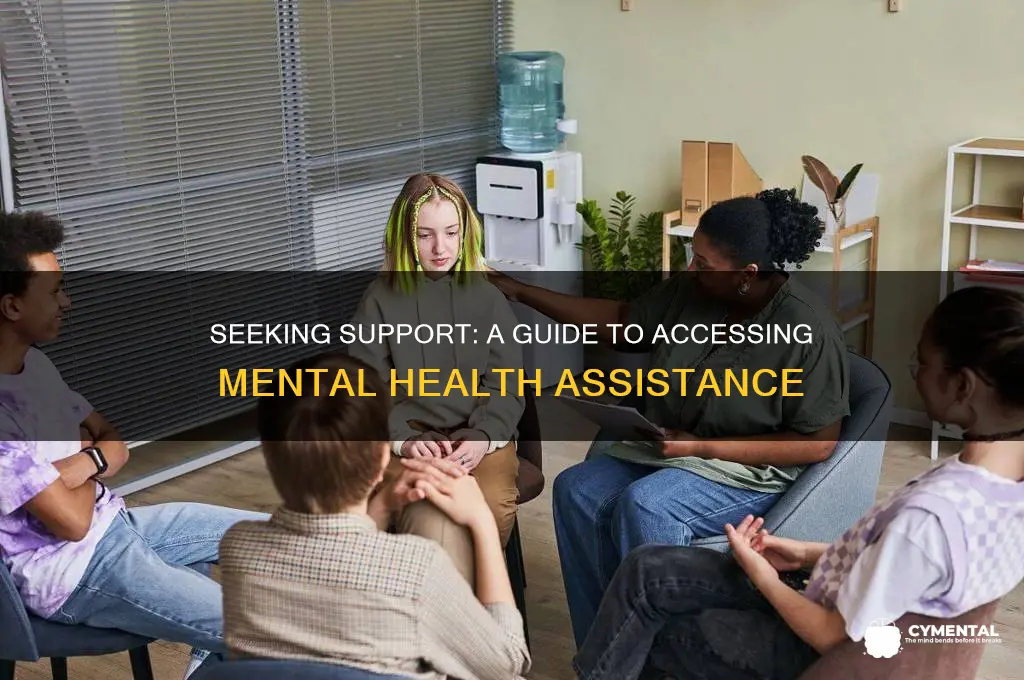
Seeking mental health support is a crucial step toward overall well-being, yet many people are unsure where to begin. Whether you're dealing with stress, anxiety, depression, or other challenges, there are numerous resources available to help you navigate your journey. Start by acknowledging your feelings and recognizing that it’s okay to ask for help—this is a sign of strength, not weakness. You can begin by reaching out to a trusted friend, family member, or healthcare provider for guidance. Professional options include therapists, counselors, or psychiatrists, who can offer tailored strategies and treatments. Online platforms, support groups, and helplines are also valuable resources for immediate assistance or ongoing support. Remember, taking the first step is often the hardest, but it’s the most important one toward healing and growth.
| Characteristics | Values |
|---|---|
| Identify the Need | Recognize symptoms like persistent sadness, anxiety, mood swings, or difficulty functioning daily. |
| Primary Care Physician | Start with a general doctor for initial assessment and referrals. |
| Therapy/Counseling | Seek licensed therapists (e.g., psychologists, counselors) for talk therapy (CBT, DBT, etc.). |
| Psychiatrists | Consult for medication management and diagnosis of mental health disorders. |
| Online Therapy Platforms | Use platforms like BetterHelp, Talkspace, or Calmerry for virtual sessions. |
| Support Groups | Join groups (e.g., NAMI, AA) for peer support and shared experiences. |
| Hotlines/Crisis Lines | Call 988 (U.S. Suicide & Crisis Lifeline) or local crisis lines for immediate help. |
| Employee Assistance Programs (EAPs) | Utilize workplace resources for free counseling sessions. |
| Community Mental Health Centers | Access affordable or sliding-scale services in local clinics. |
| Telehealth Services | Use virtual consultations with mental health professionals. |
| Self-Help Resources | Apps (Headspace, Calm), books, and mindfulness practices for self-management. |
| Insurance Coverage | Check mental health benefits in your insurance plan for covered services. |
| Cultural/Diverse Resources | Seek culturally sensitive services (e.g., therapy for specific communities). |
| Emergency Services | Visit ER or call 911 for severe symptoms (suicidal thoughts, psychosis). |
| Follow-Up Care | Maintain regular appointments and follow treatment plans for long-term management. |
Explore related products


What You'll Learn
- Recognizing Symptoms: Learn common signs of mental health issues like anxiety, depression, or mood swings
- Finding Therapists: Research licensed professionals, check credentials, and consider therapy types (CBT, DBT)
- Using Hotlines: Access 24/7 crisis lines for immediate support and guidance in emergencies
- Self-Care Strategies: Practice mindfulness, exercise, journaling, and healthy sleep to manage stress
- Support Networks: Build connections with friends, family, or support groups for emotional backing

Recognizing Symptoms: Learn common signs of mental health issues like anxiety, depression, or mood swings
Mental health issues often manifest through subtle yet persistent changes in behavior, emotions, and physical health. For instance, anxiety might present as excessive worry, restlessness, or even physical symptoms like rapid heartbeat and insomnia. Depression, on the other hand, could show up as prolonged sadness, loss of interest in activities, or unexplained fatigue. Mood swings, characteristic of conditions like bipolar disorder, involve extreme highs and lows that disrupt daily functioning. Recognizing these signs early is crucial, as it allows for timely intervention and support.
To identify symptoms effectively, start by observing patterns rather than isolated incidents. For example, occasional sadness is normal, but persistent feelings of hopelessness over weeks could indicate depression. Similarly, while everyone experiences stress, constant fear or avoidance of everyday situations may signal an anxiety disorder. Keep a journal to track changes in mood, energy levels, and behavior, as this can provide a clearer picture of what’s happening. If you notice a loved one exhibiting these signs, approach them with empathy and encourage open communication without judgment.
Practical tips for self-assessment include monitoring sleep patterns, appetite changes, and social withdrawal. For instance, insomnia or oversleeping often accompanies depression, while anxiety may lead to digestive issues like nausea or stomachaches. If you’re unsure whether your symptoms warrant concern, use reputable online screening tools like those provided by Mental Health America. These tools offer a preliminary assessment and can guide you toward seeking professional help. Remember, self-awareness is the first step toward healing.
Comparing mental health symptoms to physical ailments can help normalize the need for care. Just as persistent headaches might indicate a need for medical attention, ongoing emotional distress warrants mental health support. However, mental health issues are often stigmatized, leading people to ignore or downplay their symptoms. Challenge this stigma by educating yourself and others about the validity of mental health struggles. Early recognition and action can prevent conditions from worsening and improve overall quality of life.
Finally, take action by consulting a healthcare professional if symptoms persist or interfere with daily life. Therapists, counselors, and psychiatrists can provide tailored strategies, from cognitive-behavioral therapy to medication, depending on the condition. For immediate support, hotlines like the National Alliance on Mental Illness (NAMI) Helpline offer guidance and resources. Prioritize your mental health as you would your physical health—both are essential for a balanced, fulfilling life. Recognizing symptoms is not a sign of weakness but a courageous step toward recovery.
Empowering Change: Simple Actions to Make a Positive Impact Today
You may want to see also
Explore related products


Finding Therapists: Research licensed professionals, check credentials, and consider therapy types (CBT, DBT)
Therapists aren’t one-size-fits-all, and neither are their qualifications. In the U.S., licensed professionals like psychologists (PhD/PsyD), licensed clinical social workers (LCSW), and licensed professional counselors (LPC) undergo rigorous training, including supervised clinical hours and exams. Start by verifying credentials through state licensing boards or databases like the Association of State and Provincial Psychology Boards (ASPPB). Red flags? Unclear licensing status, lack of specialization, or unverifiable education. For instance, a therapist claiming expertise in trauma without EMDR or TF-CBT training warrants scrutiny.
Consider therapy types as tools in a toolkit—each serves a specific purpose. Cognitive Behavioral Therapy (CBT) restructures negative thought patterns, often in 12–20 sessions, and is evidence-based for anxiety, depression, and PTSD. Dialectical Behavior Therapy (DBT), originally for borderline personality disorder, teaches emotion regulation and mindfulness, typically in a combination of individual and group sessions. For example, someone with panic attacks might benefit from CBT’s exposure techniques, while someone struggling with self-harm could find DBT’s distress tolerance skills transformative. Match the modality to your needs, not the therapist’s preference.
Researching therapists requires strategy. Use platforms like Psychology Today or GoodTherapy, filtering by location, specialization, and therapy type. Read bios critically—look for phrases like “trained in” or “certified in” CBT/DBT, not just “familiar with.” Initial consultations are interviews, not commitments. Ask about their approach, typical session structure, and expected duration of treatment. For instance, a CBT therapist might outline a 12-week plan targeting specific goals, while a DBT provider could describe a year-long program with weekly group skills training.
Beware of credential confusion. Titles like “life coach” or “counselor” aren’t regulated uniformly, and some therapists use certifications (e.g., “CBT Certified”) from unrecognized bodies. Prioritize licenses over certificates, and cross-reference with state databases. Additionally, therapy type isn’t the only fit—consider logistical factors like cost, insurance acceptance, and telehealth availability. For example, DBT often requires group participation, which might be a barrier for those with scheduling constraints.
Ultimately, finding the right therapist is a process, not a transaction. Credentials and therapy types are starting points, but the therapeutic alliance—the trust and collaboration between you and the therapist—is the linchpin of success. A licensed CBT expert might fail to connect, while a less-experienced DBT practitioner could offer transformative support. Research thoroughly, ask pointed questions, and trust your instincts. Mental health care is a partnership, and you’re hiring the professional, not the other way around.
Art's Healing Power: Boosting Mental Health Through Creativity
You may want to see also
Explore related products





Using Hotlines: Access 24/7 crisis lines for immediate support and guidance in emergencies
In moments of acute distress, when emotions feel overwhelming or thoughts turn dark, immediate support can be a lifeline. Crisis hotlines offer exactly that: a 24/7 connection to trained professionals who provide real-time guidance, de-escalation techniques, and resource referrals. Unlike therapy or medication, which require appointments or prescriptions, hotlines are instantly accessible—no waiting, no cost, and no judgment.
Consider this scenario: a teenager experiences a panic attack late at night, unsure how to regain control. Calling a crisis line like the National Suicide & Crisis Lifeline (988 in the U.S.) connects them to a counselor who walks them through breathing exercises, grounds them in the present moment, and helps identify local mental health resources for follow-up care. This immediate intervention not only alleviates the crisis but also empowers the caller with tools for future challenges.
While hotlines are invaluable in emergencies, they’re not a substitute for long-term treatment. Think of them as a bridge—a way to stabilize and orient yourself before accessing ongoing care. For instance, someone struggling with chronic depression might use a hotline during a particularly low night but still benefit from therapy or medication management. Hotlines excel in their role as a first responder for the mind, offering a safe space to vocalize pain and receive actionable advice.
Practical tips for using hotlines effectively: first, keep a list of relevant numbers (e.g., 988 in the U.S., 116 123 in the U.K.) saved in your phone or written down. Second, if you’re hesitant to call, many services offer text or chat options (e.g., Crisis Text Line by texting HOME to 741741). Third, be honest about your feelings—the more information you provide, the better the counselor can assist. Finally, if the first call doesn’t feel right, try again; different counselors have varying styles, and finding the right fit matters.
In a world where mental health struggles often feel isolating, hotlines remind us we’re never truly alone. They’re a testament to the power of human connection, offering a beacon of hope in even the darkest moments. Whether you’re in crisis or supporting someone who is, knowing how to access these services can make all the difference.
Move Your Body, Boost Your Mind: Physical Activity's Mental Health Benefits
You may want to see also
Explore related products

$15.71 $20

$12.14 $19.99


Self-Care Strategies: Practice mindfulness, exercise, journaling, and healthy sleep to manage stress
Stress is an inevitable part of life, but its management is a skill that can be honed through deliberate self-care practices. Among the most effective strategies are mindfulness, exercise, journaling, and prioritizing healthy sleep. These practices not only alleviate immediate stress but also build long-term resilience against its cumulative effects. By integrating these habits into daily life, individuals can reclaim control over their mental well-being and foster a sense of balance.
Mindfulness, the practice of being fully present in the moment, is a powerful tool for interrupting the cycle of stress. Research shows that just 10 minutes of mindfulness meditation daily can reduce cortisol levels, the hormone associated with stress. Start by focusing on your breath, noticing its rhythm without judgment. Apps like Headspace or Calm offer guided sessions tailored to beginners, making it accessible for all ages. The key is consistency; even brief, daily practice can yield significant benefits over time.
Physical activity is another cornerstone of stress management, as it releases endorphins, the body’s natural mood lifters. Aim for at least 30 minutes of moderate exercise, such as brisk walking, cycling, or yoga, most days of the week. For those who find structured workouts daunting, incorporating movement into daily routines—like taking the stairs or dancing while cooking—can be equally effective. Exercise not only reduces stress but also improves sleep quality, creating a positive feedback loop for mental health.
Journaling serves as a therapeutic outlet for processing emotions and clarifying thoughts. Dedicate 15–20 minutes each evening to write freely about your day, focusing on stressors and how they made you feel. This practice helps identify patterns and triggers, enabling proactive stress management. For added structure, try gratitude journaling by listing three positive aspects of your day. Studies suggest this simple act can shift perspective and reduce anxiety over time.
Finally, healthy sleep is non-negotiable for managing stress. Adults should aim for 7–9 hours of quality sleep per night, while teenagers require 8–10 hours. Establish a bedtime routine by dimming lights, avoiding screens an hour before bed, and creating a comfortable sleep environment. Techniques like progressive muscle relaxation or listening to soothing sounds can aid in falling asleep. Prioritizing sleep not only reduces stress but also enhances cognitive function and emotional regulation.
Together, these self-care strategies form a holistic approach to stress management. While they may seem simple, their cumulative impact is profound. By practicing mindfulness, staying active, journaling, and prioritizing sleep, individuals can build a robust foundation for mental well-being, even in the face of life’s challenges.
Journaling for Mental Health: Unlocking Emotional Healing and Self-Discovery
You may want to see also
Explore related products




Support Networks: Build connections with friends, family, or support groups for emotional backing
Human beings are inherently social creatures, and our connections with others can significantly impact our mental well-being. Building a strong support network is a vital step in nurturing your mental health, offering a safety net during difficult times and a source of joy and comfort in everyday life. This network can be a powerful tool, providing emotional backing and a sense of belonging, which are essential for resilience and recovery.
The Power of Connection:
Imagine a web, where each strand represents a relationship. These connections form a safety net, catching you when life's challenges threaten to overwhelm. Friends and family can offer unique perspectives, provide practical help, and simply be a comforting presence. For instance, a weekly coffee date with a friend can become a sacred ritual, offering a consistent source of support and a break from isolation. Research suggests that social support is associated with lower levels of depression and anxiety, highlighting the therapeutic value of these relationships.
Nurturing Your Network:
Building and maintaining these connections require effort and intention. Start by identifying the people in your life who uplift and support you. Reach out regularly, not just when you're in crisis. Share your thoughts and feelings, and actively listen to theirs. Consider joining support groups, either online or in-person, where you can connect with individuals facing similar challenges. These groups provide a sense of community and understanding, allowing you to give and receive support. For example, local community centers often host groups for various interests and causes, providing an excellent avenue to meet like-minded people.
A Balanced Approach:
While support networks are invaluable, it's essential to manage expectations. Not every friend or family member will be equipped to provide the same level of support. Some may offer practical help, while others excel at emotional encouragement. Diversifying your support network ensures you have a range of resources. Additionally, be mindful of your own capacity. Supporting others can be rewarding, but it's crucial to set boundaries to prevent burnout. A healthy support network is a two-way street, where giving and receiving are balanced.
Practical Steps to Get Started:
- Initiate Contact: Reach out to someone you trust and share your thoughts. A simple text or call can be the first step in strengthening a connection.
- Suggest Activities: Invite friends or family to engage in activities you enjoy, creating opportunities for bonding.
- Explore Support Groups: Research local or online groups tailored to your interests or specific mental health concerns. Websites like Meetup.com offer various groups, from hiking enthusiasts to anxiety support circles.
- Be Consistent: Regularly engage with your network. Consistency fosters deeper connections and ensures support is readily available when needed.
- Offer Support: Be there for others as well. Sometimes, helping a friend in need can provide a sense of purpose and strengthen your bond.
By cultivating these relationships, you create a robust support system, a vital component of your mental health toolkit. It's a process that requires time and vulnerability but can lead to profound and lasting connections that enhance your overall well-being. Remember, seeking support is a sign of strength, and these networks can be a powerful resource on your journey towards better mental health.
Supporting Mental Health: Compassionate Ways to Help a Loved One
You may want to see also
Frequently asked questions
If you’re experiencing persistent feelings of sadness, anxiety, or hopelessness, difficulty functioning in daily life, or thoughts of self-harm, it’s time to seek help. Trust your instincts—if something feels off, reaching out to a mental health professional is a proactive step.
Begin by talking to your primary care doctor, who can refer you to a therapist or psychiatrist. You can also search for mental health providers through insurance networks, community health centers, or online platforms like BetterHelp or Talkspace. Hotlines like the National Alliance on Mental Illness (NAMI) can also guide you.
Many affordable or free options exist, such as community mental health clinics, sliding-scale therapists, or nonprofit organizations. Some therapists offer reduced rates, and online platforms may have lower-cost options. Additionally, employee assistance programs (EAPs) or government-funded programs can provide support.