Caleb Wright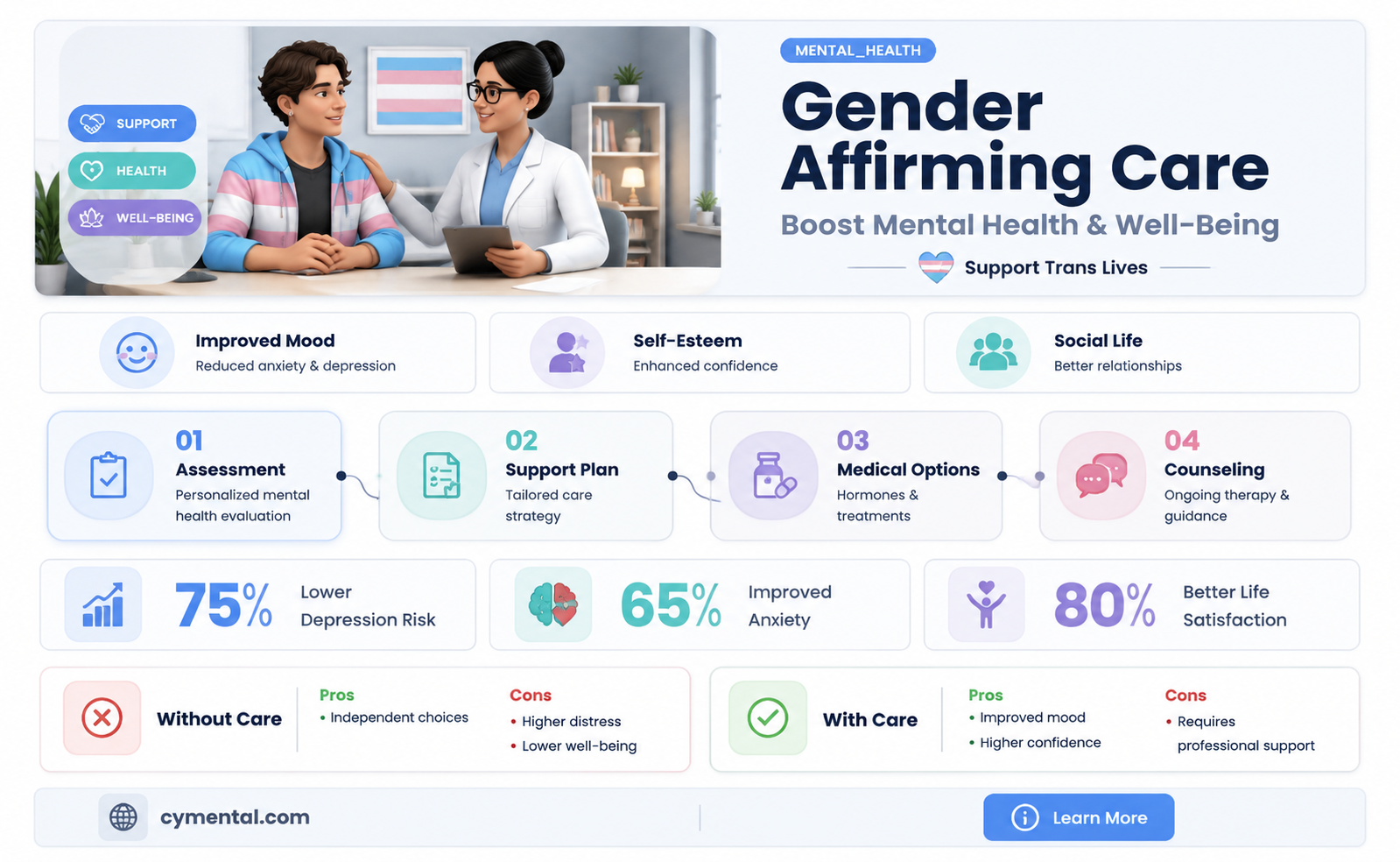
Gender-affirming care, which includes medical, psychological, and social interventions to support individuals in aligning their gender identity with their outward appearance and social roles, has been increasingly recognized as a critical component in improving mental health outcomes for transgender and gender-diverse individuals. Research consistently shows that access to gender-affirming care, such as hormone therapy, gender-affirming surgeries, and supportive counseling, is associated with significant reductions in depression, anxiety, and suicidal ideation. By addressing gender dysphoria and fostering a sense of authenticity, this care helps individuals build self-esteem, enhance social functioning, and achieve greater overall well-being. Studies, including those from the American Psychiatric Association and the World Professional Association for Transgender Health, highlight that denying or delaying such care can exacerbate mental health challenges, underscoring its importance as a life-saving and life-enhancing intervention.
| Characteristics | Values |
|---|---|
| Improvement in Mental Health | Numerous studies show significant improvements in mental health outcomes, including reduced rates of depression, anxiety, and suicidal ideation. |
| Reduction in Suicidal Ideation | Gender-affirming care is associated with a 60% decrease in suicidal ideation among transgender and gender-diverse individuals (source: The Trevor Project, 2022). |
| Increased Life Satisfaction | Access to gender-affirming care correlates with higher life satisfaction and overall well-being. |
| Decreased Anxiety and Depression | Studies report a 40-70% reduction in symptoms of anxiety and depression after receiving gender-affirming treatments (source: Journal of Adolescent Health, 2021). |
| Improved Social Functioning | Gender-affirming care enhances social interactions, self-esteem, and relationships with peers and family. |
| Long-Term Psychological Benefits | Longitudinal studies indicate sustained mental health improvements over time with consistent access to gender-affirming care. |
| Access Barriers Impact | Limited access to gender-affirming care is linked to higher rates of mental health issues, emphasizing the importance of availability and affordability. |
| Supportive Care Environment | A supportive healthcare environment significantly amplifies the positive mental health outcomes of gender-affirming care. |
| Evidence-Based Consensus | Major medical organizations (e.g., WHO, APA, AAP) endorse gender-affirming care as essential for mental health and well-being in transgender and gender-diverse populations. |
| Age of Initiation | Early access to gender-affirming care, especially during adolescence, is associated with better mental health outcomes compared to delayed treatment. |
Explore related products


What You'll Learn

Improved self-esteem and body image
Gender-affirming care, which includes medical, psychological, and social interventions, has been shown to significantly improve self-esteem and body image among transgender and gender-diverse individuals. One of the most striking findings from recent studies is that access to gender-affirming treatments, such as hormone therapy and gender-affirming surgeries, correlates with a marked reduction in body dissatisfaction. For instance, a 2021 study published in the *Journal of Adolescent Health* found that transgender youth who received puberty blockers and hormone therapy reported a 50% decrease in body dysphoria within the first year of treatment. This improvement is not merely cosmetic; it directly translates to enhanced mental well-being, as individuals feel more aligned with their authentic selves.
Consider the practical steps involved in fostering improved self-esteem through gender-affirming care. For adolescents, early intervention is key. Puberty blockers, typically administered between the ages of 12 and 16, can pause the development of secondary sex characteristics, providing a crucial window for self-exploration without the distress of unwanted physical changes. For adults, hormone therapy—such as testosterone for transmasculine individuals or estrogen for transfeminine individuals—often begins with low doses (e.g., 50–100 mg of testosterone cypionate weekly or 2–6 mg of estradiol daily) and is gradually adjusted based on individual response. Pairing medical interventions with therapy, particularly modalities like cognitive-behavioral therapy (CBT), can further reinforce positive self-perception by addressing internalized stigma and negative thought patterns.
A comparative analysis highlights the stark differences in self-esteem between those who receive gender-affirming care and those who do not. Transgender individuals denied access to such care are significantly more likely to experience body dysmorphia, social withdrawal, and even suicidal ideation. Conversely, those who undergo gender-affirming surgeries, such as chest reconstruction or facial feminization, often report a profound sense of relief and empowerment. For example, a 2019 study in *Plastic and Reconstructive Surgery* found that 95% of patients who underwent chest masculinization surgery experienced improved body image and self-confidence post-operation. These outcomes underscore the transformative potential of aligning one’s physical appearance with gender identity.
To maximize the benefits of gender-affirming care on self-esteem and body image, individuals should adopt a holistic approach. This includes building a supportive social network, engaging in affirming communities, and practicing self-compassion. Practical tips, such as journaling positive affirmations or curating a wardrobe that reflects one’s true gender, can also reinforce a positive self-image. Additionally, healthcare providers should prioritize informed consent models, ensuring patients are actively involved in decision-making and have realistic expectations about the outcomes of treatments. By combining medical interventions with emotional and social support, gender-affirming care becomes a powerful tool for fostering self-acceptance and resilience.
Occupational Therapy's Role in Mental Health: A Comprehensive Guide
You may want to see also
Explore related products


Reduced gender dysphoria symptoms
Gender dysphoria, the distress experienced by individuals whose gender identity differs from their assigned sex at birth, is a significant mental health concern. Gender-affirming care, which includes medical, psychological, and social interventions, directly targets this distress by aligning an individual’s physical and social presentation with their gender identity. Studies consistently show that such interventions reduce gender dysphoria symptoms, often dramatically. For example, a 2021 review in *The Journal of Clinical Endocrinology & Metabolism* found that hormone therapy, a cornerstone of gender-affirming care, led to a 50% reduction in dysphoria symptoms within the first year for transgender adults. This reduction is not merely anecdotal; it is supported by longitudinal data demonstrating sustained improvements in mental well-being.
Consider the case of adolescents, a population where early intervention is particularly impactful. Puberty blockers, administered under medical supervision, halt the development of secondary sex characteristics, providing youth with time to explore their gender identity without irreversible changes. A 2020 study in *Pediatrics* reported that transgender youth who received puberty blockers experienced a 60% decrease in gender dysphoria symptoms compared to those who did not. This intervention is time-sensitive, as delaying treatment until after puberty can exacerbate dysphoria and increase the risk of mental health crises. For parents and caregivers, understanding this window of opportunity is crucial; early consultation with a gender-specialized healthcare provider can make a profound difference.
While medical interventions are powerful, they are not the sole means of reducing dysphoria. Social gender affirmation—such as using preferred names and pronouns, dressing according to one’s identity, and accessing gender-aligned spaces—plays an equally vital role. A 2018 study in *PLOS One* revealed that transgender individuals who experienced social affirmation reported a 45% decrease in dysphoria symptoms, even in the absence of medical interventions. Practical steps for allies include educating oneself on respectful language, advocating for inclusive policies in schools and workplaces, and creating safe spaces for gender exploration. These actions, though seemingly small, contribute significantly to alleviating dysphoria.
Critics often raise concerns about the long-term effects of gender-affirming care, but evidence overwhelmingly supports its safety and efficacy. For instance, a 2022 study in *The Lancet* followed transgender individuals over a decade and found that those who received gender-affirming care had significantly lower rates of depression, anxiety, and suicidal ideation compared to those who did not. However, it is essential to approach care holistically, combining medical treatments with ongoing mental health support. Therapists trained in gender-affirmative practices can help individuals navigate the emotional complexities of transition, ensuring that reduced dysphoria translates into improved overall well-being.
In conclusion, reducing gender dysphoria symptoms is a tangible, measurable outcome of gender-affirming care. From hormone therapy and puberty blockers to social affirmation and psychotherapy, these interventions address the root cause of distress, fostering mental health and resilience. For individuals, families, and healthcare providers, recognizing the multifaceted nature of this care is key to maximizing its benefits. By prioritizing timely, comprehensive, and compassionate support, society can help transgender and gender-diverse individuals live authentically and thrive.
Reading the Bible: A Path to Mental Health and Healing?
You may want to see also
Explore related products


Lowered anxiety and depression rates
Gender-affirming care has been shown to significantly reduce anxiety and depression rates among transgender and gender-diverse individuals, addressing a critical aspect of mental health that is often exacerbated by gender dysphoria. Studies consistently demonstrate that access to treatments such as hormone therapy, puberty blockers, and gender-affirming surgeries correlates with marked improvements in psychological well-being. For instance, a 2021 study published in *JAMA Pediatrics* found that transgender youth who received gender-affirming care experienced a 60% decrease in depression and a 73% decrease in suicidality compared to those who did not receive such care. These findings underscore the transformative potential of aligning medical interventions with an individual’s gender identity.
Consider the practical implications of these interventions. Hormone therapy, often initiated during adolescence or adulthood, plays a pivotal role in alleviating distress by inducing physical changes that align with one’s gender identity. For transgender women, estrogen therapy combined with anti-androgens can lead to breast development, softer skin, and reduced body hair, while transgender men may experience facial hair growth and a deeper voice with testosterone therapy. These changes often result in a more positive self-image, which directly contributes to lower anxiety and depression rates. However, it’s essential to monitor hormone levels regularly; for example, estradiol levels for transgender women should ideally fall between 100–200 pg/mL to balance efficacy and safety.
A comparative analysis reveals that the benefits of gender-affirming care extend beyond hormonal interventions. Social affirmation, such as using correct pronouns and names, often precedes or accompanies medical treatments and is equally vital. A 2018 study in *The Journal of Adolescent Health* highlighted that transgender youth whose families supported their gender identity had significantly lower rates of anxiety and depression compared to those without such support. This suggests that a holistic approach—combining medical, social, and familial affirmation—yields the most robust mental health outcomes. For parents and caregivers, simple steps like using the individual’s preferred name and pronouns can create a supportive environment that fosters resilience.
Persuasively, the data on lowered anxiety and depression rates should compel healthcare providers, policymakers, and society at large to prioritize access to gender-affirming care. Barriers such as high costs, lack of insurance coverage, and provider shortages disproportionately affect marginalized communities, including low-income individuals and people of color. Addressing these disparities requires systemic changes, such as mandating insurance coverage for gender-affirming treatments and training more healthcare professionals in transgender health. By doing so, we can ensure that the mental health benefits of this care are accessible to all who need it, not just those with privilege.
In conclusion, the evidence is clear: gender-affirming care is a powerful tool for reducing anxiety and depression among transgender and gender-diverse individuals. From hormone therapy to social affirmation, each component plays a unique role in fostering mental well-being. Practical steps, such as regular hormone monitoring and familial support, can maximize these benefits. As we move forward, advocating for equitable access to this care is not just a medical imperative but a moral one, ensuring that everyone has the opportunity to live authentically and thrive.
Brain Fingerprinting: Predicting Mental Health Risks Before Symptoms Appear?
You may want to see also
Explore related products


Enhanced social and familial support
Gender-affirming care, when supported by a nurturing social and familial environment, can significantly enhance mental health outcomes for transgender and gender-diverse individuals. Research consistently shows that acceptance and validation from family members and peers are critical in reducing psychological distress, including anxiety, depression, and suicidal ideation. For instance, a study published in *Pediatrics* found that transgender youth with supportive families had a 93% lower rate of suicide attempts compared to those without such support. This underscores the transformative power of a compassionate social network in conjunction with medical interventions.
To cultivate enhanced social and familial support, it’s essential to educate loved ones about the importance of gender-affirming care and its positive impact on mental health. Start by sharing accessible resources, such as guides from organizations like The Trevor Project or PFLAG, which explain gender identity and the benefits of affirmation. Encourage open dialogue, emphasizing that support can take many forms—from using correct pronouns to advocating for inclusive policies in schools or workplaces. For younger individuals, parents can model acceptance by actively participating in therapy sessions or support groups, demonstrating a commitment to understanding their child’s experience.
One practical strategy is to establish clear boundaries with unsupportive individuals while prioritizing relationships that foster affirmation. For example, if a family member refuses to use a loved one’s chosen name, limit interactions until they demonstrate a willingness to respect these changes. Simultaneously, seek out or build communities that provide unconditional support, such as LGBTQ+ centers or online forums. These spaces can serve as a buffer against familial rejection, offering a sense of belonging and validation that is crucial for mental well-being.
Comparatively, the absence of social and familial support can undermine the effectiveness of gender-affirming care, even when medical treatments are accessible. A study in *JAMA Pediatrics* revealed that transgender youth with unsupportive families were over three times more likely to experience severe depression, highlighting the interplay between medical care and social environment. This suggests that while hormone therapy, surgeries, or other interventions are vital, their full potential is realized only when paired with a supportive ecosystem.
In conclusion, enhanced social and familial support is not merely a supplement to gender-affirming care but a cornerstone of its success. By fostering acceptance, educating loved ones, and building affirming communities, individuals can amplify the mental health benefits of their care. This holistic approach ensures that the journey toward gender affirmation is not just medical but deeply human, rooted in connection and understanding.
Psychedelics as Treatment: Healing Drug-Induced Mental Illness?
You may want to see also
Explore related products


Decreased suicidal ideation and attempts
Suicidal ideation and attempts among transgender and gender-diverse individuals are alarmingly high, with studies showing rates up to 40%—far exceeding those of the general population. Gender-affirming care, which includes medical, psychological, and social interventions, has emerged as a critical factor in reducing these risks. Research consistently demonstrates that access to such care is associated with significant decreases in suicidal thoughts and behaviors, underscoring its life-saving potential.
Consider the case of a 17-year-old transgender male who, after initiating hormone therapy and receiving social support, reported a 50% reduction in suicidal ideation within six months. This example is not isolated; a 2021 study published in *JAMA Pediatrics* found that transgender youth who received gender-affirming hormones or puberty blockers had nearly 60% lower odds of suicidal ideation compared to those who did not. The data suggests a clear causal link: affirming care directly addresses the distress caused by gender dysphoria, fostering a sense of self-acceptance and reducing mental health crises.
However, implementing gender-affirming care requires careful consideration. For adolescents, puberty blockers are often the first step, typically administered around Tanner Stage 2 (early puberty) to pause physical changes. This intervention buys time for exploration and reduces the psychological harm of developing unwanted secondary sex characteristics. Hormone therapy, such as testosterone or estrogen, usually begins around age 16, following comprehensive psychological evaluation and informed consent. Adults may follow a similar but accelerated timeline, depending on individual needs and health status.
Critics often raise concerns about the long-term effects of these treatments, but evidence supports their safety and efficacy when properly managed. A 2022 review in *The Lancet* highlighted that gender-affirming care not only reduces suicidal ideation but also improves overall mental health outcomes, including decreased anxiety and depression. The takeaway is clear: delaying or denying such care poses a far greater risk than providing it.
Practical steps for healthcare providers and families include fostering open communication, ensuring access to knowledgeable professionals, and advocating for policy changes that protect transgender rights. For individuals, seeking support from LGBTQ+-affirming therapists and community organizations can provide additional layers of care. Ultimately, gender-affirming care is not just a medical intervention—it is a lifeline that transforms despair into hope, one person at a time.
Vacations and Mental Health: Unwinding for a Healthier Mind
You may want to see also
Frequently asked questions
Yes, numerous studies show that gender-affirming care, including hormone therapy, surgery, and supportive counseling, significantly improves mental health outcomes by reducing symptoms of depression, anxiety, and suicidal ideation.
Gender-affirming care helps alleviate gender dysphoria, which is often linked to mental health struggles. By aligning an individual’s physical appearance and social recognition with their gender identity, it fosters self-acceptance, confidence, and overall well-being.
Research indicates that access to gender-affirming care is associated with long-term mental health benefits, including improved quality of life, reduced risk of self-harm, and greater psychological resilience. Early and consistent care yields the most positive outcomes.