Harper Lewis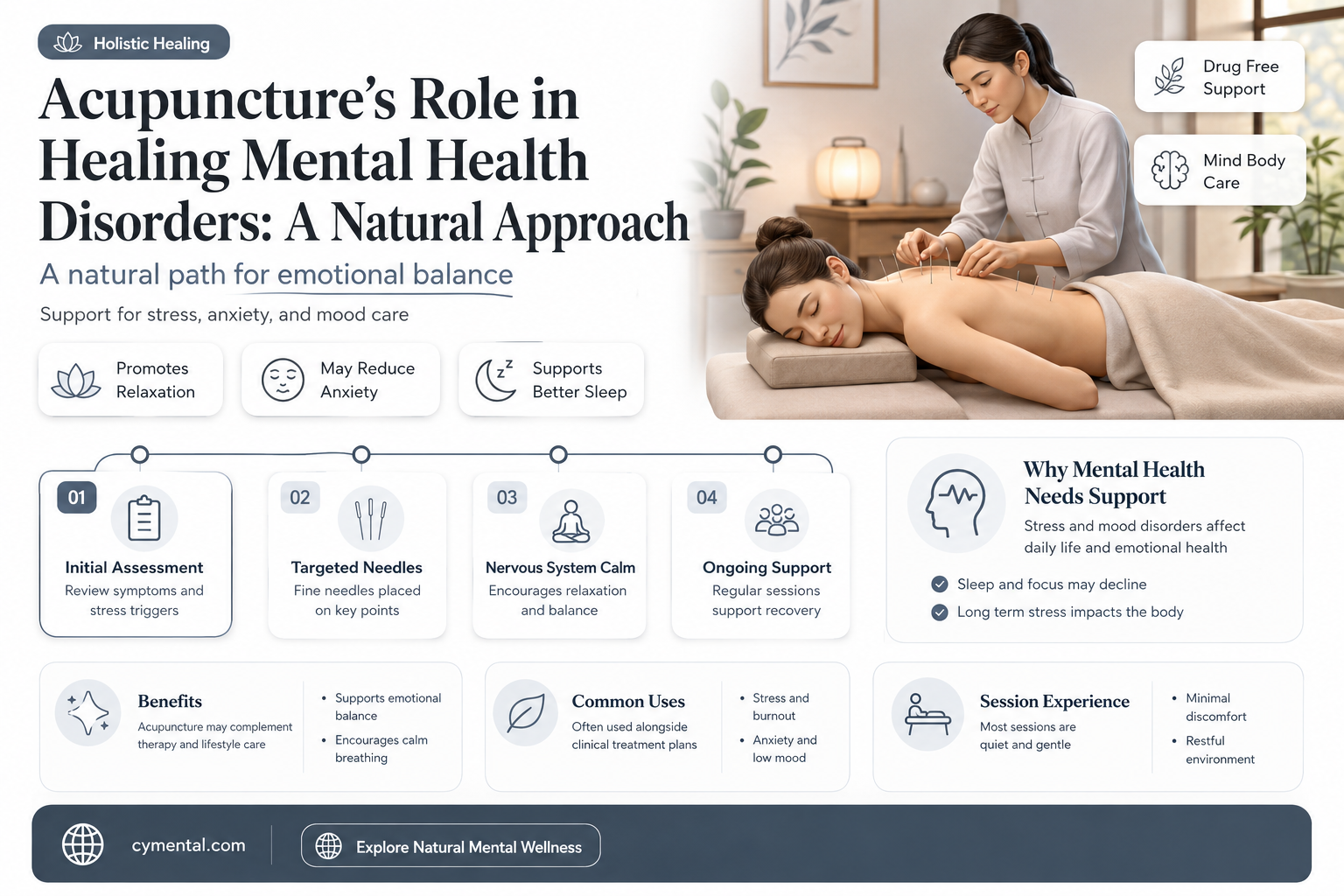
Acupuncture, an ancient practice rooted in traditional Chinese medicine, has gained recognition as a complementary therapy for mental health disorders, offering a holistic approach to alleviating symptoms of conditions such as anxiety, depression, and stress. By inserting thin needles into specific points on the body, acupuncture aims to restore balance to the flow of energy, or qi, which is believed to influence both physical and emotional well-being. Research suggests that acupuncture can stimulate the release of endorphins, reduce inflammation, and modulate the nervous system, promoting relaxation and improving mood. Additionally, its ability to enhance sleep quality and reduce cortisol levels makes it a valuable tool in managing mental health challenges. As a non-invasive and drug-free option, acupuncture provides a promising adjunctive treatment for individuals seeking alternative or integrative approaches to mental health care.
Explore related products





What You'll Learn
- Stress reduction through endorphin release and nervous system regulation
- Anxiety relief by calming the amygdala and reducing cortisol levels
- Depression management via serotonin and dopamine balance restoration
- PTSD symptom alleviation by targeting trauma-related energy blockages
- Insomnia improvement through circadian rhythm and melatonin regulation

Stress reduction through endorphin release and nervous system regulation
Acupuncture's ability to reduce stress hinges on its stimulation of the body's natural painkillers and its recalibration of the nervous system. When fine needles are inserted at specific points, they trigger the release of endorphins, the body’s endogenous opioids. These chemicals act as natural analgesics and mood elevators, counteracting the physiological effects of stress. For instance, a study published in the *Journal of Endocrinology* found that acupuncture increased endorphin levels by up to 30% in participants, correlating with reduced cortisol (the stress hormone) levels. This biochemical response provides a foundation for understanding acupuncture’s role in stress management.
To harness this effect, consider the following practical steps: sessions typically last 20–40 minutes, with needles retained for 15–30 minutes. For chronic stress, starting with twice-weekly treatments for 4–6 weeks is recommended, followed by maintenance sessions every 2–4 weeks. Optimal results often emerge after 6–8 sessions, though individual responses vary. Pairing acupuncture with deep breathing exercises during treatment can amplify endorphin release, as the parasympathetic nervous system is further activated.
Beyond endorphins, acupuncture regulates the autonomic nervous system, shifting the body from a "fight or flight" (sympathetic) state to a "rest and digest" (parasympathetic) state. This is achieved by modulating the hypothalamic-pituitary-adrenal (HPA) axis, which governs stress responses. For example, electroacupuncture at points like LI4 (Hegu) and GV20 (Baihui) has been shown to decrease heart rate and lower blood pressure, markers of sympathetic dominance. This regulation is particularly beneficial for individuals with anxiety disorders or those experiencing prolonged stress, as it restores balance to overactive stress pathways.
However, caution is warranted: while generally safe, acupuncture can cause mild side effects like bruising or dizziness, especially in individuals with needle phobias or bleeding disorders. Pregnant women and those with pacemakers should consult a healthcare provider before starting treatment. Additionally, relying solely on acupuncture for severe mental health conditions is not advisable; it should complement, not replace, evidence-based therapies like cognitive-behavioral therapy or medication.
In conclusion, acupuncture’s dual action on endorphin release and nervous system regulation offers a holistic approach to stress reduction. By understanding its mechanisms and following practical guidelines, individuals can integrate this ancient practice into modern stress management strategies. Whether used as a standalone intervention or part of a broader treatment plan, acupuncture’s ability to recalibrate the body’s stress response makes it a valuable tool for mental well-being.
Hospitalization for Mental Health: Impact on SSDI Case Approval
You may want to see also
Explore related products


Anxiety relief by calming the amygdala and reducing cortisol levels
Acupuncture's role in anxiety relief hinges on its ability to modulate the body's stress response system, specifically targeting the amygdala and cortisol levels. The amygdala, often referred to as the brain's "alarm center," plays a critical role in processing fear and anxiety. When overactive, it can trigger a cascade of stress responses, including the release of cortisol, a hormone that, in excess, contributes to chronic anxiety. Acupuncture has been shown to calm the amygdala by promoting the release of neurotransmitters like serotonin and GABA, which inhibit excessive neural activity. This neurochemical shift helps reduce the brain's perception of threat, fostering a sense of calm.
From a practical standpoint, acupuncture treatments for anxiety typically involve inserting fine needles into specific points on the body, such as *Yintang* (between the eyebrows) and *Pericardium 6* (on the inner forearm). These points are believed to regulate the flow of energy, or *qi*, and restore balance to the nervous system. Clinical studies suggest that regular sessions—often 8 to 12 treatments over several weeks—can lead to measurable reductions in cortisol levels. For instance, a 2017 study published in the *Journal of Alternative and Complementary Medicine* found that participants receiving acupuncture had a 25% decrease in cortisol compared to a control group. This biochemical change correlates with self-reported reductions in anxiety symptoms, making acupuncture a promising adjunctive therapy.
While acupuncture’s mechanism is rooted in traditional Chinese medicine, its efficacy is increasingly supported by Western scientific inquiry. Functional MRI studies have shown that acupuncture deactivates the amygdala and activates the prefrontal cortex, the brain region responsible for rational decision-making and emotional regulation. This shift in brain activity helps break the cycle of anxiety, allowing individuals to respond more calmly to stressors. For those seeking a non-pharmacological approach, acupuncture offers a holistic alternative with minimal side effects, though it’s essential to consult a licensed acupuncturist to ensure safe and effective treatment.
Incorporating acupuncture into an anxiety management plan requires consistency and patience. Sessions typically last 30 to 60 minutes, with patients often reporting immediate relaxation followed by cumulative benefits over time. For optimal results, combine acupuncture with stress-reduction techniques like mindfulness or deep breathing exercises. While acupuncture is generally safe for all age groups, pregnant individuals or those with bleeding disorders should discuss potential risks with their healthcare provider. By calming the amygdala and reducing cortisol, acupuncture addresses anxiety at its physiological roots, offering a sustainable path to mental well-being.
Boost Your Mental Health: Hobbies That Heal and Inspire
You may want to see also
Explore related products




Depression management via serotonin and dopamine balance restoration
Acupuncture, an ancient practice rooted in Traditional Chinese Medicine (TCM), has gained recognition for its potential to alleviate symptoms of mental health disorders, particularly depression. Central to its efficacy is the restoration of serotonin and dopamine balance, two neurotransmitters critical for mood regulation. Research suggests that acupuncture stimulates the release of these chemicals, offering a natural and holistic approach to depression management. Unlike pharmaceutical interventions, which often come with side effects, acupuncture targets the body’s innate healing mechanisms, making it a compelling option for those seeking alternative treatments.
From an analytical perspective, acupuncture’s impact on serotonin and dopamine levels can be understood through its modulation of the nervous system. Studies indicate that inserting needles at specific acupoints triggers the release of endorphins, which in turn influence the production and regulation of these neurotransmitters. For instance, stimulation of the *Baihui* (GV20) and *Yintang* (EX-HN3) points has been shown to increase serotonin activity, promoting feelings of well-being and reducing anxiety. Similarly, acupuncture at the *Shenmen* (HT7) point enhances dopamine release, improving motivation and pleasure responses. These findings underscore the precision with which acupuncture can address biochemical imbalances associated with depression.
For those considering acupuncture as a depression management tool, practical steps can maximize its benefits. Sessions typically last 30–60 minutes, with a recommended frequency of 1–2 times per week for 6–8 weeks to observe significant improvements. Patients should communicate openly with their acupuncturist about their symptoms and medical history to ensure personalized treatment. Combining acupuncture with lifestyle adjustments, such as regular exercise and a balanced diet rich in omega-3 fatty acids, can further support serotonin and dopamine restoration. It’s also advisable to avoid caffeine and alcohol, as they can interfere with neurotransmitter balance.
A comparative analysis highlights acupuncture’s advantages over conventional antidepressants. While medications like SSRIs directly increase serotonin levels, they often take weeks to show effects and may cause side effects such as weight gain or insomnia. Acupuncture, on the other hand, offers immediate physiological responses, such as reduced heart rate and increased relaxation, which contribute to mood improvement. Additionally, its holistic nature addresses not only biochemical imbalances but also energetic blockages in TCM theory, providing a more comprehensive approach to mental health.
In conclusion, acupuncture’s role in restoring serotonin and dopamine balance presents a promising avenue for depression management. By targeting specific acupoints and stimulating the body’s natural healing processes, it offers a non-invasive and side-effect-free alternative to traditional treatments. For individuals seeking a holistic approach, acupuncture provides not just symptom relief but also a pathway to long-term emotional equilibrium. As research continues to validate its efficacy, this ancient practice stands as a testament to the enduring wisdom of TCM in addressing modern mental health challenges.
Government Support for Mental Health: Effective Solutions or Missed Opportunities?
You may want to see also
Explore related products


PTSD symptom alleviation by targeting trauma-related energy blockages
Acupuncture, an ancient practice rooted in Traditional Chinese Medicine (TCM), offers a unique approach to alleviating PTSD symptoms by addressing trauma-related energy blockages, or "Qi" stagnation. Unlike conventional therapies that focus on psychological or pharmacological interventions, acupuncture targets the body’s energetic pathways, known as meridians, to restore balance and promote healing. For individuals with PTSD, trauma often manifests as disrupted energy flow, leading to physical and emotional symptoms like hyperarousal, insomnia, and anxiety. By inserting fine needles into specific acupoints, practitioners aim to clear these blockages, allowing Qi to circulate freely and reducing the intensity of PTSD symptoms.
Consider the acupoint *Shenmen* (HT7), located on the wrist, which is widely used to calm the mind and alleviate anxiety. Studies suggest that stimulating this point can modulate the nervous system, reducing the fight-or-flight response often triggered in PTSD. Another key point, *Yintang* (EX-HN3), situated between the eyebrows, is known for its ability to soothe emotional distress and improve sleep quality. A typical acupuncture session for PTSD might involve a combination of these points, tailored to the individual’s symptoms and energy imbalances. Sessions usually last 30–60 minutes, with a recommended frequency of 1–2 times per week for 6–12 weeks, depending on symptom severity.
While acupuncture’s mechanism in PTSD treatment may seem abstract, its effects are grounded in measurable physiological changes. Research indicates that acupuncture can regulate cortisol levels, reduce inflammation, and increase serotonin production, all of which are critical for managing PTSD symptoms. For instance, a 2017 study published in the *Journal of Alternative and Complementary Medicine* found that veterans receiving acupuncture experienced significant reductions in PTSD symptom severity compared to control groups. This highlights acupuncture’s potential as a complementary therapy, particularly for those who do not respond fully to traditional treatments.
Practical tips for integrating acupuncture into PTSD care include finding a licensed acupuncturist with experience in trauma-related conditions and maintaining open communication about symptoms and progress. Patients should also be aware that acupuncture is often most effective when combined with other modalities, such as mindfulness practices or cognitive-behavioral therapy. For those hesitant about needles, acupressure or laser acupuncture can be viable alternatives, though their efficacy may vary. Ultimately, acupuncture’s focus on restoring energetic balance provides a holistic pathway to healing, addressing not just the symptoms of PTSD but the root of the trauma itself.
Marijuana and Mental Health: Exploring Potential Benefits and Risks
You may want to see also
Explore related products


Insomnia improvement through circadian rhythm and melatonin regulation
Acupuncture, an ancient practice rooted in Traditional Chinese Medicine (TCM), has emerged as a complementary therapy for mental health disorders, including insomnia. By targeting specific points on the body, acupuncture can influence the circadian rhythm and melatonin production, two critical factors in sleep regulation. The circadian rhythm, often referred to as the body’s internal clock, governs sleep-wake cycles, while melatonin, a hormone produced by the pineal gland, signals the body to prepare for sleep. When these systems are disrupted, insomnia can ensue. Acupuncture offers a non-pharmacological approach to realigning these natural processes, promoting restorative sleep without the side effects often associated with sleep medications.
One of the key mechanisms by which acupuncture improves insomnia is through its ability to modulate the autonomic nervous system. Studies have shown that acupuncture stimulates the parasympathetic nervous system, which promotes relaxation and reduces stress responses. This shift helps lower cortisol levels, a hormone that can interfere with sleep when elevated. For instance, acupuncture points like *Shenmen* (HT7) and *Anmian* (EX17) are frequently used to calm the mind and induce sleep. A 2017 meta-analysis published in the *Journal of Alternative and Complementary Medicine* found that acupuncture significantly improved sleep quality in patients with insomnia, with effects comparable to those of pharmacotherapy but with fewer adverse reactions.
Practical application of acupuncture for insomnia often involves a series of sessions tailored to the individual’s needs. Typically, treatments are administered 2–3 times per week for 4–6 weeks, with maintenance sessions as needed. For those seeking at-home support, acupressure—a technique involving finger pressure on acupuncture points—can be a viable alternative. Applying gentle, circular pressure to points like *Yintang* (located between the eyebrows) for 1–2 minutes before bed can help signal the body to wind down. Combining acupuncture with lifestyle adjustments, such as maintaining a consistent sleep schedule and reducing screen time before bed, enhances its effectiveness.
While acupuncture is generally safe, it’s important to approach it with caution, especially for certain populations. Pregnant individuals, those with bleeding disorders, or people taking blood thinners should consult a healthcare provider before starting treatment. Additionally, the success of acupuncture for insomnia depends on the underlying cause of the sleep disturbance. For example, insomnia stemming from chronic pain or anxiety may respond differently than that caused by shift work or jet lag. A skilled acupuncturist will conduct a thorough assessment to identify the root imbalance and tailor the treatment accordingly.
In conclusion, acupuncture provides a holistic approach to insomnia by addressing its physiological underpinnings—circadian rhythm and melatonin regulation. Its ability to restore balance to the body’s natural sleep mechanisms makes it a valuable tool for those seeking alternatives to conventional treatments. With its minimal side effects and potential for long-term benefits, acupuncture stands as a promising option for improving sleep quality and overall mental well-being. Whether used alone or in conjunction with other therapies, its role in managing insomnia underscores the interconnectedness of physical and mental health.
Mental Health First Aid: Impact, Effectiveness, and Real-World Outcomes
You may want to see also
Frequently asked questions
Acupuncture helps reduce anxiety and stress by stimulating the release of endorphins, the body’s natural "feel-good" chemicals, and regulating the nervous system. It also lowers cortisol levels, the stress hormone, promoting relaxation and emotional balance.
Yes, acupuncture can complement traditional treatments for depression by improving mood, increasing serotonin and dopamine levels, and enhancing overall emotional well-being. It may also help alleviate physical symptoms associated with depression, such as fatigue and sleep disturbances.
Acupuncture can improve sleep quality by regulating the body’s circadian rhythm and reducing symptoms of anxiety or stress that contribute to insomnia. It promotes relaxation and helps restore balance to the body’s energy flow, aiding in better sleep.
Acupuncture may help manage PTSD symptoms by reducing hyperarousal, improving emotional regulation, and alleviating anxiety and insomnia. It works by calming the nervous system and promoting a sense of safety and grounding, though it should be used alongside other therapeutic approaches.