Noah Parker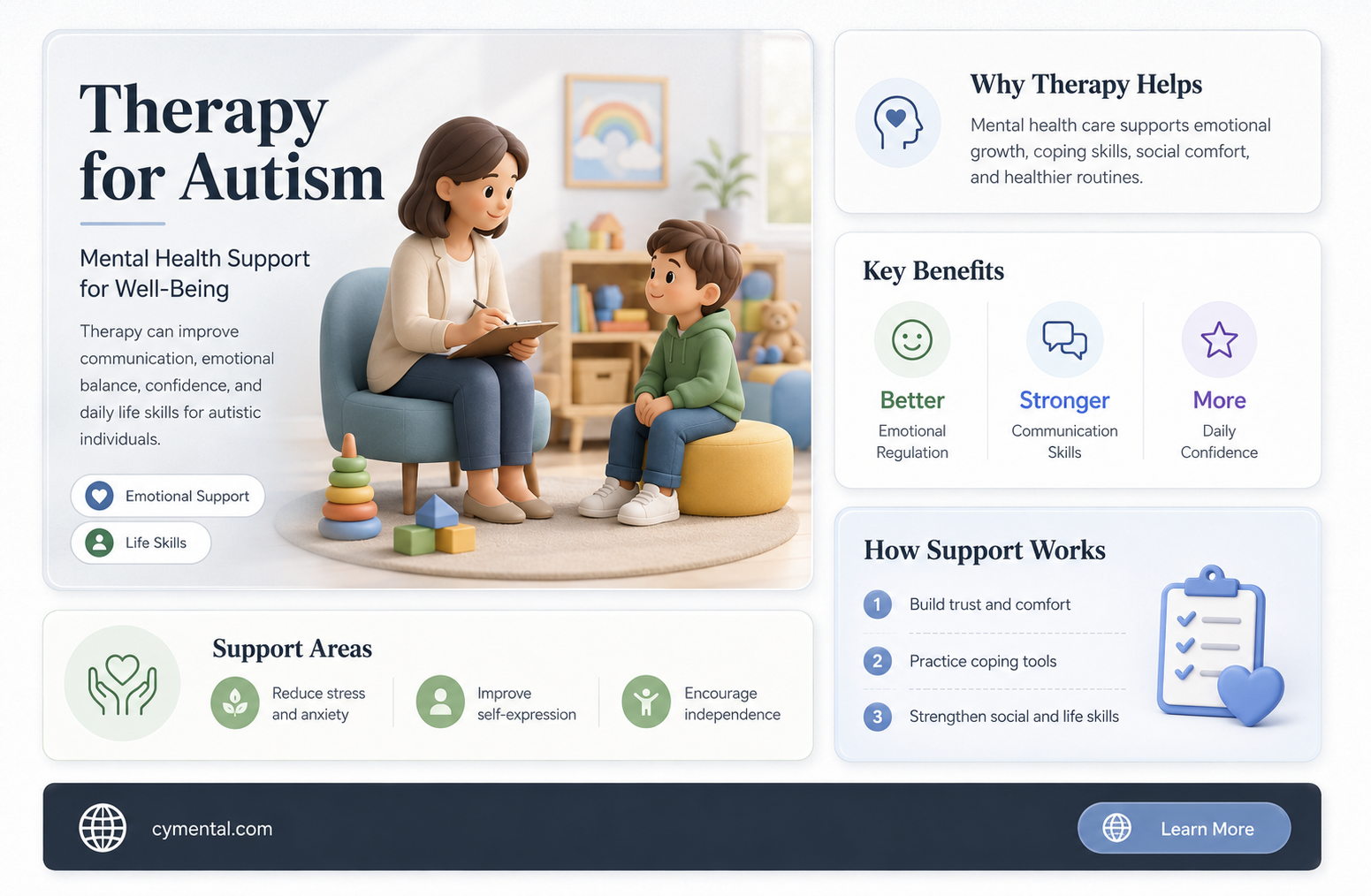
A mental health therapist can play a crucial role in supporting individuals with autism by providing tailored strategies to address their unique challenges and strengths. Through evidence-based approaches like cognitive-behavioral therapy (CBT) or applied behavior analysis (ABA), therapists help manage anxiety, sensory sensitivities, and social difficulties often associated with autism. They also assist in developing coping mechanisms, improving communication skills, and fostering self-esteem, while offering a safe space for emotional expression and understanding. Additionally, therapists collaborate with families and caregivers to create a supportive environment, ensuring holistic progress and enhanced quality of life for the individual.
| Characteristics | Values |
|---|---|
| Behavioral Support | Therapists use evidence-based strategies like Applied Behavior Analysis (ABA) to improve social skills, reduce repetitive behaviors, and enhance communication. |
| Emotional Regulation | Help individuals with autism identify and manage emotions, reducing anxiety, meltdowns, and emotional distress. |
| Social Skills Training | Teach social cues, conversation skills, and appropriate interactions to improve social relationships. |
| Cognitive Behavioral Therapy (CBT) | Address negative thought patterns and behaviors, helping individuals cope with stress, anxiety, and depression. |
| Communication Enhancement | Support the development of verbal and non-verbal communication skills, including the use of augmentative and alternative communication (AAC) tools. |
| Sensory Integration Therapy | Assist in managing sensory sensitivities by creating personalized strategies to cope with overstimulation. |
| Routine and Structure | Establish predictable routines to reduce anxiety and provide a sense of security. |
| Family and Caregiver Support | Provide guidance and resources to families, improving understanding and reducing caregiver stress. |
| Executive Functioning Skills | Help with organization, time management, and problem-solving to improve daily functioning. |
| Trauma-Informed Care | Address trauma and its impact on individuals with autism, using sensitive and supportive approaches. |
| Mindfulness and Relaxation Techniques | Teach mindfulness, deep breathing, and relaxation methods to reduce stress and improve focus. |
| Transition Planning | Assist with life transitions, such as school changes, employment, or independent living, by providing tailored strategies. |
| Individualized Therapy Plans | Create personalized treatment plans based on the unique needs, strengths, and challenges of the individual. |
| Advocacy and Empowerment | Empower individuals with autism to advocate for themselves and navigate societal challenges. |
| Co-Occurring Mental Health Support | Address co-occurring conditions like ADHD, anxiety, or depression alongside autism-specific needs. |
Explore related products


What You'll Learn
- Improving Social Skills: Teaching communication, interaction, and relationship-building strategies tailored to individual needs
- Managing Sensory Overload: Developing coping mechanisms to handle sensory sensitivities and reduce anxiety
- Emotional Regulation: Helping identify and express emotions effectively to prevent meltdowns or shutdowns
- Routine Building: Creating structured daily routines to provide predictability and reduce stress
- Anxiety Reduction: Using therapy techniques like CBT to address and manage autism-related anxiety

Improving Social Skills: Teaching communication, interaction, and relationship-building strategies tailored to individual needs
Social interactions often present unique challenges for individuals with autism, but tailored strategies can significantly enhance their ability to communicate, connect, and build relationships. A mental health therapist plays a pivotal role in this process by designing interventions that align with the individual’s strengths, interests, and developmental stage. For instance, a therapist might use visual supports, such as social stories or comic strip conversations, to help a child with autism understand social cues and expected behaviors in specific situations. These tools break down complex interactions into manageable steps, fostering confidence and reducing anxiety.
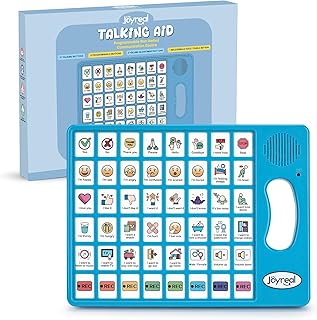
Teaching communication skills begins with assessing the individual’s current abilities and preferred methods of expression. For nonverbal individuals or those with limited speech, therapists often introduce augmentative and alternative communication (AAC) systems, such as picture exchange communication systems (PECS) or speech-generating devices. For verbal individuals, the focus may shift to improving conversational skills, such as turn-taking, topic maintenance, and interpreting nonverbal cues. Role-playing exercises, video modeling, and real-life practice scenarios are effective techniques to reinforce these skills. For example, a therapist might work with a teenager to practice initiating conversations by scripting potential openings and rehearsing them in low-stakes environments before applying them in social settings.
Interaction strategies must be personalized to address the individual’s specific challenges and goals. For someone who struggles with sensory overload in group settings, a therapist might recommend gradual exposure to social environments, starting with smaller, quieter gatherings and progressively increasing complexity. Similarly, for individuals who have difficulty reading social dynamics, therapists can teach explicit rules and scripts for common social situations, such as joining a group or responding to teasing. The key is to provide structured support while encouraging independence, ensuring the individual feels empowered rather than overwhelmed.
Relationship-building is a long-term process that requires patience and consistent practice. Therapists often collaborate with families, educators, and peers to create a supportive network that reinforces social learning across environments. For children, this might involve classroom-based interventions, such as peer-mediated instruction, where typically developing peers are trained to facilitate social interactions. For adults, therapists may focus on identifying shared interests as a foundation for building connections, such as joining clubs or online communities centered around hobbies. By integrating these strategies into daily life, individuals with autism can develop meaningful relationships that enhance their overall well-being.
Ultimately, improving social skills is not about conforming to neurotypical norms but about fostering authentic communication and connection in a way that honors the individual’s unique perspective. Therapists achieve this by adopting a strengths-based approach, leveraging the individual’s interests and abilities to make social learning engaging and relevant. For example, a child fascinated by trains might use this interest as a topic for conversation or as a shared activity to bond with peers. By tailoring interventions to the individual’s needs and preferences, therapists create a pathway for social growth that is both effective and empowering.
Lifting Weights: A Powerful Tool for Mental Health and Well-Being
You may want to see also
Explore related products

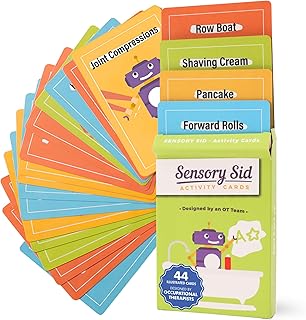



Managing Sensory Overload: Developing coping mechanisms to handle sensory sensitivities and reduce anxiety
Sensory overload can be a daily challenge for individuals with autism, turning ordinary environments into minefields of stress and anxiety. Bright lights, loud noises, and even certain textures can trigger overwhelming responses, making it difficult to function. A mental health therapist plays a crucial role in helping individuals develop coping mechanisms to manage these sensitivities, fostering greater independence and quality of life.
By understanding the specific sensory triggers and their impact, therapists can tailor strategies to mitigate their effects. This personalized approach is essential, as what works for one person may not work for another. For instance, a therapist might help a client identify which sounds are most distressing—perhaps the hum of fluorescent lights or the clatter of dishes—and then work on desensitization techniques or environmental modifications to reduce exposure.
One effective strategy is the creation of a "sensory diet," a structured plan of activities designed to regulate the sensory system throughout the day. This might include deep pressure input, such as weighted blankets or firm hugs, to provide calming stimulation. For auditory sensitivities, noise-canceling headphones or earplugs can be invaluable tools. Visual sensitivities can be addressed by wearing tinted glasses or adjusting lighting in the home or workplace. A therapist can guide the individual in experimenting with these tools to find the most effective combination for their needs.
Another key aspect of therapy is teaching mindfulness and relaxation techniques to reduce anxiety during moments of sensory overload. Deep breathing exercises, progressive muscle relaxation, and guided imagery can help individuals regain control when overwhelmed. For example, a therapist might teach a client to focus on their breath, counting slowly to four with each inhale and exhale, to ground themselves in the present moment. These techniques are particularly useful for older teens and adults, who may face sensory challenges in complex social or professional settings.
It’s also important to involve caregivers and family members in the process, as they can provide support and help implement strategies at home. A therapist might educate parents on recognizing early signs of sensory overload in a child, such as fidgeting or withdrawal, and intervene before the situation escalates. For younger children, play-based therapy can be highly effective, using sensory toys and games to build tolerance and coping skills in a fun, non-threatening way.
Ultimately, managing sensory overload is about empowerment—equipping individuals with the tools to navigate their environment with confidence. Through a combination of personalized strategies, practical tools, and emotional support, a mental health therapist can make a profound difference in the lives of those with autism, helping them transform sensory challenges into manageable aspects of daily life.
ChatGPT and Mental Health: A Supportive Tool or Limited Aid?
You may want to see also
Explore related products

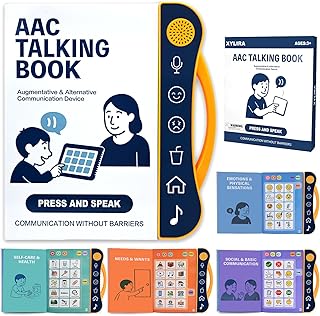




Emotional Regulation: Helping identify and express emotions effectively to prevent meltdowns or shutdowns
Emotional regulation is a critical skill for individuals with autism, often serving as a buffer against the overwhelming intensity of meltdowns or shutdowns. Many autistic people experience alexithymia, a difficulty in identifying and describing emotions, which can lead to internalized stress and external behavioral challenges. A mental health therapist can act as a guide, teaching structured strategies to recognize emotional cues and respond to them in a way that fosters calm and clarity. By breaking down emotions into manageable components, therapists help clients build a vocabulary for their feelings, reducing the frustration that arises from emotional ambiguity.
Consider the process of emotional regulation as a three-step framework: identification, expression, and modulation. First, therapists use tools like emotion charts or journaling prompts to help clients label their feelings. For instance, a visual scale from "calm" to "overwhelmed" can simplify complex emotions into tangible categories. Second, expressive techniques such as drawing, role-playing, or even using apps designed for emotional tracking allow individuals to communicate their internal states without relying solely on verbal language. Finally, modulation strategies, like deep breathing exercises or sensory breaks, provide actionable ways to manage emotional intensity before it escalates.
One practical example involves a 12-year-old autistic child who struggles with transitions, often leading to meltdowns. A therapist might introduce a "feelings thermometer" to help the child rate their emotional temperature throughout the day. Paired with a pre-transition routine—such as listening to a favorite song or squeezing a stress ball—this tool empowers the child to signal discomfort early and use coping mechanisms proactively. Over time, this structured approach not only reduces meltdowns but also builds self-awareness and confidence in managing emotions.
However, emotional regulation is not a one-size-fits-all solution. Therapists must tailor strategies to individual sensory profiles, communication styles, and developmental levels. For instance, a nonverbal teenager might benefit from augmentative communication devices paired with visual emotion cards, while an adult with strong verbal skills could explore cognitive reframing techniques. Caution should also be taken to avoid overloading the individual with too many strategies at once; gradual introduction and consistent practice yield the best results.
Ultimately, the goal of emotional regulation therapy is not to eliminate emotions but to transform them from sources of distress into opportunities for growth. By equipping individuals with autism with the tools to identify, express, and modulate their emotions, therapists foster resilience and autonomy. This process requires patience, creativity, and collaboration, but the payoff—fewer meltdowns, improved relationships, and a greater sense of emotional well-being—is well worth the effort.
Cardio and Mental Health: Unlocking the Mind-Body Connection
You may want to see also
Explore related products





Routine Building: Creating structured daily routines to provide predictability and reduce stress
Individuals with autism often thrive in environments where predictability reigns. Unexpected changes or unstructured time can trigger anxiety and overwhelm. This is where routine building becomes a powerful tool for mental health therapists. By collaborating with clients to establish structured daily routines, therapists can significantly reduce stress and promote a sense of control.
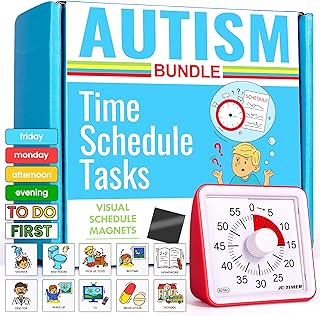
Imagine a child with autism who struggles with transitions. A therapist might work with the child and their family to create a visual schedule using pictures or symbols, clearly outlining the day's activities: breakfast, school, therapy, playtime, dinner, and bedtime. This visual roadmap provides a sense of predictability, allowing the child to anticipate what comes next and reducing anxiety around transitions.
Building effective routines requires a personalized approach. Therapists assess individual needs, preferences, and challenges. For some, a highly detailed, minute-by-minute schedule might be necessary, while others may benefit from a broader outline with built-in flexibility. Incorporating preferred activities and choices within the routine can increase motivation and adherence. For example, a teenager might choose between two preferred snacks after completing homework, giving them a sense of autonomy within the structured framework.
Regularly reviewing and adjusting routines is crucial. As individuals grow and develop, their needs and interests evolve. Therapists work collaboratively to refine routines, ensuring they remain relevant and supportive. This iterative process fosters a sense of partnership and empowers individuals to actively participate in managing their well-being.
The benefits of structured routines extend beyond stress reduction. They can improve sleep patterns, enhance focus and concentration, and promote independence. By providing a sense of order and predictability, routines create a foundation for individuals with autism to engage more fully in daily life, learn new skills, and build confidence. Think of routines as scaffolding, supporting individuals as they navigate the complexities of their world. With the guidance of a mental health therapist, these routines can be tailored to individual needs, fostering a sense of security and enabling personal growth.
Are Mental Health Diagnoses Helpful? Exploring Benefits and Limitations
You may want to see also
Explore related products
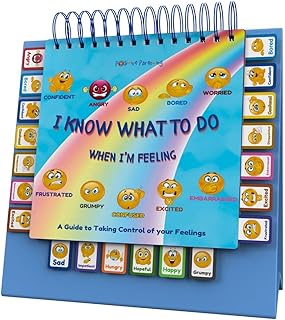


Anxiety Reduction: Using therapy techniques like CBT to address and manage autism-related anxiety
Anxiety is a common challenge for individuals with autism, often stemming from sensory sensitivities, social interactions, or changes in routine. Cognitive Behavioral Therapy (CBT) emerges as a powerful tool in this context, offering structured strategies to identify and reframe anxiety-provoking thoughts. Unlike general anxiety management, CBT for autism tailors its approach to accommodate neurodivergent thinking patterns, such as literal interpretations or intense focus on details. For instance, a therapist might use visual aids or concrete examples to help a client understand the connection between a thought ("Everyone is judging me") and its emotional impact (anxiety), then collaboratively challenge its validity.
Consider a 14-year-old with autism who experiences panic during transitions between school subjects. A CBT therapist might first work with them to create a "worry log," documenting triggers and physical symptoms. Next, they’d introduce relaxation techniques like diaphragmatic breathing (inhale for 4 seconds, hold for 4, exhale for 6) paired with a visual timer to ground the practice. Gradually, the therapist would help the client replace catastrophic thoughts ("I’ll never finish on time") with more balanced ones ("I’ve managed this before"). This step-by-step process respects the individual’s need for predictability while building resilience.
While CBT’s effectiveness is well-documented, its application in autism requires careful adaptation. Therapists must avoid overwhelming clients with abstract concepts or rapid pacing. For younger children (ages 8–12), incorporating play or storytelling can make CBT more accessible. For example, a therapist might use a "thought bubble" exercise where the child draws their worries and then "pop" them by replacing them with positive statements. Adolescents and adults may benefit from technology-assisted tools, like apps that track anxiety levels or provide guided meditations tailored to sensory preferences.
A critical caution is the risk of overloading individuals with too many strategies at once. Start with one or two techniques, such as progressive muscle relaxation or thought challenging, and gradually introduce more as mastery is achieved. Additionally, therapists should collaborate with caregivers to reinforce skills outside sessions, ensuring consistency in environments like home or school. For instance, a parent might use a simplified version of the "worry log" to help their child reflect on daily stressors.
In conclusion, CBT for autism-related anxiety is not a one-size-fits-all solution but a flexible framework that respects neurodiversity. By combining evidence-based techniques with individualized adaptations, therapists can empower clients to navigate anxiety with confidence. The key lies in patience, creativity, and a deep understanding of the unique strengths and challenges each person brings to the therapeutic process.
Beto's Mental Health: Addressing Concerns and Seeking Supportive Solutions
You may want to see also
Frequently asked questions
A therapist can help by teaching coping strategies tailored to the individual’s sensory and communication needs, such as mindfulness, visual supports, or structured routines, while also addressing underlying triggers of anxiety.
Yes, therapists can use evidence-based approaches like social skills training, role-playing, and cognitive-behavioral therapy to help individuals understand social cues, practice communication, and build confidence in social interactions.
Therapists can teach emotion identification, self-soothing techniques, and problem-solving strategies, often using visual tools or structured plans to help individuals recognize and manage their emotions effectively.
Absolutely, therapists can provide family counseling to improve communication, reduce stress, and educate family members about autism, fostering a supportive and understanding home environment.