Noah Parker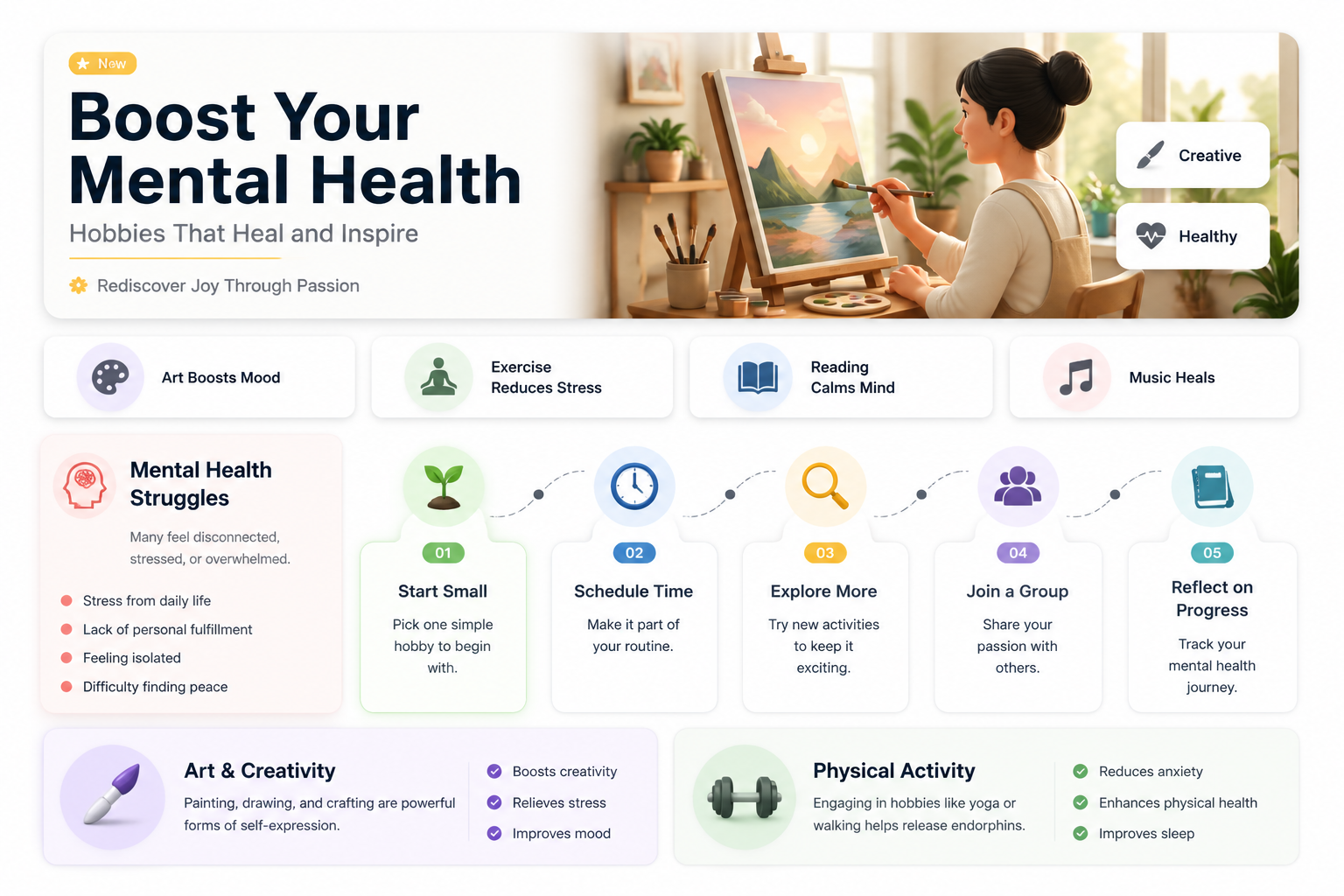
Engaging in hobbies that promote relaxation, creativity, and mindfulness can significantly improve mental health by reducing stress, enhancing mood, and fostering a sense of accomplishment. Activities such as journaling, painting, gardening, or practicing yoga not only provide an outlet for self-expression but also encourage present-moment awareness, which can alleviate symptoms of anxiety and depression. Additionally, social hobbies like joining a book club or playing team sports can combat feelings of isolation by building connections and fostering a supportive community. By incorporating these activities into daily life, individuals can cultivate resilience, boost self-esteem, and create a balanced mental well-being.
Explore related products


What You'll Learn
- Creative Outlets: Art, writing, music reduce stress, foster self-expression, and enhance emotional well-being
- Physical Activity: Exercise releases endorphins, boosts mood, and reduces anxiety and depression symptoms
- Mindfulness Practices: Meditation, yoga, and tai chi promote relaxation and improve focus
- Social Hobbies: Group activities like clubs or sports combat loneliness and build connections
- Nature Engagement: Gardening, hiking, or birdwatching lowers stress and increases happiness

Creative Outlets: Art, writing, music reduce stress, foster self-expression, and enhance emotional well-being
Engaging in creative activities like art, writing, and music isn’t just a pastime—it’s a therapeutic tool backed by research. Studies show that spending as little as 20 minutes a day on creative tasks can significantly lower cortisol levels, the body's primary stress hormone. Whether it’s doodling in a sketchbook, journaling, or strumming a guitar, these activities activate the brain’s reward system, releasing dopamine and fostering a sense of accomplishment. For instance, a 2016 study published in *Art Therapy* found that 45 minutes of art-making reduced stress levels across all participants, regardless of artistic skill. The key lies in the process, not the product—focusing on creation shifts attention away from stressors, providing a mental reset.
Consider writing as a prime example of a creative outlet that doubles as emotional therapy. Journaling, in particular, has been shown to improve mood and clarify thoughts. A study in the *Journal of American Medical Association* found that expressive writing for 15–20 minutes a day over three consecutive days helped participants manage anxiety and depression symptoms. For beginners, start with a simple prompt like, “What’s one thing I’m grateful for today?” or “What’s weighing on my mind?” Over time, this practice can evolve into poetry, storytelling, or even songwriting. The act of translating emotions into words not only helps process them but also creates a tangible record of growth and resilience.
Music, too, holds immense power in enhancing emotional well-being. Playing an instrument, singing, or even listening to music actively engages multiple areas of the brain, promoting relaxation and emotional release. Research from *Frontiers in Psychology* highlights that improvising music or composing can reduce symptoms of depression and anxiety by encouraging self-expression in a non-verbal form. For those new to music, apps like *Simply Piano* or *GarageBand* offer accessible entry points. Even 10 minutes of daily practice can yield benefits, as consistency matters more than skill level. Group activities, such as joining a choir or drum circle, add a social element, combating loneliness while fostering creativity.
What sets these creative outlets apart is their ability to foster self-expression in a judgment-free zone. Art, for instance, allows individuals to communicate complex emotions without words, making it particularly beneficial for those who struggle with verbal expression. A study in *The Arts in Psychotherapy* revealed that participants who engaged in art therapy reported higher levels of self-awareness and emotional resilience. Similarly, writing and music provide structured yet flexible frameworks for exploring identity and processing trauma. These activities aren’t about creating masterpieces—they’re about tapping into the subconscious and giving form to feelings that often remain unspoken.
Incorporating these creative practices into daily life doesn’t require a time-consuming commitment. Start small: carry a pocket notebook for spontaneous doodles or ideas, keep a playlist of calming songs for stressful moments, or dedicate 10 minutes each evening to freewriting. The goal is to make creativity a habit, not a chore. For families, these activities can be shared, turning them into bonding opportunities. For example, a weekly “music night” where each member shares a song or a collaborative art project can strengthen connections while nurturing mental health. By prioritizing these outlets, individuals can build a toolkit for managing stress, expressing themselves, and cultivating emotional balance in an increasingly chaotic world.
Supporting Mental Health: Practical Ways to Help Loved Ones Heal
You may want to see also
Explore related products




Physical Activity: Exercise releases endorphins, boosts mood, and reduces anxiety and depression symptoms
Engaging in physical activity is one of the most effective ways to enhance mental health, backed by extensive research and personal testimonials alike. When you exercise, your brain releases endorphins, often referred to as "feel-good" hormones, which act as natural painkillers and mood elevators. Even a 30-minute brisk walk or a short yoga session can trigger this biochemical response, offering immediate relief from stress and anxiety. For those struggling with depression, regular physical activity has been shown to reduce symptoms by up to 47%, comparable to the effects of medication or therapy in some cases.
To maximize these benefits, aim for at least 150 minutes of moderate-intensity exercise per week, as recommended by the World Health Organization. This could include activities like cycling, swimming, or dancing. If you prefer high-intensity workouts, 75 minutes of vigorous exercise, such as running or HIIT, can yield similar results. Consistency is key—breaking it down into smaller, daily sessions (e.g., 20–30 minutes) makes it more manageable and sustainable. For older adults or those with physical limitations, low-impact activities like tai chi or water aerobics can still provide significant mental health benefits without strain.
One of the most compelling aspects of exercise is its versatility. Unlike other hobbies, it doesn’t require specialized skills or expensive equipment to start. Walking, jogging, or bodyweight exercises like push-ups and squats can be done virtually anywhere, making it accessible to people of all ages and fitness levels. Group activities, such as team sports or fitness classes, also offer social interaction, which can further combat feelings of isolation and loneliness. For instance, joining a local running club or participating in community yoga sessions can create a sense of belonging while improving mental well-being.
However, it’s important to approach physical activity with mindfulness to avoid burnout or injury. Start slowly, especially if you’re new to exercise, and gradually increase intensity and duration. Listen to your body—if an activity causes pain or excessive fatigue, modify it or try something else. Incorporating variety into your routine, such as alternating between cardio, strength training, and flexibility exercises, can keep it engaging and prevent monotony. Additionally, pairing physical activity with mindfulness practices, like focusing on your breath during a walk or run, can amplify its stress-relieving effects.
In conclusion, physical activity is a powerful tool for improving mental health, offering both immediate and long-term benefits. By releasing endorphins, reducing anxiety, and alleviating depression, it addresses the biochemical and emotional aspects of well-being. Whether you’re a beginner or a seasoned athlete, there’s a form of exercise suited to your needs and preferences. The key is to make it a regular part of your routine, tailoring it to your lifestyle and capabilities. With consistency and mindfulness, physical activity can become not just a hobby, but a cornerstone of your mental health strategy.
Social Media's Role in Supporting Mental Health and Well-being
You may want to see also
Explore related products


$5.11 $8.99


Mindfulness Practices: Meditation, yoga, and tai chi promote relaxation and improve focus
The ancient practices of meditation, yoga, and tai chi have long been revered for their profound impact on mental well-being, offering a sanctuary of calm in our often chaotic lives. These mindfulness techniques are not merely trends but time-honored traditions, now backed by modern science, that can significantly enhance our mental health. By engaging in these practices, individuals can cultivate a sense of inner peace and clarity, providing a powerful antidote to the stresses of daily life.
Unraveling the Benefits: A Scientific Perspective
Research has delved into the effects of mindfulness practices, revealing a plethora of mental health advantages. Studies show that meditation, for instance, can reduce symptoms of anxiety and depression, with as little as 10 minutes of daily practice making a noticeable difference. This is attributed to its ability to decrease the production of stress hormones and promote emotional regulation. Yoga, a physical manifestation of mindfulness, not only improves flexibility and strength but also boosts mood and reduces stress. The combination of physical postures, breathing techniques, and meditation in yoga creates a holistic approach to mental wellness. Tai chi, often described as meditation in motion, has been found to enhance cognitive function and reduce anxiety, particularly in older adults, offering a gentle yet effective way to improve mental clarity.
A Practical Guide to Getting Started
Incorporating these practices into your routine is accessible and adaptable to various lifestyles. For beginners, guided meditation apps or local classes can provide structure and support. Starting with short sessions of 5–10 minutes daily and gradually increasing the duration is a practical approach. Yoga can be practiced at home with online tutorials or in a studio setting, catering to all fitness levels. Tai chi's slow, graceful movements make it suitable for all ages, and local community centers often offer classes. Consistency is key; regular practice, even for a few minutes each day, can lead to significant improvements in focus and relaxation.
Tailoring Mindfulness to Your Needs
The beauty of these practices lies in their versatility. Meditation, for instance, offers various techniques, from mindfulness meditation, focusing on the present moment, to transcendental meditation, using mantras for deep relaxation. Yoga styles range from gentle Hatha to more vigorous Vinyasa, allowing individuals to choose based on their energy levels and goals. Tai chi's various forms, such as Yang and Chen styles, offer different challenges and benefits, ensuring there's a suitable practice for everyone. This customization ensures that mindfulness practices are not one-size-fits-all but can be tailored to individual preferences and mental health needs.
A Holistic Approach to Mental Wellness
In a world where mental health challenges are increasingly prevalent, mindfulness practices offer a natural, accessible solution. By dedicating time to meditation, yoga, or tai chi, individuals can actively participate in their mental well-being. These practices provide tools to manage stress, improve focus, and cultivate a positive mindset. The cumulative effect of regular mindfulness practice can lead to a more balanced, resilient, and peaceful state of mind, demonstrating that sometimes, the most powerful remedies are those that encourage us to look within.
Supporting Loved Ones: Practical Ways to Help with Anxiety and Depression
You may want to see also
Explore related products




Social Hobbies: Group activities like clubs or sports combat loneliness and build connections
Human beings are inherently social creatures, and loneliness can have a profound impact on mental health. Engaging in group activities, such as joining clubs or participating in team sports, offers a powerful antidote to isolation. These social hobbies provide a sense of belonging, foster meaningful connections, and create opportunities for shared experiences, all of which contribute to improved mental well-being.
Consider the structure and routine that group activities inherently provide. For instance, committing to a weekly book club meeting or a regular soccer practice establishes a consistent social engagement. This predictability can be particularly beneficial for individuals struggling with anxiety or depression, as it offers a sense of stability and something to look forward to. Moreover, the shared focus on a common interest or goal creates a natural icebreaker, making it easier to initiate conversations and form bonds with others.
The benefits of social hobbies extend beyond the immediate enjoyment of the activity. Research has shown that social connections can reduce the risk of mental health issues, including depression and anxiety. A study published in the *Journal of Health and Social Behavior* found that individuals with strong social ties had a 50% increased likelihood of survival compared to those with weak social ties. This highlights the profound impact that social engagement, such as through group hobbies, can have on overall mental and physical health.
To maximize the mental health benefits of social hobbies, it’s essential to choose activities that align with your interests and comfort level. For example, introverts might prefer smaller, more intimate groups like a knitting circle or a chess club, while extroverts may thrive in larger, more dynamic settings such as community theater or recreational leagues. Start by exploring local community centers, online forums, or social media groups to find opportunities that match your preferences. Consistency is key—aim to participate regularly, even if it’s just once a week, to build lasting connections and reap the full rewards of these social interactions.
Incorporating social hobbies into your routine doesn’t require a massive time commitment. Even dedicating 1-2 hours per week can make a significant difference. For parents or busy professionals, family-friendly activities like community gardening or parent-child sports leagues can provide dual benefits, fostering connections while also spending quality time with loved ones. Remember, the goal is not to add stress but to create enjoyable, meaningful interactions that enhance your mental health. By prioritizing social hobbies, you’re not just filling your time—you’re investing in your well-being.
Supporting the Mentally Handicapped: Are Current Efforts Truly Making a Difference?
You may want to see also
Explore related products


Nature Engagement: Gardening, hiking, or birdwatching lowers stress and increases happiness
Spending just 20–30 minutes daily in nature can measurably reduce cortisol levels, the body's primary stress hormone. This simple act of engagement with the natural world—whether through gardening, hiking, or birdwatching—triggers physiological changes that promote relaxation and mental clarity. For instance, a study published in *Frontiers in Psychology* found that participants who gardened for 30 minutes reported significant decreases in stress compared to those who read indoors. The combination of physical activity, exposure to sunlight, and connection with living things creates a potent antidote to the pressures of modern life.
Gardening, in particular, offers a hands-on way to cultivate both plants and mental well-being. It’s not just about growing flowers or vegetables; it’s a practice in mindfulness. The repetitive tasks—digging, planting, pruning—encourage a meditative state, allowing the mind to focus on the present moment. For beginners, start with low-maintenance plants like succulents or herbs. Even a small windowsill garden can provide a sense of accomplishment and purpose. Pro tip: Combine gardening with journaling to track progress and reflect on the calming effects of nurturing life.
Hiking takes nature engagement to a larger scale, offering both physical exercise and a change of scenery. Trails through forests, mountains, or even urban parks expose you to fresh air, natural sounds, and visual beauty, all of which have been shown to improve mood and reduce anxiety. Aim for at least one hike per week, starting with shorter, less strenuous routes. For added benefit, practice "forest bathing," a Japanese technique (*shinrin-yoku*) that involves immersing yourself in nature with all five senses. Research suggests that just two hours of forest bathing per week can boost immune function and lower stress.
Birdwatching, often overlooked, is a uniquely calming hobby that sharpens focus and fosters a sense of wonder. It requires patience and attention, drawing you into the rhythms of the natural world. Beginners can start with a simple bird feeder and a field guide or app like Merlin Bird ID. Spend 15–20 minutes daily observing the birds in your backyard or local park. Over time, you’ll notice patterns in their behavior, which can be both educational and soothing. Plus, it’s a hobby that can be done solo or shared with others, making it versatile for all ages.
The beauty of nature engagement lies in its accessibility and adaptability. Whether you have a sprawling garden, a nearby hiking trail, or just a balcony, there’s a way to connect with nature that fits your lifestyle. The key is consistency—make it a habit, not a one-off activity. For families, involve children by turning hikes into scavenger hunts or assigning them small gardening tasks. For seniors, birdwatching or light gardening can provide gentle physical activity and cognitive stimulation. Regardless of age or ability, these hobbies offer a sustainable way to nurture mental health, one moment in nature at a time.
First Responders' Mental Health: Personal Struggles and Support Solutions
You may want to see also
Frequently asked questions
Yes, many hobbies can positively impact mental health, such as mindfulness meditation, journaling, painting, gardening, and yoga. These activities reduce stress, promote relaxation, and enhance emotional well-being.
Physical activities like running, swimming, or dancing release endorphins, which boost mood and reduce symptoms of anxiety and depression. They also improve sleep and increase self-confidence.
Absolutely. Creative hobbies provide an outlet for self-expression, reduce stress, and foster a sense of accomplishment. They can also help process emotions and improve focus.
Yes, social hobbies combat loneliness and build a sense of community. Interacting with others through activities like book clubs, team sports, or volunteering can enhance mood and provide emotional support.