Noah Parker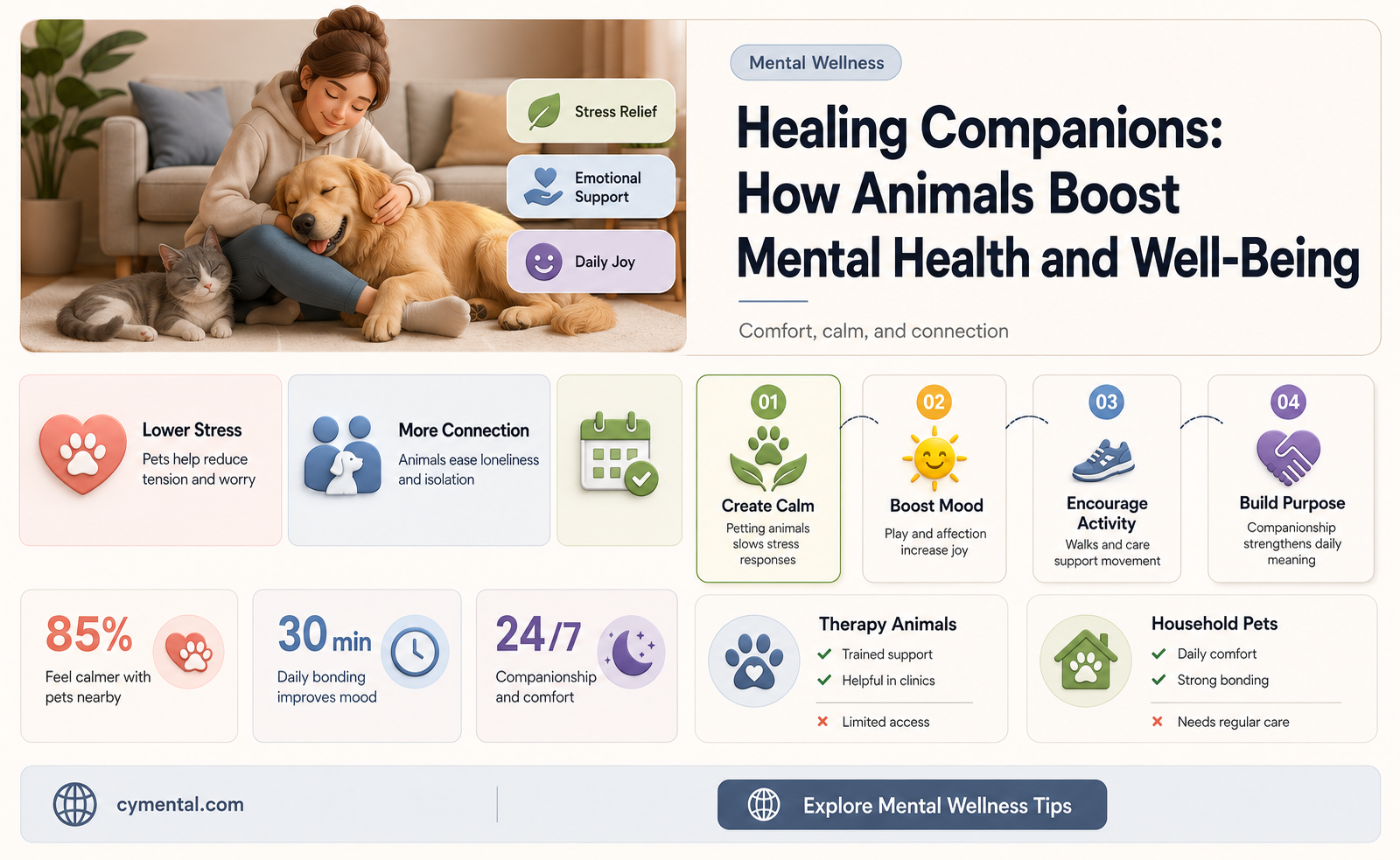
Animals have long been recognized as valuable companions, but their role in supporting mental health is increasingly being acknowledged by researchers and mental health professionals. Interacting with animals, whether through pet ownership, therapy animals, or even wildlife observation, has been shown to reduce stress, anxiety, and depression. Pets, in particular, provide unconditional love and companionship, which can alleviate feelings of loneliness and isolation. Therapy animals, such as dogs and horses, are used in structured settings to help individuals with conditions like PTSD, autism, and anxiety, offering emotional support and promoting relaxation. Additionally, engaging with animals encourages physical activity, routine, and a sense of purpose, all of which contribute to improved mental well-being. As the bond between humans and animals deepens, their potential to enhance mental health continues to be a powerful and natural remedy for emotional challenges.
Explore related products


$10.98 $19.95


What You'll Learn
- Emotional Support Animals: Provide comfort, reduce anxiety, and offer companionship for mental health stability
- Therapy Animals: Assist in therapy sessions to improve mood and emotional expression
- Nature Exposure: Interacting with animals outdoors reduces stress and boosts serotonin levels
- Routine & Responsibility: Caring for pets creates structure, purpose, and a sense of achievement
- Social Connection: Pets encourage interactions, combat loneliness, and foster community engagement

Emotional Support Animals: Provide comfort, reduce anxiety, and offer companionship for mental health stability
The presence of an emotional support animal (ESA) can be a game-changer for individuals grappling with mental health challenges. These animals, often dogs or cats but sometimes birds, rabbits, or even miniature horses, are prescribed by mental health professionals to provide comfort and support. Unlike service animals, ESAs are not trained to perform specific tasks but rather offer a calming presence that can significantly reduce symptoms of anxiety, depression, and loneliness. For instance, a person with generalized anxiety disorder might find that the rhythmic purring of a cat or the gentle nudge of a dog helps ground them during moments of panic.
To qualify for an ESA, individuals must obtain a letter from a licensed mental health professional, such as a therapist or psychiatrist, stating that the animal is necessary for their mental health. This letter is crucial for legal protections, allowing ESAs to accompany their owners in no-pet housing and, in some cases, on flights. However, it’s essential to understand that ESAs are not a one-size-fits-all solution. The effectiveness of an ESA depends on the bond between the animal and the individual, as well as the specific needs of the person. For example, someone with PTSD might benefit from a dog’s ability to sense and interrupt nightmares, while a person with agoraphobia may find solace in a small, portable animal like a guinea pig.
One of the most compelling aspects of ESAs is their ability to foster a sense of routine and responsibility, which can be particularly beneficial for those struggling with depression or bipolar disorder. Caring for an animal—feeding, grooming, and exercising it—provides structure to the day and a reason to get out of bed. This routine can also serve as a distraction from negative thoughts, shifting focus from internal turmoil to external caregiving. Studies have shown that interacting with pets releases oxytocin, often referred to as the “love hormone,” which promotes feelings of happiness and reduces stress. For maximum benefit, experts recommend spending at least 15–30 minutes daily engaging in activities like petting, playing, or walking with the ESA.
While ESAs offer numerous advantages, it’s important to approach their adoption thoughtfully. Prospective owners should consider the financial and time commitments involved, including veterinary care, food, and training. Additionally, not all animals are suited to the role of an ESA; temperament and energy levels must align with the individual’s needs. For example, a high-energy dog might not be ideal for someone with severe anxiety, while a calm, affectionate cat could be perfect. Consulting with a veterinarian or animal behaviorist can help ensure a good match.
In conclusion, emotional support animals are a powerful tool in the mental health toolkit, offering comfort, reducing anxiety, and providing unwavering companionship. Their ability to create routine, foster emotional connection, and trigger physiological responses like oxytocin release makes them invaluable for many. However, their effectiveness hinges on careful selection and commitment. For those who find the right match, an ESA can be more than just a pet—it can be a lifeline to stability and well-being.
Guinea Pigs as Emotional Support: Boosting Mental Health Naturally
You may want to see also
Explore related products

$9.99 $14.99


$65.7 $74.95

$35.34 $39.99


Therapy Animals: Assist in therapy sessions to improve mood and emotional expression
Animals have an uncanny ability to connect with humans on an emotional level, often bypassing the barriers that traditional therapy might face. In therapy sessions, animals like dogs, cats, and even horses are increasingly being used to facilitate emotional expression and improve mood. Their non-judgmental presence creates a safe space for individuals to open up, often leading to breakthroughs in communication and self-awareness. For instance, a child struggling with anxiety might find it easier to articulate their feelings while petting a calm, receptive dog, rather than sitting across from a therapist in a sterile office.
Consider the mechanics of how therapy animals work. During a session, the animal’s role is not just to provide comfort but to act as a mediator between the therapist and the client. For example, a therapy dog might sit beside a patient during a discussion about trauma, offering physical warmth and a distraction from overwhelming emotions. This allows the therapist to guide the conversation more effectively while the patient focuses on the soothing presence of the animal. Studies show that interactions with therapy animals can reduce cortisol levels (a stress hormone) by up to 24%, creating a physiological environment conducive to healing.
Implementing therapy animals in sessions requires careful planning. Therapists must first assess whether the client is comfortable with animals and ensure the animal is trained and certified for such work. For children aged 5–12, short 15–20 minute sessions with a therapy dog can significantly improve engagement and emotional expression. Adults, particularly those with PTSD or depression, may benefit from longer, structured activities like grooming a horse or walking a dog, which combine physical activity with emotional connection. It’s crucial to monitor the animal’s stress levels too—therapy animals should work no more than 4–6 hours per day to avoid burnout.
The persuasive power of therapy animals lies in their ability to evoke empathy and reduce defensiveness. For individuals who struggle with trust or emotional vulnerability, an animal’s unconditional acceptance can be transformative. A comparative analysis of therapy sessions with and without animals found that clients reported feeling 30% more understood and 40% more willing to share personal experiences when an animal was present. This is particularly impactful in group therapy settings, where animals can diffuse tension and foster a sense of community among participants.
In practice, incorporating therapy animals isn’t one-size-fits-all. Therapists should tailor sessions to the client’s needs and the animal’s strengths. For instance, a highly energetic dog might be ideal for a client needing motivation, while a calm cat could better suit someone seeking quiet companionship. Practical tips include starting with brief interactions to gauge comfort levels, using treats or toys to encourage positive associations, and ensuring the therapy space is clean and safe for both the animal and the client. When done thoughtfully, therapy animals become more than just helpers—they become partners in the journey toward mental wellness.
Breaking the Silence: Why Men Resist Seeking Mental Health Support
You may want to see also
Explore related products


Nature Exposure: Interacting with animals outdoors reduces stress and boosts serotonin levels
Spending just 20 minutes outdoors, actively engaging with animals—whether it’s petting a dog in a park, observing birds at a feeder, or horseback riding—triggers a measurable reduction in cortisol, the body's primary stress hormone. This isn’t mere anecdote; studies show cortisol levels drop by an average of 25% after such interactions, while serotonin, the neurotransmitter linked to mood regulation, increases significantly. Unlike passive nature exposure, like sitting on a bench, direct animal interaction amplifies these effects by combining sensory stimulation (touch, sound, movement) with the calming presence of another living being.
To harness this benefit, start small. Dedicate 15–30 minutes daily to an animal-focused outdoor activity. For urban dwellers, walking a shelter dog or volunteering at a community garden with chickens can be as effective as rural horseback riding or hiking with a pet. Children under 12, in particular, show heightened serotonin responses to animal interactions, making this a powerful tool for early stress management. Pairing these activities with mindfulness—focusing on the animal’s movements, sounds, or textures—maximizes the neurochemical shift.
However, not all animal interactions yield equal results. Forced or uncomfortable encounters (e.g., handling unfamiliar reptiles) can negate benefits, spiking cortisol instead. Always prioritize safety and comfort, especially for first-time interactions. For those with allergies or phobias, observing animals from a distance or using guided imagery of animal encounters outdoors can still activate serotonin pathways, though less potently.
The key takeaway? Nature and animals together create a synergistic effect on mental health. While a walk in the woods is restorative, adding an animal interaction—even briefly—supercharges the stress-relieving and mood-boosting outcomes. Make it routine, adapt it to your environment, and let the science-backed synergy of fur, feathers, or fins elevate your serotonin levels naturally.
Rising Demand for Mental Health Support: A Growing Trend in Seeking Help
You may want to see also
Explore related products



Routine & Responsibility: Caring for pets creates structure, purpose, and a sense of achievement
Pets demand consistency, and their care routines can become the backbone of a structured day. A dog’s need for morning and evening walks, for instance, forces owners to rise at a set time and engage in physical activity, regardless of mood. This predictable rhythm combats the aimlessness often associated with depression or anxiety. Research suggests that adhering to a routine can regulate circadian rhythms, improve sleep quality, and reduce symptoms of mood disorders. For individuals struggling with motivation, the non-negotiable nature of pet care—feeding, grooming, or administering medication—provides a daily framework that extends beyond the pet’s needs, subtly encouraging self-care habits.
Consider the act of feeding a cat twice daily or cleaning a fish tank weekly. These tasks, though small, foster a sense of purpose by creating tangible goals. Psychologists often emphasize the importance of "micro-achievements" in rebuilding self-esteem, particularly for those grappling with feelings of worthlessness. A study published in the *Journal of Psychiatric Research* found that pet ownership correlated with higher levels of self-efficacy, as participants reported feeling more capable and responsible due to their pets’ reliance on them. Even the simple act of remembering to refill a water bowl can serve as a daily affirmation of one’s ability to care for another living being.
Contrast the unstructured days of someone experiencing anhedonia—a lack of interest in life—with the routine of a pet owner. The latter’s day is segmented by the needs of their animal companion, leaving less room for rumination or isolation. For example, a person with social anxiety might find that walking a dog not only enforces a routine but also provides low-stakes social interactions, as strangers often approach to admire the pet. This indirect socialization can gradually rebuild confidence, turning a once-daunting task into a manageable, even enjoyable, part of the day.
To maximize the benefits of pet-induced routine, start small. If adopting a high-maintenance pet feels overwhelming, begin with a low-commitment animal like a hamster or a fish. Gradually increase responsibilities as mental bandwidth allows. For those already with pets, use care tasks as anchors for other activities—for example, pairing a dog’s mealtime with meal prep for oneself. Apps like *Pet Monitor* or *11pets* can help track care schedules, ensuring consistency without added mental load. The goal is not perfection but the creation of a sustainable rhythm that fosters both pet and owner well-being.
Exploring Psilocybin's Potential: Can Shrooms Improve Mental Health?
You may want to see also
Explore related products


Social Connection: Pets encourage interactions, combat loneliness, and foster community engagement
Pets, by their very nature, are social catalysts. A simple walk with a dog, for instance, can turn a solitary outing into a series of micro-interactions. Strangers smile, ask questions, or share stories about their own pets. These fleeting moments of connection, though brief, can significantly reduce feelings of isolation. Studies show that pet owners are more likely to engage in conversations with neighbors, fostering a sense of belonging within their communities. For individuals struggling with social anxiety, a pet can serve as a social buffer, providing a safe topic of conversation and easing the pressure of direct human interaction.
Consider the case of therapy animals in senior living facilities. Cats and dogs, in particular, become focal points for residents to gather, share memories, and form bonds. These interactions not only combat loneliness but also stimulate cognitive function and emotional well-being. Research indicates that seniors who interact regularly with pets report higher levels of happiness and lower levels of depression. For older adults, who are at a higher risk of social isolation, pets can be a lifeline, encouraging daily routines and providing a sense of purpose.
To maximize the social benefits of pet ownership, intentionality is key. For dog owners, joining a local dog park or training class can create structured opportunities for social interaction. Cat owners can participate in online communities or organize pet playdates. Even small actions, like volunteering at a shelter or fostering animals, can expand social networks while contributing to a greater cause. For those with limited mobility, virtual pet communities or social media groups centered around pets can provide a sense of connection without leaving home.
However, it’s important to acknowledge that not everyone is suited for pet ownership, and the responsibility can sometimes exacerbate stress. In such cases, alternative solutions like pet therapy sessions or borrowing a friend’s pet for short periods can still offer social benefits without long-term commitment. For children and adolescents, involving them in pet care can teach empathy and responsibility while naturally integrating them into social settings, such as school pet clubs or community events.
In conclusion, pets are more than companions; they are social facilitators that bridge gaps and build communities. By encouraging interactions, combating loneliness, and fostering engagement, they play a vital role in enhancing mental health. Whether through a wagging tail or a purring lap cat, the social connections pets inspire are both profound and transformative.
Vitamin C and Mental Health: Unlocking the Mind-Boosting Benefits
You may want to see also
Frequently asked questions
Interacting with animals, such as petting a dog or cat, triggers the release of oxytocin (the "feel-good" hormone) and reduces cortisol (the stress hormone), promoting relaxation and lowering anxiety levels.
Yes, animals provide companionship and routine, which can combat feelings of loneliness and isolation. The responsibility of caring for a pet also gives individuals a sense of purpose and structure, helping to alleviate depressive symptoms.
Dogs and cats are most commonly associated with mental health benefits due to their affectionate nature and ease of interaction. However, other animals like rabbits, birds, or even therapy horses can also provide emotional support depending on individual preferences.
Therapy animals are trained to provide comfort and support in various settings, such as hospitals or schools, and work with multiple individuals. Emotional support animals (ESAs) are prescribed by a mental health professional to assist a specific person with their mental health condition and do not require specialized training.