Caleb Wright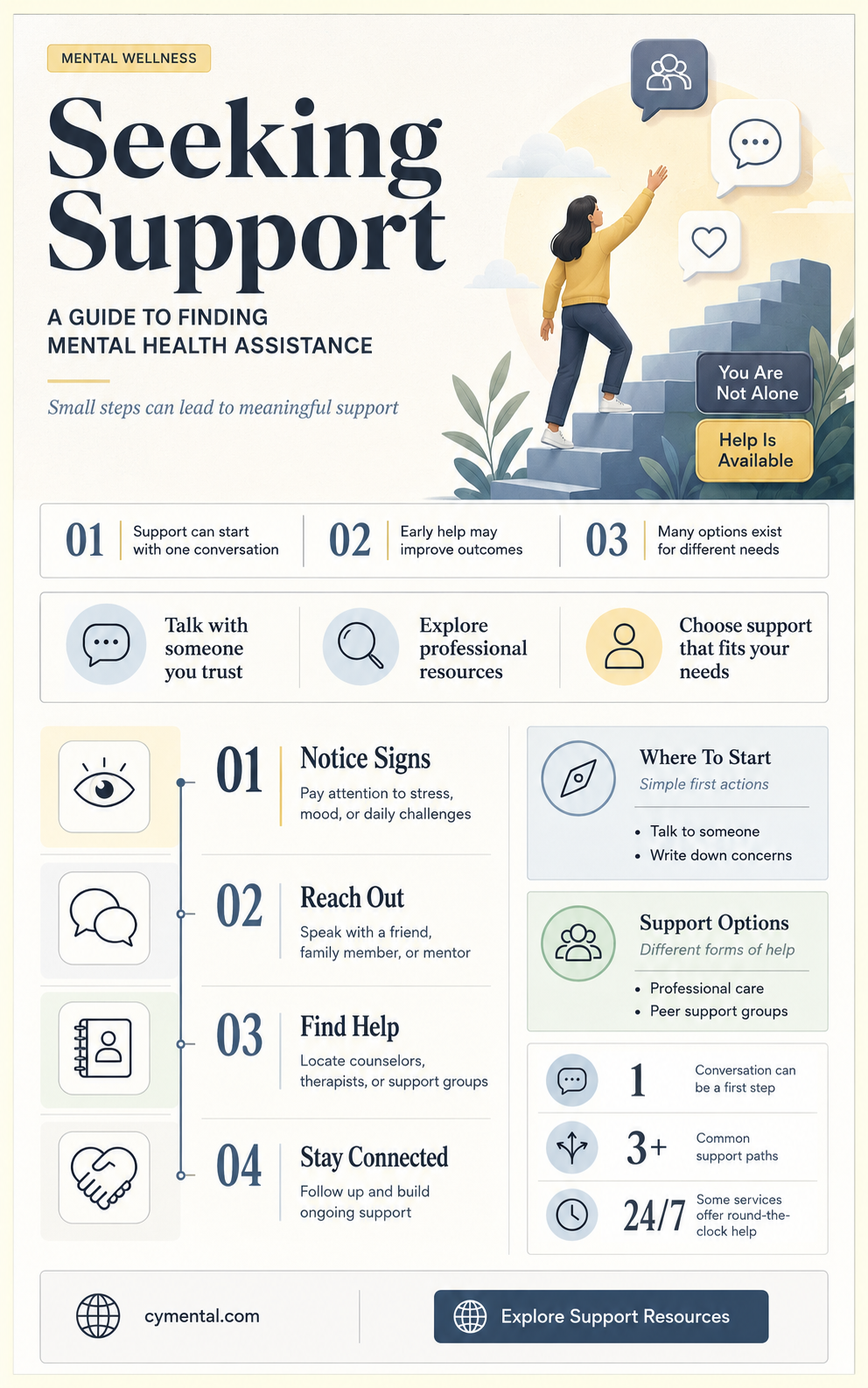
Seeking help for mental illness is a courageous and important step toward improving your well-being. If you or someone you know is struggling, there are numerous resources available to provide support and guidance. Start by consulting a healthcare professional, such as a primary care doctor or a mental health specialist, who can assess your needs and recommend appropriate treatment options. Therapy, medication, or a combination of both may be suggested, depending on the condition. Additionally, support groups, hotlines, and online resources can offer valuable information and a sense of community. Remember, reaching out for help is a sign of strength, and many organizations and professionals are dedicated to assisting individuals on their journey to recovery.
| Characteristics | Values |
|---|---|
| Professional Help | Therapists, Psychiatrists, Psychologists, Counselors |
| Therapy Types | Cognitive Behavioral Therapy (CBT), Dialectical Behavior Therapy (DBT), Psychodynamic Therapy, Group Therapy, Family Therapy |
| Medication | Antidepressants, Antipsychotics, Mood Stabilizers, Anxiolytics (prescribed by Psychiatrists) |
| Support Groups | Local or Online Peer Support Groups (e.g., NAMI, Depression and Bipolar Support Alliance) |
| Hotlines & Crisis Services | National Suicide Prevention Lifeline (988 in the U.S.), Crisis Text Line (741741 in the U.S.), Local Emergency Services (911) |
| Online Resources | Mental Health America (MHA), National Alliance on Mental Illness (NAMI), Anxiety and Depression Association of America (ADAA) |
| Self-Help Strategies | Mindfulness, Meditation, Exercise, Healthy Diet, Sleep Hygiene, Journaling |
| Workplace Support | Employee Assistance Programs (EAPs), Mental Health Days, Accommodations under ADA (U.S.) |
| Community Resources | Local Mental Health Clinics, Non-Profit Organizations, Faith-Based Support |
| Education & Awareness | Workshops, Webinars, Books, Podcasts on Mental Health |
| Insurance Coverage | Check for Mental Health Benefits in Health Insurance Plans (e.g., Medicaid, Medicare, Private Insurance) |
| Telehealth Services | Virtual Therapy Sessions, Online Psychiatry Consultations |
| Emergency Care | Hospital Emergency Departments, Psychiatric Emergency Services |
| Prevention Programs | School-Based Programs, Workplace Wellness Initiatives, Public Health Campaigns |
| Cultural Sensitivity | Culturally Competent Providers, Language-Specific Services |
| Legal Rights | Mental Health Parity Laws, Patient Rights, Discrimination Protections |
Explore related products


What You'll Learn
- Finding a Therapist: Locate qualified mental health professionals through directories, referrals, or online platforms
- Support Groups: Join peer-led or professional groups for shared experiences and emotional support
- Crisis Hotlines: Access 24/7 helplines for immediate assistance during mental health emergencies
- Medication Options: Consult psychiatrists for prescribed medications to manage symptoms effectively
- Self-Help Strategies: Practice mindfulness, exercise, journaling, and healthy habits to support mental well-being

Finding a Therapist: Locate qualified mental health professionals through directories, referrals, or online platforms
Finding a therapist can feel overwhelming, but structured approaches simplify the process. Start with professional directories, which act as curated databases of licensed mental health providers. Organizations like the American Psychological Association (APA) and the Association for Behavioral and Cognitive Therapies (ABCT) offer searchable directories that filter by location, specialization, and treatment modalities. For instance, if you’re seeking help for anxiety, these platforms allow you to identify therapists trained in cognitive-behavioral therapy (CBT), a proven method for managing anxiety disorders. Always verify credentials—ensure the therapist holds a valid license (e.g., Licensed Clinical Social Worker, LCSW, or Licensed Professional Counselor, LPC) to practice in your state.
Referrals provide a personalized touch, leveraging trusted networks to connect you with vetted professionals. Begin by consulting your primary care physician, who often has insights into local mental health resources. Alternatively, ask friends, family, or colleagues for recommendations, especially if they’ve had positive therapy experiences. For example, a referral from someone who overcame depression with a specific therapist can offer both reassurance and a starting point. However, remember that compatibility varies—what works for one person may not suit another. Use referrals as a springboard, not a definitive solution, and always conduct your own research to ensure the therapist aligns with your needs.
Online platforms have revolutionized access to mental health care, offering convenience and flexibility. Websites like Psychology Today, BetterHelp, and Talkspace allow you to browse therapist profiles, read reviews, and schedule sessions from home. These platforms often include video introductions, giving you a sense of the therapist’s demeanor before committing. For instance, BetterHelp matches users with licensed professionals based on a detailed intake questionnaire, while Talkspace offers unlimited messaging therapy for those who prefer text-based communication. Caution: ensure the platform verifies therapists’ licenses and adheres to privacy regulations, such as HIPAA compliance in the U.S.
When evaluating options, consider practical factors that influence long-term engagement. Location matters—if in-person sessions are preferred, prioritize therapists within a reasonable commute. Cost is another critical factor; inquire about insurance acceptance, sliding scale fees, or out-of-pocket rates. For example, some therapists charge $100–$200 per session, while others offer reduced rates for uninsured clients. Finally, assess therapeutic approach and specialization. If you’re dealing with trauma, seek a therapist trained in Eye Movement Desensitization and Reprocessing (EMDR) or trauma-focused CBT. Aligning these elements increases the likelihood of a successful therapeutic relationship.
In conclusion, locating a qualified therapist requires a blend of research, resourcefulness, and self-awareness. Directories provide structure, referrals offer personal insight, and online platforms expand accessibility. By combining these methods and prioritizing practical considerations, you can navigate the process with confidence. Remember, finding the right therapist is an investment in your mental health—take the time to choose someone who feels like a good fit, as this relationship forms the foundation of your healing journey.
Finding Inner Peace: How God's Presence Strengthens Mental Well-being
You may want to see also
Explore related products


Support Groups: Join peer-led or professional groups for shared experiences and emotional support
Support groups offer a unique blend of camaraderie and understanding that can be a lifeline for those navigating mental health challenges. Unlike individual therapy, these groups provide a collective space where experiences are shared, and the weight of emotional struggles is lightened by the realization that you are not alone. Whether led by peers or professionals, these gatherings foster a sense of community that can be profoundly healing. For instance, a study published in the *Journal of Clinical Psychology* found that participants in support groups reported significant reductions in symptoms of depression and anxiety, attributing their progress to the emotional validation and practical advice received from group members.
Joining a support group is simpler than many realize, though the first step can feel daunting. Start by identifying groups tailored to your specific needs—whether it’s anxiety, depression, grief, or another condition. Organizations like the National Alliance on Mental Illness (NAMI) offer both in-person and virtual options, ensuring accessibility regardless of location. Peer-led groups, often facilitated by individuals with lived experience, provide a raw, unfiltered perspective that can be particularly comforting. Professional-led groups, on the other hand, often incorporate structured activities or evidence-based techniques, such as cognitive-behavioral strategies, to complement emotional support. Both formats have their merits, and many find value in exploring both.
One practical tip for newcomers is to attend a few sessions before deciding if the group is the right fit. It’s normal to feel hesitant or vulnerable initially, but consistency often leads to deeper connections and greater benefits. For those concerned about privacy, many groups operate under strict confidentiality agreements, ensuring a safe space to share openly. Additionally, virtual groups can be an excellent option for individuals who prefer anonymity or have mobility limitations. Platforms like 7 Cups and Supportiv offer moderated online communities where you can engage in real-time conversations or asynchronous forums.
While support groups are not a replacement for professional treatment, they serve as a vital complement to therapy or medication. They provide a layer of social support that can enhance resilience and coping skills. For example, a peer-led group for individuals with bipolar disorder might share strategies for managing mood swings, while a professionally led group for PTSD could incorporate mindfulness exercises to reduce hypervigilance. The key is to find a group that aligns with your needs and preferences, allowing you to draw strength from shared experiences.
In conclusion, support groups are a powerful resource for anyone seeking help with mental illness. They bridge the gap between clinical treatment and everyday life, offering a space where emotional support and practical advice converge. By joining a group, you gain access to a network of individuals who understand your struggles intimately, fostering a sense of belonging that can be transformative. Whether you’re exploring peer-led or professional groups, the act of reaching out is a courageous step toward healing—one that can make all the difference.
Testosterone's Impact on Mental Clarity: Enhancing Focus and Cognitive Function
You may want to see also
Explore related products





Crisis Hotlines: Access 24/7 helplines for immediate assistance during mental health emergencies
In moments of acute mental distress, every second counts. Crisis hotlines offer a lifeline, providing immediate access to trained professionals who can de-escalate emergencies, offer coping strategies, and connect individuals to local resources. Unlike therapy or medication, which require time to arrange, these 24/7 services are instantly available via call, text, or chat—no appointment needed. For instance, the National Suicide & Crisis Lifeline (988 in the U.S.) connects callers to counselors within seconds, while the Crisis Text Line (text HOME to 741741) responds within minutes, ensuring anonymity for those hesitant to speak aloud.
Consider the mechanics of these services: They are designed to meet individuals where they are, emotionally and logistically. For someone experiencing suicidal ideation, panic attacks, or severe anxiety, the ability to speak with a calm, nonjudgmental voice can disrupt the cycle of crisis. Hotline workers are trained in active listening, crisis intervention techniques, and risk assessment, enabling them to tailor responses to the caller’s needs. For example, a teen struggling with self-harm might receive grounding exercises, while a veteran with PTSD could be guided through breathing techniques or referred to specialized VA resources.
However, crisis hotlines are not a substitute for long-term care. Their primary role is stabilization, not treatment. After de-escalation, counselors often provide referrals to therapists, psychiatrists, or support groups. Practical tip: Keep a list of local mental health providers or clinics nearby when calling, as some hotlines can directly transfer you to these services if needed. Additionally, for those in rural or underserved areas, many hotlines offer multilingual support and can assist with finding culturally competent care.
A common misconception is that hotlines are only for "extreme" cases. In reality, they are for anyone feeling overwhelmed, isolated, or unsafe. Whether you’re grappling with relationship stress, financial anxiety, or existential dread, reaching out is valid. For instance, the Trevor Project’s lifeline (1-866-488-7386) caters specifically to LGBTQ+ youth, addressing issues like identity struggles or familial rejection. Similarly, the Veterans Crisis Line (press 1 after dialing 988) connects veterans to peers who understand military-specific challenges.
In conclusion, crisis hotlines are a critical tool in the mental health toolkit, offering immediate, accessible, and compassionate support. While they cannot resolve underlying conditions, they provide a bridge to safety and a reminder that help is always within reach. Save relevant numbers in your phone, share them with loved ones, and remember: Asking for help is not a sign of weakness but a step toward healing.
Birth Control and Mental Health: Exploring Potential Benefits and Risks
You may want to see also
Explore related products


$15.71 $20

$12.14 $19.99


Medication Options: Consult psychiatrists for prescribed medications to manage symptoms effectively
Psychiatric medications are a cornerstone of treatment for many mental illnesses, offering symptom relief that can significantly improve quality of life. Unlike over-the-counter remedies, these medications require a prescription from a licensed psychiatrist, a medical doctor specializing in mental health. This ensures proper diagnosis, personalized treatment planning, and ongoing monitoring for safety and effectiveness.
While therapy addresses underlying causes and coping mechanisms, medication directly targets brain chemistry imbalances often associated with mental illness. For example, antidepressants like selective serotonin reuptake inhibitors (SSRIs) increase serotonin levels, alleviating symptoms of depression and anxiety. Antipsychotics help manage symptoms of schizophrenia and bipolar disorder by regulating dopamine. Mood stabilizers, such as lithium, prevent extreme mood swings in bipolar disorder.
Consulting a psychiatrist involves a comprehensive evaluation, including medical history, symptom severity, and potential drug interactions. They will discuss medication options, explaining benefits, potential side effects, and dosage adjustments. Dosage varies widely depending on the medication, individual factors, and treatment goals. For instance, SSRIs typically start at a low dose (e.g., 10-20 mg for fluoxetine) and may be gradually increased over several weeks. It's crucial to follow the prescribed dosage and schedule meticulously, as abrupt changes can lead to withdrawal symptoms or reduced effectiveness.
Regular follow-up appointments are essential for monitoring progress, adjusting dosages, and addressing any concerns. Be open and honest with your psychiatrist about your experiences, including side effects, to ensure the best possible treatment outcome. Remember, finding the right medication and dosage often involves trial and error, requiring patience and collaboration with your doctor.
Combining medication with therapy often yields the most successful outcomes. While medication manages symptoms, therapy equips individuals with coping strategies and tools for long-term mental well-being. It's important to view medication as a tool, not a cure-all, and to actively participate in your treatment plan for optimal results.
Mindfulness and Mental Health: Unlocking Inner Peace and Resilience
You may want to see also
Explore related products


Self-Help Strategies: Practice mindfulness, exercise, journaling, and healthy habits to support mental well-being
Mindfulness isn’t just a buzzword—it’s a scientifically backed tool for managing mental illness. Studies show that practicing mindfulness meditation for as little as 10 minutes daily can reduce symptoms of anxiety and depression by rewiring neural pathways associated with stress. Start small: sit in a quiet space, focus on your breath, and observe thoughts without judgment. Apps like Headspace or Calm offer guided sessions tailored to beginners, making it accessible even for those skeptical of its benefits. The key is consistency; think of it as mental hygiene, not a cure-all but a daily habit that builds resilience over time.
Exercise isn’t just for physical health—it’s a potent antidepressant. Research indicates that 30 minutes of moderate aerobic activity, such as brisk walking or cycling, three to five times a week, can significantly improve mood by releasing endorphins and reducing cortisol levels. For those with severe depression or anxiety, even a 10-minute walk can provide immediate relief. The type of exercise matters less than the act itself; choose something enjoyable to increase adherence. Group activities like yoga or team sports add a social element, addressing loneliness, a common exacerbator of mental illness.
Journaling transforms abstract emotions into tangible words, offering clarity and control. Dedicate 15–20 minutes daily to write freely about thoughts, feelings, or experiences. Structured prompts, like listing three things you’re grateful for or describing a recent challenge, can guide those unsure where to start. Studies suggest expressive writing reduces symptoms of PTSD and improves emotional regulation. Keep your journal private to encourage honesty—this isn’t about crafting perfect prose but about processing emotions. Over time, patterns may emerge, providing insights into triggers and coping mechanisms.
Healthy habits form the foundation of mental well-being, yet they’re often overlooked in favor of quick fixes. Prioritize sleep by maintaining a consistent bedtime and limiting screen time an hour before sleep; adults need 7–9 hours nightly for optimal brain function. Nutrition plays a role too—incorporate omega-3-rich foods like salmon or walnuts, which have been linked to reduced depression symptoms. Limit caffeine and alcohol, as they disrupt sleep and exacerbate anxiety. Small, sustainable changes, like swapping sugary snacks for fruit or taking a short evening walk, accumulate into significant mental health benefits. These habits aren’t revolutionary, but their cumulative impact is undeniable.
Mental Health Medication: Effective for Co-Occurring Disorders?
You may want to see also
Frequently asked questions
Start by contacting your primary care physician for a referral, or use online resources like Psychology Today, the American Psychological Association, or your insurance provider’s directory to find licensed therapists, psychologists, or psychiatrists in your area.
Many community health centers, non-profit organizations, and universities offer low-cost or sliding-scale therapy options. Additionally, telehealth platforms and apps like BetterHelp or Talkspace may provide more affordable alternatives.
Yes, there are many resources available, such as the National Alliance on Mental Illness (NAMI) for support groups, or hotlines like the National Suicide Prevention Lifeline (988) and Crisis Text Line (text HOME to 741741) for immediate assistance.