Madison Cole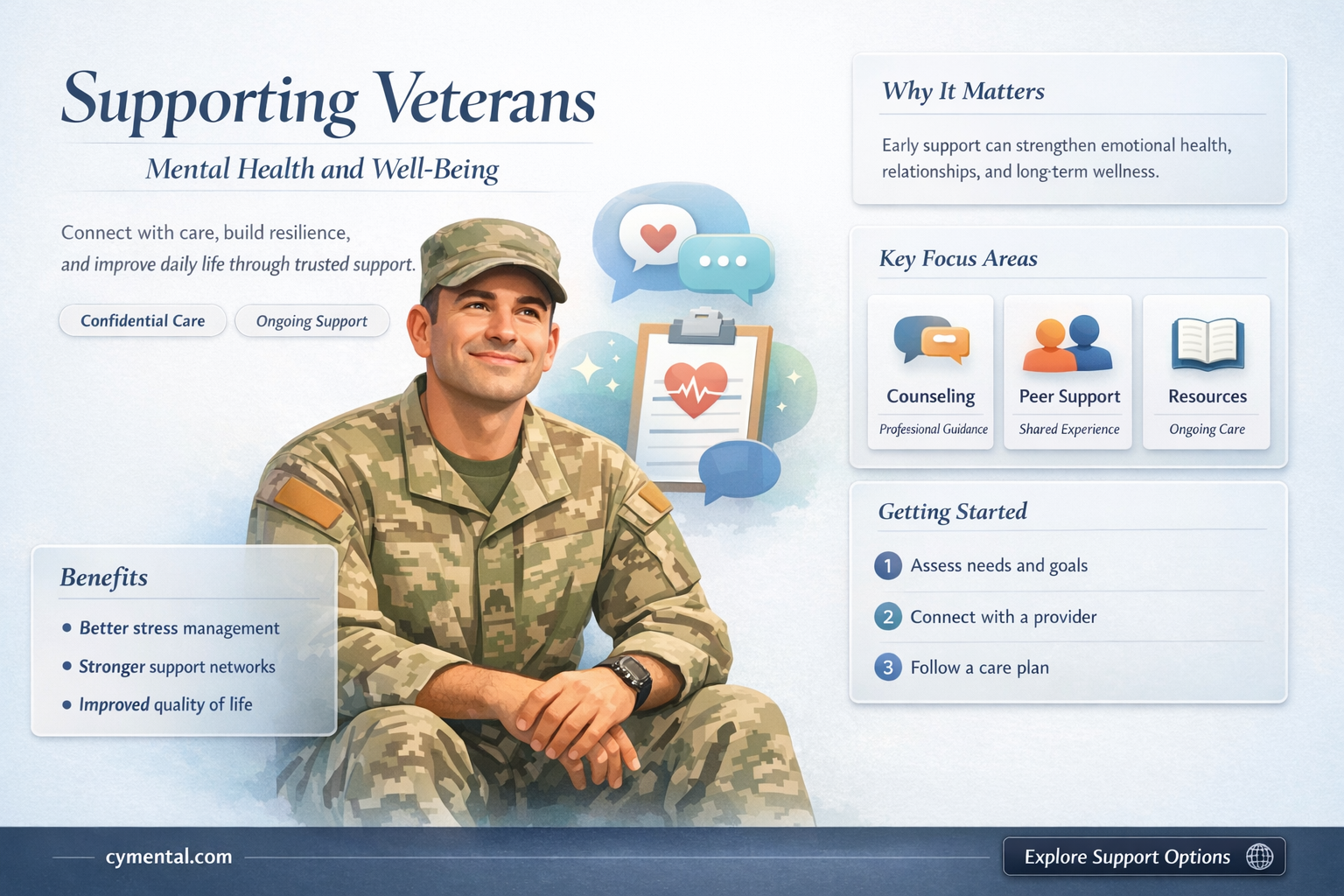
Helping veterans access mental health services is a critical and compassionate endeavor, as many face unique challenges such as PTSD, depression, anxiety, and reintegration difficulties after serving their country. To effectively support them, it’s essential to raise awareness about available resources, reduce stigma surrounding mental health, and streamline access to care. This can be achieved by connecting veterans with specialized organizations like the VA (Veterans Affairs), local veteran service groups, or nonprofits that offer counseling, therapy, and peer support programs. Additionally, advocating for policies that prioritize mental health funding and training professionals to better understand veterans’ experiences can make a significant difference. By fostering a supportive community and ensuring veterans know they are not alone, we can empower them to seek and receive the care they deserve.
| Characteristics | Values |
|---|---|
| Raise Awareness | Educate yourself and others about veteran mental health issues, stigma, and available resources. Share information through social media, community events, or personal conversations. |
| Volunteer | Offer your time and skills to organizations supporting veterans, such as crisis hotlines, VA hospitals, or local veteran service organizations. |
| Donate | Contribute financially to reputable organizations providing mental health services to veterans, ensuring funds directly support programs and resources. |
| Advocate | Contact local representatives, participate in advocacy campaigns, and support policies that improve veteran mental health care access and funding. |
| Connect Veterans | Help veterans find peer support groups, community organizations, or online forums where they can connect with others who understand their experiences. |
| Promote VA Resources | Familiarize yourself with VA mental health services (e.g., Veterans Crisis Line, Vet Centers, telehealth) and encourage veterans to utilize them. |
| Reduce Stigma | Challenge stereotypes and misconceptions about mental health, fostering an environment where veterans feel safe seeking help without fear of judgment. |
| Provide Practical Support | Assist veterans with transportation to appointments, childcare, or navigating VA systems to reduce barriers to accessing care. |
| Encourage Self-Care | Promote healthy habits like exercise, mindfulness, and social connections, which can complement professional mental health treatment. |
| Stay Informed | Keep up-to-date on the latest research, resources, and initiatives related to veteran mental health to provide accurate and helpful information. |
Explore related products


What You'll Learn

Connect veterans with VA mental health resources
Veterans Affairs (VA) offers a robust network of mental health resources, but many veterans struggle to navigate this complex system. Understanding the VA’s structure is the first step in connecting veterans to the care they need. The VA provides services ranging from individual therapy and group counseling to crisis intervention and specialized programs for PTSD, depression, and substance use disorders. However, veterans often face barriers such as long wait times, lack of awareness about available services, or stigma surrounding mental health. By familiarizing yourself with the VA’s offerings, you can act as a knowledgeable guide, helping veterans identify the right resources for their unique needs.
One practical way to connect veterans with VA mental health resources is by assisting them in enrolling in VA healthcare. Many veterans are unaware they qualify for benefits or find the enrollment process daunting. Start by directing them to the VA’s website or local VA medical center, where they can complete the application process. Encourage them to gather necessary documents, such as discharge papers (DD214), and emphasize that enrollment is free. For veterans aged 65 and older, remind them that VA benefits can complement Medicare, providing additional coverage for mental health services. Once enrolled, veterans gain access to a wide array of mental health programs tailored to their service-related experiences.
Another effective strategy is leveraging the VA’s telehealth services, which have expanded significantly in recent years. Telehealth eliminates geographical barriers, allowing veterans in rural or underserved areas to access mental health care from the comfort of their homes. Encourage veterans to explore options like video counseling, mobile apps (e.g., VA’s PTSD Coach), and online therapy sessions. For veterans hesitant to seek in-person care, telehealth can be a less intimidating entry point. Share success stories or testimonials from veterans who have benefited from these services to build trust and reduce stigma.
Crisis situations require immediate action, and the VA offers several emergency resources. Familiarize yourself with the Veterans Crisis Line (988, then press 1), a 24/7 service providing confidential support for veterans in distress. Additionally, the VA’s Same-Day Access program ensures veterans can receive urgent mental health care at their local VA facility. If you’re assisting a veteran in crisis, remain calm, listen actively, and help them contact these resources. Follow up afterward to ensure they’ve connected with ongoing care, as crisis intervention is often just the first step in a longer treatment journey.
Finally, consider the role of community-based organizations in bridging gaps in VA mental health care. Many veterans feel more comfortable seeking help through local nonprofits or veteran service organizations (VSOs) that partner with the VA. Programs like Vet Centers offer free counseling in a non-medical setting, often staffed by veterans who understand the unique challenges their peers face. By connecting veterans to these community resources, you can complement VA services and create a more holistic support network. Remember, the goal is not just to refer veterans to the VA but to ensure they feel supported and empowered throughout their mental health journey.
Omega-3 Oil: A Potential Ally for Mental Health Disorders?
You may want to see also
Explore related products


Promote community-based support programs for veterans
Veterans often face unique mental health challenges, and community-based support programs can serve as a vital bridge between their needs and available resources. These programs, rooted in local networks, foster a sense of belonging and provide accessible, tailored assistance. Unlike clinical settings, community initiatives offer peer-to-peer support, group activities, and culturally relevant interventions that resonate with veterans’ experiences. By leveraging existing community structures, such programs can reduce stigma, increase engagement, and provide ongoing support that complements professional mental health services.
One effective strategy is to partner with local organizations, such as veteran service organizations (VSOs), faith-based groups, or recreational clubs, to create safe spaces for veterans. For instance, a weekly peer-led discussion group at a community center can provide a platform for veterans to share their struggles and successes in a non-judgmental environment. Programs like Team Red, White & Blue (Team RWB) exemplify this approach by organizing fitness and social activities that promote mental wellness through camaraderie and physical engagement. To implement this, identify local VSOs or community centers, propose collaborative initiatives, and secure funding through grants or donations to sustain the program.
Another key aspect is integrating mental health education into community-based programs. Workshops on stress management, mindfulness, or PTSD awareness can empower veterans with tools to navigate their mental health proactively. For example, a six-week mindfulness course tailored for veterans, taught by a trained facilitator, can be offered at a local library or VFW post. Pairing these educational components with ongoing support groups ensures that veterans not only learn coping strategies but also have a network to rely on. Practical tips include using evidence-based curricula like the Veterans Yoga Project or collaborating with mental health professionals to provide training for program leaders.
Caution must be taken to ensure these programs are inclusive and adaptable. Veterans span diverse age groups, cultural backgrounds, and service eras, each with unique needs. For instance, younger veterans may benefit from tech-driven platforms like mobile apps or online forums, while older veterans might prefer in-person gatherings. Additionally, programs should be sensitive to gender differences, as female veterans often face distinct challenges. Regular feedback from participants can help refine these initiatives, ensuring they remain relevant and effective.
In conclusion, promoting community-based support programs for veterans is a powerful way to enhance their access to mental health services. By fostering partnerships, integrating education, and prioritizing inclusivity, these programs can create a supportive ecosystem that addresses veterans’ needs holistically. The key lies in leveraging local resources and building initiatives that resonate with veterans’ lived experiences, ultimately empowering them to thrive in their post-service lives.
Supporting Vulnerable Communities: Mental Health and Addiction Aid for the Homeless
You may want to see also
Explore related products


Educate veterans on available telehealth options
Telehealth has emerged as a vital tool in bridging the gap between veterans and mental health services, offering flexibility and accessibility that traditional in-person care often cannot. However, many veterans remain unaware of the full range of telehealth options available to them. Educating veterans on these resources is crucial to ensuring they receive the timely and effective support they need. Start by identifying trusted platforms and programs, such as the VA’s TeleMental Health services, which provide therapy, counseling, and psychiatric care remotely. Share this information through veteran-focused organizations, community centers, and digital channels to maximize reach.
One practical approach is to create step-by-step guides or tutorials that walk veterans through the process of accessing telehealth services. For instance, explain how to schedule a virtual appointment via the VA’s My HealtheVet portal or how to use video conferencing tools like VA Video Connect. Include troubleshooting tips for common issues, such as poor internet connectivity or device compatibility. Tailoring these guides to different age groups—for example, simplifying instructions for older veterans or incorporating mobile-friendly formats for younger ones—can enhance usability and engagement.
A comparative analysis of telehealth platforms can also empower veterans to choose the option best suited to their needs. Highlight the differences between VA-specific services and third-party providers, such as coverage, cost, and specialization. For instance, while VA TeleMental Health is free for eligible veterans, private platforms like BetterHelp or Talkspace may offer more immediate availability but require out-of-pocket expenses. Emphasize the importance of verifying insurance coverage and understanding privacy policies to build trust and confidence in these services.
Persuasive messaging is key to overcoming skepticism or reluctance among veterans who may prefer face-to-face interactions. Share success stories or testimonials from fellow veterans who have benefited from telehealth, focusing on improved convenience, reduced stigma, and positive outcomes. Stress the evidence-based effectiveness of telehealth in treating conditions like PTSD, depression, and anxiety, citing studies that demonstrate comparable results to in-person care. Framing telehealth as a modern, efficient solution rather than a last resort can shift perceptions and encourage adoption.
Finally, consider the role of community partnerships in amplifying these educational efforts. Collaborate with local veteran service organizations, churches, or libraries to host workshops or informational sessions on telehealth options. Provide printed materials or digital resources for those with limited internet access, ensuring inclusivity. By combining education with hands-on support, you can demystify telehealth and make it a more accessible and appealing option for veterans seeking mental health care.
Empowering Change: Simple Actions to Make a Positive Impact Today
You may want to see also
Explore related products


Reduce stigma around seeking mental health care
Stigma silences veterans struggling with mental health, preventing them from seeking the care they deserve. This invisible barrier, woven from fear of judgment, shame, and misconceptions about weakness, isolates veterans and perpetuates suffering.
Consider this: a veteran battling PTSD might avoid therapy because they fear being labeled "broken" or "unfit" by their peers. This internalized stigma, fueled by societal stereotypes of the "strong, silent soldier," can be as debilitating as the mental health issue itself.
To dismantle this stigma, we must shift the narrative. Frame seeking help as a sign of strength, not weakness. Highlight stories of veterans who've thrived after accessing mental health services, showcasing the courage it takes to confront personal challenges.
Imagine community events featuring veteran speakers who openly discuss their mental health journeys. These powerful testimonials humanize the struggle and normalize seeking support.
Language matters. Avoid terms like "crazy" or "damaged" when discussing mental health. Instead, use neutral, factual language that emphasizes recovery and resilience. Encourage open conversations about mental well-being, creating safe spaces where veterans feel comfortable sharing their experiences without fear of ridicule.
Finally, educate yourself and others about the realities of mental health challenges faced by veterans. Dispelling myths and providing accurate information combats ignorance and fosters empathy. Remember, reducing stigma is a collective effort. By changing the narrative, using mindful language, and promoting understanding, we can create an environment where veterans feel empowered to seek the mental health care they need and deserve.
Hydration's Mental Boost: Unlocking Cognitive Benefits for a Sharper Mind
You may want to see also
Explore related products


Assist veterans in navigating insurance and benefits
Veterans often face a labyrinth of insurance policies and benefits when seeking mental health care, a challenge that can deter them from accessing essential services. Understanding the intricacies of their coverage—whether through the VA, private insurance, or government programs—is crucial. For instance, the VA offers comprehensive mental health services, but eligibility criteria and copay requirements can vary based on factors like service-connected disabilities or income levels. Private insurance plans, on the other hand, may cover therapy or medication but often require pre-authorization or limit provider networks. A veteran’s first step should be to request a detailed summary of their benefits from their insurance provider or VA representative, ensuring they know exactly what is covered and what out-of-pocket costs to expect.
Navigating these systems can be overwhelming, especially for veterans already struggling with mental health issues. One practical approach is to designate a trusted advocate—a family member, friend, or caseworker—to assist with paperwork and communication. Organizations like the Veterans Benefits Administration (VBA) and local Veterans Service Organizations (VSOs) also offer free assistance, providing expertise in deciphering benefit packages and filing claims. For example, the VBA’s eBenefits portal allows veterans to track claims and access resources online, while VSOs like the American Legion often host workshops on maximizing benefits. Pairing these resources with a personal advocate can significantly reduce the stress of the process.
A common pitfall for veterans is underutilizing benefits due to misinformation or confusion. For instance, many are unaware that the VA’s Community Care Program allows them to receive mental health services from non-VA providers if certain conditions are met, such as long wait times or distance from a VA facility. Similarly, private insurance plans may offer telehealth options for therapy, which can be particularly beneficial for veterans in rural areas. Encouraging veterans to ask specific questions—such as “Does my plan cover evidence-based therapies like CBT?” or “Are there copays for telehealth visits?”—can empower them to make informed decisions.
Finally, proactive planning can prevent delays in care. Veterans should keep a centralized file of their insurance documents, medical records, and correspondence with providers or insurers. This not only streamlines the process but also ensures continuity of care if they switch providers or plans. Additionally, setting up automatic bill payments and enrolling in patient portals can help manage costs and appointments efficiently. By treating insurance and benefits navigation as an ongoing task rather than a one-time hurdle, veterans can focus more on their mental health and less on administrative burdens.
CoQ10 and Mental Clarity: Can It Reduce Confusion?
You may want to see also
Frequently asked questions
You can help veterans locate mental health services by directing them to resources like the U.S. Department of Veterans Affairs (VA) website, local VA medical centers, or community-based organizations that specialize in veteran care. Additionally, the VA’s Veterans Crisis Line (1-800-273-8255, press 1) offers immediate support and can connect veterans to local resources.
Encourage open conversations about mental health, emphasizing that seeking help is a sign of strength. Share stories of other veterans who have benefited from mental health services and offer to accompany them to their first appointment. Provide information about confidential and veteran-specific programs to ease their concerns.
Yes, the VA offers free or low-cost mental health services to eligible veterans, including therapy, counseling, and medication management. Nonprofit organizations like the Wounded Warrior Project and Give an Hour also provide free or subsidized mental health support. Encourage veterans to explore these options.
In a crisis, call the Veterans Crisis Line (1-800-273-8255, press 1) immediately. Stay with the veteran, listen without judgment, and avoid arguing or minimizing their feelings. If there is an immediate danger, call 911. Afterward, help them connect with ongoing mental health care and support networks.