Lucas Bennett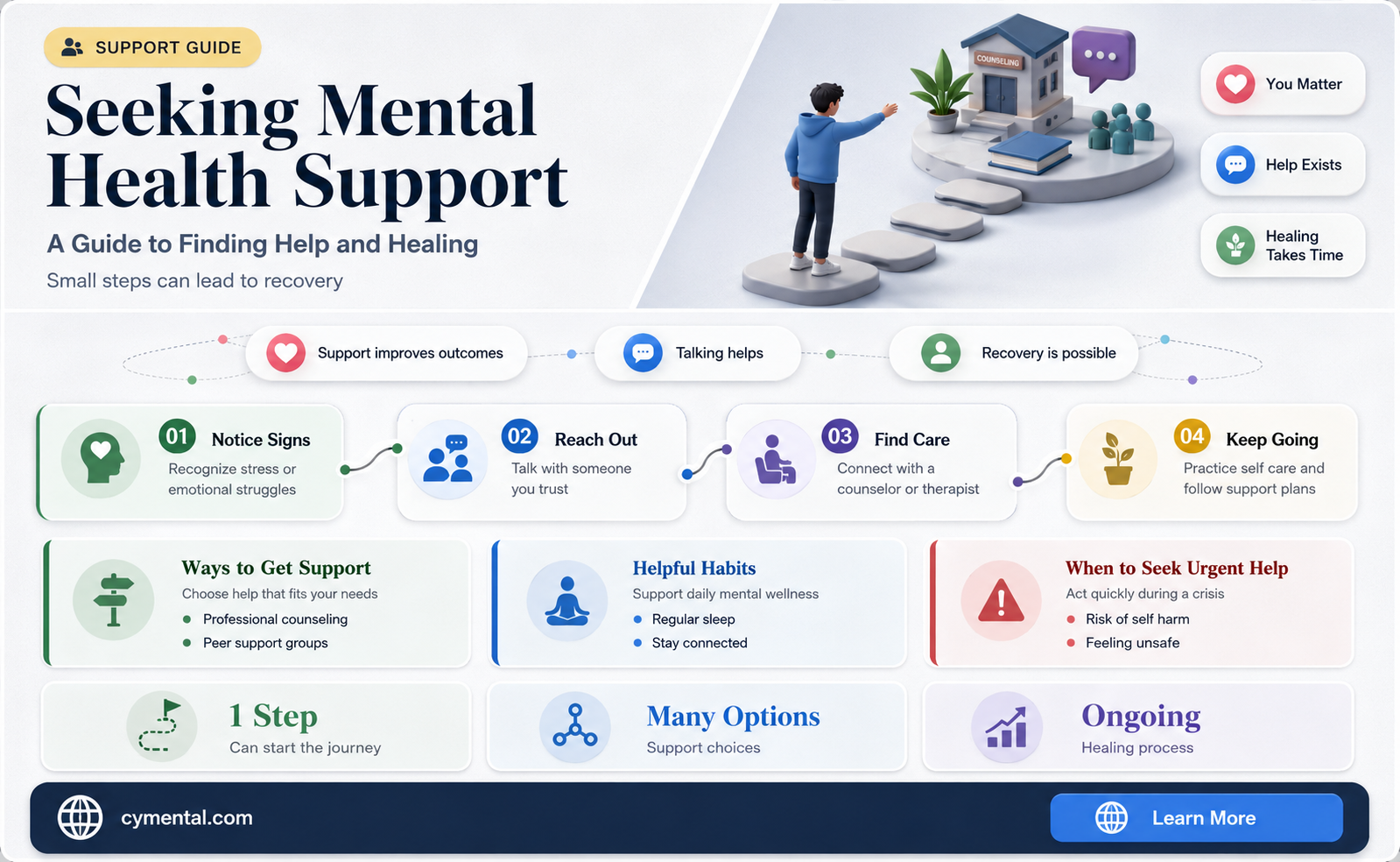
Seeking mental health support is a courageous and essential step toward well-being, and there are numerous avenues available to access the help you need. Whether you’re experiencing stress, anxiety, depression, or other challenges, reaching out to a mental health professional, such as a therapist, counselor, or psychologist, can provide personalized guidance and evidence-based strategies. Many individuals also find support through helplines, online therapy platforms, or community resources, which offer immediate assistance and flexibility. Additionally, talking to a trusted friend, family member, or support group can provide emotional relief and encouragement. Remember, prioritizing your mental health is a sign of strength, and taking the first step to seek help is a powerful act of self-care.
| Characteristics | Values |
|---|---|
| Recognize the Need for Help | Acknowledge symptoms like persistent sadness, anxiety, or changes in behavior. |
| Research Local Resources | Use online tools, helplines, or directories to find mental health providers. |
| Contact Healthcare Providers | Reach out to primary care physicians, therapists, or psychiatrists. |
| Utilize Hotlines and Crisis Services | Call crisis hotlines (e.g., 988 in the U.S.) for immediate support. |
| Explore Online Therapy Platforms | Platforms like BetterHelp, Talkspace, or Calm offer virtual counseling. |
| Check Insurance Coverage | Verify mental health benefits with your insurance provider. |
| Seek Community Support | Join support groups, local organizations, or peer-led initiatives. |
| Educate Yourself | Learn about mental health conditions and treatment options. |
| Prioritize Self-Care | Practice mindfulness, exercise, and maintain a healthy lifestyle. |
| Be Patient and Persistent | Finding the right help may take time; don’t give up. |
Explore related products


What You'll Learn
- Finding a Therapist: Research, ask for referrals, check credentials, and consider specialization for your needs
- Online Therapy Options: Explore platforms, compare costs, ensure privacy, and verify therapist qualifications
- Support Groups: Join local or online groups for shared experiences and emotional support
- Self-Help Strategies: Practice mindfulness, exercise, journaling, and healthy routines to manage mental health
- Emergency Resources: Know crisis hotlines, local mental health centers, and urgent care options

Finding a Therapist: Research, ask for referrals, check credentials, and consider specialization for your needs
Seeking mental health support is a crucial step toward well-being, and finding the right therapist is a cornerstone of that process. Start by researching your options. Online directories like Psychology Today, GoodTherapy, or the American Psychological Association’s therapist locator allow you to filter by location, specialization, and insurance acceptance. Read therapist profiles carefully—many include their approach, experience, and areas of focus. For instance, cognitive-behavioral therapy (CBT) is effective for anxiety and depression, while dialectical behavior therapy (DBT) is often used for emotional regulation. Pay attention to their communication style in their bio; it can hint at how they’ll interact with you.
While online research is helpful, referrals can provide a layer of trust and personalization. Ask your primary care physician, friends, or family members for recommendations. Support groups or community organizations may also have suggestions. For example, if you’re dealing with grief, a local bereavement group might connect you with a therapist experienced in loss. Be specific about your needs when asking for referrals—whether it’s trauma, relationship issues, or stress management—to increase the likelihood of a good match.
Once you’ve identified potential therapists, check their credentials to ensure they’re qualified and licensed. Verify their license through your state’s psychology or counseling board. Look for degrees (e.g., PhD, PsyD, LCSW, LMFT) and certifications in specific therapies. For instance, a therapist with a certification in EMDR (Eye Movement Desensitization and Reprocessing) is trained to treat trauma. Be cautious of red flags, such as unverifiable credentials or disciplinary actions. Reputable therapists will also be transparent about their fees, insurance policies, and cancellation procedures.
Finally, consider specialization to align with your unique needs. Therapists often focus on specific populations (e.g., adolescents, LGBTQ+ individuals) or issues (e.g., addiction, eating disorders). For example, a therapist specializing in perinatal mental health can provide targeted support for new parents. If you’re unsure what specialization you need, start with a generalist and refine your search as you gain clarity. Some therapists offer free consultations, which can help you gauge their expertise and whether their approach resonates with you.
In summary, finding a therapist requires a blend of research, referrals, credential verification, and specialization consideration. Take your time—this is an investment in your mental health. Remember, the first therapist you meet may not be the right fit, and that’s okay. Trust your instincts, and don’t hesitate to try someone else if the connection isn’t there. With patience and persistence, you’ll find a therapist who supports your journey toward healing and growth.
Exploring Cannabis: Mental Health Benefits, Risks, and Scientific Insights
You may want to see also
Explore related products




Online Therapy Options: Explore platforms, compare costs, ensure privacy, and verify therapist qualifications
Online therapy has emerged as a convenient and accessible way to seek mental health support, but navigating the options requires careful consideration. Start by exploring platforms like BetterHelp, Talkspace, and Calmerry, each offering unique features such as messaging, video sessions, or specialized therapy types. For instance, BetterHelp provides 24/7 access to therapists via text, while Talkspace offers couples therapy and psychiatry services. Understanding these differences ensures you choose a platform aligned with your needs.
Cost is a critical factor, as prices vary widely. Monthly subscriptions range from $60 to $300, depending on the platform and level of access. Some platforms, like Cerebral, include medication management for an additional fee, while others, like 7 Cups, offer lower-cost peer support options. Insurance coverage is another consideration—platforms like Amwell often accept insurance, reducing out-of-pocket expenses. Always compare pricing structures and check for hidden fees to avoid surprises.
Privacy is non-negotiable when discussing sensitive mental health issues. Reputable platforms comply with HIPAA regulations, ensuring your data is encrypted and protected. However, read the privacy policies carefully. For example, some platforms may store session recordings for quality assurance, while others delete them immediately. If you’re particularly concerned, opt for platforms that allow anonymous use or prioritize end-to-end encryption, like ReGain for couples therapy.
Finally, verifying therapist qualifications is essential for effective and safe treatment. Licensed therapists on platforms like Pride Counseling or Teen Counseling hold credentials such as LCSW, LMFT, or PsyD. Before committing, check the therapist’s profile for their license number and verify it through your state’s licensing board. Avoid platforms that don’t provide transparent information about their therapists’ credentials. A qualified therapist ensures you receive evidence-based care tailored to your needs.
In summary, choosing an online therapy platform involves researching platforms, comparing costs, ensuring privacy, and verifying therapist qualifications. By taking these steps, you can find a service that fits your budget, protects your privacy, and provides professional support for your mental health journey.
Unlocking Hope: Effective Mental Health Care in Prisons Explored
You may want to see also
Explore related products


$12.23 $14.39


Support Groups: Join local or online groups for shared experiences and emotional support
Human connection is a powerful antidote to the isolation that often accompanies mental health struggles. Support groups leverage this by bringing together individuals facing similar challenges, creating a safe space for sharing experiences, emotions, and coping strategies. Unlike individual therapy, which focuses on personal insights, support groups foster a sense of community and collective understanding.
Consider this scenario: A young adult battling anxiety finds solace in an online forum where members openly discuss their triggers and triumphs. Reading others' stories normalizes their own struggles, reducing feelings of shame. Over time, they begin contributing, offering advice based on their journey. This reciprocal exchange not only aids their recovery but also empowers them to help others. Such groups often operate 24/7, providing immediate access to support during moments of crisis.
Joining a support group requires minimal commitment but yields significant benefits. Start by identifying groups tailored to your specific needs—whether it’s depression, grief, addiction, or chronic illness. Local groups often meet weekly in community centers or churches, while online platforms like 7 Cups or Reddit offer anonymity and flexibility. When attending, set realistic expectations: progress is gradual, and not every group will resonate. Be open to trying multiple options until you find the right fit.
Caution: While support groups are invaluable, they are not a substitute for professional treatment. If symptoms persist or worsen, consult a mental health provider. Additionally, online groups may lack moderation, exposing participants to unhelpful or triggering content. Prioritize platforms with clear guidelines and active moderators.
In conclusion, support groups serve as a vital complement to mental health care, offering empathy, practical advice, and a sense of belonging. By sharing your story and listening to others, you contribute to a network of healing that transcends individual struggles. Take the first step—search for a group today and discover the strength found in shared experiences.
The Power of Connection: How Group Support Boosts Mental Health
You may want to see also
Explore related products




Self-Help Strategies: Practice mindfulness, exercise, journaling, and healthy routines to manage mental health
Mental health struggles often feel overwhelming, but self-help strategies can be powerful tools for managing symptoms and fostering resilience. While professional support is crucial for many, incorporating mindfulness, exercise, journaling, and healthy routines into your daily life can significantly improve your well-being. These practices, when done consistently, act as a foundation for emotional regulation, stress reduction, and overall mental clarity.
Think of them as preventative maintenance for your mind, strengthening your ability to cope with life's challenges.
Mindfulness: Anchoring Yourself in the Present
Mindfulness isn't about emptying your mind, but rather observing your thoughts and feelings without judgment. Start small: dedicate 5-10 minutes daily to focused breathing. Sit comfortably, close your eyes, and pay attention to the sensation of air entering and leaving your body. When your mind wanders (which it will!), gently bring your focus back to your breath. Apps like Headspace or Calm offer guided meditations for beginners. Incorporate mindfulness into everyday activities like eating – savor each bite, noticing textures and flavors – or walking, feeling the ground beneath your feet.
Studies show that regular mindfulness practice can reduce anxiety, depression, and stress, while improving focus and emotional regulation.
Exercise: Moving Your Body, Uplifting Your Mind
Physical activity is a natural mood booster. Aim for at least 30 minutes of moderate-intensity exercise most days of the week. This could be brisk walking, cycling, swimming, or even dancing. Find an activity you enjoy to increase adherence. Exercise releases endorphins, neurotransmitters that have pain-relieving and mood-enhancing effects. It also reduces stress hormones like cortisol and improves sleep quality, all of which are crucial for mental well-being. Remember, consistency is key – even short bursts of activity throughout the day can make a difference.
Journaling: Unraveling Thoughts, Unlocking Insights
Putting pen to paper allows you to externalize your thoughts and emotions, providing clarity and perspective. Dedicate a notebook solely for journaling. Write freely, without worrying about grammar or structure. Explore your feelings, track your progress, and identify patterns in your thoughts and behaviors. Prompt yourself with questions like "What am I grateful for today?" or "What triggered my anxiety?" Journaling can help you process difficult emotions, challenge negative thought patterns, and cultivate self-awareness.
Healthy Routines: Building a Foundation for Well-being
Structure and predictability provide a sense of control and security, essential for managing mental health. Establish consistent sleep and wake times, aiming for 7-9 hours of quality sleep each night. Prioritize nutritious meals, limiting processed foods and sugary drinks. Create a relaxing bedtime routine to signal to your body that it's time to wind down. Incorporate activities that bring you joy and a sense of accomplishment into your daily schedule, whether it's reading, painting, or spending time in nature. These routines act as anchors, grounding you during turbulent times.
Remember, self-help strategies are not a replacement for professional treatment, but rather complementary tools. If you're struggling with persistent mental health issues, seeking professional help is crucial. However, by incorporating mindfulness, exercise, journaling, and healthy routines into your life, you can actively participate in your own healing and cultivate a stronger, more resilient mind.
Can Faith and Divine Intervention Aid Mental Health Struggles?
You may want to see also
Explore related products


Emergency Resources: Know crisis hotlines, local mental health centers, and urgent care options
In moments of acute mental distress, knowing where to turn can be a lifeline. Crisis hotlines, such as the National Suicide Prevention Lifeline (988 in the U.S.), offer immediate, confidential support from trained professionals. These services are available 24/7 and can provide emotional relief, coping strategies, and guidance on next steps. For those outside the U.S., international hotlines like Befrienders Worldwide connect individuals to local resources. Having these numbers saved in your phone or written down ensures quick access when every second counts.
While hotlines are invaluable for immediate support, local mental health centers provide longer-term solutions. These facilities often offer therapy, medication management, and group programs tailored to specific needs, such as anxiety, depression, or trauma. To locate one, start by searching online directories like the Substance Abuse and Mental Health Services Administration (SAMHSA) Treatment Locator. Many centers operate on a sliding fee scale, making care accessible regardless of income. Calling ahead to inquire about services, wait times, and insurance acceptance can streamline the process.
Urgent care options bridge the gap between crisis hotlines and long-term treatment. Psychiatric urgent care clinics, available in some cities, specialize in stabilizing acute mental health episodes without an emergency room visit. Alternatively, hospital emergency departments can provide immediate intervention for severe cases, such as suicidal ideation or psychosis. However, these settings can be overwhelming and should be reserved for life-threatening situations. Always communicate your mental health concerns clearly upon arrival to ensure appropriate care.
Proactive preparation is key to navigating emergency resources effectively. Create a mental health crisis plan that includes hotline numbers, local center contacts, and a trusted emergency contact. Share this plan with loved ones and keep a physical copy in your wallet or home. Additionally, familiarize yourself with telehealth platforms that offer urgent mental health consultations, which can be particularly useful in rural or underserved areas. By knowing your options, you empower yourself to act swiftly and decisively when crisis strikes.
Empowering Teens: Compassionate Ways to Support Mental Health Struggles
You may want to see also
Frequently asked questions
If you’re experiencing persistent feelings of sadness, anxiety, or stress, difficulty functioning in daily life, or thoughts of self-harm, it’s time to seek help. Trust your instincts—if something feels off, reaching out is a sign of strength.
Begin by consulting your primary care doctor, who can refer you to a mental health professional. You can also contact local mental health clinics, use online resources like Psychology Today, or reach out to helplines such as the National Alliance on Mental Illness (NAMI).
Many organizations offer low-cost or sliding-scale therapy options. Community health centers, universities with psychology programs, and nonprofits often provide affordable services. Additionally, some therapists offer pro bono sessions or payment plans.
Research therapists who specialize in your specific concerns (e.g., anxiety, depression, trauma). Consider factors like their approach, experience, and whether they accept your insurance. It’s okay to try a few sessions with different therapists to find someone you feel comfortable with.