Ava Ramirez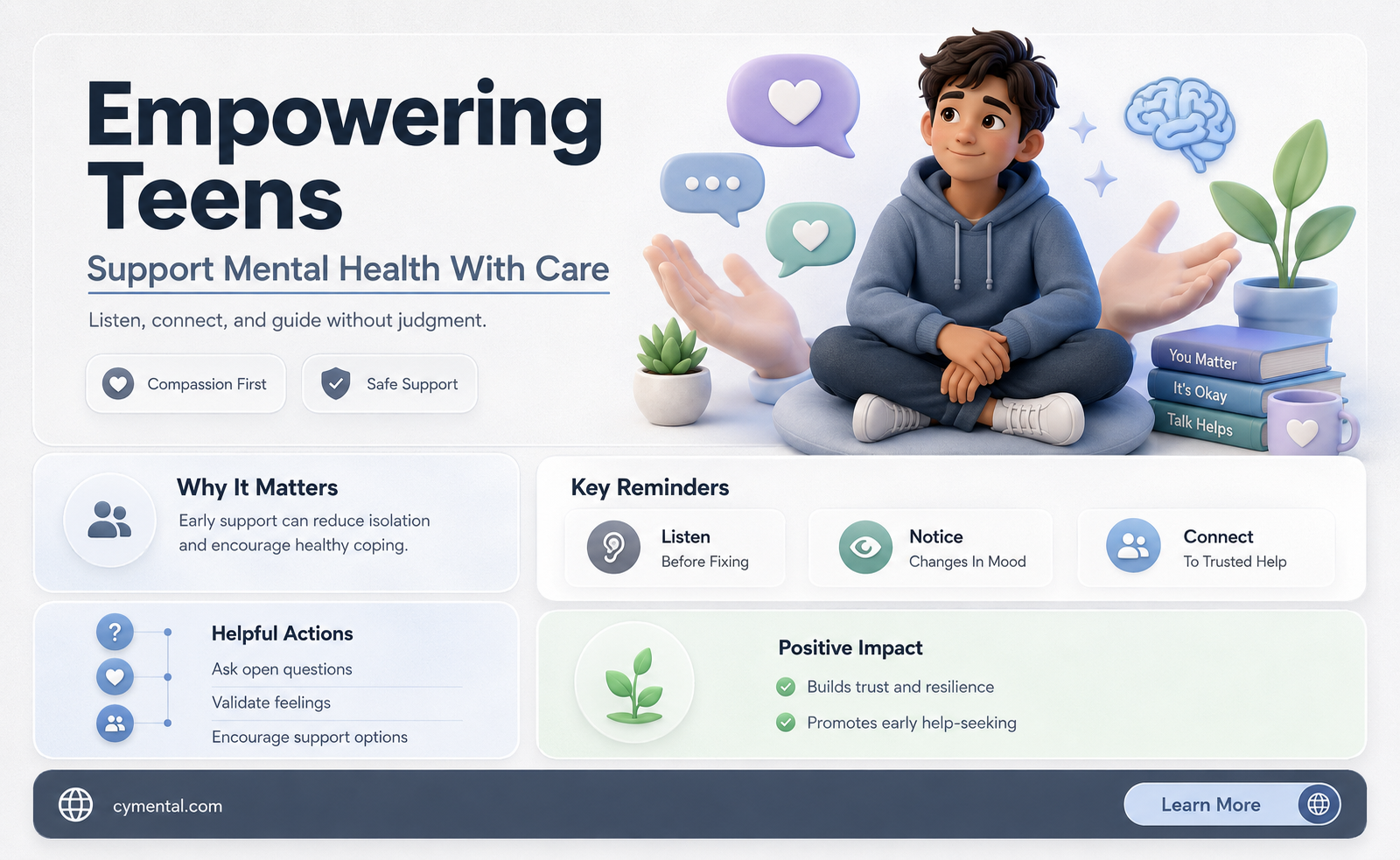
As a teenager, you have a unique opportunity to make a positive impact on the lives of individuals struggling with mental illness. By educating yourself about mental health, you can better understand the challenges they face and learn how to offer support. Simple acts of kindness, such as actively listening without judgment, showing empathy, and being a reliable friend, can make a significant difference. You can also help reduce stigma by speaking openly about mental health, sharing accurate information, and encouraging others to seek help when needed. Additionally, volunteering with local mental health organizations or participating in awareness campaigns can amplify your efforts. Remember, while you can provide emotional support, it’s important to encourage professional help for those who need it and to take care of your own mental well-being in the process.
| Characteristics | Values |
|---|---|
| Listen Actively | Provide a non-judgmental space for them to express their feelings. Avoid interrupting or offering unsolicited advice. |
| Educate Yourself | Learn about mental health conditions, stigma, and available resources to better understand their experiences. |
| Show Empathy | Validate their emotions and let them know their feelings are real and important. |
| Encourage Professional Help | Gently suggest seeking support from therapists, counselors, or helplines, but respect their autonomy. |
| Be Patient | Recovery takes time; avoid pressuring them to "get better" quickly. |
| Promote Self-Care | Encourage healthy habits like exercise, sleep, and hobbies, but don’t force it. |
| Check-In Regularly | Show consistent support by asking how they’re doing without being intrusive. |
| Avoid Stigmatizing Language | Use respectful and inclusive language to reduce shame and misconceptions. |
| Help Reduce Isolation | Invite them to social activities, but don’t push if they’re not ready. |
| Know Your Limits | Recognize when the situation is beyond your ability to help and seek guidance from adults or professionals. |
| Lead by Example | Model healthy coping mechanisms and open conversations about mental health. |
| Share Resources | Provide information about local or online mental health resources, such as hotlines or support groups. |
| Respect Boundaries | Allow them to set limits on what they’re comfortable sharing or doing. |
| Stay Positive | Offer hope and reassurance without minimizing their struggles. |
| Avoid Enabling Harmful Behaviors | Support them without encouraging self-destructive actions. |
| Be Reliable | Consistently show up for them, even if it’s just through small gestures. |
Explore related products

$7.97 $18.99


What You'll Learn
- Listen Actively, Non-Judgmentally: Offer a safe space for them to express their feelings without interruption
- Educate Yourself: Learn about mental health conditions to better understand their experiences and needs
- Encourage Professional Help: Gently suggest therapy or support groups, but respect their decisions
- Be Patient and Consistent: Mental health recovery takes time; show steady support without expecting quick changes
- Promote Self-Care: Encourage healthy habits like exercise, sleep, and hobbies to boost their well-being

Listen Actively, Non-Judgmentally: Offer a safe space for them to express their feelings without interruption
One of the most powerful ways to support someone struggling with mental illness is to simply listen. Active, non-judgmental listening creates a safe space where they feel heard, understood, and accepted. This doesn't mean offering solutions or advice unless asked. It means being fully present, acknowledging their emotions, and validating their experiences.
Imagine a friend confides in you about feeling overwhelmed by anxiety. Instead of saying, "Just relax," or "It's not that bad," try phrases like, "That sounds really hard," or "I can see how that would feel overwhelming." Reflect back what you hear to show you're engaged: "It seems like you're feeling really anxious about the test tomorrow." This demonstrates empathy and encourages them to open up further.
Maintain eye contact (when culturally appropriate), nod, and use open body language to signal your attentiveness. Avoid interrupting or shifting the focus to yourself. Let them guide the conversation at their own pace.
Active listening isn't about fixing the problem; it's about creating a safe haven where they feel seen and supported. It's about reminding them they're not alone in their struggles. Remember, sometimes the greatest gift you can give is simply your undivided attention and a non-judgmental ear.
Unlocking Hope: Effective Mental Health Care in Prisons Explored
You may want to see also
Explore related products

$14.69 $15.97


Educate Yourself: Learn about mental health conditions to better understand their experiences and needs
Understanding mental health conditions begins with recognizing that knowledge is power. Imagine trying to support a friend with diabetes without knowing what insulin does—you’d likely feel lost. Similarly, learning about mental health disorders equips you with the tools to offer meaningful help. Start by researching common conditions like depression, anxiety, bipolar disorder, and schizophrenia. Reliable sources such as the National Institute of Mental Health (NIMH), World Health Organization (WHO), and Mental Health America (MHA) provide accurate, age-appropriate information tailored for teens. Knowing the symptoms, triggers, and treatments demystifies these conditions, reducing stigma and fostering empathy.
Once you’ve grasped the basics, dive deeper into the lived experiences of those with mental illness. Personal narratives, blogs, and documentaries offer a human perspective that statistics alone can’t capture. For instance, watching *The Perks of Being a Wallflower* or reading *Turtles All the Way Down* can illustrate the emotional complexities of depression and anxiety. Pairing these stories with clinical facts helps you bridge the gap between theory and reality. Remember, mental health isn’t one-size-fits-all—each person’s experience is unique, so avoid generalizations.
Practical steps to educate yourself include setting aside 30 minutes weekly to read or watch educational content. Create a mental health "toolkit" with resources like crisis hotline numbers, self-care tips, and local support groups. Share what you learn with peers to normalize conversations about mental health. However, be cautious not to overstep boundaries—avoid diagnosing or offering unsolicited advice. Your role is to listen, support, and guide, not to play therapist.
Finally, reflect on how your newfound knowledge changes your interactions. For example, understanding that anxiety can manifest as irritability might help you respond with patience instead of frustration. This awareness transforms you from a bystander into an ally. By educating yourself, you not only help others but also cultivate a more compassionate worldview—a skill that benefits everyone, regardless of their mental health status.
Ice Baths and Mental Health: Uncovering the Mind-Body Connection
You may want to see also
Explore related products




Encourage Professional Help: Gently suggest therapy or support groups, but respect their decisions
One of the most impactful ways to support someone struggling with mental health is to encourage them to seek professional help. As a teen, you might feel unsure about how to approach this sensitive topic, but your role can be pivotal in guiding them toward resources like therapy or support groups. Start by expressing your concern in a non-judgmental way, such as, "I’ve noticed you’ve been going through a tough time, and I think talking to someone who’s trained to help could really make a difference." This approach acknowledges their struggle while framing professional help as a positive step.
However, it’s crucial to respect their autonomy and decisions. Not everyone is ready to seek help, and pushing too hard can create resentment or distrust. Instead, offer suggestions gently and let them know you’re there to support them, regardless of their choice. For example, you could say, "If you ever want to try therapy, I can help you find a therapist or even go with you to the first session." This shows you’re willing to assist without pressuring them into action.
When suggesting therapy, be mindful of the stigma surrounding mental health, especially among teens. Many fear being labeled as "crazy" or "weak," so emphasize that seeking help is a sign of strength. Share relatable examples, like, "My cousin started therapy last year, and they say it’s helped them manage stress way better." Personal anecdotes or stories from trusted sources can make professional help feel more accessible and less intimidating.
Support groups are another valuable resource to mention. They provide a sense of community and understanding that can be particularly comforting for those feeling isolated. Suggest local or online groups tailored to their specific struggles, such as anxiety, depression, or grief. Websites like 7 Cups or Mental Health America offer peer support options, while apps like Calm or Headspace can complement professional care. Always remind them that these resources are tools, not replacements for therapy, but they can be a stepping stone toward seeking further help.
Finally, remember that your role is to support, not to fix. If they decline your suggestions, avoid taking it personally or making them feel guilty. Instead, continue to be a compassionate listener and ally. Over time, your consistent support may encourage them to reconsider professional help when they’re ready. By approaching this topic with empathy, patience, and respect, you can make a meaningful difference in their journey toward healing.
Belonging and Mental Health: How Connection Impacts Well-Being
You may want to see also
Explore related products



$14.99

$15.49 $21.95


Be Patient and Consistent: Mental health recovery takes time; show steady support without expecting quick changes
Mental health recovery is a marathon, not a sprint. As a teen, you might feel eager to see your friend or loved one “get better” quickly, but healing from mental illness often involves setbacks, plateaus, and slow progress. Recognizing this reality is the first step in offering meaningful support. For example, someone with depression might have good days followed by weeks of deep struggle. Instead of asking, “Are you feeling better yet?” try saying, “I’m here for you, no matter what.” This shift in language communicates patience and reduces pressure on the person to “recover” on a timeline that feels right to you but not to them.
Consistency is just as vital as patience. Mental illness doesn’t take breaks, and neither should your support. Small, regular acts of kindness often mean more than grand gestures. For instance, sending a weekly check-in text, “Hey, how’s your day going?” or inviting them to join you for a walk once a week can create a sense of stability. Avoid overcommitting to daily calls or visits if you can’t sustain them; inconsistency can unintentionally harm trust. A study by the American Psychological Association highlights that predictable social support is linked to better mental health outcomes, emphasizing the power of steady presence over sporadic efforts.
Here’s a practical tip: Create a “support calendar” for yourself. Mark days to reach out, but also note reminders to respect their boundaries if they need space. For example, if your friend is dealing with anxiety, avoid overwhelming them with frequent messages. Instead, set a reminder to send a thoughtful note every few days. Pair this with tangible actions, like offering to help with a small task they’ve been putting off, such as folding laundry or brainstorming ideas for a school project. These actions show you’re committed for the long haul, not just when it’s convenient.
Patience and consistency also mean managing your own expectations. Mental health recovery isn’t linear, and your role isn’t to “fix” anyone. Celebrate small victories—like a friend attending a social event after weeks of isolation—but avoid phrases like, “See, you’re getting better!” which can undermine their experience. Instead, say, “I’m proud of you for taking that step.” Remember, your goal is to provide a safe, nonjudgmental space, not to measure progress. By showing up reliably and without haste, you become a steady anchor in their journey, which can be one of the most valuable forms of support.
Nourish Your Mind: How Healthy Eating Boosts Mental Well-Being
You may want to see also
Explore related products


Promote Self-Care: Encourage healthy habits like exercise, sleep, and hobbies to boost their well-being
Teens struggling with mental health often neglect self-care, caught in a cycle of fatigue, apathy, or overwhelm. This makes promoting healthy habits like exercise, sleep, and hobbies a powerful way to support them.
Start small, build momentum. Don’t push a marathon when a 10-minute walk feels insurmountable. Suggest a short yoga video, a quick dance break, or even a stroll around the block. The goal is to spark a sense of accomplishment, not induce guilt. For sleep, encourage a consistent bedtime routine: dim lights an hour before bed, limit screen time, and perhaps introduce calming activities like reading or journaling.
Frame it as shared experience, not a lecture. Instead of saying, “You should exercise,” try, “I’ve been trying this meditation app, want to check it out together?” or “Let’s go for a walk and grab a smoothie afterward.” This shifts the focus from obligation to connection, making self-care feel less like a chore and more like a shared adventure.
Hobbies are lifelines, not luxuries. Mental illness can drain motivation, making hobbies feel frivolous. Help them rediscover old passions or explore new ones by offering low-pressure options: doodling, listening to music, cooking a simple recipe, or even playing a mobile game together. The key is to reignite joy and purpose, one small activity at a time.
Be patient, persistent, and flexible. Progress isn’t linear. Some days, just getting out of bed is a victory. Celebrate those moments. If they resist, don’t force it—gently remind them of the benefits and offer alternatives. Remember, you’re not their therapist, but a supportive peer who can model and encourage healthy habits in a way that feels natural and uplifting.
Early Intervention: Key to Better Outcomes for Mental Health?
You may want to see also
Frequently asked questions
Listen without judgment, let them know you care, and encourage them to seek professional help. Avoid trying to "fix" their problems, but offer to accompany them to appointments or simply be there for them. Educate yourself about their condition to better understand their experience.
Organize or participate in mental health awareness events, share reliable resources on social media, and start conversations to reduce stigma. You can also join or create school clubs focused on mental health advocacy and support.
Set boundaries to avoid burnout, practice self-care (e.g., exercise, hobbies, and rest), and seek support when needed. Remember, you can’t pour from an empty cup—prioritize your well-being to be effective in helping others.