Madison Cole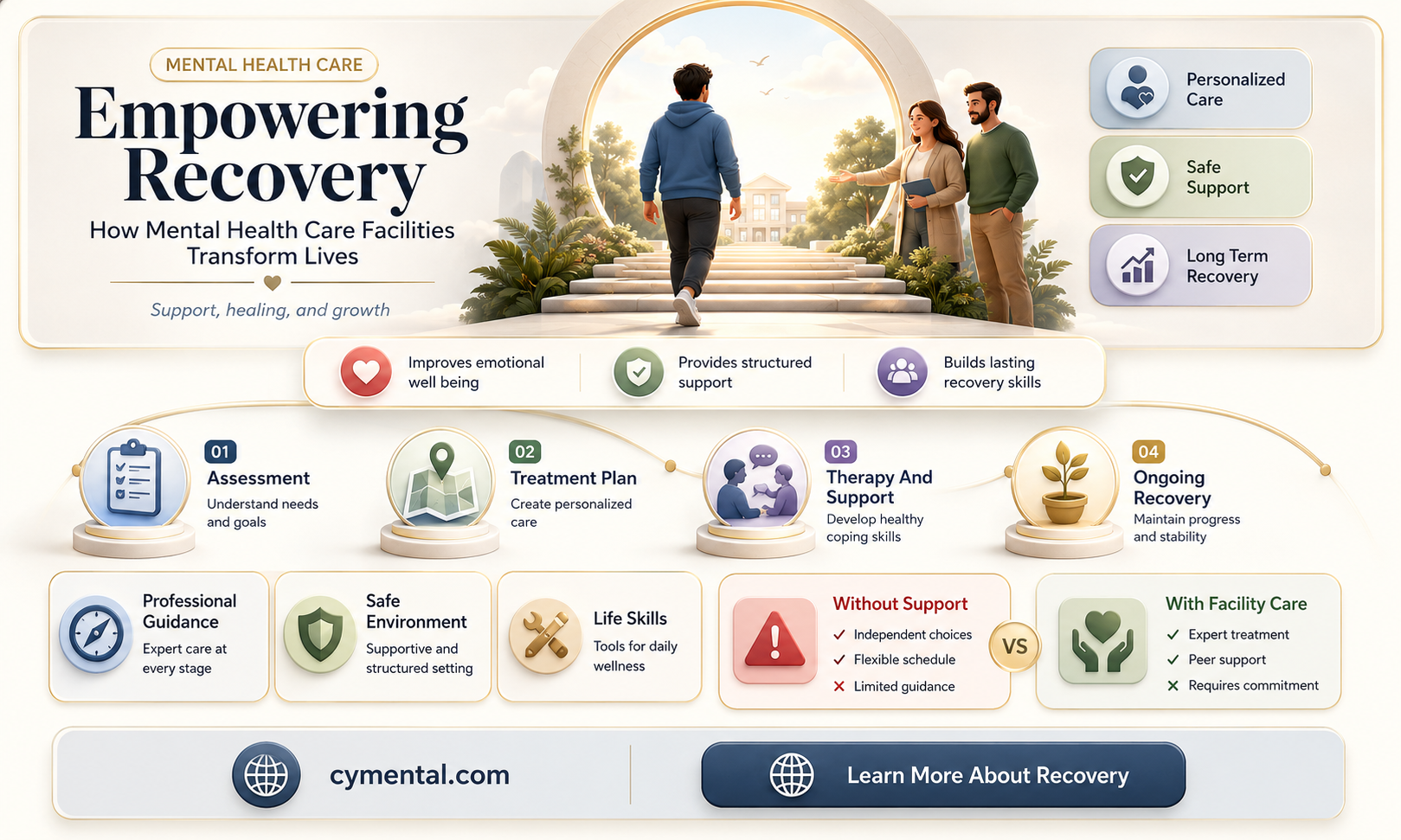
Mental health care facilities play a crucial role in supporting individuals struggling with mental health issues by providing specialized treatment, resources, and a safe environment for healing. These facilities offer a range of services, including therapy, medication management, and crisis intervention, tailored to meet the unique needs of each patient. By employing trained professionals such as psychiatrists, psychologists, and counselors, they ensure evidence-based care that addresses conditions like depression, anxiety, bipolar disorder, and PTSD. Additionally, mental health care facilities foster a supportive community, reducing stigma and promoting recovery through group therapy, educational programs, and holistic approaches. Their structured programs and 24/7 support also help individuals develop coping strategies and build resilience, ultimately improving their overall quality of life and reintegration into society.
Explore related products


What You'll Learn

Personalized treatment plans
Mental health care facilities can significantly enhance outcomes by tailoring treatment plans to individual needs, moving beyond one-size-fits-all approaches. Personalized treatment plans acknowledge that each person’s mental health journey is unique, shaped by factors like genetics, environment, and life experiences. For instance, a 35-year-old with anxiety may respond better to cognitive-behavioral therapy (CBT) combined with mindfulness practices, while a teenager with depression might benefit from a blend of family therapy and medication. This customization ensures interventions are relevant, effective, and engaging, increasing the likelihood of long-term success.
Creating a personalized plan begins with a comprehensive assessment, often involving interviews, questionnaires, and diagnostic tools. Clinicians evaluate symptoms, medical history, and personal goals to design a roadmap that addresses specific challenges. For example, a patient with bipolar disorder might receive a plan that includes mood stabilizers (e.g., lithium at 900–1200 mg/day), psychoeducation, and a structured daily routine to manage mood fluctuations. Practical tips, such as keeping a mood diary or using apps to track symptoms, can empower individuals to actively participate in their care.
One of the strengths of personalized treatment plans is their adaptability. Mental health is not static; it evolves over time, influenced by stressors, life changes, and treatment responses. A plan that works initially may need adjustments as circumstances shift. For instance, a college student experiencing panic attacks during exams might start with short-term benzodiazepines (e.g., 0.5 mg of alprazolam as needed) and CBT. Over time, the focus could shift to long-term strategies like exposure therapy and lifestyle changes, reducing reliance on medication. This flexibility ensures the treatment remains aligned with the individual’s current needs.
Critics might argue that personalization is resource-intensive, requiring more time and expertise than standardized approaches. However, the long-term benefits often outweigh the costs. Personalized plans reduce the trial-and-error common in generic treatments, minimizing side effects and accelerating recovery. For example, genetic testing can identify how an individual metabolizes medications, allowing clinicians to prescribe optimal dosages from the start. This precision not only improves outcomes but also fosters trust between patients and providers, a critical factor in mental health care.
Incorporating patient preferences into treatment plans further enhances their effectiveness. Some individuals may prefer holistic approaches like yoga or art therapy, while others may prioritize evidence-based methods like medication or psychotherapy. For a 50-year-old with chronic stress, a plan might include progressive muscle relaxation exercises twice daily, coupled with a reduced workload and regular check-ins with a therapist. By respecting individual preferences, facilities can improve adherence and satisfaction, turning passive recipients into active partners in their care.
Ultimately, personalized treatment plans represent a paradigm shift in mental health care, moving from generic solutions to tailored strategies that honor the complexity of human experience. They require collaboration, creativity, and a commitment to ongoing refinement. For facilities willing to invest in this approach, the rewards are clear: improved outcomes, greater patient engagement, and a more compassionate, effective system of care.
Supporting Through Crisis: Essential Steps to Aid Mental Health Emergencies
You may want to see also
Explore related products


Crisis intervention services
A typical crisis intervention session follows a structured protocol: assessment, stabilization, and planning. Trained professionals first assess the individual's risk level, then employ techniques like grounding exercises, breathing techniques, or medication administration to de-escalate the crisis. For example, a person experiencing a panic attack might be guided through diaphragmatic breathing (inhaling deeply for 4 seconds, holding for 4, exhaling for 6) to regulate their nervous system.
The effectiveness of crisis intervention lies in its accessibility and immediacy. Hotlines like the National Suicide Prevention Lifeline (988) provide 24/7 support, while mobile crisis units bring help directly to individuals in their homes or communities. This accessibility is crucial, as research shows that timely intervention significantly reduces the risk of self-harm and hospitalization. For instance, a study published in the Journal of Clinical Psychiatry found that individuals who received crisis intervention within 24 hours of a suicidal crisis were 50% less likely to attempt suicide in the following month.
However, crisis intervention is not a cure-all. It's a temporary bridge, not a long-term solution. After stabilization, individuals are connected to ongoing care, such as therapy or medication management, to address the underlying issues contributing to the crisis. Think of it as putting out a fire: crisis intervention extinguishes the immediate flames, but further work is needed to prevent future blazes.
To maximize the effectiveness of crisis intervention services, facilities should prioritize staff training in de-escalation techniques, cultural competency, and trauma-informed care. Additionally, integrating technology, such as telehealth platforms and crisis text lines, can expand reach and accessibility. By combining rapid response with compassionate care, crisis intervention services play a vital role in saving lives and fostering hope during moments of profound vulnerability.
Addressing Mental Health: Are Our Efforts Truly Making a Difference?
You may want to see also
Explore related products




Therapy and counseling options
Mental health care facilities offer a spectrum of therapy and counseling options tailored to individual needs, ensuring that no one is left to navigate their struggles alone. From evidence-based modalities to innovative approaches, these services provide structured support for healing and growth.
Analytical Perspective: The Role of Evidence-Based Therapies
Cognitive Behavioral Therapy (CBT) stands as a cornerstone in mental health treatment, backed by decades of research. It operates on the principle that thoughts, feelings, and behaviors are interconnected, offering practical tools to reframe negative thought patterns. For instance, a 12-week CBT program, involving weekly 50-minute sessions, has shown significant reductions in anxiety and depression symptoms, particularly in adults aged 18–65. Similarly, Dialectical Behavior Therapy (DBT) targets emotional regulation and interpersonal effectiveness, often through a combination of individual therapy, group skills training, and phone coaching. These therapies are not one-size-fits-all; their efficacy lies in customization, addressing specific triggers and challenges.
Instructive Guide: Navigating Counseling Options
Choosing the right therapy begins with understanding your goals. For trauma-related issues, Eye Movement Desensitization and Reprocessing (EMDR) can be transformative. This 8–12 session protocol helps individuals process traumatic memories by bilateral stimulation, such as guided eye movements. For relationship challenges, couples or family therapy, often conducted in 60–90 minute sessions, fosters communication and conflict resolution. Group therapy, typically capped at 8–12 participants, offers peer support and shared insights, ideal for those seeking community. Practical tip: Ask your therapist about homework assignments, such as journaling or mindfulness exercises, to reinforce progress between sessions.
Persuasive Argument: The Value of Specialized Therapies
Specialized therapies address niche needs with precision. Art therapy, for example, bypasses verbal communication barriers, allowing individuals to express complex emotions through creation. This is particularly beneficial for children, adolescents, or those with neurodivergent conditions. Similarly, equine-assisted therapy leverages the calming presence of horses to build trust and emotional resilience, often in 60-minute sessions. While these modalities may seem unconventional, their impact is profound, offering pathways to healing that traditional talk therapy cannot. Investing in these options acknowledges the diversity of human experience and the need for multifaceted care.
Comparative Insight: Short-Term vs. Long-Term Approaches
Short-term therapies, like Solution-Focused Brief Therapy (SFBT), focus on immediate problem-solving, typically spanning 6–12 sessions. This goal-oriented approach is ideal for individuals seeking quick strategies to manage crises. In contrast, psychodynamic therapy explores deep-seated patterns over months or years, uncovering root causes of emotional distress. The choice depends on the nature of the issue: acute stressors may benefit from brevity, while chronic conditions often require depth. Caution: Avoid rushing into long-term therapy without clarity on its purpose; equally, don’t dismiss it if surface-level fixes fall short.
Descriptive Snapshot: The Therapeutic Environment
Therapy rooms are sanctuaries designed to foster safety and openness. Soft lighting, comfortable seating, and neutral tones create a calming atmosphere. Some facilities incorporate sensory tools, like weighted blankets or essential oil diffusers, to enhance relaxation. Therapists employ active listening, reflective questioning, and empathetic validation to build trust. For virtual sessions, platforms ensure privacy through encryption, while therapists adapt techniques to maintain engagement. Whether in-person or online, the environment is a critical component of the therapeutic alliance, shaping the effectiveness of every interaction.
By offering diverse therapy and counseling options, mental health care facilities empower individuals to find the approach that resonates most deeply with their needs. From evidence-based frameworks to creative modalities, these services provide a roadmap to recovery, one session at a time.
Exercise and Mental Health: Boosting Mood, Focus, and Resilience Naturally
You may want to see also
Explore related products


Medication management support
Effective medication management is a cornerstone of mental health treatment, yet it’s often overlooked in broader discussions of care. For individuals with conditions like depression, bipolar disorder, or schizophrenia, adherence to prescribed medications can mean the difference between stability and relapse. Mental health care facilities play a critical role in this process by providing structured support systems that go beyond simply dispensing pills. From initial prescription to long-term monitoring, these facilities ensure that medications are taken correctly, adjusted as needed, and integrated into a holistic treatment plan.
Consider the case of a 32-year-old patient with bipolar disorder who struggles with medication adherence due to side effects and forgetfulness. A mental health care facility might implement a daily supervised dosing program, where staff observe the patient taking their 400 mg of lithium in the morning and 20 mg of Lexapro at night. This not only ensures compliance but also allows for immediate reporting of side effects, such as hand tremors or nausea, which can then be addressed through dosage adjustments or additional medications like propranolol. Such proactive management reduces the risk of manic or depressive episodes, fostering greater stability in the patient’s life.
However, medication management isn’t just about supervision; it’s also about education and empowerment. Facilities often conduct workshops or one-on-one sessions to teach patients about their medications, including how they work, potential side effects, and the importance of consistency. For instance, a teenager prescribed 10 mg of fluoxetine for anxiety might learn that it takes 4–6 weeks to feel the full effects, reducing the likelihood of early discontinuation. Caregivers are also involved, particularly for younger patients or those with cognitive impairments, to ensure they understand dosing schedules and storage requirements, such as keeping medications in a cool, dry place away from children.
A comparative analysis reveals that facilities offering comprehensive medication management see higher adherence rates—up to 80% compared to 50% in unsupervised settings. This is particularly evident in older adults, who may take multiple medications for comorbid conditions like diabetes or hypertension. Facilities use tools like pill organizers, mobile apps, and regular check-ins to simplify regimens, minimizing confusion and overdose risks. For example, a 65-year-old patient might receive a weekly pill box pre-filled with their morning (20 mg escitalopram) and evening (1 mg clonazepam) doses, reducing the cognitive load of self-management.
In conclusion, medication management support in mental health care facilities is a multifaceted intervention that combines supervision, education, and technology to optimize treatment outcomes. By addressing barriers like forgetfulness, side effects, and lack of understanding, these facilities empower patients to take control of their mental health. Whether through supervised dosing, caregiver training, or digital tools, the goal remains the same: to ensure that medications are not just prescribed, but effectively integrated into the patient’s daily life. This approach not only improves adherence but also enhances overall quality of care, making it an indispensable component of mental health treatment.
School Shooters and Mental Health: Addressing the Crisis and Seeking Solutions
You may want to see also
Explore related products


Community and group activities
Social connection is a cornerstone of mental well-being, yet isolation often accompanies mental health struggles. Community and group activities within mental health care facilities combat this by fostering a sense of belonging and shared experience.
Consider the power of a weekly art therapy group. Participants, guided by a therapist, use painting, sculpting, or collage to express emotions they might struggle to articulate verbally. This shared creative process breaks down barriers, allowing individuals to connect through their artwork, witness each other's struggles and triumphs, and build empathy. Research suggests art therapy can reduce symptoms of depression and anxiety, with studies showing a 71% improvement rate in participants after 10 sessions.
Practical Tip: Facilities can offer diverse art mediums (paint, clay, textiles) to cater to different preferences and skill levels, ensuring inclusivity.
Group activities also provide a safe space for skill-building and relearning social cues. A cooking class, for instance, isn't just about preparing a meal. It's about teamwork, following instructions, managing time, and sharing a communal experience. For individuals struggling with social anxiety, this structured environment allows for gradual exposure and practice in a supportive setting.
- Caution: Be mindful of dietary restrictions and potential triggers associated with food. Offer alternatives and ensure a therapist is present to address any emotional challenges that may arise.
- Takeaway: Group activities should be designed with specific therapeutic goals in mind, whether it's improving communication, building confidence, or fostering a sense of accomplishment.
The benefits extend beyond the activity itself. Shared experiences create a sense of community, reducing feelings of isolation and stigma. A hiking group, for example, not only promotes physical activity but also encourages participants to support each other through challenging terrain, mirroring the journey of recovery.
Ultimately, community and group activities within mental health care facilities are not merely recreational; they are therapeutic tools. By fostering connection, providing structured support, and creating opportunities for shared experiences, these activities empower individuals on their path to healing and well-being.
Equine Therapy: How Horses Heal and Improve Mental Health
You may want to see also
Frequently asked questions
Mental health care facilities assess individuals through comprehensive evaluations, considering their unique needs, symptoms, and goals. They then design tailored treatment plans that may include therapy, medication, and support services to address specific mental health challenges.
These facilities offer immediate support during mental health crises, such as suicidal thoughts or severe anxiety, through 24/7 crisis hotlines, emergency assessments, and short-term stabilization programs to ensure safety and prevent escalation.
They provide ongoing therapy, skill-building programs, and community resources to help individuals manage their mental health effectively. Facilities also offer aftercare planning and support groups to promote sustained recovery and prevent relapse.