Lucas Bennett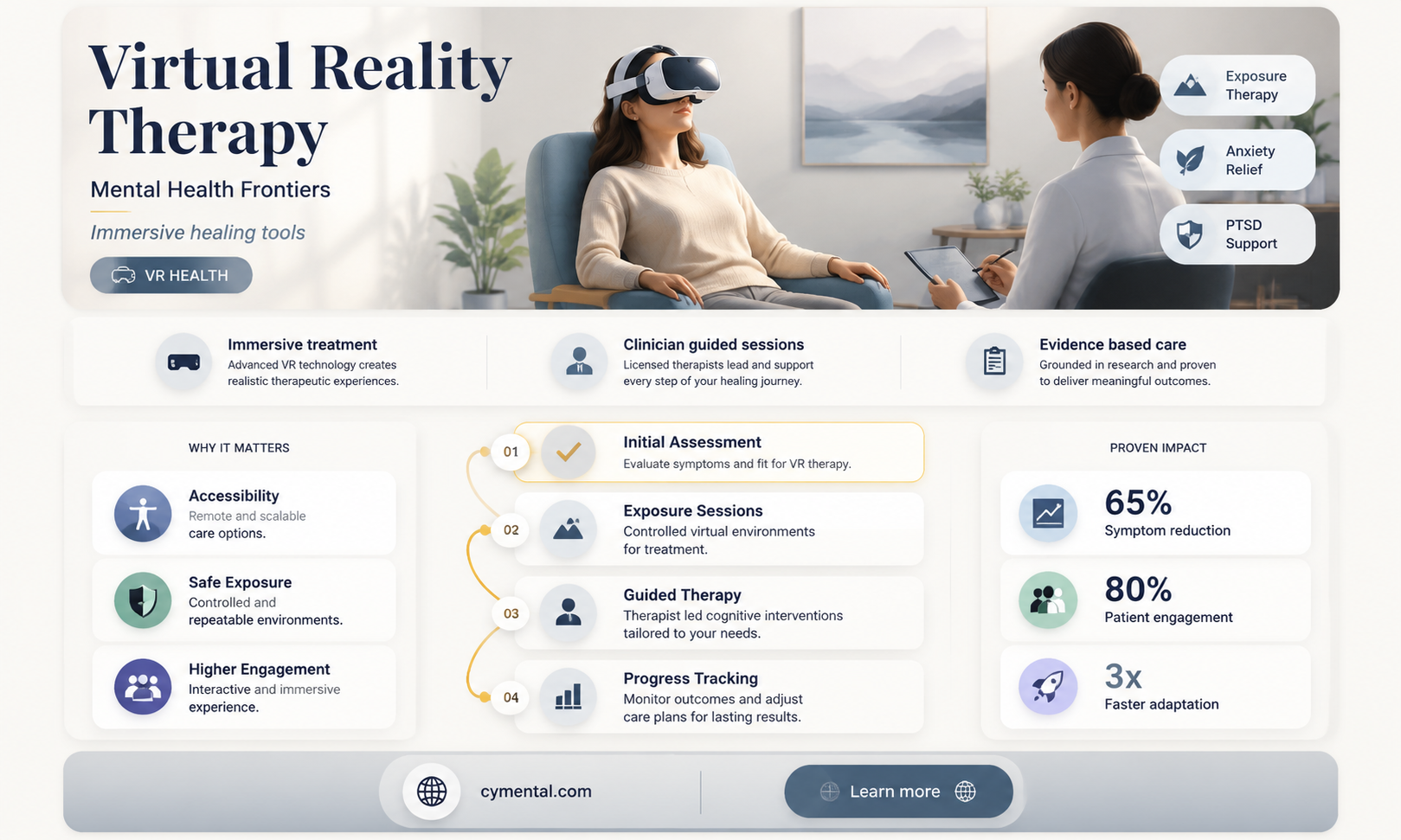
Virtual reality (VR) is increasingly being recognized as a powerful tool in addressing mental health challenges, offering immersive and controlled environments that can facilitate therapeutic interventions. By simulating real-life scenarios, VR enables individuals to confront and manage anxieties, phobias, and traumatic experiences in a safe and supportive setting. For example, exposure therapy for conditions like PTSD or anxiety disorders can be conducted in VR, allowing users to gradually face their fears without immediate real-world consequences. Additionally, VR provides a platform for mindfulness and relaxation exercises, helping users reduce stress and improve emotional well-being. Its interactive nature also makes therapy more engaging and accessible, particularly for those who may find traditional methods intimidating or ineffective. As research continues to explore its potential, VR holds promise as a transformative tool in mental health care, offering innovative solutions for diagnosis, treatment, and ongoing support.
Explore related products


What You'll Learn
- VR Exposure Therapy: Simulates anxiety triggers in a safe space to treat phobias and PTSD
- Mindfulness & Relaxation: Immersive calming environments reduce stress and promote mental well-being
- Social Skills Training: VR scenarios help practice social interactions for anxiety or autism
- Pain Distraction: Distracts patients from chronic pain through engaging virtual experiences
- Cognitive Rehabilitation: VR games improve memory, attention, and problem-solving for mental health recovery

VR Exposure Therapy: Simulates anxiety triggers in a safe space to treat phobias and PTSD
Virtual reality exposure therapy (VRET) is a groundbreaking approach that leverages immersive technology to treat anxiety disorders, phobias, and PTSD by simulating real-world triggers in a controlled, safe environment. Unlike traditional exposure therapy, which relies on imagination or real-life scenarios, VRET allows therapists to customize and gradually intensify stimuli, such as heights, crowded spaces, or combat situations, without the risks associated with physical exposure. This precision makes it particularly effective for conditions like acrophobia (fear of heights) or PTSD, where recreating triggers in real life is impractical or traumatic.
Consider a patient with a severe fear of flying. In VRET, they might begin by sitting in a virtual airport terminal, progressing to boarding a plane, and eventually experiencing turbulence—all while monitored by a therapist who can adjust the intensity in real time. Studies show that this gradual desensitization can reduce anxiety symptoms by up to 60% after just 8–12 sessions, each lasting 30–60 minutes. For PTSD patients, VRET recreates traumatic events in a way that feels real enough to process emotions but safe enough to avoid re-traumatization. For instance, a veteran might revisit a battlefield scenario, learning to manage physiological responses like increased heart rate through biofeedback integrated into the VR system.
While VRET is highly effective, it’s not without considerations. Therapists must carefully calibrate exposure levels to avoid overwhelming patients, particularly those with severe PTSD or comorbid conditions like panic disorder. Cost and accessibility are also barriers, as high-quality VR equipment and trained professionals are not universally available. However, as technology becomes more affordable and research expands, VRET is increasingly being adopted in clinical settings, with some programs even offering at-home sessions under remote supervision.
To maximize the benefits of VRET, patients should communicate openly with their therapist about discomfort levels and progress. Combining VR sessions with cognitive-behavioral therapy (CBT) techniques, such as reframing negative thoughts, enhances outcomes. For parents or caregivers, encouraging consistent participation and providing emotional support outside sessions can significantly improve results. As VR technology evolves, its potential to revolutionize mental health treatment—making it more accessible, personalized, and effective—becomes increasingly clear.
Accepting Compliments: A Simple Tool for Mental Health Recovery
You may want to see also
Explore related products


Mindfulness & Relaxation: Immersive calming environments reduce stress and promote mental well-being
Stress is a silent epidemic, and its impact on mental health is undeniable. Virtual reality (VR) offers a unique solution by transporting individuals to immersive calming environments, providing a respite from the chaos of daily life. Imagine stepping into a serene forest, the rustling leaves and chirping birds enveloping you, or floating weightlessly in a starry galaxy, the vastness of space inducing a sense of tranquility. These virtual experiences can significantly reduce stress levels, as evidenced by a study published in the *Journal of Cybertherapy and Rehabilitation*, where participants reported a 25% decrease in anxiety after just 20 minutes of VR exposure to peaceful natural settings.
To harness the power of VR for mindfulness and relaxation, consider these practical steps. First, choose a VR application designed for relaxation, such as *Nature Treks VR* or *Guided Meditation VR*. These apps offer a variety of environments, from beaches to mountains, tailored to individual preferences. Next, set aside a dedicated time each day, ideally 15–30 minutes, to engage with the VR experience. Consistency is key; regular sessions can lead to long-term stress reduction and improved mental well-being. For optimal results, combine VR with deep breathing exercises or guided meditation, amplifying the calming effects.
While VR is a powerful tool, it’s essential to approach it mindfully. Prolonged use without breaks can lead to discomfort or disorientation, so limit sessions to 30–45 minutes at a time. Additionally, ensure the VR environment is age-appropriate; for children under 12, opt for simpler, less intense scenarios to avoid overwhelming their developing minds. Always prioritize physical comfort by using a well-fitted headset and maintaining a safe, clutter-free space to move around in.
The comparative advantage of VR for mindfulness lies in its ability to engage multiple senses simultaneously, creating a deeper sense of immersion than traditional relaxation methods. Unlike a guided meditation app or a nature sounds playlist, VR envelops the user in a fully realized world, making it easier to disconnect from stressors. For instance, a study in *Frontiers in Psychology* found that VR mindfulness exercises were more effective in reducing cortisol levels than conventional methods, particularly for individuals with high-stress lifestyles.
In conclusion, VR’s immersive calming environments are a game-changer for stress reduction and mental well-being. By following practical guidelines and integrating VR into a daily routine, individuals can experience profound relaxation and mindfulness. As technology advances, VR’s potential to transform mental health care becomes increasingly clear, offering a sanctuary of peace in a chaotic world.
Can Faith and Divine Intervention Aid Mental Health Struggles?
You may want to see also
Explore related products


Social Skills Training: VR scenarios help practice social interactions for anxiety or autism
Virtual reality (VR) offers a controlled, immersive environment where individuals with social anxiety or autism can practice real-life interactions without the fear of immediate consequences. Unlike traditional role-playing, VR scenarios provide dynamic, repeatable experiences that simulate social nuances like body language, tone of voice, and facial expressions. For instance, a teenager with autism might practice initiating a conversation at a virtual school cafeteria, receiving immediate feedback on their eye contact or volume, allowing them to refine their approach in a safe space.
The structured nature of VR social skills training makes it particularly effective for individuals who thrive on predictability. Therapists can customize scenarios to target specific challenges, such as maintaining eye contact during a job interview or interpreting sarcasm in a group setting. Studies show that consistent exposure to these simulations can reduce anxiety levels over time, with some participants reporting improved confidence after just 8–12 sessions. For children with autism, VR can be especially engaging, as the interactive nature of the technology aligns with their learning preferences.
However, implementing VR for social skills training requires careful consideration. While the technology is accessible, not all users respond equally. Some individuals may experience cybersickness, a form of motion sickness caused by VR, which can limit session duration. Additionally, VR should complement, not replace, real-world practice. Therapists must bridge the gap between virtual success and real-life application by assigning "homework" tasks, such as striking up a conversation at a local coffee shop after mastering it in VR.
To maximize effectiveness, VR programs should incorporate progressive difficulty levels, starting with simple interactions like greeting a cashier and advancing to complex scenarios like resolving a conflict with a peer. Parents and caregivers can support the process by reinforcing learned skills at home, using prompts like, "Remember how you practiced asking for help in VR? Try it now with the teacher." For optimal results, sessions should last 20–30 minutes, 2–3 times per week, tailored to the user’s comfort and progress.
In conclusion, VR social skills training is a powerful tool for building confidence and competence in individuals with anxiety or autism. Its ability to provide safe, repeatable practice makes it a valuable addition to traditional therapy. By addressing specific challenges, monitoring progress, and integrating real-world application, VR can help users translate virtual success into tangible social improvements, fostering greater independence and connection in their daily lives.
Spirituality and Mental Health: Exploring Inner Peace for Emotional Resilience
You may want to see also
Explore related products


Pain Distraction: Distracts patients from chronic pain through engaging virtual experiences
Chronic pain affects millions worldwide, often leading to depression, anxiety, and reduced quality of life. Virtual reality (VR) offers a novel solution by immersing patients in engaging, distracting experiences that shift their focus away from pain. Studies show that VR can reduce pain perception by up to 50% in some cases, making it a powerful tool for pain management. For instance, a 2020 study published in *JMIR Mental Health* found that burn patients experienced significant pain relief during VR sessions, with effects lasting up to 15 minutes post-session. This suggests that VR not only distracts but also creates a lasting analgesic effect.
Implementing VR for pain distraction requires careful consideration of the patient’s condition and preferences. Sessions typically last 10–30 minutes, with immersive environments like serene beaches, interactive games, or guided meditations being most effective. For pediatric patients, VR games that encourage movement (e.g., virtual sports) can be particularly engaging, while adults may benefit from calming, nature-based scenarios. Clinicians should start with short sessions to assess tolerance and gradually increase duration as needed. Practical tips include ensuring a comfortable seated or reclined position, using noise-canceling headphones to enhance immersion, and monitoring for motion sickness, which can occur in 10–20% of users.
Comparing VR to traditional pain management methods highlights its unique advantages. Unlike opioids, which carry risks of addiction and side effects, VR is non-invasive and has no known long-term adverse effects. It also outperforms simple distractions like television or reading by fully engaging multiple senses, creating a more profound shift in focus. However, VR is not a standalone cure; it works best as part of a multidisciplinary approach, complementing physical therapy, medication, and psychological interventions. For example, combining VR with cognitive-behavioral therapy (CBT) can help patients develop coping strategies while experiencing immediate pain relief.
To maximize the benefits of VR for pain distraction, patients and providers should follow a structured approach. First, select VR content tailored to the patient’s interests and pain level—high-intensity pain may require more immersive experiences. Second, establish a routine, such as daily 20-minute sessions, to build consistency. Third, track progress using pain scales (e.g., 0–10 numeric rating scale) before and after each session to measure effectiveness. Finally, educate patients on realistic expectations; while VR can significantly reduce pain, it may not eliminate it entirely. By integrating these steps, VR becomes a practical, empowering tool for managing chronic pain and improving mental well-being.
Supporting Mental Health: How Loved Ones Can Make a Difference
You may want to see also
Explore related products


Cognitive Rehabilitation: VR games improve memory, attention, and problem-solving for mental health recovery
Virtual reality (VR) games are emerging as powerful tools in cognitive rehabilitation, offering immersive environments that challenge and enhance memory, attention, and problem-solving skills. Unlike traditional therapies, VR provides dynamic, interactive scenarios that engage users in ways that feel more like play than work. For individuals recovering from brain injuries, stroke, or mental health conditions like depression and anxiety, these games can be a game-changer. By simulating real-world tasks or creating novel challenges, VR helps retrain cognitive functions in a safe, controlled space.
Consider a VR game designed to improve spatial memory, where users navigate a virtual maze to find hidden objects. Studies show that repeated exposure to such tasks can strengthen neural pathways associated with memory recall. For instance, a 2021 study published in *Neuropsychologia* found that participants who engaged in VR-based memory exercises demonstrated a 20% improvement in recall accuracy after just 12 sessions. The key lies in the immersive nature of VR, which activates multiple sensory systems simultaneously, fostering deeper cognitive engagement.
Attention training is another area where VR excels. Games that require users to track moving objects or respond to sudden stimuli can enhance focus and reduce distractibility. For example, a VR program might task users with identifying specific items in a cluttered virtual environment while ignoring distractions. This type of training is particularly beneficial for individuals with ADHD or those recovering from traumatic brain injuries. A study in *Journal of Cognitive Enhancement* reported that participants who completed 30 minutes of VR attention training daily for four weeks showed significant improvements in sustained attention and reaction times.
Problem-solving skills also benefit from VR interventions. Games that present complex puzzles or require strategic planning can stimulate critical thinking and decision-making. For instance, a VR scenario might challenge users to escape a virtual room by solving a series of riddles or manipulating objects. Such activities not only sharpen cognitive abilities but also build confidence and resilience. Practical tips for integrating VR into cognitive rehabilitation include starting with short sessions (15–20 minutes) and gradually increasing duration as tolerance improves. It’s also crucial to tailor the difficulty level to the user’s abilities, ensuring the experience remains challenging yet achievable.
While VR shows immense promise, it’s essential to approach its use with caution. Overstimulation can occur, particularly in individuals sensitive to motion or intense visuals. Clinicians and users should monitor for signs of discomfort, such as dizziness or headaches, and adjust settings accordingly. Additionally, VR should complement, not replace, traditional therapies. When used thoughtfully, VR games can be a transformative tool in cognitive rehabilitation, offering a blend of engagement, adaptability, and measurable outcomes that traditional methods often lack.
Mental Maps: Unlocking Geographic Insights and Spatial Understanding for Geographers
You may want to see also
Frequently asked questions
VR can create controlled, immersive environments for exposure therapy, allowing users to gradually face and manage anxiety triggers in a safe space. It also offers relaxation experiences, such as virtual nature settings, to reduce stress levels.
A: Yes, VR is highly effective for treating phobias like fear of heights, spiders, or flying. It provides realistic yet manageable scenarios for gradual desensitization, helping users overcome their fears in a controlled environment.
VR enhances mindfulness by immersing users in calming, distraction-free environments, such as serene beaches or peaceful forests. Guided meditation sessions in VR can deepen focus and relaxation, improving mental well-being.
A: VR is used in exposure therapy for PTSD, allowing patients to revisit and process traumatic memories in a safe, controlled setting. This helps reduce symptoms and improve coping mechanisms over time.
VR can combat depression by providing engaging, interactive experiences that boost mood and motivation. It also offers cognitive-behavioral therapy (CBT) tools and social interaction simulations to address feelings of isolation and negativity.