Lucas Bennett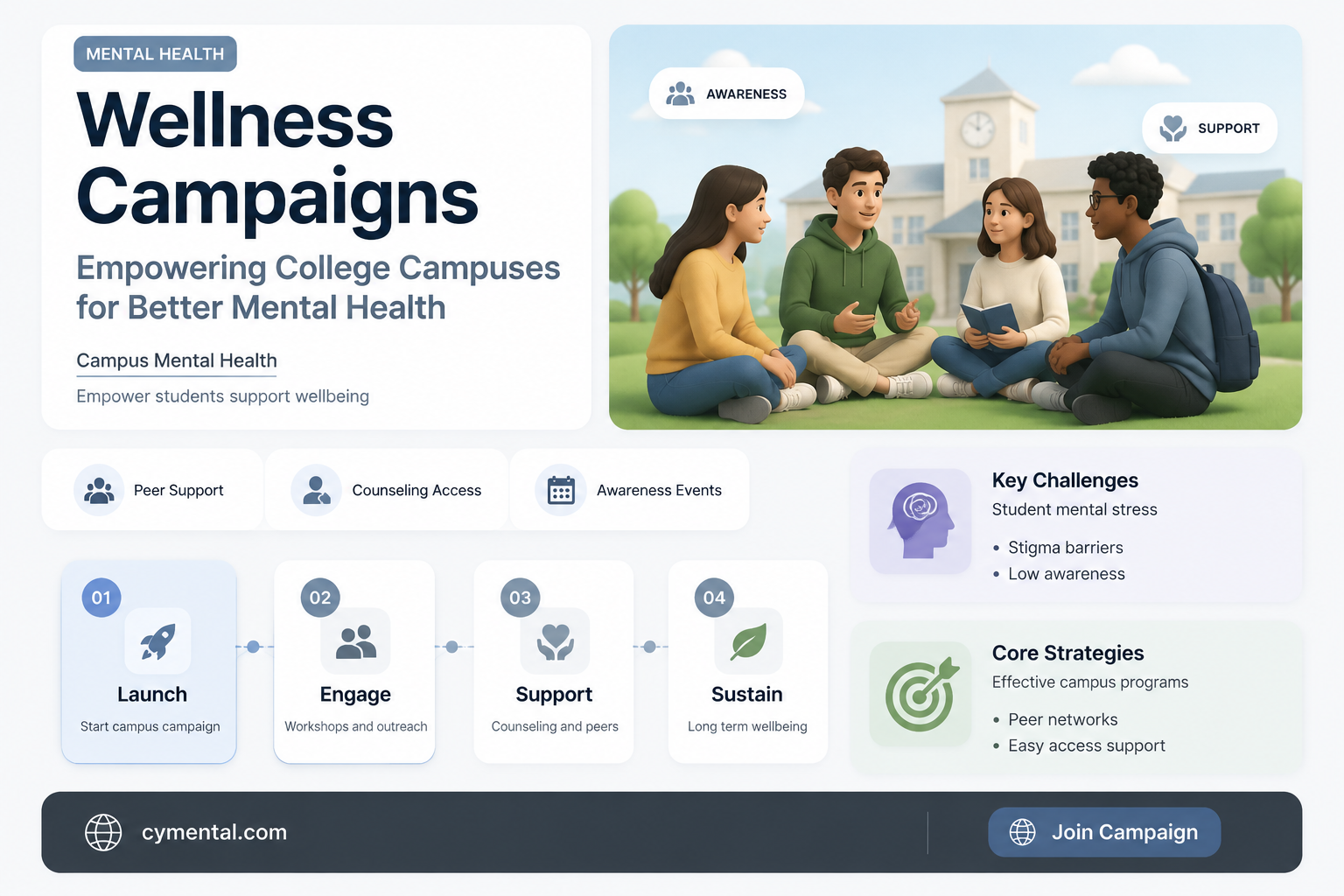
Wellness campaigns on college campuses play a crucial role in addressing the growing mental health challenges faced by students. By promoting awareness, reducing stigma, and providing accessible resources, these initiatives create a supportive environment where students feel encouraged to prioritize their mental well-being. Through educational workshops, peer support programs, and stress-management activities, wellness campaigns empower students with tools to cope with academic pressures, social stressors, and personal struggles. Additionally, they foster a sense of community, reminding students they are not alone in their experiences. By integrating mental health into campus culture, these campaigns not only prevent crises but also cultivate resilience, ensuring students thrive academically and personally.
| Characteristics | Values |
|---|---|
| Awareness & Education | Campaigns increase awareness about mental health issues, reduce stigma, and educate students on available resources. |
| Early Intervention | Promote early identification of mental health concerns, encouraging students to seek help before issues escalate. |
| Access to Resources | Highlight on-campus and off-campus mental health services, making it easier for students to access support. |
| Stress Management | Provide tools and strategies for managing academic and personal stress, such as mindfulness, time management, and relaxation techniques. |
| Community Building | Foster a sense of belonging and connection through group activities, peer support programs, and inclusive events. |
| Resilience Building | Teach skills to enhance emotional resilience, helping students cope with challenges and setbacks. |
| Policy Advocacy | Advocate for mental health-friendly policies, such as flexible deadlines, mental health days, and reduced workloads. |
| Data-Driven Approaches | Use campus-specific data to tailor campaigns, addressing the most pressing mental health needs of the student population. |
| Digital Engagement | Utilize social media, apps, and online platforms to reach students with mental health resources and support. |
| Collaboration with Stakeholders | Involve faculty, staff, and student organizations to create a unified approach to mental health support. |
| Long-Term Impact | Aim for sustainable changes in campus culture, promoting ongoing mental health awareness and support. |
| Cultural Sensitivity | Ensure campaigns are inclusive and address the diverse mental health needs of all students, including marginalized groups. |
| Evaluation & Improvement | Regularly assess campaign effectiveness and make data-driven adjustments to improve outcomes. |
Explore related products


What You'll Learn
- Raising Awareness: Campaigns educate students about mental health issues, reducing stigma and promoting understanding
- Access to Resources: Highlighting available counseling, hotlines, and support groups for immediate assistance
- Stress Management: Teaching coping strategies, mindfulness, and time management to combat academic pressure
- Peer Support: Encouraging student-led initiatives and peer mentoring for community-driven mental health care
- Early Intervention: Identifying signs of distress and providing tools for timely professional intervention

Raising Awareness: Campaigns educate students about mental health issues, reducing stigma and promoting understanding
College students often struggle silently with mental health issues, fearing judgment or misunderstanding. Wellness campaigns step in as powerful tools to dismantle this silence. By strategically disseminating information through workshops, social media, and peer-to-peer programs, these initiatives normalize conversations about anxiety, depression, and stress. For instance, a campaign might highlight that 1 in 5 college students experiences mental health challenges, framing these issues as common and manageable rather than shameful. This approach not only educates but also fosters empathy, encouraging students to recognize signs in themselves and others.
Consider the impact of a well-designed poster campaign featuring real student stories alongside facts about mental health. Pairing narratives like “I thought I was alone until I realized others felt the same way” with statistics such as “60% of students report improved well-being after seeking support” creates a compelling case for openness. Such campaigns can also incorporate interactive elements, like QR codes linking to resources or anonymous self-assessment tools, making information accessible and engaging. The key lies in presenting mental health as a universal concern, not a personal failing.
However, awareness alone isn’t enough. Campaigns must pair education with actionable steps. For example, a workshop series could teach stress-reduction techniques, such as mindfulness exercises or time-management strategies, while also explaining how to access campus counseling services. Including testimonials from peers who’ve benefited from these resources adds credibility and reduces the intimidation factor. By combining knowledge with practical tools, campaigns empower students to take proactive steps toward their well-being.
Critics might argue that awareness campaigns risk oversimplifying complex issues, but when executed thoughtfully, they serve as a critical first step. For instance, a campaign could debunk myths like “only weak people struggle with mental health” by presenting research-backed evidence and expert insights. This dual focus on education and myth-busting ensures students walk away with a nuanced understanding, not just surface-level awareness. The ultimate goal? To create a campus culture where seeking help is seen as a sign of strength, not weakness.
Supporting Mom's Mental Health: Practical Ways to Show Love and Care
You may want to see also
Explore related products


Access to Resources: Highlighting available counseling, hotlines, and support groups for immediate assistance
College students often face a unique set of stressors, from academic pressures to social adjustments, which can significantly impact their mental health. In this context, wellness campaigns play a pivotal role in not only raising awareness but also in providing tangible support. One of the most effective strategies within these campaigns is Access to Resources, specifically highlighting available counseling services, hotlines, and support groups for immediate assistance. By ensuring students know where to turn in times of crisis, these campaigns can bridge the gap between awareness and action, fostering a campus environment that prioritizes mental well-being.
Consider the following scenario: a first-year student is overwhelmed by homesickness and a heavy course load. Without knowledge of available resources, they might suffer in silence, potentially leading to more severe mental health issues. However, a well-executed wellness campaign could prominently display information about the campus counseling center, which often offers free, confidential sessions with licensed therapists. For instance, many universities provide up to 10 counseling sessions per academic year, a resource that can be life-changing for students in distress. Additionally, campaigns can emphasize 24/7 hotlines like the National Suicide Prevention Lifeline (988), which offers immediate support for those in crisis. These resources, when effectively communicated, can serve as a safety net for students navigating the challenges of college life.
While counseling and hotlines are critical, support groups offer a unique form of assistance by fostering a sense of community and shared experience. Wellness campaigns can spotlight groups tailored to specific needs, such as those for anxiety, depression, or grief. For example, a student struggling with anxiety might find solace in a peer-led group that meets weekly to discuss coping strategies and share experiences. These groups often require no prior registration and are open to all students, making them accessible and low-pressure. By integrating these options into campaign materials—through posters, social media, or workshops—colleges can ensure students feel less isolated and more empowered to seek help.
However, simply listing resources is not enough. Effective campaigns must also address barriers to access, such as stigma or lack of awareness. For instance, a persuasive approach could involve sharing testimonials from students who have benefited from these services, normalizing the act of seeking help. Additionally, campaigns can provide practical tips, such as how to schedule a counseling appointment or what to expect during a first session, reducing anxiety around the process. Comparative analysis shows that campaigns incorporating visual aids, like QR codes linking to resource directories, tend to have higher engagement rates among students.
In conclusion, highlighting available counseling, hotlines, and support groups within wellness campaigns is a proactive step toward improving mental health on college campuses. By providing clear, actionable information and addressing potential barriers, these campaigns can ensure students not only know where to turn but also feel comfortable doing so. The ultimate takeaway is this: access to resources is not just about availability—it’s about visibility, accessibility, and encouragement. When students are equipped with this knowledge, they are better positioned to thrive academically, socially, and emotionally.
Dogs as Healers: Boosting Mental Health Through Canine Companionship
You may want to see also
Explore related products


$48.74 $85.99

$48.49 $94.99


Stress Management: Teaching coping strategies, mindfulness, and time management to combat academic pressure
College students face a unique blend of stressors—rigorous coursework, social pressures, financial worries, and the transition to independence. Without effective tools to manage these demands, stress can escalate into anxiety, depression, or burnout. Wellness campaigns focused on stress management can equip students with practical coping strategies, mindfulness techniques, and time management skills to navigate academic pressure healthily.
Consider the case of a first-year student overwhelmed by back-to-back exams. A wellness campaign might introduce the "5-4-3-2-1 grounding technique" to interrupt spiraling anxiety: *notice 5 things you see, 4 you can touch, 3 you hear, 2 you smell, and 1 you taste*. This simple mindfulness exercise, taking less than 2 minutes, can reset a racing mind. Campaigns could distribute pocket-sized cards with such techniques or integrate them into orientation workshops, ensuring accessibility during peak stress periods like finals week.
Time management is another critical skill often overlooked. A persuasive approach could highlight the ROI of planning: *“Spend 10 minutes daily prioritizing tasks, gain 2+ hours of focused productivity.”* Tools like the Pomodoro Technique (25 minutes work, 5-minute break) or apps like Notion or Trello can structure study sessions. Campaigns might host "Time Management Makeover" events, where students audit their schedules and learn to allocate realistic time blocks for assignments, self-care, and leisure.
However, caution must accompany instruction. Mindfulness and time management are not one-size-fits-all solutions. For instance, over-scheduling can backfire for students with ADHD, while mindfulness apps may feel forced for those who prefer physical activity as a stress outlet. Campaigns should emphasize experimentation—encouraging students to test strategies (e.g., journaling, yoga, or group study sessions) and adapt them to personal needs.
Ultimately, stress management campaigns should aim for sustainability, not quick fixes. By teaching students to view coping strategies as lifelong tools rather than temporary band-aids, campuses can foster resilience. Pairing workshops with ongoing resources—like peer-led study groups or drop-in meditation spaces—ensures students have support systems long after the campaign ends. The goal isn't to eliminate stress but to empower students to respond to it constructively, preserving their mental health amid academic demands.
Supporting Loved Ones: Practical Ways to Help with Anxiety and Depression
You may want to see also
Explore related products


Peer Support: Encouraging student-led initiatives and peer mentoring for community-driven mental health care
College students often face mental health challenges in isolation, believing they are alone in their struggles. Peer support programs shatter this illusion by fostering a culture of openness and shared experience. Student-led initiatives, such as peer mentoring or support groups, create safe spaces where individuals can connect with others who understand their unique pressures. For example, a study by the American College Health Association found that 60% of students felt more comfortable discussing mental health concerns with peers than with professionals. This sense of belonging and mutual understanding can significantly reduce stigma and encourage early intervention.
Implementing a successful peer support program requires careful planning. First, identify and train student leaders who possess empathy, active listening skills, and a commitment to confidentiality. Training should cover mental health basics, crisis intervention protocols, and boundary-setting techniques. Pairing these mentors with mentees based on shared interests or experiences can enhance rapport. For instance, a pre-med student struggling with academic stress might benefit from a mentor who has navigated similar challenges. Regular supervision and support for mentors are crucial to prevent burnout and ensure they feel equipped to handle difficult conversations.
While peer support is powerful, it’s not a replacement for professional care. Clear guidelines must define the scope of peer mentors’ roles, emphasizing that they are not therapists. Instead, their role is to provide emotional support, share coping strategies, and guide peers toward campus resources like counseling centers or wellness workshops. For example, a peer mentor might suggest mindfulness techniques learned in a student-led wellness campaign or accompany a mentee to their first counseling appointment. This collaborative approach bridges the gap between informal support and formal services.
The impact of peer support extends beyond individual interactions, fostering a campus-wide culture of care. Student-led initiatives, such as mental health awareness campaigns or stress-relief events, can amplify this effect. For instance, a campaign featuring student stories of resilience can normalize vulnerability and inspire others to seek help. By empowering students to take an active role in their community’s mental health, these programs create a ripple effect, where one person’s courage to speak up encourages others to do the same. This collective effort transforms the campus into a supportive environment where mental health is prioritized, not stigmatized.
Mental Health Treatment: Easing Gender Dysphoria and Fostering Well-being
You may want to see also
Explore related products


Early Intervention: Identifying signs of distress and providing tools for timely professional intervention
College students often exhibit subtle signs of distress long before a mental health crisis occurs. Recognizing these indicators—such as sudden changes in academic performance, social withdrawal, or altered sleep patterns—requires training and awareness. Wellness campaigns can play a pivotal role by educating faculty, staff, and peers to identify these red flags early. For instance, a campaign might distribute checklists of behavioral changes to professors, encouraging them to refer students to counseling services when multiple signs are observed. This proactive approach ensures that students receive support before their struggles escalate.
Once signs of distress are identified, the next step is equipping the campus community with tools for timely intervention. This includes providing clear, accessible pathways to professional help, such as 24/7 crisis hotlines, walk-in counseling hours, or app-based mental health resources. Campaigns can also promote peer support programs, where trained students guide their classmates toward appropriate services. For example, a "Mental Health First Aid" workshop could teach participants how to initiate conversations about mental health and connect peers to resources, reducing the stigma around seeking help.
However, early intervention isn’t just about reacting to distress—it’s also about fostering resilience and coping skills. Wellness campaigns can introduce evidence-based tools like mindfulness exercises, stress management workshops, or journaling prompts to help students navigate challenges before they become overwhelming. For instance, a campaign could distribute pocket-sized guides with 5-minute grounding techniques or host weekly yoga sessions to encourage self-care practices. These tools empower students to address minor issues independently while knowing when to seek professional help.
A critical caution in early intervention is avoiding over-reliance on untrained individuals to handle severe cases. While peers and faculty can identify signs of distress, they should not be expected to provide therapy or crisis management. Campaigns must emphasize the importance of referring students to qualified professionals promptly. Additionally, privacy concerns must be addressed—students should feel safe knowing their disclosures will be handled confidentially. Clear boundaries and ethical guidelines ensure that well-intentioned efforts don’t inadvertently cause harm.
In conclusion, early intervention through wellness campaigns transforms college campuses into proactive mental health ecosystems. By training the community to recognize distress, providing accessible professional resources, and promoting preventive tools, these campaigns create a safety net for students. The key lies in balancing awareness with action, ensuring that every student knows where to turn and how to cope before their mental health reaches a breaking point. This approach not only mitigates crises but also cultivates a culture of empathy and support.
Accepting Compliments: A Simple Tool for Mental Health Recovery
You may want to see also
Frequently asked questions
Wellness campaigns can raise awareness, reduce stigma, and provide resources by promoting open conversations, sharing coping strategies, and connecting students to mental health services.
Wellness campaigns educate students on early warning signs of mental health issues, encourage self-care practices, and foster a supportive campus environment, helping to prevent crises before they escalate.
Campaigns can incorporate inclusive messaging, highlight culturally relevant resources, and address specific stressors faced by different student groups, such as first-generation students or international students.
Campaigns can leverage social media, peer-led workshops, interactive events, and incentives to make mental health topics relatable and encourage active participation.
By fostering a culture of wellness, providing ongoing education, and integrating mental health into campus policies, campaigns can create sustainable changes that benefit students beyond short-term interventions.