Madison Cole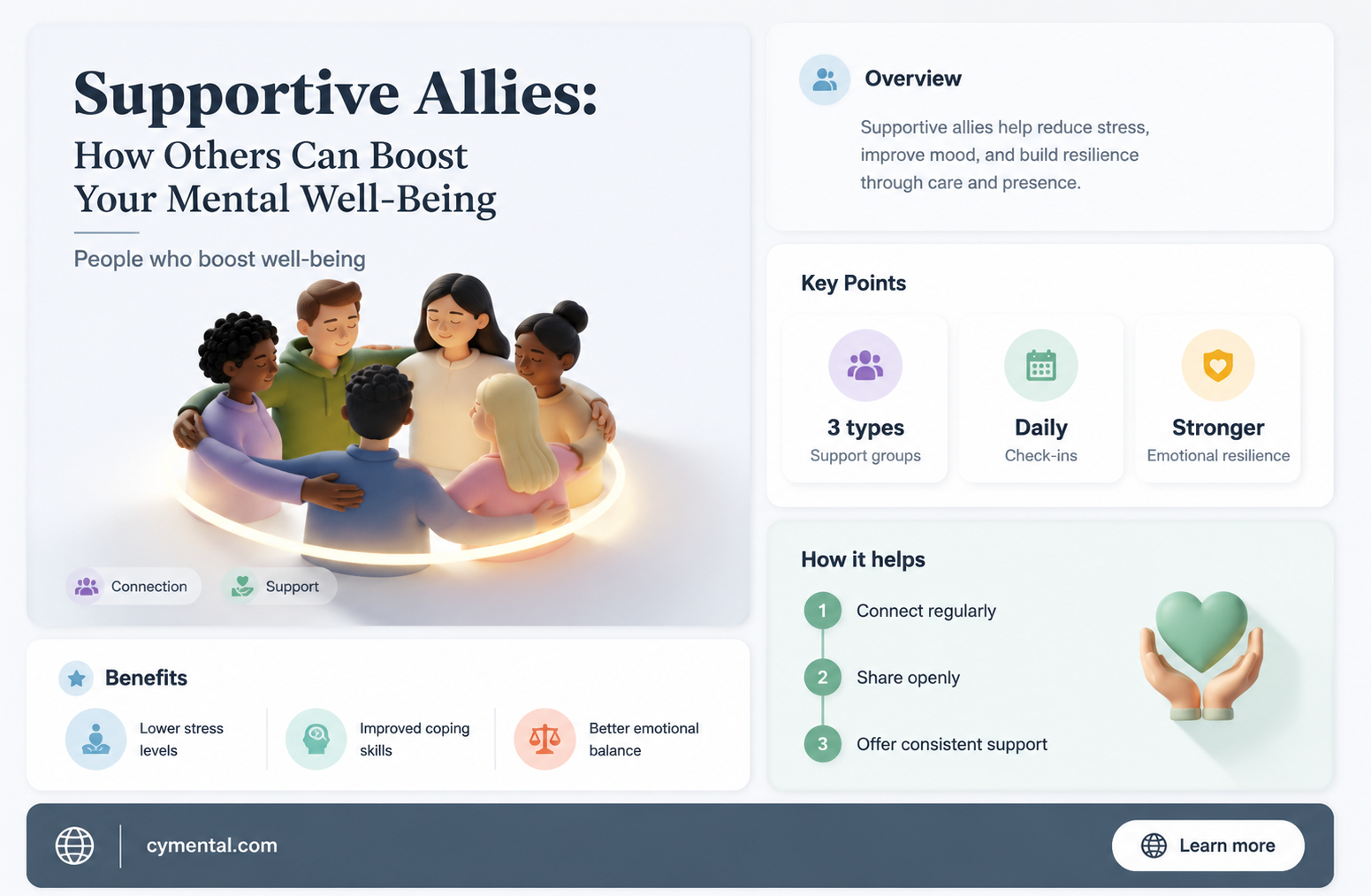
Seeking support from others can significantly improve mental health, as human connection and external perspectives often provide comfort, guidance, and practical assistance. Whether it’s a trusted friend, family member, therapist, or support group, having someone to listen, validate emotions, and offer encouragement can alleviate feelings of isolation and overwhelm. Others can help by providing accountability, sharing coping strategies, or simply creating a safe space for expression. Additionally, professional help, such as therapy or counseling, offers specialized tools and insights to address underlying issues. Ultimately, allowing others to contribute to your mental well-being fosters a sense of community and reminds you that you don’t have to face challenges alone.
Explore related products


What You'll Learn
- Therapy & Counseling: Professional guidance to process emotions, develop coping strategies, and improve mental well-being
- Social Support: Friends, family, or groups offering understanding, encouragement, and a sense of belonging
- Practical Assistance: Help with daily tasks reduces stress, freeing mental energy for self-care
- Accountability Partners: Someone to motivate, track progress, and keep you committed to mental health goals
- Crisis Intervention: Immediate support from trained individuals during severe mental health episodes

Therapy & Counseling: Professional guidance to process emotions, develop coping strategies, and improve mental well-being
Professional therapy and counseling are not just for crises; they are proactive tools for mental health maintenance. Consider this: just as regular exercise strengthens physical health, consistent sessions with a trained therapist can fortify emotional resilience. Unlike self-help books or online advice, therapy offers personalized strategies tailored to your unique experiences and challenges. For instance, cognitive-behavioral therapy (CBT) has been shown to reduce symptoms of anxiety and depression in 50–75% of cases, often within 12–20 sessions. This structured approach helps identify and reframe negative thought patterns, providing tangible skills to manage stress and improve well-being.
The therapeutic process begins with a safe, nonjudgmental space to explore emotions that may feel overwhelming or taboo. A skilled therapist acts as a guide, helping you navigate complex feelings like grief, anger, or shame without the pressure to "fix" them immediately. For example, dialectical behavior therapy (DBT) teaches mindfulness and emotional regulation techniques, particularly effective for individuals with borderline personality disorder or chronic suicidal ideation. These tools are not one-size-fits-all; they are adapted to your pace and needs, ensuring you feel supported rather than rushed.
One common misconception is that therapy requires you to relive traumatic experiences repeatedly. In reality, modern approaches like eye movement desensitization and reprocessing (EMDR) or somatic therapy focus on processing trauma without prolonged exposure. EMDR, for instance, uses bilateral stimulation (such as eye movements) to help the brain reprocess distressing memories, often in as few as 6–12 sessions. This method is particularly beneficial for those who find traditional talk therapy insufficient for addressing deep-seated trauma.
Engaging in therapy also fosters self-awareness, a cornerstone of mental well-being. Through guided reflection, you can uncover patterns in your behavior, relationships, or thought processes that may be hindering your growth. For example, couples counseling often employs the Gottman Method, which uses evidence-based techniques to improve communication and resolve conflicts. By learning to express needs clearly and listen actively, partners can rebuild trust and strengthen their bond.
Finally, therapy is an investment in long-term mental health, not a quick fix. While it may feel vulnerable to share personal struggles with a stranger, the relationship between therapist and client is built on trust and confidentiality. Over time, this alliance becomes a source of strength, empowering you to face challenges with confidence. Whether you’re seeking relief from acute distress or aiming to enhance your emotional intelligence, professional guidance can provide the clarity and tools needed to thrive. Start by researching therapists who specialize in your concerns, and remember: asking for help is a sign of courage, not weakness.
Physician Assistants: Vital Allies in Mental Health Care and Support
You may want to see also
Explore related products





Social Support: Friends, family, or groups offering understanding, encouragement, and a sense of belonging
Human connection is a powerful antidote to mental health struggles. Studies consistently show that individuals with strong social support networks experience lower rates of depression, anxiety, and stress. This isn't merely about having people around; it's about the quality of those connections.
Consider the difference between a superficial acquaintance and a close friend who truly listens. The latter offers a safe space to express vulnerabilities without fear of judgment. This act of being heard and understood fosters a sense of validation and reduces feelings of isolation, which are common companions to mental health challenges.
A 2019 study published in the *Journal of Consulting and Clinical Psychology* found that individuals with supportive social networks were more likely to engage in healthy coping mechanisms and less likely to resort to harmful behaviors during stressful periods.
Building a supportive network doesn't happen overnight. It requires intentionality. Start by identifying individuals in your life who demonstrate empathy, active listening, and non-judgmental attitudes. Cultivate these relationships through regular communication, shared activities, and genuine expressions of appreciation.
Don't underestimate the power of community groups. Support groups, hobby clubs, or even online forums can connect you with individuals who share similar experiences or interests. These connections provide a sense of belonging and remind you that you're not alone in your struggles.
Remember, social support is a two-way street. Be willing to offer encouragement and understanding to others as well. This reciprocity strengthens bonds and creates a network of mutual support, benefiting everyone involved.
Supporting Mental Health: Practical Ways to Help Loved Ones Heal
You may want to see also
Explore related products


Practical Assistance: Help with daily tasks reduces stress, freeing mental energy for self-care
Daily life is a tapestry of tasks, from the mundane to the meaningful. When mental health struggles cloud your focus, even simple chores can feel insurmountable. This is where practical assistance from others becomes a powerful tool for recovery. By sharing the burden of daily tasks, loved ones or hired help can significantly reduce stress levels, freeing up precious mental energy for self-care and healing.
Imagine a single parent battling depression, overwhelmed by the demands of work, childcare, and household chores. A partner taking over grocery shopping and meal preparation, or a friend offering to pick up the kids from school, provides tangible relief. This practical support allows the parent to focus on therapy sessions, mindfulness practices, or simply resting, all crucial for managing their mental health.
The impact of practical assistance extends beyond immediate stress reduction. It fosters a sense of connection and support, combating the isolating effects of mental illness. Knowing that someone cares enough to help with concrete tasks can be incredibly validating and uplifting. This sense of community and shared responsibility can be a powerful antidote to the loneliness and hopelessness often associated with mental health struggles.
For maximum effectiveness, practical assistance should be tailored to individual needs. Some may benefit from regular, scheduled help with specific tasks, while others might prefer occasional support during particularly challenging periods. Open communication is key; clearly express your needs and preferences to ensure the help received is truly helpful. Remember, accepting assistance is not a sign of weakness but a courageous step towards prioritizing your well-being.
It's important to note that practical assistance doesn't have to be grand gestures. Small acts of kindness, like a neighbor walking your dog or a colleague covering your shift, can make a significant difference. Even offering to listen without judgment or simply checking in regularly can provide valuable emotional support. By recognizing the cumulative impact of these small acts, we can build a network of support that strengthens mental health and fosters resilience.
Emergency Interventions: Boosting Mental Health in Crisis Situations?
You may want to see also
Explore related products




Accountability Partners: Someone to motivate, track progress, and keep you committed to mental health goals
Human connection is a powerful tool in the journey toward better mental health. Among the various ways others can support us, accountability partners stand out as a practical and effective strategy. These individuals serve as motivators, progress trackers, and commitment anchors, helping us stay on course with our mental health goals.
Consider the mechanics of accountability partnerships. They thrive on mutual trust and clear communication. Start by identifying someone who embodies qualities like empathy, reliability, and non-judgmental support. This could be a friend, family member, or even a peer from a support group. Define your mental health goals together—whether it’s sticking to a therapy routine, practicing mindfulness daily, or reducing stress triggers. Agree on a check-in schedule, such as weekly 15-minute conversations or daily text updates. Tools like shared calendars, habit-tracking apps, or journals can streamline progress monitoring. For instance, if your goal is to meditate for 10 minutes daily, a shared app like *Habitica* can visually represent your consistency.
The psychological benefits of accountability partners are rooted in behavioral science. Social psychologist Dr. Albert Bandura’s theory of self-efficacy suggests that seeing progress and receiving encouragement boosts belief in one’s ability to achieve goals. Accountability partners amplify this by providing external validation and constructive feedback. For example, if you miss a therapy session, they can gently inquire about barriers and help brainstorm solutions rather than letting the lapse slide. Over time, this dynamic fosters a sense of responsibility and resilience, turning sporadic efforts into sustainable habits.
However, accountability partnerships require boundaries and balance. Avoid letting the relationship become overly intrusive or one-sided. Set ground rules, such as focusing on actionable steps rather than emotional venting, unless both parties are comfortable with that role. Be mindful of the partner’s capacity—they are supporters, not therapists. If the arrangement feels strained, reassess and adjust. For instance, if daily check-ins become overwhelming, shift to bi-weekly meetings with more structured agendas.
In practice, accountability partners can be particularly transformative for specific mental health goals. For someone managing anxiety, a partner might help track the frequency of panic attacks and celebrate reductions. For someone battling depression, they could encourage small daily wins, like completing a chore or reaching out to a friend. The key is tailoring the partnership to the individual’s needs, ensuring it remains supportive rather than burdensome.
Ultimately, accountability partners are not a cure-all but a complementary strategy in the mental health toolkit. Their value lies in their ability to humanize the often isolating process of self-improvement. By combining motivation, structure, and empathy, they help turn abstract goals into tangible progress, proving that sometimes, the best way to care for ourselves is to let someone else care with us.
Talking Therapy: Unlocking Mental Health Benefits Through Conversation
You may want to see also
Explore related products


Crisis Intervention: Immediate support from trained individuals during severe mental health episodes
In moments of acute mental health crisis, the presence of a trained crisis intervention specialist can be the difference between escalation and de-escalation. These professionals are equipped with specific techniques to address severe episodes, such as suicidal ideation, panic attacks, or psychotic breaks. Unlike general support, crisis intervention is time-sensitive and structured, often following protocols like the Assessment, Crisis Management, and Referral (ACMR) model. For instance, during a suicidal crisis, a specialist might employ the Columbia-Suicide Severity Rating Scale to assess risk and tailor immediate interventions, such as safety planning or hospitalization referrals. This targeted approach ensures that the individual receives the right support at the right time, preventing long-term harm.
Consider the steps involved in crisis intervention as a lifeline thrown to someone drowning in emotional turmoil. First, the specialist establishes rapport, using active listening and empathy to build trust. Next, they assess the situation, identifying immediate risks and triggers. For example, if someone is experiencing a severe panic attack, the specialist might guide them through diaphragmatic breathing exercises, reducing hyperventilation and calming the nervous system. This is followed by stabilization, where the specialist helps the individual regain a sense of control, often through grounding techniques like the 5-4-3-2-1 method (naming five things you see, four you can touch, etc.). Finally, the specialist connects the individual to ongoing resources, such as therapy or support groups, ensuring continuity of care.
While crisis intervention is invaluable, it’s not without challenges. One common misconception is that these specialists “fix” the problem on the spot. In reality, their role is to provide immediate relief and a bridge to long-term treatment. Another caution is the potential for re-traumatization if the intervention is not handled sensitively. For instance, pressing someone to talk about their trauma without consent can worsen their distress. To avoid this, specialists are trained to respect boundaries and proceed at the individual’s pace. Additionally, not all crises require the same level of intervention; a teenager experiencing a first-time panic attack may need different support than an adult with chronic PTSD. Tailoring the approach to the individual’s age, history, and severity of the episode is critical.
The effectiveness of crisis intervention lies in its immediacy and specificity. Research shows that timely interventions reduce the likelihood of hospitalization and long-term psychological damage. For example, a study published in *Psychiatric Services* found that individuals who received crisis intervention were 50% less likely to attempt suicide within the following six months. Practical tips for accessing this support include knowing local crisis hotlines (e.g., the National Suicide Prevention Lifeline at 988 in the U.S.) and mobile crisis units, which can dispatch specialists to your location. For caregivers or bystanders, recognizing warning signs—such as sudden withdrawal, aggressive behavior, or explicit threats of self-harm—can prompt timely intervention. Crisis intervention is not a replacement for therapy or medication but a vital tool in the mental health toolkit, offering a beacon of hope in the darkest moments.
Running for Mental Health: How Lacing Up Boosts Your Mind
You may want to see also
Frequently asked questions
A therapist or counselor provides professional guidance, evidence-based strategies, and a safe space to explore thoughts and emotions. They help identify patterns, develop coping skills, and address underlying issues to improve mental well-being.
Friends and family can offer emotional support, active listening, and encouragement. They can help reduce feelings of isolation, provide practical assistance, and remind you that you’re not alone in your struggles.
A support group connects you with others who share similar experiences, reducing feelings of isolation. It provides a sense of community, practical advice, and validation, fostering understanding and healing.
Yes, a mental health advocate or peer supporter can offer firsthand experience, guidance, and resources. They provide empathy, help you access services, and empower you to advocate for your own needs.