Noah Parker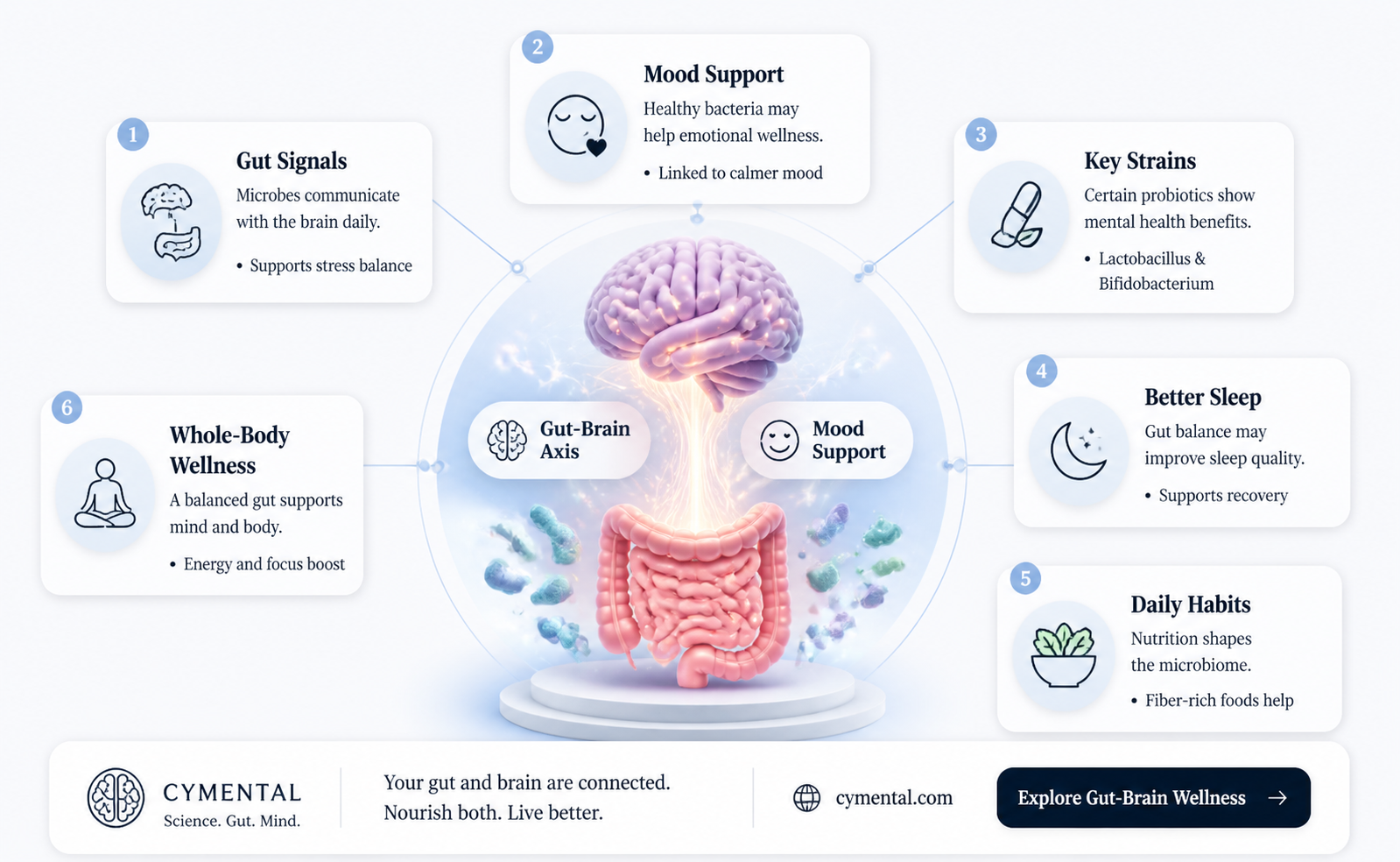
Probiotics, often referred to as good bacteria, have long been recognized for their role in supporting gut health, but emerging research suggests they may also have a significant impact on mental health. The gut-brain axis, a bidirectional communication system between the gastrointestinal tract and the central nervous system, highlights how the microbiome can influence mood, stress, and cognitive function. Studies have shown that certain probiotic strains may help reduce symptoms of anxiety, depression, and stress by modulating neurotransmitter production, reducing inflammation, and improving the gut barrier. While the field is still evolving, the potential of probiotics as a complementary approach to mental health treatment is gaining attention, offering a promising avenue for further exploration.
| Characteristics | Values |
|---|---|
| Mechanism of Action | Probiotics may influence mental health via the gut-brain axis, modulating neurotransmitter production (e.g., serotonin, GABA), reducing inflammation, and improving gut barrier function. |
| Clinical Evidence | Emerging studies suggest probiotics (e.g., Lactobacillus and Bifidobacterium strains) may reduce symptoms of anxiety, depression, and stress in certain populations, though results are mixed and often limited to small-scale trials. |
| Specific Strains | Strains like Lactobacillus rhamnosus (JB-1), Bifidobacterium longum (R0175), and Lactobacillus helveticus (R0052) have shown potential in improving mood and reducing stress in preclinical and clinical studies. |
| Population Impact | Effects are more pronounced in individuals with pre-existing mental health conditions or gut dysbiosis, but less consistent in healthy populations. |
| Limitations | Lack of standardized dosing, strain-specific effects, and variability in study designs hinder conclusive evidence. Larger, long-term trials are needed. |
| Safety | Generally considered safe, though rare cases of infections or adverse reactions have been reported in immunocompromised individuals. |
| Future Research | Focus on personalized probiotics, combination therapies, and understanding the microbiome-mental health link in diverse populations. |
| Current Consensus | Probiotics show promise as a complementary approach to mental health, but should not replace conventional treatments. Further research is required to establish efficacy and optimal use. |
Explore related products




What You'll Learn
- Gut-brain axis connection and probiotics' role in mental health
- Probiotics' impact on reducing anxiety and stress levels
- Effect of probiotics on depression symptoms and mood regulation
- Probiotics and their influence on cognitive function and clarity
- Strains of probiotics specifically linked to mental health benefits

Gut-brain axis connection and probiotics' role in mental health
The gut-brain axis is a bidirectional communication network linking the central nervous system with the gastrointestinal tract, influencing everything from mood to cognitive function. This connection is mediated by neural, hormonal, and immunological pathways, with the microbiome—trillions of gut bacteria—playing a pivotal role. Research shows that imbalances in gut microbiota (dysbiosis) correlate with mental health disorders like anxiety, depression, and even neurodegenerative diseases. Probiotics, beneficial bacteria introduced through supplements or fermented foods, have emerged as a potential intervention to modulate this axis and improve mental health outcomes.
Consider the mechanism: probiotics can produce neurotransmitters such as serotonin and GABA, which are critical for mood regulation. For instance, *Lactobacillus* and *Bifidobacterium* strains have been shown to reduce cortisol levels and improve emotional processing in clinical trials. A 2019 study published in *Psychopharmacology* found that participants taking a multi-strain probiotic for four weeks reported significantly lower stress levels compared to a placebo group. Practical application involves selecting probiotic supplements with specific strains like *Lactobacillus rhamnosus* GG or *Bifidobacterium longum*, typically dosed at 1–10 billion CFUs daily for adults. Consistency is key, as changes in mental health markers may take 4–8 weeks to manifest.
However, not all probiotics are created equal. Strain specificity matters—while *Lactobacillus helveticus* and *Bifidobacterium longum* have demonstrated anxiolytic effects, other strains may have no impact or even exacerbate symptoms in certain individuals. Age and health status also influence efficacy; for example, older adults may require higher doses due to age-related microbiome changes, while those with irritable bowel syndrome (IBS) often experience more pronounced mental health benefits due to the gut-brain overlap in symptomology. Pairing probiotics with prebiotic fibers (e.g., inulin or chicory root) can enhance their efficacy by promoting microbial growth.
A comparative analysis highlights the limitations: probiotics are not a standalone cure for mental health disorders but a complementary tool. They work best alongside traditional therapies like cognitive-behavioral therapy (CBT) and medication. For instance, a 2021 meta-analysis in *JAMA Psychiatry* found that probiotics reduced depression scores by 15–20% when used adjunctively, but had minimal effect as monotherapy. Cost and accessibility are additional considerations; high-quality probiotic supplements range from $20–$50 monthly, and dietary sources like kefir or sauerkraut may be more affordable but less standardized.
In practice, integrating probiotics into a mental health regimen requires a tailored approach. Start with a single-strain probiotic for 4 weeks, monitor symptoms using a mood diary, and adjust based on response. Avoid probiotics containing prebiotics if you have small intestinal bacterial overgrowth (SIBO), as they can worsen symptoms. For children, consult a pediatrician, as dosing and strains differ—*Lactobacillus rhamnosus* GG, for example, is safe and effective for pediatric anxiety at 5 billion CFUs daily. The takeaway? The gut-brain axis offers a promising avenue for mental health intervention, but probiotics are a precision tool, not a panacea.
Cooking for Calm: How Kitchen Therapy Boosts Mental Well-Being
You may want to see also
Explore related products


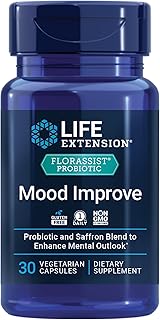


Probiotics' impact on reducing anxiety and stress levels
The gut-brain axis is a bidirectional communication system linking the gastrointestinal tract and the central nervous system, suggesting that gut health significantly influences mental well-being. Probiotics, often referred to as "good bacteria," play a pivotal role in maintaining this balance. Studies have shown that certain strains, such as *Lactobacillus* and *Bifidobacterium*, can reduce anxiety and stress levels by modulating neurotransmitter production and lowering cortisol, the body’s primary stress hormone. For instance, a 2019 study published in *General Psychiatry* found that participants who consumed probiotic supplements for 8 weeks experienced a notable decrease in anxiety symptoms compared to a placebo group.
To harness these benefits, consider incorporating probiotic-rich foods like yogurt, kefir, sauerkraut, or kimchi into your daily diet. Alternatively, supplements containing strains like *Lactobacillus rhamnosus* or *Bifidobacterium longum* can be effective, with dosages typically ranging from 1 to 10 billion CFUs (colony-forming units) per day. However, consistency is key—results may take 4 to 6 weeks to manifest. For those under chronic stress or with anxiety disorders, combining probiotics with prebiotic fibers (found in garlic, onions, and bananas) can enhance their efficacy by promoting the growth of beneficial bacteria.
While probiotics show promise, they are not a one-size-fits-all solution. Individual responses vary based on factors like gut microbiome composition, age, and overall health. For example, older adults may require higher doses due to age-related changes in gut flora, while children should consult a pediatrician before starting supplementation. Additionally, probiotics should complement, not replace, evidence-based treatments like therapy or medication for anxiety and stress management.
A practical tip for maximizing probiotic benefits is to pair them with a balanced diet and stress-reduction techniques like mindfulness or exercise. Avoid consuming probiotics with hot beverages or antibiotics, as heat and certain medications can diminish their effectiveness. By integrating probiotics thoughtfully into your routine, you can support both gut and mental health, potentially reducing anxiety and stress levels in a holistic, science-backed way.
Bilingual Brains: Can Language Learning Aid Mental Health Disorders?
You may want to see also
Explore related products





Effect of probiotics on depression symptoms and mood regulation
Emerging research suggests a compelling link between gut health and mental well-being, with probiotics emerging as a potential tool in managing depression symptoms and mood disorders. This gut-brain connection, often referred to as the "gut-brain axis," highlights the bidirectional communication between the gastrointestinal tract and the central nervous system. Probiotics, live microorganisms known for their beneficial effects on gut health, are now being investigated for their role in influencing this axis and, consequently, mental health.
The Science Behind the Connection:
Studies have shown that the gut microbiome, a complex community of microorganisms residing in our intestines, plays a crucial role in regulating mood and behavior. Imbalances in this microbiome have been linked to various mental health disorders, including depression and anxiety. Probiotics, by introducing beneficial bacteria, aim to restore this balance. Certain strains, such as *Lactobacillus* and *Bifidobacterium*, have shown promise in reducing inflammation and producing neurotransmitters like serotonin, often referred to as the 'feel-good' hormone, which is crucial for mood regulation.
Clinical Evidence and Findings:
A 2019 meta-analysis of randomized controlled trials revealed that probiotic supplementation significantly reduced depression and anxiety symptoms in clinical populations. Another study published in the *Journal of Psychiatric Research* found that a multi-strain probiotic formulation improved mood and reduced cognitive reactivity to sad stimuli in healthy volunteers. These findings suggest that probiotics may not only benefit those with diagnosed mental health conditions but could also have a positive impact on the general population's mood and emotional resilience.
Practical Considerations and Recommendations:
Incorporating probiotics into a mental health management plan should be done thoughtfully. Here are some practical tips:
- Strain Specificity: Different probiotic strains have varying effects. Look for products containing strains like Lactobacillus helveticus and Bifidobacterium longum, which have shown positive results in mood-related studies.
- Dosage and Consistency: Start with a low dosage and gradually increase, as recommended by a healthcare professional. Consistency is key; regular intake over several weeks is necessary to observe potential benefits.
- Dietary Synergy: Probiotics work best in a supportive gut environment. Combine supplementation with a fiber-rich diet to promote the growth of beneficial bacteria.
- Age and Health Considerations: While generally safe, specific probiotic strains and dosages may vary for different age groups and health conditions. Consult a healthcare provider for personalized advice.
The potential of probiotics in mental health care is an exciting development, offering a natural and accessible approach to mood regulation. However, it is essential to approach this as a complementary strategy, not a standalone cure. Further research is needed to establish optimal protocols, but the current evidence encourages a holistic view of mental well-being, where nurturing the gut may indeed contribute to a healthier mind.
Reporting Mental Health Associations: When Help Falls Short, What Next?
You may want to see also
Explore related products

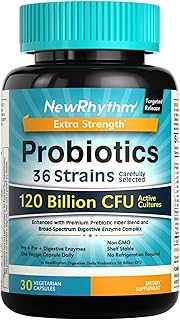
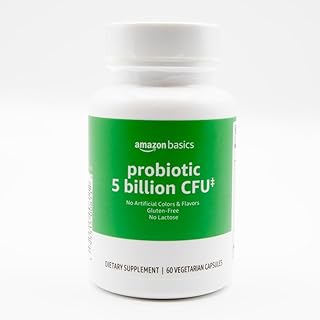


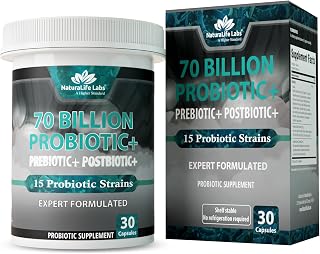
Probiotics and their influence on cognitive function and clarity
The gut-brain axis is a bidirectional communication network linking the gastrointestinal tract and the central nervous system. Probiotics, often referred to as "good bacteria," play a pivotal role in modulating this connection. Research suggests that specific strains, such as *Lactobacillus* and *Bifidobacterium*, can influence neurotransmitter production, reduce inflammation, and improve the integrity of the gut barrier. These mechanisms collectively contribute to enhanced cognitive function and mental clarity. For instance, a study published in *Frontiers in Aging Neuroscience* found that participants who consumed a probiotic supplement for 12 weeks showed improved cognitive performance compared to a placebo group.
To harness the cognitive benefits of probiotics, consider incorporating them into your daily routine with precision. Start with a high-quality supplement containing at least 10 billion CFUs (colony-forming units) of clinically studied strains. For adults, a daily dose of 10–30 billion CFUs is generally recommended, though individual needs may vary. Pair probiotics with prebiotic-rich foods like garlic, bananas, and chicory root to nourish the beneficial bacteria. Consistency is key—results may take 4–6 weeks to manifest. Avoid overheating probiotic-rich foods like yogurt or kefir, as high temperatures can kill the live cultures.
While probiotics show promise, their effectiveness on cognitive function can vary based on age, health status, and existing gut microbiota. Older adults, for example, may experience more pronounced benefits due to age-related changes in gut diversity. Conversely, individuals with conditions like irritable bowel syndrome (IBS) might require tailored strains to address both gut and cognitive symptoms. A comparative analysis in *Nutrients* highlighted that *Bifidobacterium breve* was particularly effective in reducing anxiety and improving memory in stressed adults. Always consult a healthcare provider to determine the most suitable probiotic regimen for your specific needs.
Practical tips for maximizing probiotic impact include timing and lifestyle adjustments. Take probiotics on an empty stomach, ideally 30 minutes before a meal, to ensure survival through stomach acid. Pair supplementation with stress-reducing practices like mindfulness or yoga, as chronic stress can disrupt gut balance. Limit antibiotic use when possible, as they can deplete beneficial bacteria, and if necessary, double your probiotic intake during and after antibiotic treatment. Finally, track your cognitive changes—improved focus, reduced brain fog, or enhanced mood—to gauge the effectiveness of your probiotic regimen. This proactive approach can transform probiotics from a supplement into a strategic tool for cognitive enhancement.
Strategies to Foster Mental Resilience and Prevent Psychological Disorders
You may want to see also
Explore related products



Strains of probiotics specifically linked to mental health benefits
Probiotics, often hailed for gut health, have emerged as potential allies in mental well-being. Among the myriad strains, specific ones stand out for their psychobiotic properties—their ability to influence the gut-brain axis. Lactobacillus helveticus and Bifidobacterium longum, for instance, have been clinically studied for their role in reducing anxiety and depression symptoms. A 2011 study published in the *British Journal of Nutrition* found that participants consuming these strains reported lower stress levels and improved mood compared to a placebo group. This highlights the strain-specific nature of probiotic benefits, emphasizing that not all probiotics are created equal when it comes to mental health.
For those seeking practical application, Lactobacillus rhamnosus (JB-1) is another standout strain. Research in *Gastroenterology* (2015) demonstrated its ability to modulate GABA receptors in the brain, reducing anxiety-like behavior in mice. While human studies are still evolving, preliminary findings suggest a daily dose of 1–10 billion CFUs could be beneficial for adults. However, it’s crucial to consult a healthcare provider, especially for individuals on medication or with underlying conditions, as probiotics can interact with certain drugs.
A comparative analysis reveals that Bifidobacterium breve and Bifidobacterium infantis also show promise. The former has been linked to improved cognitive function and reduced cortisol levels in stressed adults, while the latter is noted for its anti-inflammatory effects, which may indirectly support mental health. These strains are often found in multi-strain probiotic supplements, but single-strain formulations are available for targeted use. For children and adolescents, Bifidobacterium bifidum has shown potential in early studies, though dosages should be age-adjusted and supervised by a pediatrician.
Incorporating these strains into your routine requires more than just popping a pill. Pairing probiotics with prebiotic-rich foods like garlic, bananas, or chicory root can enhance their efficacy by fostering a favorable gut environment. Additionally, consistency is key—benefits often manifest after 4–8 weeks of regular use. While probiotics are generally safe, starting with a lower dose and gradually increasing can minimize potential side effects like bloating or gas.
The takeaway? Strain specificity matters in the realm of psychobiotics. Whether you’re exploring Lactobacillus helveticus for stress reduction or Bifidobacterium longum for mood enhancement, evidence-based choices can maximize potential mental health benefits. As research advances, these microbial allies may become integral to holistic mental health strategies, bridging the gap between gut and brain in unprecedented ways.
Affordable Mental Health Support: Finding Accessible Care Within Your Budget
You may want to see also
Frequently asked questions
Yes, emerging research suggests probiotics can positively impact mental health by supporting the gut-brain axis, potentially reducing symptoms of anxiety, depression, and stress.
Probiotics may reduce anxiety and improve mood by regulating neurotransmitters like serotonin, reducing inflammation, and promoting a healthy gut microbiome, which communicates with the brain.
Yes, strains like *Lactobacillus* and *Bifidobacterium* have shown promise in studies for improving mental health, though more research is needed to identify the most effective strains.
No, probiotics should not replace prescribed medications. They may complement treatment but should be used under professional guidance for mental health conditions.
Effects vary, but some studies show improvements in mood and anxiety within 4–8 weeks of consistent probiotic use. Individual responses may differ based on factors like dosage and gut health.