Madison Cole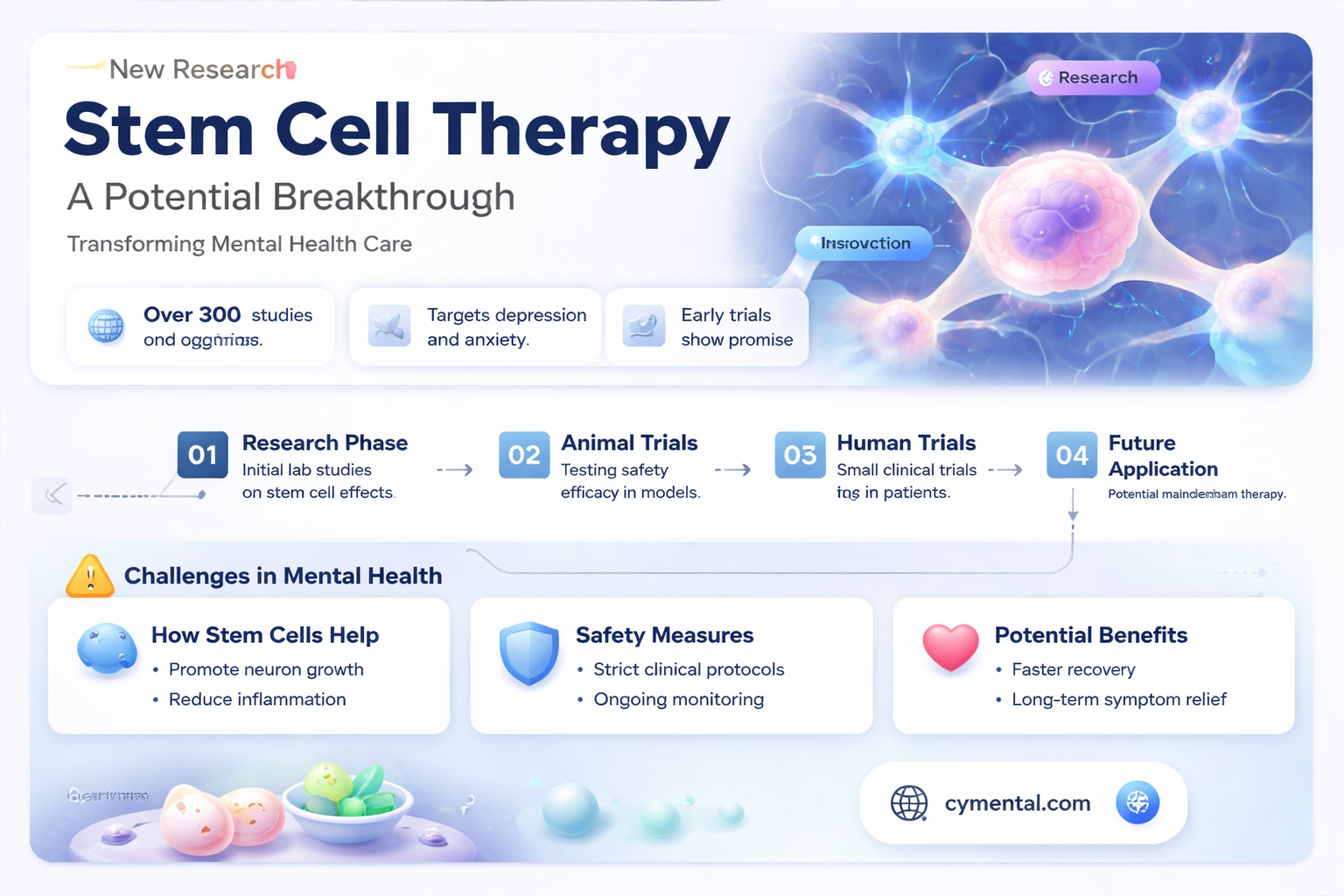
Stem cell therapy has emerged as a promising avenue in the treatment of various medical conditions, and its potential application in mental illness is a topic of growing interest and research. Mental health disorders, such as depression, anxiety, schizophrenia, and bipolar disorder, affect millions worldwide, often with limited treatment options for those who do not respond to conventional therapies. Stem cell therapy, which involves the use of stem cells to repair or replace damaged tissues, is being explored for its ability to regenerate neural circuits, reduce inflammation, and promote neuroplasticity in the brain. Early studies suggest that stem cells, particularly mesenchymal stem cells, may offer neuroprotective and immunomodulatory effects, potentially alleviating symptoms of mental illness. However, the field is still in its infancy, with ongoing research aiming to understand the mechanisms, safety, and long-term efficacy of this innovative approach. As scientists continue to investigate, stem cell therapy holds the potential to revolutionize mental health treatment, offering hope for individuals with treatment-resistant conditions.
Explore related products


What You'll Learn
- Stem cell therapy for depression: Potential benefits and risks
- Treating schizophrenia with stem cells: Current research and findings
- Stem cells in anxiety disorders: Mechanisms and clinical trials
- Neurogenesis and mental health: Role of stem cell therapy
- Ethical considerations in stem cell use for psychiatric disorders

Stem cell therapy for depression: Potential benefits and risks
Depression, a pervasive mental health condition affecting millions globally, has long challenged conventional treatment approaches. Stem cell therapy, once confined to physical ailments, is now being explored as a potential breakthrough for this debilitating disorder. Early studies suggest that stem cells, particularly mesenchymal stem cells (MSCs), may modulate neuroinflammation, promote neurogenesis, and restore neurotransmitter balance—key factors implicated in depression. For instance, a 2021 pilot study published in *Molecular Psychiatry* demonstrated that intravenous infusion of MSCs led to significant symptom reduction in treatment-resistant depression patients, with effects lasting up to six months. However, these findings remain preliminary, and larger, randomized trials are needed to confirm efficacy and safety.
Implementing stem cell therapy for depression requires careful consideration of dosage and administration. Current protocols typically involve a single infusion of 1–2 million MSCs per kilogram of body weight, delivered intravenously under medical supervision. Patients are monitored for adverse reactions, such as fever or allergic responses, though these are rare. Notably, this therapy is not recommended for individuals under 18, as the long-term effects on developing brains remain unknown. For adults, particularly those with treatment-resistant depression, stem cell therapy could offer a novel alternative when traditional antidepressants and psychotherapy fail. However, it is crucial to approach this treatment as a complement to, rather than a replacement for, existing mental health care strategies.
While the potential benefits of stem cell therapy for depression are compelling, the risks cannot be overlooked. One major concern is the possibility of tumorigenesis, as stem cells can differentiate into various cell types, including cancerous ones. Additionally, the immune system may reject transplanted cells, leading to inflammation or other complications. Ethical considerations also arise, particularly regarding the sourcing of stem cells, with MSCs typically derived from bone marrow, adipose tissue, or umbilical cord blood. Patients must weigh these risks against the potential for life-changing improvement, ideally under the guidance of a multidisciplinary team including psychiatrists, neurologists, and stem cell specialists.
Comparatively, stem cell therapy for depression stands apart from traditional treatments like SSRIs or electroconvulsive therapy (ECT) in its mechanism of action. While SSRIs target neurotransmitter imbalances and ECT induces controlled seizures to reset brain activity, stem cell therapy aims to repair underlying neural damage and restore brain function at a cellular level. This regenerative approach holds promise for addressing the root causes of depression rather than merely alleviating symptoms. However, its high cost—often ranging from $10,000 to $30,000 per treatment—and limited accessibility remain significant barriers. As research progresses, efforts to standardize protocols and reduce costs could make this therapy more viable for a broader population.
In conclusion, stem cell therapy for depression represents a frontier in mental health treatment, offering hope for those who have exhausted conventional options. Its potential to address neurobiological deficits at their source is unparalleled, but the risks and logistical challenges demand cautious optimism. Patients and clinicians alike must stay informed, relying on evidence-based practices as this field evolves. While not yet a mainstream solution, stem cell therapy underscores the transformative possibilities of regenerative medicine in tackling one of humanity’s most pressing health issues.
Logic's Role in Managing Mental Illness: A Thoughtful Exploration
You may want to see also
Explore related products


Treating schizophrenia with stem cells: Current research and findings
Schizophrenia, a complex and often debilitating mental disorder, has long challenged researchers seeking effective treatments. Recent advancements in stem cell therapy offer a glimmer of hope, with studies exploring their potential to repair or replace damaged neural circuits. Current research focuses on using induced pluripotent stem cells (iPSCs), which are derived from patients’ own cells and reprogrammed to become neural progenitors. These cells can then be transplanted into the brain to potentially restore function in areas affected by schizophrenia, such as the prefrontal cortex and hippocampus. Early preclinical trials have shown promising results, with improvements in cognitive and behavioral symptoms in animal models.
One groundbreaking approach involves the use of iPSCs to model schizophrenia *in vitro*, allowing researchers to study the disorder’s underlying mechanisms in a controlled environment. By comparing neural cells derived from schizophrenia patients to those from healthy individuals, scientists have identified abnormalities in synaptic connectivity and neurotransmitter signaling. This has led to targeted therapies, such as the use of stem cell-derived neurons to test the efficacy of antipsychotic drugs. For instance, a 2022 study published in *Nature Neuroscience* demonstrated that iPSC-derived neurons from schizophrenia patients responded differently to clozapine, a common antipsychotic, compared to control neurons, highlighting the potential for personalized treatment strategies.
Translating these findings into clinical practice, however, presents significant challenges. One major hurdle is ensuring the survival and integration of transplanted stem cells into the brain’s complex architecture. Researchers are exploring techniques such as encapsulation in biocompatible materials or genetic modification to enhance cell resilience. Dosage is another critical factor; preliminary studies suggest that transplanting 1–2 million neural progenitor cells per kilogram of body weight may be optimal, though this varies based on disease severity and patient age. Clinical trials are currently underway, with Phase I studies focusing on safety and tolerability in adults aged 18–55.
Despite the promise, ethical and practical considerations cannot be overlooked. The high cost of stem cell therapy, coupled with the need for specialized facilities and expertise, limits accessibility. Additionally, long-term effects of neural transplantation remain unknown, necessitating rigorous monitoring for potential side effects, such as immune rejection or tumor formation. Patients and caregivers should approach this treatment as an experimental option, not a cure, and remain informed about ongoing research developments.
In conclusion, while stem cell therapy for schizophrenia is still in its infancy, current research provides a compelling rationale for its continued exploration. By combining cutting-edge stem cell technology with personalized medicine approaches, scientists aim to address the root causes of schizophrenia rather than merely managing symptoms. For those affected by this disorder, these advancements offer a cautious yet hopeful glimpse into a future where schizophrenia may be treated more effectively, if not cured. Practical steps for interested individuals include staying updated on clinical trial opportunities and consulting with mental health professionals who specialize in emerging therapies.
Personal Training: A Powerful Tool for Mental Health Improvement
You may want to see also
Explore related products


Stem cells in anxiety disorders: Mechanisms and clinical trials
Anxiety disorders, affecting over 284 million people globally, represent a significant mental health challenge. Stem cell therapy, once confined to physical ailments, is now being explored as a potential treatment for these disorders. The rationale lies in the ability of stem cells to differentiate into various cell types, including neurons, and their potential to modulate the immune system and promote neurogenesis—key factors implicated in anxiety pathophysiology.
Early preclinical studies have shown promising results. For instance, a 2019 study published in *Nature Neuroscience* demonstrated that transplantation of neural stem cells into the hippocampus of mice with anxiety-like behaviors led to a significant reduction in anxiety symptoms. This effect was attributed to increased neurogenesis and improved synaptic plasticity in the hippocampus, a brain region crucial for emotional regulation.
Translating these findings into clinical practice, however, presents significant challenges. Dosage and delivery methods are critical considerations. Intravenous administration, while less invasive, may result in limited cell survival and homing to the brain. Direct injection into the brain, while potentially more effective, carries inherent risks and ethical concerns. Furthermore, the optimal cell type (embryonic, induced pluripotent, or mesenchymal stem cells) and the ideal patient population (treatment-resistant anxiety, specific anxiety subtypes) remain under investigation.
Despite these challenges, several clinical trials are underway. A Phase I/II trial at the University of California, San Diego, is investigating the safety and efficacy of intravenous administration of allogeneic mesenchymal stem cells in patients with treatment-resistant generalized anxiety disorder. Another trial, conducted by the Shanghai Mental Health Center, is exploring the use of autologous bone marrow-derived mesenchymal stem cells in patients with post-traumatic stress disorder, a condition often co-occurring with anxiety.
While the field is still in its infancy, the potential of stem cell therapy for anxiety disorders is undeniable. As research progresses, refining treatment protocols, identifying optimal patient populations, and addressing safety concerns will be crucial. The hope is that this innovative approach will offer a new ray of hope for individuals struggling with the debilitating effects of anxiety, providing a path towards lasting relief and improved quality of life.
Empowering Change: Simple Ways You Can Make a Difference Today
You may want to see also
Explore related products


$14.99 $29.99


Neurogenesis and mental health: Role of stem cell therapy
Neurogenesis, the process of generating new neurons, is a critical biological mechanism that occurs primarily in the hippocampus, a brain region vital for learning, memory, and emotional regulation. Emerging research suggests that impaired neurogenesis may contribute to the pathophysiology of mental illnesses such as depression, anxiety, and schizophrenia. Stem cell therapy, particularly the use of neural stem cells (NSCs) or induced pluripotent stem cells (iPSCs), has emerged as a promising approach to enhance neurogenesis and potentially alleviate symptoms of these disorders. By replacing lost neurons or modulating the brain’s microenvironment, stem cell interventions aim to restore neural circuitry disrupted by mental illness.
Consider the case of major depressive disorder (MDD), where studies in animal models have shown that chronic stress reduces hippocampal neurogenesis, leading to depressive-like behaviors. Preclinical trials have demonstrated that transplantation of NSCs into the hippocampus can increase neurogenesis, improve synaptic plasticity, and reverse depressive symptoms. For instance, a 2021 study published in *Nature Biotechnology* reported that human iPSC-derived neurons, when transplanted into mice, integrated into the hippocampus and significantly reduced depression-like behaviors. While human trials are still in early phases, these findings suggest that stem cell therapy could offer a novel treatment avenue for treatment-resistant depression.
However, translating these findings into clinical practice requires careful consideration of safety and efficacy. One challenge is ensuring the survival and proper differentiation of transplanted stem cells. Researchers are exploring strategies such as genetic engineering to enhance cell resilience and the use of biomaterial scaffolds to support cell integration. Additionally, systemic administration of stem cells, rather than direct brain transplantation, is being investigated to minimize invasiveness. For example, intravenous infusion of mesenchymal stem cells (MSCs) has shown potential in modulating neuroinflammation and promoting neurogenesis in preclinical models of depression and anxiety.
Despite the promise, ethical and practical concerns must be addressed. The cost of stem cell therapies, potential immune rejection, and long-term effects on brain function remain significant hurdles. Patients considering stem cell therapy should consult with multidisciplinary teams, including neurologists, psychiatrists, and stem cell biologists, to weigh the risks and benefits. Clinical trials are ongoing, and participation in rigorously designed studies may provide access to cutting-edge treatments while contributing to scientific knowledge.
In conclusion, the intersection of neurogenesis and stem cell therapy offers a compelling paradigm for addressing mental health disorders. While the field is still in its infancy, early evidence supports the potential of stem cells to rejuvenate neural circuits and improve mental health outcomes. As research advances, personalized approaches—tailoring cell type, dosage, and delivery method to individual patient needs—may become feasible, heralding a new era in psychiatric treatment.
Medications for Mental Illness: A Helpful Treatment or Not?
You may want to see also
Explore related products



Ethical considerations in stem cell use for psychiatric disorders
Stem cell therapy for psychiatric disorders presents a frontier of hope, but its ethical landscape is fraught with challenges. One central concern is the vulnerability of the patient population. Individuals with severe mental illness often face impaired decision-making capacity, raising questions about informed consent. How can we ensure that patients fully understand the experimental nature of these treatments, potential risks like immune rejection or tumor formation, and the lack of long-term data? Standardized assessment tools and involvement of independent advocates could mitigate this risk, but their implementation requires careful design and oversight.
Another ethical dilemma lies in the source of stem cells. Embryonic stem cells, with their pluripotent potential, have shown promise in preclinical models of conditions like schizophrenia and depression. However, their use remains controversial due to the destruction of embryos. Alternatively, induced pluripotent stem cells (iPSCs), reprogrammed from adult cells, offer a seemingly ethical solution. Yet, the process of reprogramming carries its own risks, including genetic instability, which could lead to unforeseen consequences in the delicate brain environment. Balancing scientific progress with respect for life at all stages demands ongoing dialogue and potentially, the development of international ethical guidelines specific to psychiatric applications.
A critical aspect often overlooked is the potential for exploitation. The desperation for effective treatments in the face of treatment-resistant mental illness creates fertile ground for unscrupulous actors. Clinics offering unproven stem cell therapies, often at exorbitant costs, prey on vulnerable patients and their families. Rigorous regulation and public education are essential to combat this. Patients should be encouraged to seek treatments within the framework of clinical trials, where safety and efficacy are systematically monitored, and to be wary of claims that sound too good to be true.
Finally, the long-term implications of stem cell therapy for psychiatric disorders necessitate careful consideration. While the potential for neuronal regeneration and circuit repair is exciting, the brain's complexity means we are still deciphering the intricate interplay of genetics, environment, and experience in mental illness. Introducing stem cells into this delicate ecosystem could have unintended consequences, potentially altering personality, cognition, or emotional responses in ways we cannot yet predict. Longitudinal studies, spanning decades, will be crucial to understanding the full impact of these interventions, ensuring that the pursuit of healing does not inadvertently cause harm.
Meditation and Mental Health: A Powerful Tool for Healing?
You may want to see also
Frequently asked questions
Stem cell therapy is still in the experimental stage for mental illness and is not yet proven to be a cure. While some studies show potential benefits, more research is needed to establish its effectiveness and safety.
Research is exploring stem cell therapy for conditions like depression, bipolar disorder, schizophrenia, PTSD, and autism. However, these studies are preliminary, and the therapy is not yet approved for clinical use.
Stem cell therapy aims to repair or replace damaged brain cells, reduce inflammation, and promote neurogenesis (growth of new neurons). It is theorized to address underlying biological causes of mental illness, but the exact mechanisms are still being studied.
The safety of stem cell therapy for mental illness is not yet fully established. Potential risks include immune reactions, tumor formation, and unintended side effects. Only participate in clinical trials conducted by reputable institutions.
Stem cell therapy for mental illness is not widely available as a standard treatment. It is primarily offered in clinical trials or experimental settings. Be cautious of clinics offering unproven treatments, as they may be unsafe or fraudulent.