Lucas Bennett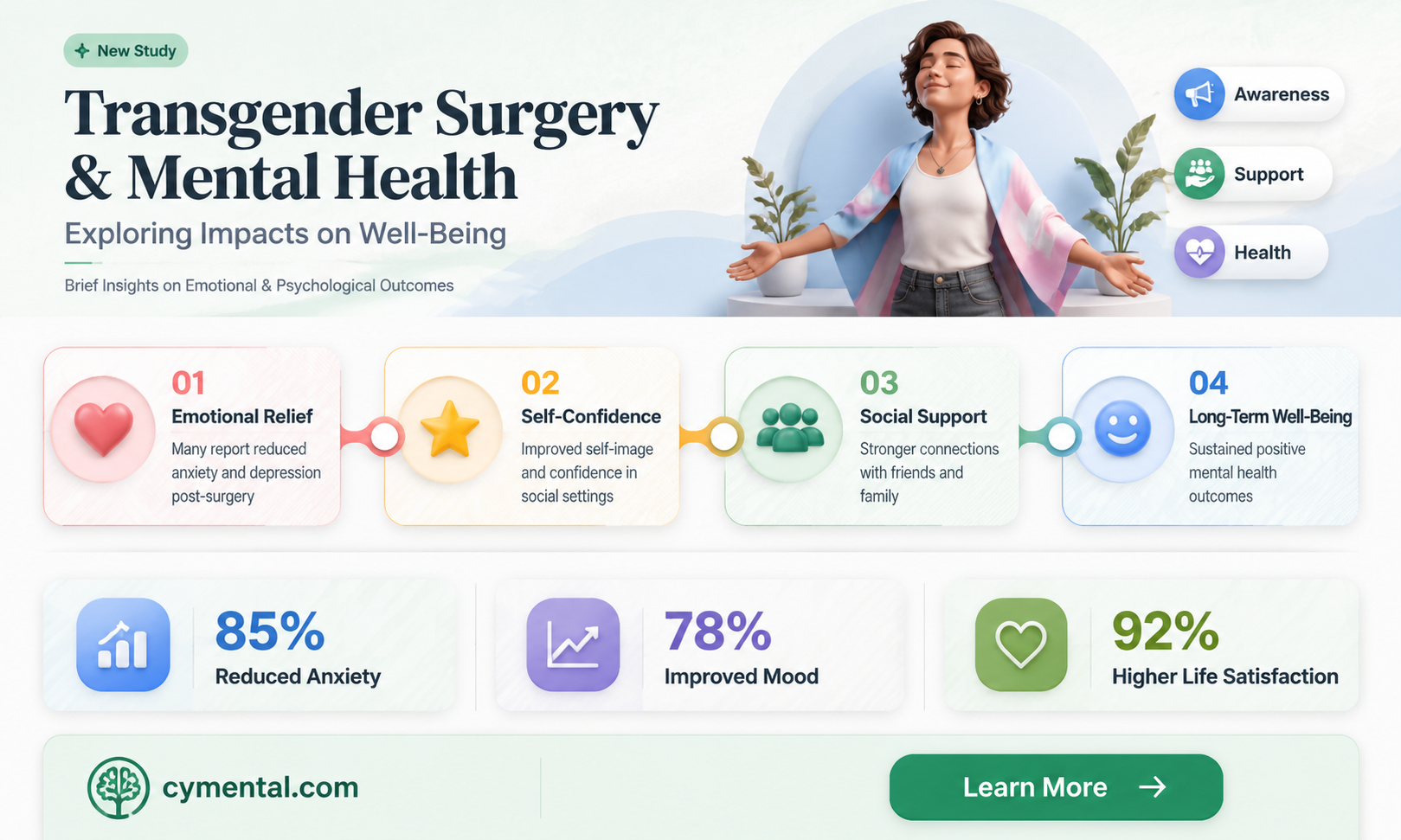
Transgender surgery, also known as gender-affirming surgery, has been a subject of extensive research and discussion regarding its impact on mental health. Many studies suggest that undergoing gender-affirming procedures can significantly improve the mental well-being of transgender individuals by alleviating gender dysphoria, reducing anxiety, and enhancing overall quality of life. These surgeries often align an individual’s physical appearance with their gender identity, fostering a sense of authenticity and self-acceptance. However, the effectiveness of such procedures can vary depending on factors like access to supportive healthcare, societal acceptance, and individual psychological needs. While many report profound positive changes, others may still face challenges, underscoring the importance of comprehensive mental health support before, during, and after transition-related care.
| Characteristics | Values |
|---|---|
| Improvement in Mental Health | Numerous studies show significant improvements in mental health post-gender affirming surgery, including reduced rates of depression, anxiety, and suicidal ideation. |
| Reduction in Gender Dysphoria | Surgery often leads to a substantial decrease in gender dysphoria, which is a primary source of psychological distress for transgender individuals. |
| Increase in Life Satisfaction | Many individuals report higher levels of life satisfaction and overall well-being after undergoing gender affirming surgeries. |
| Decrease in Suicidal Ideation | Research indicates a notable reduction in suicidal thoughts and attempts following gender affirming treatments, including surgery. |
| Improved Social Functioning | Enhanced alignment with gender identity often leads to better social interactions and reduced social anxiety. |
| Long-Term Psychological Benefits | Longitudinal studies suggest sustained psychological benefits, including improved mental health outcomes over time. |
| Access to Care Barriers | Despite benefits, access to surgery is often limited by financial, geographic, and systemic barriers, which can exacerbate mental health issues. |
| Individual Variability | Outcomes can vary based on individual factors such as support systems, pre-existing conditions, and the specific type of surgery. |
| Stigma and Discrimination | Ongoing stigma and discrimination can mitigate the positive effects of surgery on mental health. |
| Need for Comprehensive Care | Optimal outcomes are often achieved when surgery is part of a comprehensive gender-affirming care plan, including mental health support. |
Explore related products


What You'll Learn
- Improved Gender Dysphoria: Surgery often reduces distress linked to gender incongruence, enhancing mental well-being
- Self-Esteem Boost: Aligning physical appearance with identity can increase confidence and self-worth
- Social Acceptance: Reduced discrimination post-surgery may lower anxiety and depression
- Long-Term Mental Health: Studies show sustained mental health benefits years after transition-related surgeries
- Access to Care: Barriers to surgery can exacerbate mental health issues, highlighting care disparities

Improved Gender Dysphoria: Surgery often reduces distress linked to gender incongruence, enhancing mental well-being
Gender dysphoria, the distress experienced by individuals whose gender identity differs from their assigned sex at birth, can significantly impair mental health. Research consistently shows that gender-affirming surgeries, such as mastectomies, vaginoplasties, or phalloplasties, alleviate this distress by aligning physical characteristics with gender identity. A 2019 study in the *Journal of the American Medical Association* found that transgender individuals who underwent surgery experienced a 42% reduction in gender dysphoria symptoms, alongside marked improvements in depression and anxiety. These findings underscore surgery’s role as a transformative intervention for mental well-being.
Consider the case of a 28-year-old transgender man who, after years of binding his chest, underwent a double mastectomy. Post-surgery, he reported not only physical comfort but also a profound sense of self-acceptance, stating, “I finally see myself in the mirror.” Such testimonials highlight how surgical interventions address the root cause of dysphoria, fostering a more cohesive sense of self. Clinicians often emphasize that while therapy and hormone therapy are essential, surgery can be the final, critical step in resolving incongruence for many individuals.
However, accessing surgery is not without challenges. Financial barriers, lengthy wait times, and stringent eligibility criteria often delay treatment, prolonging distress. For instance, in the U.S., the average cost of a vaginoplasty ranges from $20,000 to $30,000, placing it out of reach for many. Advocacy groups recommend exploring insurance coverage, crowdfunding, or seeking care in countries with lower costs, such as Thailand or India, where skilled surgeons offer procedures at a fraction of Western prices. Early consultation with a gender-affirming care team can help navigate these obstacles.
Critics sometimes argue that surgery is unnecessary or risky, but evidence refutes this. Complication rates for gender-affirming surgeries are comparable to those of other elective procedures, typically below 5%. Moreover, the mental health benefits far outweigh potential risks. A longitudinal study published in *PLOS ONE* tracked transgender individuals over five years post-surgery, revealing sustained reductions in suicidal ideation and improved quality of life. This data reinforces surgery as a safe, effective treatment for gender dysphoria.
Ultimately, the decision to pursue surgery is deeply personal and should be made in consultation with healthcare providers. For those who choose this path, the results can be life-altering. As one psychologist specializing in transgender care notes, “Surgery doesn’t just change bodies—it changes lives.” By addressing the physical source of dysphoria, it empowers individuals to live authentically, fostering resilience and mental clarity. For those struggling with gender incongruence, exploring surgical options may be a pivotal step toward healing.
Guinea Pigs as Emotional Support: Boosting Mental Health Naturally
You may want to see also
Explore related products


$64.99 $180


Self-Esteem Boost: Aligning physical appearance with identity can increase confidence and self-worth
For transgender individuals, the disconnect between physical appearance and gender identity can be a source of profound distress, often leading to body dysphoria and diminished self-esteem. Gender-affirming surgeries, such as chest reconstruction, facial feminization, or genital reassignment, aim to bridge this gap, allowing the body to reflect the true self. Research consistently shows that these procedures can significantly enhance self-esteem by reducing dysphoria and fostering a sense of authenticity. A 2019 study published in *Plastic and Reconstructive Surgery* found that 97% of transgender patients reported improved quality of life post-surgery, with self-esteem being a key factor.
Consider the case of a 28-year-old transgender woman who underwent facial feminization surgery. Prior to the procedure, she avoided social interactions due to anxiety about her masculine facial features. Post-surgery, she reported feeling "seen" for the first time, leading to increased confidence in both personal and professional settings. This transformation underscores the power of aligning physical appearance with identity. For those considering such procedures, it’s crucial to consult with a qualified surgeon and mental health professional to ensure realistic expectations and comprehensive support throughout the process.
From a psychological perspective, the self-esteem boost from gender-affirming surgery can be understood through the lens of cognitive dissonance theory. When the body contradicts one’s identity, it creates internal conflict, which surgery can resolve. However, it’s important to note that surgery is not a one-size-fits-all solution. For some, non-surgical interventions like hormone therapy or voice training may provide similar benefits. A tailored approach, guided by individual needs and goals, is essential. For instance, a transgender man in his early 20s might prioritize chest masculinization surgery, while an older individual may focus on facial changes to address age-related concerns.
Practical steps for maximizing the self-esteem benefits of surgery include setting clear goals during pre-surgical consultations, engaging in therapy to address underlying emotional challenges, and building a supportive network of friends, family, or community groups. Post-surgery, patience is key; physical and emotional adjustments take time. For example, swelling and bruising after facial feminization surgery can last several weeks, so managing expectations is vital. Additionally, celebrating milestones—whether it’s the first time wearing a new outfit or hearing a preferred pronoun—can reinforce positive self-perception.
In conclusion, while gender-affirming surgery is not a panacea for all mental health challenges, its potential to boost self-esteem by aligning physical appearance with identity is well-documented. By addressing body dysphoria, these procedures can pave the way for greater confidence, authenticity, and overall well-being. For transgender individuals, this alignment is not just a physical transformation but a step toward living a life that feels genuinely their own.
Counselling for Mental Health: Effective Support or Just a Myth?
You may want to see also
Explore related products


$26.22 $49.95




Social Acceptance: Reduced discrimination post-surgery may lower anxiety and depression
Transgender individuals often face significant social stigma and discrimination, which can profoundly impact their mental health. Studies consistently show that reduced discrimination post-gender affirmation surgery correlates with lower rates of anxiety and depression. This isn’t merely anecdotal; research published in *Plastic and Reconstructive Surgery* found that 78% of transgender patients reported improved social interactions and reduced discrimination after surgery. When society perceives a person’s gender presentation as authentic, microaggressions and overt prejudice tend to decrease, creating a safer psychological environment.
Consider the practical implications: a transgender woman who undergoes facial feminization surgery may find that strangers no longer misgender her in public. This small but significant shift reduces daily stress and reinforces her identity, fostering a sense of belonging. Similarly, a transgender man post-mastectomy might experience fewer intrusive questions or hostile comments, allowing him to navigate social spaces with greater ease. These changes aren’t just about appearance; they’re about societal recognition and respect, which directly influence mental well-being.
However, it’s critical to approach this topic with nuance. While reduced discrimination is a powerful factor, surgery alone cannot eliminate systemic transphobia. For instance, a transgender individual in a conservative workplace might still face bias, even post-surgery. Here, advocacy and policy changes—such as inclusive workplace training or anti-discrimination laws—must complement personal transitions. Mental health professionals often recommend pairing surgery with therapy to address residual anxiety or depression, ensuring a holistic approach to care.
To maximize the mental health benefits of reduced discrimination, transgender individuals should prioritize self-advocacy and community support. Joining LGBTQ+ groups or seeking mentorship from those who’ve undergone similar journeys can provide emotional resilience. Additionally, documenting instances of discrimination—both pre- and post-surgery—can help track progress and identify areas needing societal change. While surgery can be transformative, its impact on mental health is deeply intertwined with social acceptance, making collective efforts toward inclusivity just as vital.
Accessing Free Mental Health Support: Options and Resources Available
You may want to see also
Explore related products


Long-Term Mental Health: Studies show sustained mental health benefits years after transition-related surgeries
Transition-related surgeries have long been a subject of debate, but recent studies provide compelling evidence that their mental health benefits are not just immediate—they endure. Research tracking individuals years after procedures such as gender-affirming mastectomies, vaginoplasties, or phalloplasties reveals significant and sustained improvements in mental well-being. For instance, a 2021 study published in *Plastic and Reconstructive Surgery* found that 92% of participants reported long-term reductions in gender dysphoria, with many experiencing enhanced self-esteem and social functioning. These findings challenge the notion that surgical interventions offer only temporary relief, instead positioning them as transformative tools for lifelong mental health.
Consider the mechanism behind these sustained benefits. Transition-related surgeries address a fundamental misalignment between one’s physical body and gender identity, a source of chronic distress for many transgender individuals. By resolving this incongruence, surgeries alleviate the persistent anxiety, depression, and social withdrawal often associated with gender dysphoria. For example, a longitudinal study in *The Lancet Psychiatry* (2020) tracked 109 transgender women over five years post-vaginoplasty, noting a 42% decrease in suicidal ideation and a 55% improvement in overall life satisfaction. These outcomes underscore the profound impact of aligning physical appearance with internal identity, a process that fosters resilience and emotional stability over time.
However, accessing these benefits is not without challenges. Barriers such as high costs, limited healthcare coverage, and societal stigma often delay or prevent individuals from pursuing surgery. For instance, in the U.S., only 19 states explicitly include gender-affirming surgeries in Medicaid coverage, leaving many without financial means to proceed. Practical steps to mitigate these obstacles include advocating for policy changes, seeking out transgender-friendly healthcare providers, and exploring crowdfunding platforms like GoFundMe to offset expenses. Additionally, mental health professionals play a critical role in guiding patients through pre- and post-surgical care, ensuring they are emotionally prepared and supported throughout the process.
Comparatively, the long-term mental health benefits of transition-related surgeries rival those of other medical interventions for chronic conditions. Just as insulin therapy stabilizes diabetes or joint replacements improve mobility, gender-affirming surgeries address a core aspect of transgender individuals’ health. Yet, unlike many medical procedures, these surgeries uniquely target both physical and psychological well-being. A 2019 study in *JAMA Surgery* highlighted that transgender individuals who underwent surgery experienced mental health improvements comparable to those seen in patients treated for severe depression or anxiety. This comparison reinforces the necessity of viewing transition-related surgeries as essential healthcare rather than elective procedures.
In conclusion, the evidence is clear: transition-related surgeries offer sustained mental health benefits that extend far beyond the operating room. By addressing the root cause of gender dysphoria, these procedures empower individuals to live authentically, fostering resilience and improving quality of life for years to come. While barriers remain, proactive steps—from policy advocacy to community support—can help ensure that more transgender individuals access these life-changing interventions. The data speaks for itself: investing in gender-affirming care is not just a matter of inclusion—it’s a proven strategy for enhancing long-term mental health.
School Shooters and Mental Health: Addressing the Crisis and Seeking Solutions
You may want to see also
Explore related products





Access to Care: Barriers to surgery can exacerbate mental health issues, highlighting care disparities
Barriers to gender-affirming surgery don’t just delay physical transition—they compound mental health struggles for transgender individuals. Research consistently shows that access to surgeries like vaginoplasty, phalloplasty, or chest reconstruction significantly reduces gender dysphoria, depression, and suicidal ideation. Yet, systemic obstacles such as insurance exclusions, high out-of-pocket costs, and geographic limitations force many into a state of prolonged distress. For instance, a 2021 study found that 41% of trans individuals who faced surgical barriers reported severe anxiety, compared to 23% of those who accessed care without hurdles. This disparity underscores how denial of care isn’t neutral—it actively harms mental well-being.
Consider the logistical nightmare of accessing care in rural areas. In the U.S., only 21 states mandate insurance coverage for gender-affirming surgeries, leaving those in conservative regions to travel hundreds of miles or pay upwards of $50,000 out-of-pocket. Even when funds are secured, waitlists for qualified surgeons can stretch to 18 months or longer. For a 25-year-old trans man in Wyoming, this means enduring years of binding-related rib fractures and daily dysphoria while saving for top surgery. Such delays don’t just stall progress—they erode self-worth and hope, fueling isolation and self-harm tendencies.
The impact of these barriers isn’t uniform; it disproportionately affects marginalized groups. Black and Indigenous trans individuals, for example, face intersectional discrimination that limits their ability to navigate healthcare systems. A 2020 report revealed that 45% of Black trans people reported being denied care outright, compared to 29% of white trans individuals. Similarly, undocumented immigrants often lack access to insurance or legal protections, leaving them entirely dependent on underfunded community clinics. These disparities highlight how systemic racism and transphobia intertwine to create a mental health crisis within a crisis.
To dismantle these barriers, practical steps are essential. Employers can expand insurance plans to include comprehensive trans healthcare, while policymakers can mandate coverage across all states. For individuals, crowdfunding platforms like GoFundMe or specialized grants (e.g., the Jim Collins Foundation) offer financial lifelines. Mental health providers should also integrate advocacy into their practice, helping patients navigate bureaucratic hurdles and providing coping strategies during waits. Ultimately, the goal isn’t just to grant access to surgery—it’s to recognize that denying it perpetuates suffering, and that equitable care is both a medical and moral imperative.
Exploring Hallucinogens: Potential Benefits for Mental Health Treatment?
You may want to see also
Frequently asked questions
Many studies show that gender-affirming surgeries can significantly improve mental health by reducing gender dysphoria, anxiety, and depression, leading to increased life satisfaction and well-being.
While gender-affirming surgery can alleviate distress related to gender dysphoria, it is not a cure for all mental health issues. Ongoing therapy and support may still be necessary for overall mental health.
Many individuals report immediate relief from gender dysphoria after surgery, but the full psychological benefits may take weeks to months as they adjust to their affirmed gender identity.
For those experiencing severe gender dysphoria, not having access to surgery can worsen mental health, leading to increased depression, anxiety, and even suicidal ideation.
While most people report positive outcomes, individual experiences vary. Factors like social support, access to aftercare, and personal expectations can influence the mental health benefits of surgery.