Caleb Wright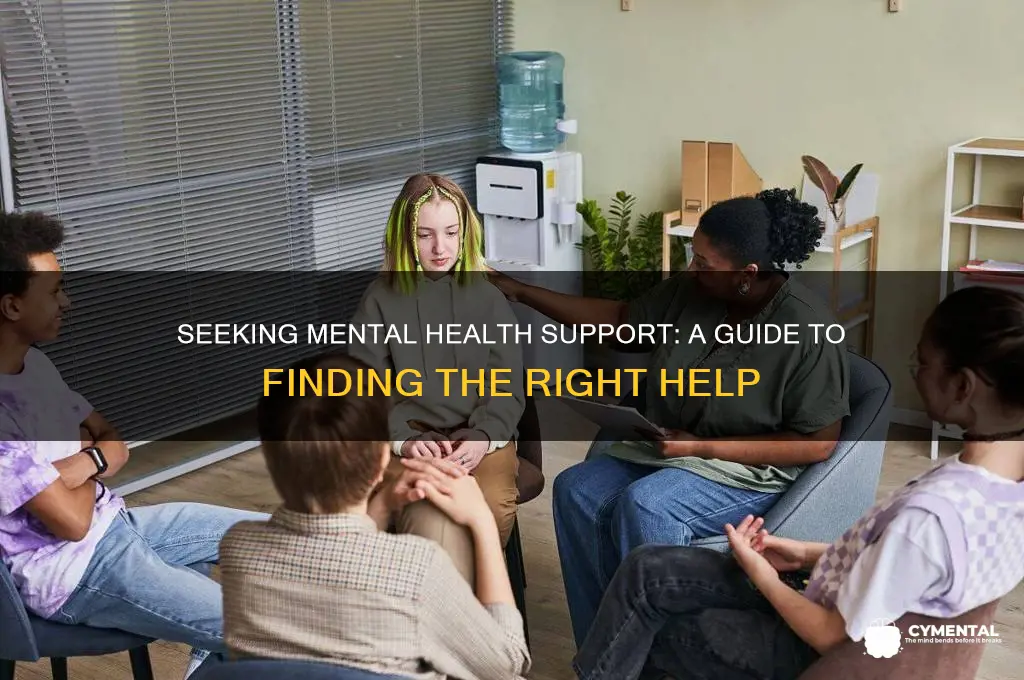
Seeking help for mental health is a courageous and essential step toward well-being, yet many people struggle with knowing where to start. It begins with acknowledging your feelings and recognizing that it’s okay to not be okay. Start by reaching out to a trusted friend, family member, or mental health professional who can provide support and guidance. Research local resources, such as therapists, counselors, or support groups, and consider contacting your healthcare provider for referrals. Online platforms and helplines are also valuable tools for immediate assistance and information. Remember, taking that first step, no matter how small, is a powerful act of self-care, and you deserve the support to navigate your journey toward healing.
| Characteristics | Values |
|---|---|
| Recognize the Need for Help | Acknowledge symptoms like persistent sadness, anxiety, or changes in behavior. |
| Consult a Primary Care Physician | Start with a general doctor for initial assessment and referrals. |
| Therapy/Counseling | Seek licensed therapists (e.g., psychologists, counselors) for talk therapy. |
| Psychiatric Evaluation | Consult a psychiatrist for medication or severe mental health conditions. |
| Online Resources | Use platforms like BetterHelp, Talkspace, or 7 Cups for virtual support. |
| Support Groups | Join local or online groups for peer support (e.g., NAMI, Anxiety and Depression Association of America). |
| Hotlines and Crisis Services | Call 988 (Suicide & Crisis Lifeline) or local crisis hotlines for immediate help. |
| Self-Help Strategies | Practice mindfulness, exercise, journaling, and maintaining a healthy routine. |
| Insurance Coverage | Check mental health coverage under your insurance plan or explore affordable options. |
| Workplace Resources | Utilize Employee Assistance Programs (EAPs) for counseling and support. |
| Educational Materials | Read books, articles, or watch videos to understand mental health better. |
| Community Health Centers | Visit local clinics for low-cost or sliding-scale mental health services. |
| Telehealth Services | Access mental health care remotely via video or phone consultations. |
| Cultural Sensitivity | Seek providers who understand your cultural background and needs. |
| Emergency Services | Go to the ER or call emergency services if experiencing a mental health crisis. |
| Follow-Up Care | Maintain regular appointments and follow treatment plans for long-term recovery. |
Explore related products


What You'll Learn
- Finding a Therapist: Research, ask for referrals, check credentials, and consider therapy types (e.g., CBT, DBT)
- Using Hotlines/Helplines: Access 24/7 crisis support for immediate assistance and guidance during emergencies
- Online Resources: Explore apps, forums, and websites offering tools, communities, and mental health education
- Support Groups: Join local or virtual groups to connect with others facing similar challenges
- Talking to Loved Ones: Share your feelings with trusted friends or family for emotional support

Finding a Therapist: Research, ask for referrals, check credentials, and consider therapy types (e.g., CBT, DBT)
Taking the first step toward finding a therapist can feel overwhelming, but it’s a critical move toward improving your mental health. Start by researching therapists in your area using online directories like Psychology Today, GoodTherapy, or the American Psychological Association’s psychologist locator. These platforms allow you to filter by specialty, therapy type, and insurance acceptance, narrowing down your options efficiently. For instance, if you’re struggling with anxiety, look for therapists who list Cognitive Behavioral Therapy (CBT) as a focus, as it’s evidence-based for treating anxiety disorders.
While online research is a good starting point, don’t underestimate the power of referrals. Ask your primary care physician, friends, or family members for recommendations. Personal referrals can provide insights into a therapist’s style and approach that online profiles might not capture. For example, a friend might mention that their therapist uses Dialectical Behavior Therapy (DBT) to help with emotional regulation, which could be exactly what you need. However, remember that therapy is deeply personal, so a referral is a suggestion, not a guarantee of fit.
Once you’ve compiled a list of potential therapists, verify their credentials. Ensure they are licensed to practice in your state and check for any disciplinary actions through your state’s licensing board. Credentials like Licensed Clinical Social Worker (LCSW), Licensed Professional Counselor (LPC), or Psychologist (PhD/PsyD) indicate different levels of training and expertise. For instance, a psychologist with a doctoral degree can diagnose mental health conditions and administer psychological testing, while an LPC may focus more on counseling.
Finally, consider the therapy types offered and how they align with your needs. CBT is structured and goal-oriented, ideal for addressing specific issues like depression or phobias. DBT, on the other hand, emphasizes mindfulness and emotional regulation, often used for borderline personality disorder or chronic self-harm behaviors. Other modalities, like psychodynamic therapy, explore deeper emotional patterns and past experiences. If you’re unsure which approach is right for you, many therapists offer a free consultation call to discuss their methods and your goals.
Practical tip: Keep a journal of your symptoms, triggers, and goals before reaching out to therapists. This will help you articulate your needs during initial consultations and ensure you’re matched with someone who can provide the right support. Finding a therapist is a process, but with research, referrals, credential checks, and a clear understanding of therapy types, you’ll be well-equipped to take this vital step toward healing.
Journaling for Mental Health: Unlocking Emotional Healing and Self-Discovery
You may want to see also
Explore related products


Using Hotlines/Helplines: Access 24/7 crisis support for immediate assistance and guidance during emergencies
In moments of acute mental distress, the immediacy of support can be a lifeline. Hotlines and helplines offer 24/7 access to trained professionals who provide crisis intervention, emotional grounding, and actionable next steps. Unlike therapy or medication, which require scheduling or prescriptions, these services are instant, free, and anonymous, making them a critical resource for anyone experiencing suicidal thoughts, panic attacks, or overwhelming anxiety. For instance, the National Suicide Prevention Lifeline (988 in the U.S.) connects callers to counselors who can de-escalate crises and link them to local resources.
The effectiveness of hotlines lies in their structured approach to crisis management. When you call, expect a calm, non-judgmental voice to guide you through breathing exercises, assess your safety, and help you regain perspective. For example, if you’re experiencing a panic attack, the responder might instruct you to inhale deeply for four seconds, hold for four, exhale for six, and repeat—a technique grounded in cognitive-behavioral principles. This immediate grounding can prevent the situation from escalating while connecting you to longer-term support options.
While hotlines are invaluable in emergencies, they are not a substitute for ongoing mental health care. Think of them as the emergency room of mental health—essential for stabilizing crises but not designed for chronic condition management. For sustained support, combine hotline use with therapy, medication (if prescribed), and self-care practices. Additionally, be aware of specialized lines tailored to specific demographics, such as the Crisis Text Line (text HOME to 741741) for those uncomfortable with voice calls, or The Trevor Project (1-866-488-7386) for LGBTQ+ youth, which offer culturally competent assistance.
Practical tips can enhance your experience with hotlines. Keep a list of relevant numbers near your phone or save them in your contacts for quick access. If you’re nervous about calling, prepare by jotting down key points you want to discuss. For text-based services, be concise but clear about your situation. Remember, these services are staffed by humans who genuinely care—you don’t need to “deserve” help or have your feelings validated beforehand. Reaching out is an act of courage, and it’s the first step toward reclaiming your mental well-being.
Seeking Support: A Guide to Finding Help When You Need It Most
You may want to see also
Explore related products





Online Resources: Explore apps, forums, and websites offering tools, communities, and mental health education
The digital age has transformed how we access mental health support, offering a plethora of online resources that cater to diverse needs. From mindfulness apps to peer-support forums, these tools provide immediate, often free, assistance that can complement traditional therapy or serve as a starting point for those hesitant to seek professional help. For instance, apps like Headspace and Calm offer guided meditations and sleep stories, while Sanvello provides cognitive-behavioral therapy (CBT) techniques for anxiety and depression. These platforms are designed to be user-friendly, with customizable features tailored to individual preferences and schedules.
However, not all online resources are created equal. When exploring mental health apps, it’s crucial to assess their credibility. Look for evidence-based programs backed by research or developed in collaboration with mental health professionals. For example, Woebot uses CBT and interpersonal psychotherapy techniques, while Moodpath offers symptom tracking and personalized feedback. Avoid apps that promise quick fixes or lack transparency about their methods. Additionally, consider privacy policies—ensure your data is protected, especially when sharing personal information on forums or community platforms.
Forums and online communities play a vital role in reducing isolation by connecting individuals facing similar challenges. Platforms like 7 Cups and Reddit’s r/mentalhealth provide spaces for anonymous peer support, where users can share experiences, advice, and encouragement. While these communities can be empowering, they are not a substitute for professional care. It’s essential to approach advice critically and verify information with trusted sources. For younger users, age-specific forums like TeenMentalHealth.org ensure a safer, more relevant environment for discussion.
Educational websites are another valuable resource, offering insights into mental health conditions, coping strategies, and treatment options. Sites like Mental Health America (MHA) and National Alliance on Mental Illness (NAMI) provide comprehensive guides, screening tools, and advocacy resources. These platforms demystify mental health, helping users recognize symptoms and understand available treatments. For instance, MHA’s online screening tools can identify potential issues early, prompting users to seek further help. Pairing education with actionable tools, such as NAMI’s Family-to-Family program, empowers both individuals and their support networks.
Incorporating online resources into your mental health toolkit requires balance. Start by identifying your specific needs—whether it’s stress management, community support, or education. Experiment with a few apps or websites, tracking their impact on your well-being. Remember, these tools are most effective when used consistently and in conjunction with other strategies, such as therapy or lifestyle changes. While they may not replace professional care, they offer accessible, flexible support that can make a meaningful difference in your mental health journey.
Empowering Change: Simple Ways You Can Make a Difference Today
You may want to see also
Explore related products

$10.71 $20

$12.14 $19.99


Support Groups: Join local or virtual groups to connect with others facing similar challenges
Human connection is a powerful antidote to the isolation often experienced with mental health struggles. Support groups offer a unique space where shared vulnerability becomes a source of strength. Unlike individual therapy, they provide a sense of community, reminding you that you're not alone in your challenges.
Consider this: imagine navigating a dense forest, feeling lost and disoriented. Now picture encountering a group of travelers who've traversed the same path, sharing maps, offering guidance, and understanding the terrain intimately. That's the essence of a support group.
Finding the right group is crucial. Local options often meet in community centers, churches, or mental health clinics. Websites like Meetup, Psychology Today, and the National Alliance on Mental Illness (NAMI) offer searchable directories. Virtual groups, hosted on platforms like Zoom or dedicated forums, provide accessibility for those with mobility issues or preferring anonymity.
Before committing, research the group's focus. Some cater to specific diagnoses (anxiety, depression, PTSD), while others address broader themes like grief or self-esteem. Consider the facilitator's qualifications and the group's structure – is it open-ended discussion, guided by a therapist, or peer-led?
Remember, support groups are not a replacement for professional therapy or medication. They are a complementary tool, offering peer support, shared coping strategies, and a sense of belonging. Think of them as a vital thread in the tapestry of your mental health care, adding warmth, color, and resilience to the overall picture.
Exercise and Mental Health: Unlocking the Mind-Body Connection for Wellness
You may want to see also
Explore related products




Talking to Loved Ones: Share your feelings with trusted friends or family for emotional support
Sharing your feelings with trusted friends or family can be a powerful step toward improving your mental health. It’s not just about venting; it’s about creating a support system that helps you feel understood and less alone. Research shows that social support is linked to reduced symptoms of anxiety and depression, acting as a buffer against stress. When you confide in someone who cares about you, their empathy and perspective can offer comfort and clarity, helping you navigate difficult emotions.
Start by choosing the right person—someone who listens without judgment, respects your boundaries, and responds with kindness. Prepare what you want to say, whether it’s a casual conversation or a more structured discussion. For example, you might say, “I’ve been feeling overwhelmed lately, and I’d really appreciate it if we could talk about it.” Be specific about what you need, whether it’s a listening ear, advice, or simply their presence. Remember, vulnerability is a strength, not a weakness, and sharing your struggles can deepen your connection with them.
However, not every conversation will go as planned. Some loved ones may react with confusion, worry, or even dismissal, especially if they’re unfamiliar with mental health challenges. If this happens, remain patient and try to educate them gently. For instance, you could say, “I know this might be hard to understand, but it really helps me when you listen without trying to fix it.” If the conversation feels unproductive, it’s okay to take a break and revisit it later or seek support from someone else.
Finally, consider this a two-way street. Just as you benefit from their support, they may gain a better understanding of your experiences, fostering mutual empathy. Sharing your feelings isn’t a one-time event but an ongoing process. Regular check-ins with trusted loved ones can provide consistent emotional grounding, making it easier to manage your mental health over time. By leaning on your support network, you’re not only helping yourself but also strengthening the bonds that make life meaningful.
Effective Strategies and Tools to Help You Overcome Daily Challenges
You may want to see also
Frequently asked questions
If you’re experiencing persistent feelings of sadness, anxiety, hopelessness, or if your emotions are interfering with daily life, relationships, or work, it’s time to seek help. Other signs include changes in sleep or appetite, difficulty concentrating, or thoughts of self-harm. Trust your instincts—if something feels off, reach out.
Start by talking to a trusted friend, family member, or primary care doctor. They can provide support and guide you to resources. You can also contact mental health hotlines, local clinics, or online therapy platforms. Many organizations offer free or low-cost services.
Common professionals include therapists (licensed counselors or psychologists), psychiatrists (medical doctors who can prescribe medication), and social workers. Choose based on your needs: therapists for talk therapy, psychiatrists for medication, or a combination of both. Research their specialties, check reviews, and ensure they’re licensed.
Many resources are available for low-cost or free mental health care. Look for community health centers, sliding-scale clinics, or non-profit organizations. Some therapists offer reduced rates, and online platforms may have affordable options. Additionally, check if your insurance covers mental health services or explore government-funded programs.