Madison Cole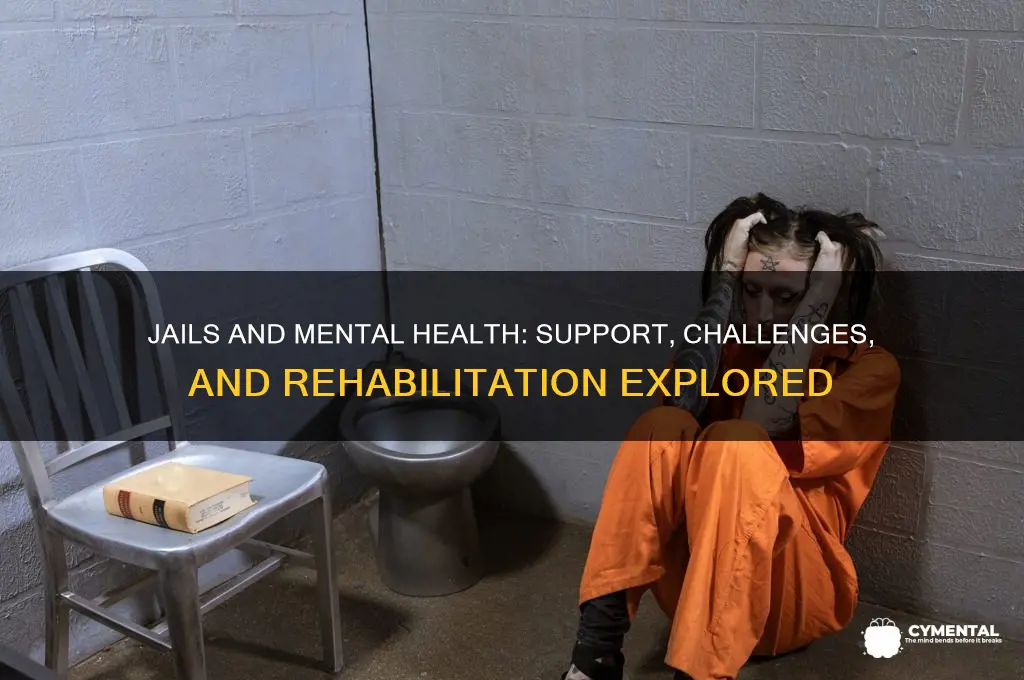
Jails and correctional facilities often serve as a last resort for individuals with mental illness who lack access to adequate community-based treatment, highlighting a critical intersection between the criminal justice and mental health systems. While incarceration is not an ideal environment for therapeutic intervention, many jails have implemented specialized programs to address the unique needs of this vulnerable population, including mental health screenings, counseling, medication management, and crisis intervention. These efforts aim to stabilize individuals during their incarceration, reduce recidivism, and facilitate connections to community resources upon release. However, challenges such as overcrowding, inadequate staffing, and limited funding often hinder the effectiveness of these programs, raising questions about the role of jails in addressing mental health issues and the need for systemic reforms to prioritize prevention and treatment outside the criminal justice system.
Explore related products


What You'll Learn
- Access to psychiatric care and medication management for inmates with mental health needs
- Structured daily routines and therapy programs to stabilize mental health conditions in jail
- Crisis intervention services to prevent self-harm or harm to others in custody
- Reentry planning and community resource connections for post-release mental health support
- Staff training in de-escalation techniques and mental health awareness for safer interactions

Access to psychiatric care and medication management for inmates with mental health needs
Incarcerated individuals with mental illness often face a stark reality: their conditions worsen behind bars due to inadequate access to psychiatric care and medication management. This isn't merely a moral failing; it's a public health crisis. Prisons and jails have become de facto mental health facilities, yet they often lack the resources and expertise to provide adequate treatment.
A 2017 study found that over 40% of inmates in state and federal prisons reported a history of mental health problems, with many experiencing severe symptoms like psychosis and suicidal ideation.
The Challenge of Continuity:
One of the biggest hurdles is ensuring continuity of care. Inmates often enter the system already on medication regimens. Abruptly discontinuing these medications, or switching to different ones due to formulary restrictions, can lead to dangerous withdrawal symptoms, relapse, and even psychotic episodes. Imagine a 35-year-old man with schizophrenia, stabilized on a specific antipsychotic for years, suddenly forced onto a different medication with unknown side effects. This scenario is all too common, highlighting the need for seamless transitions and individualized treatment plans.
Beyond Pills: The Need for Comprehensive Care
Medication management is crucial, but it's only one piece of the puzzle. Inmates with mental illness require a holistic approach that includes therapy, counseling, and social support. Group therapy sessions, cognitive behavioral therapy, and access to peer support groups can provide invaluable coping mechanisms and a sense of community. Consider a young woman struggling with depression and anxiety. While medication may help manage her symptoms, individual therapy could address the underlying trauma contributing to her illness, while group therapy could offer her a safe space to connect with others facing similar challenges.
Practical Considerations and Ethical Imperatives
Providing adequate psychiatric care in correctional settings presents unique challenges. Security concerns, limited staffing, and budgetary constraints often hinder access to specialized providers. Telepsychiatry, where inmates consult with psychiatrists remotely, can bridge this gap, but reliable technology and trained personnel are essential. Additionally, ethical considerations are paramount. Informed consent, confidentiality, and the potential for coercion must be carefully navigated to ensure inmates receive treatment voluntarily and with dignity.
A Call to Action:
Ensuring access to psychiatric care and medication management for inmates with mental health needs is not just a legal obligation; it's a moral imperative. It requires a multi-faceted approach involving collaboration between correctional facilities, mental health professionals, policymakers, and community organizations. By investing in comprehensive care, we can not only improve the lives of incarcerated individuals but also reduce recidivism rates and promote public safety. The time for action is now.
Mental Math Mastery: Boosting Case Interview Performance and Confidence
You may want to see also
Explore related products


Structured daily routines and therapy programs to stabilize mental health conditions in jail
Incarcerated individuals with mental illness often experience chaotic and unpredictable environments, exacerbating their symptoms. Structured daily routines in jails can provide a sense of stability and predictability, which is crucial for managing mental health conditions. A typical daily schedule might include designated times for meals, therapy sessions, exercise, and quiet reflection. For example, a morning routine could start with a 30-minute mindfulness exercise, followed by a nutritious breakfast, and then a group therapy session focused on cognitive-behavioral techniques. This structured approach helps individuals develop healthy habits and coping mechanisms, reducing the likelihood of self-harm or aggressive behavior.
One effective therapy program implemented in jails is the Mental Health Intensive Case Management (MHICM) model. This program assigns a dedicated mental health professional to each inmate, who works closely with them to develop a personalized treatment plan. The plan may include a combination of individual therapy, group therapy, and medication management. For instance, a 25-year-old inmate with schizophrenia might receive 2-3 individual therapy sessions per week, focusing on symptom management and social skills development. Additionally, they may participate in a weekly group therapy session with peers who have similar diagnoses, fostering a sense of community and support. Research has shown that MHICM programs can lead to significant improvements in mental health outcomes, including reduced symptoms and increased functioning.
Implementing structured daily routines and therapy programs in jails requires careful planning and collaboration among mental health professionals, correctional staff, and inmates. A key consideration is the need for flexibility, as individuals may require adjustments to their schedules or treatment plans based on their progress and changing needs. For example, an inmate experiencing a severe depressive episode may need additional one-on-one therapy sessions or a temporary reduction in their daily activities. Correctional staff should receive training on mental health first aid and de-escalation techniques to effectively support inmates during crises. By prioritizing collaboration and adaptability, jails can create a therapeutic environment that promotes stabilization and recovery.
A comparative analysis of jails with and without structured daily routines and therapy programs reveals significant differences in mental health outcomes. Inmates in facilities with comprehensive mental health services are more likely to report improved mood, reduced anxiety, and increased ability to manage their symptoms. For instance, a study comparing two medium-security prisons found that inmates in the facility with a structured daily routine and therapy program had a 30% lower rate of self-harm incidents and a 20% higher rate of successful community reintegration upon release. These findings underscore the importance of investing in evidence-based mental health interventions within the criminal justice system. By prioritizing structured daily routines and therapy programs, jails can play a vital role in stabilizing mental health conditions and reducing recidivism rates.
To maximize the effectiveness of structured daily routines and therapy programs, jails should incorporate evidence-based practices and regularly evaluate their outcomes. This may involve using standardized assessment tools to track inmates' mental health symptoms and functioning, as well as collecting feedback from participants and staff. For example, the Brief Jail Mental Health Screen (BJMHS) is a widely used tool that can help identify inmates in need of mental health services and monitor their progress over time. By adopting a data-driven approach, jails can refine their programs and ensure that they are meeting the unique needs of their incarcerated population. Ultimately, the goal is to create a supportive and therapeutic environment that promotes stabilization, recovery, and successful reintegration into the community.
Team Sports: Boosting Mental and Physical Health Through Active Collaboration
You may want to see also
Explore related products


Crisis intervention services to prevent self-harm or harm to others in custody
Incarcerated individuals with mental illness face a heightened risk of self-harm and violence, both towards themselves and others. Crisis intervention services within correctional facilities are critical to mitigating these risks, offering immediate support and de-escalation strategies tailored to the unique challenges of custody. These services often involve trained mental health professionals who can rapidly assess situations, provide therapeutic interventions, and connect individuals to ongoing care, thereby reducing the likelihood of harmful incidents.
Consider the implementation of crisis de-escalation teams, a proactive approach increasingly adopted in jails. These teams typically consist of mental health clinicians, correctional officers trained in crisis intervention, and peer support specialists. When an individual exhibits signs of distress—such as agitation, suicidal ideation, or aggressive behavior—the team is dispatched to the scene. Their first step is to establish rapport, using non-threatening language and active listening to understand the individual’s triggers. For example, a 28-year-old inmate with schizophrenia experiencing auditory hallucinations might be calmed through validation of their fear and redirection to grounding techniques, such as deep breathing exercises or sensory objects like stress balls.
A key component of these services is the use of structured protocols, such as the Crisis Intervention Team (CIT) model, which emphasizes collaboration between law enforcement and mental health providers. In one study, jails implementing CIT saw a 40% reduction in use-of-force incidents involving mentally ill inmates. The protocol includes steps like assessing the individual’s mental state, identifying immediate safety concerns, and determining whether medical or psychiatric intervention is necessary. For instance, an inmate threatening self-harm might be placed in a crisis stabilization unit, a dedicated space with reduced stimuli and constant monitoring, rather than solitary confinement, which can exacerbate mental health issues.
However, crisis intervention services are not without challenges. Staffing shortages and limited resources often hinder their effectiveness. A jail in rural Texas, for example, reported delays in crisis response due to a lack of on-site clinicians, forcing officers to rely on untrained interventions. To address this, some facilities have introduced telepsychiatry services, allowing remote mental health professionals to assess and intervene in real time. Additionally, training all correctional staff in basic de-escalation techniques—such as recognizing early signs of crisis (e.g., pacing, muttering, or sudden withdrawal) and avoiding confrontational language—can bridge gaps until specialized help arrives.
Ultimately, the goal of crisis intervention services is not just to manage acute episodes but to integrate them into a broader continuum of care. This includes follow-up assessments, medication management, and access to therapy programs like cognitive-behavioral therapy (CBT) or dialectical behavior therapy (DBT). For example, a 35-year-old inmate with bipolar disorder might receive a crisis intervention during a manic episode, followed by weekly CBT sessions to develop coping strategies and a discharge plan that connects them to community mental health services upon release. By addressing both immediate and long-term needs, these services can transform jails from places of risk into environments of recovery.
Exploring Medical Marijuana's Potential in Treating Mental Health Disorders
You may want to see also
Explore related products


Reentry planning and community resource connections for post-release mental health support
Reentry from incarceration poses unique challenges for individuals with mental illness, who often face disrupted care, stigma, and limited access to resources. Without structured planning, these individuals are at heightened risk of homelessness, relapse, and reincarceration. Effective reentry programs must prioritize seamless transitions by connecting individuals to community-based mental health services before release. This involves coordinating with local providers to ensure continuity of care, such as medication management, therapy, and case management. For example, jails in California have partnered with county mental health departments to schedule intake appointments for inmates within 72 hours of release, reducing gaps in treatment.
A critical component of reentry planning is the development of individualized discharge plans tailored to each person’s needs. These plans should include housing arrangements, employment or vocational training, and access to peer support groups. Housing First models, which prioritize stable housing without preconditions, have proven effective in reducing recidivism among justice-involved individuals with mental illness. Additionally, vocational programs that offer skills training and job placement assistance can foster economic independence. For instance, a program in New York pairs participants with mental health professionals and employment specialists, achieving a 60% job retention rate among graduates.
Community resource connections are equally vital, as many individuals lack awareness of available services. Jails can facilitate this by providing resource directories, hosting workshops on navigating mental health systems, and inviting community organizations to conduct outreach sessions. Mobile crisis units, which offer on-the-spot assessments and referrals, can bridge the gap between release and long-term care. In Seattle, a reentry program distributes prepaid phones with pre-programmed contacts for crisis lines, case managers, and local clinics, ensuring immediate access to support.
However, reentry planning is not without challenges. Coordination between correctional facilities and community providers often falters due to bureaucratic barriers, funding shortages, and differing priorities. To mitigate this, jails should adopt a collaborative approach, such as forming reentry coalitions with local stakeholders. These coalitions can streamline communication, pool resources, and advocate for policy changes. For example, a coalition in Texas secured funding to train correctional staff in mental health first aid, improving their ability to identify and address inmate needs.
Ultimately, successful reentry hinges on sustained support and accountability. Post-release check-ins, whether in-person or via telehealth, can monitor progress and address emerging challenges. Incentivizing participation through rewards, such as transportation vouchers or grocery gift cards, can enhance engagement. By integrating reentry planning and community resource connections, jails can transform from punitive environments into gateways for recovery, empowering individuals with mental illness to rebuild their lives.
Acting as Therapy: Unlocking Mental Health Benefits Through Performance
You may want to see also
Explore related products

$76.99 $190


$24.99 $20.99


Staff training in de-escalation techniques and mental health awareness for safer interactions
Incarcerated individuals with mental illness often face heightened risks during interactions with correctional staff, as untrained responses can escalate tensions and worsen outcomes. Staff training in de-escalation techniques and mental health awareness is critical to fostering safer environments. By equipping officers with the skills to recognize and respond appropriately to mental health crises, jails can reduce incidents of violence, self-harm, and unnecessary use of force. This approach not only protects inmates but also enhances staff confidence and institutional safety.
Effective de-escalation training begins with understanding the triggers and behaviors associated with mental illness. Staff must learn to identify signs of anxiety, psychosis, or depression, which often manifest differently in a correctional setting. For instance, a person experiencing a psychotic episode may appear agitated or unresponsive, requiring a calm, non-confrontational approach. Training programs should incorporate role-playing scenarios that simulate these situations, allowing officers to practice verbal de-escalation strategies, such as active listening, empathy, and clear communication. Studies show that staff who receive at least 40 hours of mental health and de-escalation training annually are better equipped to handle crises without resorting to physical restraint or isolation.
Mental health awareness training goes beyond crisis management; it fosters a culture of compassion and understanding within the facility. Staff should be educated on the prevalence of mental illness in jails—approximately 14% of inmates have a serious mental illness—and the impact of trauma on behavior. This knowledge helps officers approach interactions with patience and empathy, reducing the stigma that often exacerbates tension. For example, instead of interpreting non-compliance as defiance, a trained officer might recognize it as a symptom of paranoia or disorientation. Such awareness can transform potentially volatile encounters into opportunities for support and de-escalation.
Implementing these training programs requires commitment and resources, but the benefits are undeniable. Facilities like the Cook County Jail in Illinois have reported significant reductions in use-of-force incidents and self-harm after integrating comprehensive de-escalation and mental health training for staff. Key components of successful programs include ongoing education, regular refresher courses, and access to mental health professionals for consultation. Additionally, incorporating feedback from both staff and inmates can help refine training methods and address specific challenges within the facility.
Ultimately, staff training in de-escalation techniques and mental health awareness is not just a best practice—it’s a necessity. By prioritizing this training, jails can create safer, more humane environments for both inmates and officers. The investment in staff education pays dividends in reduced incidents, improved outcomes for individuals with mental illness, and a more compassionate correctional system. This approach aligns with the broader goal of jails: not just to punish, but to rehabilitate and protect.
Mental Health Medication: Effective for Co-Occurring Disorders?
You may want to see also
Frequently asked questions
Jails often offer mental health services such as counseling, medication management, and crisis intervention. Many facilities have partnerships with mental health professionals or organizations to provide assessments, therapy, and treatment plans tailored to inmates' needs.
Yes, jails can provide a structured environment and immediate access to mental health professionals, which may help stabilize individuals in crisis. However, this depends on the availability of resources and the severity of the individual's condition.
Some jails offer specialized programs, such as cognitive-behavioral therapy, substance abuse treatment, or trauma-informed care, to address underlying issues contributing to mental illness. These programs aim to reduce recidivism and improve long-term outcomes.
Jails may provide discharge planning, referrals to community mental health services, and assistance with medication management to ensure continuity of care. Collaboration with local agencies helps connect individuals to resources like housing, employment, and ongoing treatment.