Caleb Wright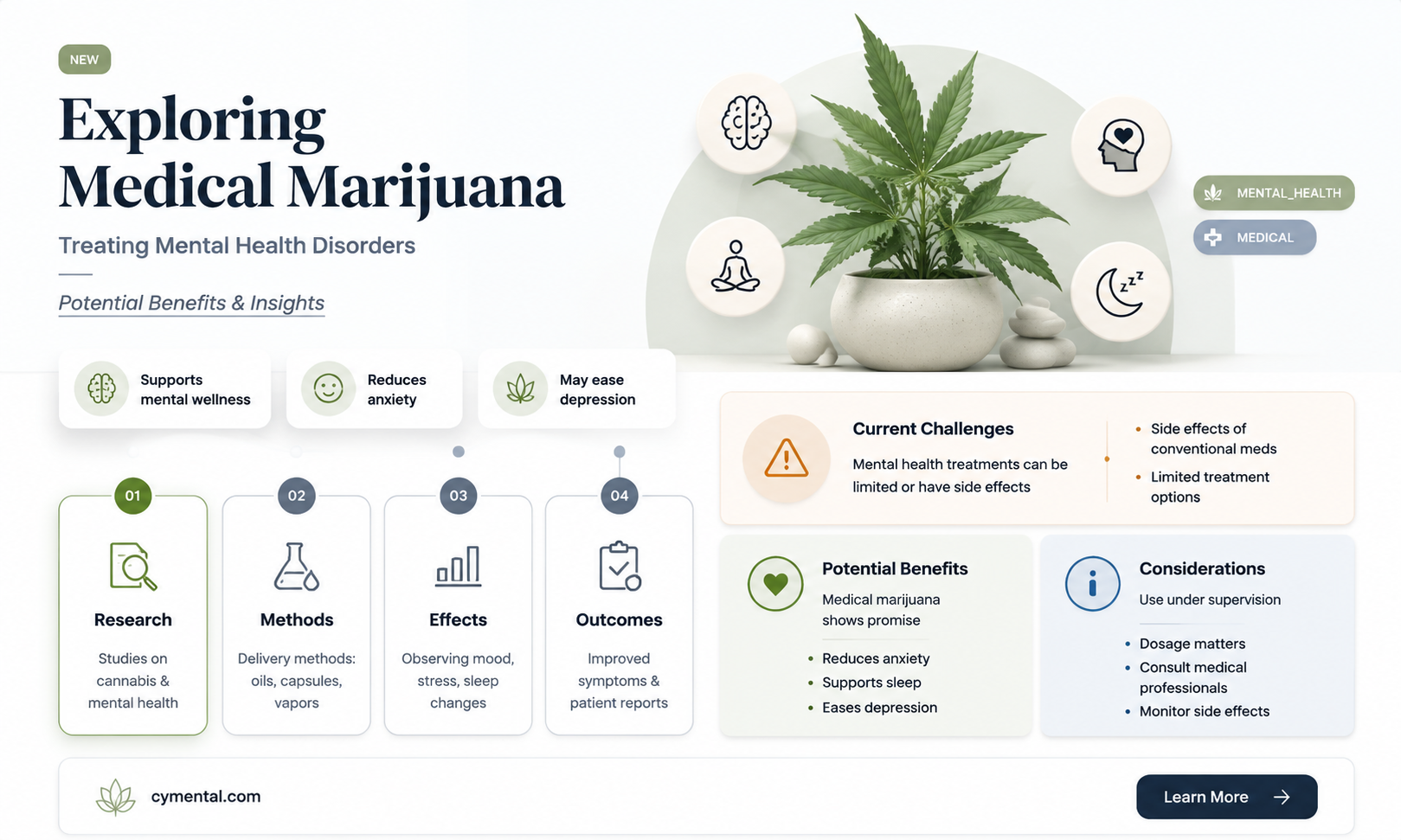
Medical marijuana has emerged as a topic of growing interest in the realm of mental health treatment, with proponents suggesting it may offer therapeutic benefits for conditions such as anxiety, depression, PTSD, and bipolar disorder. While some studies indicate that cannabinoids, the active compounds in marijuana, can modulate mood, reduce stress, and alleviate symptoms, the evidence remains inconclusive and often conflicting. Critics highlight potential risks, including dependency, cognitive impairment, and exacerbation of certain mental health issues, particularly in vulnerable populations. As research continues to evolve, the debate over whether medical marijuana can effectively and safely aid in managing mental illness persists, underscoring the need for rigorous scientific investigation and clear clinical guidelines.
Explore related products


$15.98 $27


What You'll Learn
- Marijuana and Anxiety Relief: Potential benefits and risks of using cannabis to manage anxiety disorders
- Cannabis for Depression: Exploring how THC and CBD may impact depressive symptoms and mood
- PTSD Treatment with Marijuana: Role of cannabis in alleviating PTSD symptoms like flashbacks and insomnia
- Marijuana and Bipolar Disorder: Effects of cannabis on mood stabilization and bipolar disorder management
- Schizophrenia and Cannabis Use: Investigating risks and potential therapeutic uses in schizophrenia treatment

Marijuana and Anxiety Relief: Potential benefits and risks of using cannabis to manage anxiety disorders
Anxiety disorders affect millions globally, and many are turning to medical marijuana as a potential remedy. While cannabis has shown promise in alleviating symptoms, its effectiveness and safety remain complex. For instance, a 2020 study in the *Journal of Affective Disorders* found that low doses of THC (2.5–7.5 mg) reduced anxiety in some users, but higher doses (12.5 mg+) often exacerbated it. This highlights the delicate balance required when using cannabis for anxiety relief.
Consider the mechanism: cannabinoids like THC and CBD interact with the endocannabinoid system, which regulates mood and stress responses. CBD, in particular, has gained attention for its anxiolytic properties without the psychoactive effects of THC. A 2019 study in *The Permanente Journal* reported that 79% of participants experienced reduced anxiety after using CBD-dominant cannabis. However, individual responses vary widely, influenced by factors like genetics, dosage, and consumption method. For example, vaping or smoking delivers effects within minutes, while edibles take 30–90 minutes but last longer.
Before experimenting with cannabis for anxiety, consult a healthcare provider, especially if you’re under 25, as the brain is still developing and more susceptible to THC’s potential negative effects. Start with low doses—1–2.5 mg of THC or 10–20 mg of CBD—and gradually increase while monitoring symptoms. Keep a journal to track efficacy and side effects, such as drowsiness or increased paranoia. Avoid self-medicating without professional guidance, as cannabis can interact with medications like benzodiazepines or antidepressants.
The risks cannot be overlooked. Chronic cannabis use has been linked to dependency and, in some cases, worsened anxiety or psychotic symptoms. A 2017 review in *Clinical Psychology Review* warned that THC-dominant strains may trigger panic attacks in predisposed individuals. Additionally, the lack of standardized dosing in medical marijuana products complicates treatment. Always source cannabis from licensed dispensaries to ensure quality and accurate labeling.
In conclusion, while medical marijuana offers potential for anxiety relief, it’s not a one-size-fits-all solution. Its benefits hinge on precise dosing, cannabinoid ratios, and individual tolerance. Approach it as a supplementary therapy, not a replacement for evidence-based treatments like cognitive-behavioral therapy or medication. With careful use and professional oversight, cannabis could be a valuable tool in managing anxiety—but it’s a delicate balance that demands respect and caution.
Exploring Gender Dysphoria: Mental Health Support as a Treatment Option
You may want to see also
Explore related products


Cannabis for Depression: Exploring how THC and CBD may impact depressive symptoms and mood
Depression affects over 264 million people globally, and while traditional treatments like antidepressants and therapy work for many, a significant portion of patients seek alternative options. Cannabis, with its complex interplay of THC and CBD, has emerged as a potential candidate. THC, the psychoactive compound, can induce euphoria but also anxiety in higher doses, while CBD, non-psychoactive, is often associated with calming effects. This dual nature raises a critical question: Can cannabis alleviate depressive symptoms, or does it risk exacerbating them?
Consider the dosage paradox of THC. Low to moderate doses (2.5–10 mg) may enhance mood by stimulating the endocannabinoid system, which regulates stress and emotional responses. However, doses exceeding 20 mg can trigger paranoia or dysphoria, particularly in inexperienced users or those predisposed to anxiety. CBD, on the other hand, appears to counteract THC’s adverse effects and may independently reduce symptoms of depression by interacting with serotonin receptors. A 2020 study in *Molecular Neurobiology* suggested that CBD’s anxiolytic and antidepressant effects could be dose-dependent, with 300–600 mg daily showing promise in clinical trials.
Practical application requires caution. For those considering cannabis as an adjunct therapy, starting with a 1:1 THC-to-CBD ratio minimizes risks while allowing for titration. For instance, a 5 mg THC + 5 mg CBD dose can be taken once daily, gradually increasing by 2.5 mg increments weekly based on tolerance and symptom response. Patients over 65 or those on medications metabolized by the liver (e.g., SSRIs) should consult a physician, as THC can interact with CYP450 enzymes.
The evidence is far from conclusive. While anecdotal reports and preliminary studies suggest cannabis may offer short-term relief, long-term effects remain unclear. A 2019 review in *JAMA Psychiatry* warned that frequent cannabis use, especially high-THC strains, could worsen depression over time. Conversely, CBD-dominant products may provide a safer profile, though more research is needed. For now, cannabis should complement, not replace, evidence-based treatments like cognitive-behavioral therapy or medication.
In summary, cannabis’s role in depression management hinges on precision—specific cannabinoids, dosages, and individual factors. While THC and CBD show potential, their effects are not universal, and misuse can be counterproductive. Patients should approach this option with informed caution, prioritizing professional guidance and monitoring to balance potential benefits against risks.
Find Free Depression Support: Resources and Helpful Services Available Now
You may want to see also
Explore related products


PTSD Treatment with Marijuana: Role of cannabis in alleviating PTSD symptoms like flashbacks and insomnia
Post-traumatic stress disorder (PTSD) is a debilitating condition characterized by intrusive memories, flashbacks, insomnia, and hyperarousal, often triggered by traumatic events. Traditional treatments like therapy and medication provide relief for some, but many patients continue to struggle with persistent symptoms. Emerging research suggests that cannabis, particularly its compounds THC and CBD, may offer a novel approach to managing PTSD symptoms. Studies indicate that THC can modulate the amygdala, a brain region central to fear responses, potentially reducing the intensity of flashbacks. Meanwhile, CBD’s anxiolytic properties may alleviate insomnia and anxiety without the psychoactive effects of THC. For instance, a 2019 study published in the *Journal of Alternative and Complementary Medicine* found that PTSD patients using medical cannabis reported a 75% reduction in CAPS (Clinician-Administered PTSD Scale) symptoms, with insomnia and nightmares showing significant improvement.
When considering cannabis for PTSD, dosage and strain selection are critical. THC-dominant strains may exacerbate anxiety in some individuals, particularly at higher doses (>10 mg), while CBD-dominant or balanced strains (1:1 THC:CBD) are generally better tolerated. Microdosing—starting with 2.5–5 mg of THC and gradually increasing—allows patients to gauge their response without overwhelming psychoactive effects. For insomnia, indica-dominant strains with myrcene and linalool terpenes are often recommended for their sedative properties. Vaporization or sublingual tinctures provide faster onset (5–15 minutes) compared to edibles (1–2 hours), making them more suitable for acute symptom management. Patients should consult a healthcare provider to tailor treatment to their specific needs, especially if they are taking other medications or have comorbid conditions.
One practical challenge in using cannabis for PTSD is the lack of standardized dosing guidelines. Unlike pharmaceuticals, cannabis products vary widely in potency and composition, making it difficult for patients to achieve consistent results. To address this, some clinicians recommend keeping a symptom journal to track the effects of different strains, dosages, and consumption methods. For example, a patient might note that 5 mg of THC in the evening reduces nightmares but causes grogginess the next morning, prompting a switch to a lower dose or a CBD-only product. Additionally, combining cannabis with evidence-based therapies like cognitive-behavioral therapy (CBT) or eye movement desensitization and reprocessing (EMDR) may enhance overall treatment efficacy by addressing both neurochemical and psychological aspects of PTSD.
Despite promising anecdotal and preliminary research, the use of cannabis for PTSD is not without risks. Long-term THC use has been associated with cognitive impairments and increased anxiety in some individuals, particularly those under 25 or with a predisposition to psychosis. Dependence is another concern, with approximately 9% of cannabis users developing cannabis use disorder. To mitigate these risks, patients should prioritize low-THC, high-CBD products and avoid daily use if possible. Regular follow-ups with a healthcare provider are essential to monitor progress and adjust treatment as needed. While cannabis may not be a cure-all, its potential to alleviate specific PTSD symptoms like flashbacks and insomnia warrants further investigation and careful integration into comprehensive care plans.
Seeking Support: Effective Ways to Get Help When You Need It Most
You may want to see also
Explore related products


Marijuana and Bipolar Disorder: Effects of cannabis on mood stabilization and bipolar disorder management
Bipolar disorder, characterized by extreme mood swings from manic highs to depressive lows, poses significant challenges for both patients and clinicians. Cannabis, with its complex interplay of cannabinoids like THC and CBD, has emerged as a subject of interest in mood stabilization. While some individuals report symptom relief, the scientific community remains divided. THC, the psychoactive component, may exacerbate manic episodes or anxiety in certain users, particularly at doses exceeding 10–20 mg. Conversely, CBD, a non-psychoactive compound, has shown potential in reducing anxiety and improving sleep without the intoxicating effects, often administered in doses of 300–600 mg daily. This duality underscores the need for personalized approaches in exploring cannabis as a complementary therapy for bipolar disorder.
Consider the case of a 32-year-old patient with bipolar II disorder who incorporated low-THC, high-CBD cannabis oil into their treatment regimen. Under medical supervision, they reported improved sleep quality and reduced irritability during depressive phases. However, when they experimented with a higher-THC strain, they experienced heightened anxiety and mood instability. This example illustrates the importance of precise dosing and strain selection. For those considering cannabis, starting with a 1:1 THC-to-CBD ratio product and gradually titrating under professional guidance can mitigate risks. It’s critical to monitor responses closely, as individual sensitivities vary widely.
From a comparative perspective, traditional mood stabilizers like lithium and valproate remain the cornerstone of bipolar disorder management, supported by decades of research. However, their side effects—such as weight gain, tremors, and cognitive dulling—prompt some patients to seek alternatives. Cannabis, while not a replacement, may offer adjunctive benefits, particularly in addressing sleep disturbances and anxiety. A 2020 study in *Journal of Affective Disorders* found that CBD-dominant formulations reduced anxiety in bipolar patients without triggering manic episodes, though long-term effects remain understudied. This positions cannabis as a potential tool in a multifaceted treatment plan, rather than a standalone solution.
Persuasively, the argument for cannabis in bipolar management hinges on its ability to address symptom gaps left by conventional treatments. For instance, insomnia often persists despite mood stabilizers, and cannabis’ sedative properties can provide relief. However, caution is paramount. The risk of psychosis induction with high-THC products, particularly in younger adults (ages 18–25), cannot be overlooked. Clinicians and patients must weigh these risks against potential benefits, prioritizing evidence-based practices. Practical tips include maintaining a mood journal to track cannabis effects, avoiding self-medication, and consulting a psychiatrist experienced in cannabinoid therapies.
In conclusion, while cannabis holds promise for certain aspects of bipolar disorder management, its use demands careful consideration. The interplay of cannabinoids with individual neurochemistry necessitates tailored approaches, emphasizing low-THC, high-CBD formulations and monitored dosing. As research evolves, patients and providers must navigate this landscape with informed caution, viewing cannabis not as a panacea but as a potential adjunct to established treatments. The goal remains clear: achieving mood stability while minimizing risks, one informed decision at a time.
Healing Hooves: How Horses Boost Mental Health and Well-being
You may want to see also
Explore related products


Schizophrenia and Cannabis Use: Investigating risks and potential therapeutic uses in schizophrenia treatment
The relationship between schizophrenia and cannabis use is complex, marked by both risks and emerging therapeutic possibilities. Schizophrenia, a severe mental disorder characterized by hallucinations, delusions, and cognitive impairment, often intersects with cannabis use, as individuals with this condition are more likely to consume cannabis than the general population. This dual presence raises critical questions: Does cannabis exacerbate schizophrenia symptoms, or could it, paradoxically, offer therapeutic benefits? Understanding this dynamic requires a nuanced exploration of the biological, psychological, and social factors at play.
From a risk perspective, research consistently highlights that cannabis use, particularly high-THC strains, can precipitate or worsen psychotic symptoms in individuals predisposed to schizophrenia. Adolescents and young adults, whose brains are still developing, are especially vulnerable. Studies suggest that early and frequent cannabis use may lower the age of schizophrenia onset by 2.7 years. For instance, a 2019 meta-analysis in *The Lancet Psychiatry* found that daily cannabis users were three times more likely to develop psychosis compared to non-users. Clinicians often advise patients with schizophrenia or a family history of the disorder to avoid cannabis entirely, as even moderate use can destabilize symptom management.
However, the therapeutic potential of cannabis in schizophrenia treatment cannot be dismissed outright. Emerging research explores the role of cannabidiol (CBD), a non-psychoactive cannabis compound, in mitigating psychotic symptoms. Unlike THC, CBD has antipsychotic properties and may counteract THC-induced psychosis. A 2020 study published in *JAMA Psychiatry* demonstrated that CBD, administered at doses of 600–800 mg daily, reduced positive psychotic symptoms in schizophrenia patients when used as an adjunct to traditional antipsychotics. This finding challenges the notion that all cannabis compounds are detrimental, suggesting that CBD could be a novel therapeutic agent for a subset of patients.
Implementing cannabis-based therapies in schizophrenia treatment requires careful consideration of dosage, formulation, and patient selection. For instance, CBD-dominant products with THC levels below 0.3% are preferred to minimize psychoactive effects. Patients should be monitored closely for side effects, such as drowsiness or changes in appetite, and treatment should be tailored to individual tolerance and symptom profiles. Additionally, combining CBD with cognitive-behavioral therapy (CBT) may enhance outcomes by addressing both biological and psychological aspects of the disorder.
In conclusion, while cannabis use poses significant risks for individuals with schizophrenia, particularly when high-THC products are involved, the therapeutic potential of CBD warrants further investigation. Clinicians and researchers must strike a balance between caution and innovation, ensuring that any cannabis-based interventions are evidence-based, safe, and personalized. For patients and caregivers, staying informed about the latest research and consulting with mental health professionals is essential to navigating this evolving landscape.
Supporting Student Well-being: Practical Strategies for Schools to Enhance Mental Health
You may want to see also
Frequently asked questions
Medical marijuana may help some individuals with anxiety, but its effects vary. THC can sometimes increase anxiety, while CBD is more commonly associated with calming effects. It’s important to consult a healthcare provider for personalized advice.
The safety and efficacy of medical marijuana for depression are still under research. Some users report mood improvements, but it can also worsen symptoms in others. Professional guidance is essential before use.
Some studies suggest medical marijuana, particularly strains high in CBD, may help reduce PTSD symptoms like nightmares and anxiety. However, long-term effects and optimal dosages require further investigation.
Evidence on medical marijuana for bipolar disorder is limited and mixed. It may provide temporary relief for some symptoms but could also trigger mood instability. Use should be closely monitored by a healthcare professional.
Medical marijuana is generally not recommended for schizophrenia, as THC can exacerbate psychotic symptoms. CBD might have some potential benefits, but more research is needed, and caution is advised.