Ava Ramirez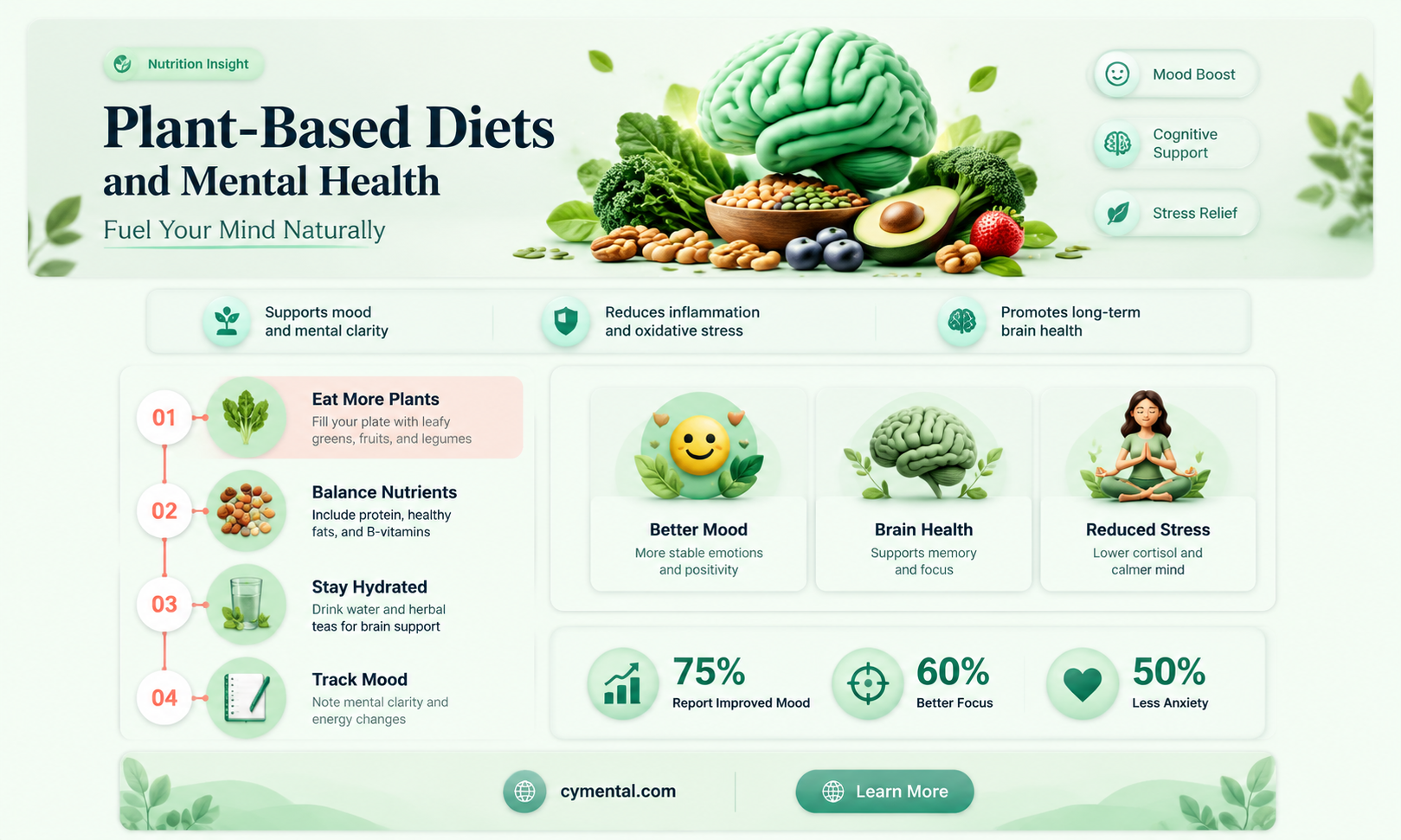
A growing body of research suggests that adopting a plant-based diet may have significant benefits for mental health. Rich in fruits, vegetables, whole grains, nuts, and seeds, plant-based diets are packed with nutrients, antioxidants, and fiber, which are known to support brain function and reduce inflammation. Studies have linked these diets to lower rates of depression, anxiety, and stress, potentially due to their positive impact on gut health and the gut-brain axis. Additionally, the ethical and environmental aspects of plant-based eating may contribute to a sense of well-being and purpose for some individuals. While more research is needed to fully understand the connection, current evidence points to a plant-based diet as a promising tool for improving mental health alongside other therapeutic approaches.
| Characteristics | Values |
|---|---|
| Reduced Inflammation | Plant-based diets are rich in anti-inflammatory foods (fruits, vegetables, nuts, seeds) which may reduce systemic inflammation linked to depression and anxiety. |
| Improved Gut Health | High fiber content supports a healthy gut microbiome, which is connected to mental health via the gut-brain axis. |
| Increased Nutrient Intake | Provides essential nutrients like folate, magnesium, and zinc, deficiencies of which are associated with depression and anxiety. |
| Lower Risk of Depression | Studies suggest plant-based diets are associated with a lower risk of depression, though causation requires further research. |
| Antioxidant Benefits | Rich in antioxidants (vitamins C, E, polyphenols) that combat oxidative stress, a factor in mental health disorders. |
| Omega-3 Fatty Acids | Sources like flaxseeds, chia seeds, and walnuts provide ALA omega-3s, though conversion to EPA/DHA is limited. |
| Weight Management | Can aid in weight loss, reducing obesity-related mental health risks like depression. |
| Reduced Risk of Chronic Diseases | Lower risk of heart disease, diabetes, and hypertension, which are linked to poor mental health. |
| Ethical and Environmental Benefits | Positive psychological effects from aligning diet with ethical or environmental values. |
| Potential Limitations | Risk of nutrient deficiencies (B12, iron, D) if not well-planned; supplementation may be needed. |
| Individual Variability | Effects may vary based on genetics, lifestyle, and overall diet quality. |
| Emerging Research | While promising, more longitudinal studies are needed to establish definitive links. |
Explore related products


What You'll Learn
- Reduced Inflammation: Plant-based diets lower inflammation, linked to improved mood and reduced anxiety
- Gut-Brain Axis: Fiber-rich foods boost gut health, positively impacting mental well-being and stress levels
- Nutrient Density: High vitamins, minerals, and antioxidants support brain function and emotional stability
- Lower Stress Hormones: Plant foods may reduce cortisol levels, promoting calmness and relaxation
- Sustainable Energy: Stable blood sugar from whole foods enhances focus and reduces mood swings

Reduced Inflammation: Plant-based diets lower inflammation, linked to improved mood and reduced anxiety
Chronic inflammation is a silent saboteur, linked to a host of physical ailments but also increasingly recognized as a contributor to mental health struggles. Studies suggest that elevated inflammatory markers in the body correlate with higher rates of depression, anxiety, and even cognitive decline.
Here's where plant-based diets step in as a potential antidote.
Think of inflammation as your body's alarm system, a necessary response to injury or infection. However, when this alarm gets stuck in the "on" position due to factors like poor diet, stress, or environmental toxins, it becomes chronic, damaging tissues and disrupting normal bodily functions, including those in the brain.
Plant-based diets, rich in fruits, vegetables, whole grains, legumes, nuts, and seeds, are naturally anti-inflammatory powerhouses. These foods are packed with antioxidants, phytonutrients, and fiber, all of which work synergistically to quell the flames of inflammation. For instance, the anthocyanins in berries, the curcumin in turmeric, and the omega-3 fatty acids in flaxseeds and walnuts are all known for their potent anti-inflammatory properties.
Imagine swapping processed meats and sugary snacks for colorful salads, hearty lentil stews, and creamy avocado toast. This dietary shift isn't just about what you're avoiding; it's about actively nourishing your body with the tools it needs to combat inflammation and promote mental well-being.
While more research is needed to fully understand the complex relationship between diet, inflammation, and mental health, the evidence so far is compelling. Incorporating more plant-based meals into your diet is a simple yet powerful step towards potentially reducing inflammation and fostering a healthier, happier mind. Remember, consistency is key. Aim for gradual, sustainable changes, and consult with a healthcare professional or registered dietitian for personalized guidance.
Supporting Loved Ones: Strategies to Assist Those Denying Mental Health Struggles
You may want to see also
Explore related products


Gut-Brain Axis: Fiber-rich foods boost gut health, positively impacting mental well-being and stress levels
The gut-brain axis is a bidirectional communication system linking our gastrointestinal tract and central nervous system. This connection means that what we eat directly influences our mental state, with fiber-rich foods emerging as key players in this dynamic. Found abundantly in plant-based diets, fibers act as prebiotics, nourishing beneficial gut bacteria that produce neurotransmitters like serotonin, often called the "feel-good" hormone. A single serving of lentils, for instance, provides around 15 grams of fiber, contributing to a healthier gut microbiome and potentially reducing anxiety and depression symptoms.
Consider this: a study published in *Psychosomatic Medicine* found that participants who increased their fiber intake by 5 grams daily experienced a 6% decrease in perceived stress levels over six weeks. This highlights the tangible impact of dietary choices on mental well-being. Incorporating fiber-rich foods like chia seeds (10 grams per ounce), artichokes (10 grams per medium vegetable), or black beans (15 grams per cup) can be a practical strategy for managing stress. Pairing these with fermented foods like kimchi or sauerkraut further enhances gut health by introducing probiotics, creating a synergistic effect on the gut-brain axis.
However, not all fibers are created equal. Soluble fibers, found in oats, apples, and flaxseeds, form a gel-like substance in the gut, promoting feelings of fullness and stabilizing blood sugar levels—a factor linked to mood regulation. Insoluble fibers, abundant in whole grains and leafy greens, add bulk to stool, ensuring regular bowel movements and reducing inflammation, which can otherwise negatively impact mental health. Aim for a balanced intake of both types, targeting the recommended 25–30 grams of fiber daily for adults, though individual needs may vary based on age, sex, and activity level.
Practical implementation is key. Start by swapping refined grains for whole versions, like quinoa or brown rice, and incorporate a variety of fruits, vegetables, nuts, and seeds into daily meals. For example, a breakfast of oatmeal topped with berries and almonds provides roughly 10 grams of fiber, while a lunch salad with chickpeas, spinach, and avocado can add another 15 grams. Small, consistent changes yield significant results over time, fostering a healthier gut and, consequently, a more resilient mind.
In conclusion, the gut-brain axis underscores the profound connection between diet and mental health, with fiber-rich, plant-based foods serving as a cornerstone for well-being. By understanding the role of specific fibers and incorporating them strategically, individuals can harness the power of nutrition to mitigate stress, enhance mood, and promote overall mental clarity. This approach not only supports physical health but also empowers individuals to take an active role in their mental wellness journey.
Dogs as Healers: Boosting Mental Health Through Canine Companionship
You may want to see also
Explore related products


Nutrient Density: High vitamins, minerals, and antioxidants support brain function and emotional stability
Plants are nature’s multivitamins, packed with nutrients that directly fuel brain health and emotional resilience. Unlike processed foods, which often strip away vital compounds, whole plant foods retain a symphony of vitamins, minerals, and antioxidants. For instance, a single cup of spinach provides over 300% of the daily recommended vitamin K, a nutrient linked to improved cognitive function and reduced risk of depression. Similarly, berries are rich in flavonoids, antioxidants that combat oxidative stress in the brain, a key factor in mood disorders. This nutrient density isn’t just about quantity—it’s about synergy. Plants deliver these compounds in combinations that enhance absorption and effectiveness, creating a foundation for mental well-being.
Consider the role of magnesium, a mineral abundant in nuts, seeds, and leafy greens. Studies show that magnesium deficiency is associated with anxiety and depression, while adequate intake supports neurotransmitter function and stress regulation. Adults require 310-420 mg daily, a target easily met with a handful of almonds (80 mg) and a serving of spinach (158 mg). Similarly, zinc, found in legumes and whole grains, is critical for emotional stability. A deficiency can lead to irritability and cognitive fog, but incorporating lentils (2.5 mg per cup) and quinoa (2 mg per cup) ensures steady levels. These aren’t just numbers—they’re actionable steps to fortify mental health through diet.
Antioxidants in plant foods also play a starring role in protecting the brain. Chronic inflammation, often driven by oxidative stress, is a hallmark of depression and anxiety. Enter vitamin C, abundant in citrus and bell peppers, and vitamin E, found in sunflower seeds and spinach. Together, they neutralize free radicals, reducing inflammation and safeguarding neurons. For maximum impact, pair these foods with healthy fats like avocado or olive oil, which enhance antioxidant absorption. A simple snack of bell pepper slices dipped in hummus combines vitamin C, fiber, and healthy fats—a trifecta for brain health.
Practicality is key to harnessing these benefits. Start by swapping refined grains for whole versions, like quinoa or brown rice, which retain more nutrients. Incorporate a variety of colorful vegetables daily—think purple cabbage, orange carrots, and green kale—to ensure a broad spectrum of vitamins and minerals. For those with busy schedules, smoothies are a lifesaver: blend spinach, berries, chia seeds, and almond milk for a nutrient-dense, mood-boosting drink. Even small changes, like adding a handful of walnuts to oatmeal or snacking on edamame, can make a measurable difference.
The takeaway is clear: nutrient density isn’t a luxury—it’s a necessity for mental health. By prioritizing plant-based foods rich in vitamins, minerals, and antioxidants, individuals can actively support brain function and emotional stability. This isn’t about restriction; it’s about abundance. Every bite becomes an opportunity to nourish not just the body, but the mind. With a little planning and creativity, a plant-based diet transforms from a trend into a powerful tool for lasting well-being.
Journaling for Mental Health: Unlocking Emotional Healing and Self-Discovery
You may want to see also
Explore related products


Lower Stress Hormones: Plant foods may reduce cortisol levels, promoting calmness and relaxation
Cortisol, often dubbed the "stress hormone," plays a critical role in our body’s fight-or-flight response. Chronically elevated levels can lead to anxiety, insomnia, and even depression. Emerging research suggests that plant-based diets may help mitigate this by naturally lowering cortisol levels. A study published in the *Journal of Psychopharmacology* found that participants who consumed diets rich in fruits, vegetables, and whole grains exhibited significantly lower cortisol levels compared to those on diets high in processed and animal-based foods. This isn’t just about avoiding certain foods—it’s about actively incorporating nutrient-dense plant foods that support hormonal balance.
To harness this benefit, focus on foods known to reduce cortisol. Magnesium-rich options like spinach, almonds, and pumpkin seeds are particularly effective, as magnesium acts as a natural muscle relaxant and stress reliever. Similarly, foods high in omega-3 fatty acids, such as flaxseeds and walnuts, have been shown to modulate cortisol production. For a practical approach, start your day with a smoothie blending spinach, banana, and a tablespoon of ground flaxseeds. Snack on a handful of almonds mid-afternoon, and incorporate leafy greens into your evening meal. Consistency is key—aim to include at least three cortisol-lowering foods daily for noticeable effects within a few weeks.
While plant-based diets offer promising benefits, it’s essential to approach this strategy with nuance. Not all plant foods are created equal, and processed vegan options like sugary snacks or refined grains can negate the positive effects. Additionally, individual responses to dietary changes vary, so monitor your stress levels and energy over time. Tools like cortisol saliva tests can provide objective data to track progress. Pairing dietary changes with stress-reduction techniques like mindfulness or yoga can amplify the calming effects, creating a holistic approach to mental well-being.
The takeaway? A plant-based diet isn’t a magic bullet, but it’s a powerful tool for managing stress hormones. By prioritizing whole, nutrient-dense foods and avoiding processed alternatives, you can create a diet that supports both physical and mental health. Start small, stay consistent, and pay attention to how your body responds. Over time, the cumulative effect of these dietary choices can lead to a calmer, more relaxed state—a natural antidote to the pressures of modern life.
Overcoming Mental Blocks: Strategies to Support Athletes' Performance and Resilience
You may want to see also
Explore related products


Sustainable Energy: Stable blood sugar from whole foods enhances focus and reduces mood swings
Fluctuating blood sugar levels, often caused by refined carbohydrates and sugary snacks, are a silent saboteur of mental clarity and emotional stability. These spikes and crashes can lead to difficulty concentrating, irritability, and even anxiety. A plant-based diet, rich in whole foods like legumes, whole grains, fruits, and vegetables, offers a natural solution. These foods are packed with complex carbohydrates, fiber, and nutrients that release glucose slowly into the bloodstream, providing a steady stream of energy for the brain.
Imagine your brain as a high-performance engine. Just as premium fuel ensures smooth operation, a diet centered on whole plant foods provides the brain with the consistent, clean energy it needs to function optimally.
This isn't just anecdotal; research backs it up. Studies have shown that diets high in processed foods and sugar are linked to increased risk of depression and anxiety. Conversely, plant-based diets, with their emphasis on whole, unprocessed foods, have been associated with improved mood, reduced stress levels, and enhanced cognitive function. A 2018 study published in the journal *Nutritional Neuroscience* found that participants following a plant-based diet for 16 weeks experienced significant improvements in depression, anxiety, and overall mental well-being compared to a control group.
Practical Tip: Start your day with a balanced breakfast like oatmeal topped with berries and nuts, or a smoothie packed with leafy greens, fruit, and plant-based protein powder. This sets the tone for stable blood sugar levels throughout the day.
While the benefits are clear, transitioning to a plant-based diet requires planning. Gradually incorporate more whole foods into your meals, experiment with new recipes, and ensure you're getting adequate protein, iron, and vitamin B12, which can be found in fortified foods or supplements. Remember, sustainable energy for your mind starts with sustainable choices on your plate.
Yoga's Transformative Power: Enhancing Mental Health and Well-being Naturally
You may want to see also
Frequently asked questions
Yes, a plant-based diet can positively impact mental health by reducing inflammation, providing essential nutrients, and supporting gut health, which is closely linked to mood and cognitive function.
Studies suggest that plant-based diets rich in fruits, vegetables, whole grains, and nuts may lower the risk of anxiety and depression due to their high content of antioxidants, fiber, and phytonutrients that promote brain health.
Yes, nutrients like omega-3 fatty acids (from flaxseeds and walnuts), magnesium (from leafy greens), and vitamin B6 (from bananas and chickpeas) are found in plant-based foods and play a key role in supporting mental well-being.
While some people report feeling better shortly after adopting a plant-based diet, improvements in mental health often take time as the body adjusts to new nutrients and reduced intake of processed foods. Consistency is key for long-term benefits.