Noah Parker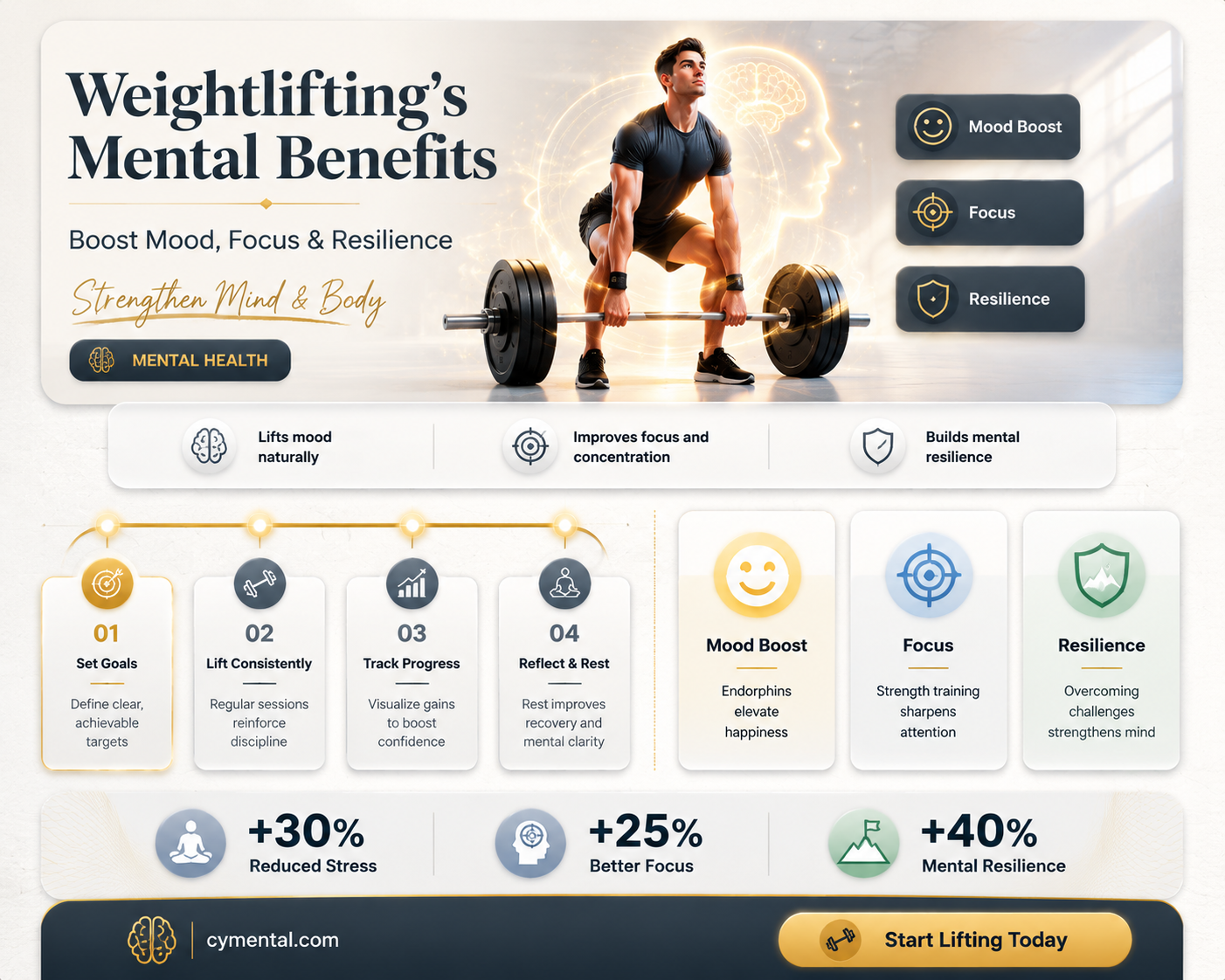
Lifting weights is often associated with physical benefits like muscle growth and strength, but its impact on mental health is equally profound. Engaging in regular resistance training has been shown to reduce symptoms of anxiety and depression, boost mood, and enhance cognitive function. The release of endorphins during exercise promotes a sense of well-being, while the structured nature of weightlifting provides a sense of accomplishment and control. Additionally, the discipline and focus required in strength training can improve mental resilience and reduce stress. By fostering a stronger mind-body connection, lifting weights not only transforms the physique but also nurtures mental clarity and emotional stability.
Explore related products


What You'll Learn
- Stress Reduction: Lifting weights reduces cortisol levels, promoting relaxation and stress relief
- Mood Enhancement: Exercise releases endorphins, boosting mood and reducing symptoms of depression
- Cognitive Function: Strength training improves memory, focus, and overall brain health
- Confidence Building: Achieving fitness goals enhances self-esteem and mental resilience
- Anxiety Relief: Physical activity helps regulate anxiety by calming the mind

Stress Reduction: Lifting weights reduces cortisol levels, promoting relaxation and stress relief
Cortisol, often dubbed the "stress hormone," spikes in response to mental and physical pressures, triggering a cascade of physiological reactions. While essential for survival in acute situations, chronically elevated cortisol levels wreak havoc on the body, contributing to anxiety, insomnia, and even depression. Here’s where lifting weights steps in as a potent countermeasure. Studies show that resistance training, particularly moderate- to high-intensity sessions, significantly reduces cortisol levels post-exercise. A 2018 meta-analysis published in *Sports Medicine* found that strength training decreases cortisol by an average of 15-20% in both men and women, with effects lasting up to 24 hours after a workout. This hormonal shift creates a biochemical environment conducive to relaxation, effectively breaking the cycle of chronic stress.
To harness this benefit, aim for 2-3 strength training sessions per week, each lasting 45-60 minutes. Focus on compound movements like squats, deadlifts, and bench presses, which engage multiple muscle groups and stimulate greater hormonal responses. For beginners, start with lighter weights and higher repetitions (12-15 reps per set) to build form and endurance before progressing to heavier loads. Consistency is key—irregular workouts may yield inconsistent cortisol regulation. Pair your routine with proper recovery, including 7-9 hours of sleep and a balanced diet rich in protein and healthy fats, to maximize stress-reducing effects.
Compare this to other stress-relief methods like meditation or yoga, which primarily target the mind. Lifting weights offers a dual advantage: it addresses stress at both the mental and physiological levels. While mindfulness practices calm the mind, resistance training recalibrates the body’s stress response system, providing a more holistic solution. For instance, a study in the *Journal of Endocrinology* found that individuals who combined strength training with mindfulness reported greater stress reduction than those who practiced mindfulness alone. This synergy underscores the unique value of lifting weights in mental health management.
Practical tip: If you’re short on time, even a 20-minute high-intensity resistance session can yield cortisol-lowering benefits. Use exercises like kettlebell swings, push-ups, and lunges to maximize efficiency. Avoid overtraining, as excessive exercise can paradoxically elevate cortisol levels. Listen to your body—if you feel fatigued or irritable, scale back the intensity or take an extra rest day. By integrating strength training into your routine mindfully, you can transform it from a physical challenge into a powerful tool for mental resilience.
Gardening for Mental Health: Cultivating Peace and Well-Being Naturally
You may want to see also
Explore related products


Mood Enhancement: Exercise releases endorphins, boosting mood and reducing symptoms of depression
Lifting weights isn't just about building muscle—it's a powerful tool for enhancing your mood. When you engage in strength training, your body releases endorphins, often referred to as "feel-good" hormones. These chemicals act as natural painkillers and mood elevators, creating a sense of euphoria and well-being. Studies show that even moderate resistance training can significantly increase endorphin levels, offering a mental boost that lasts beyond the gym. For instance, a 2018 study published in *JAMA Psychiatry* found that individuals who lifted weights twice a week experienced a 47% reduction in depressive symptoms compared to those who did not.
To harness this benefit, consistency is key. Aim for 30 to 60 minutes of weight training, two to three times per week. Beginners can start with bodyweight exercises like squats, push-ups, and lunges before progressing to dumbbells or machines. The intensity doesn’t need to be extreme—focus on maintaining proper form and gradually increasing resistance. For older adults, low-impact exercises like leg presses or seated rows can be equally effective, as research from the *American Journal of Preventive Medicine* highlights that strength training in adults over 65 improves both physical function and mental health.
One practical tip is to pair your workouts with music or a workout buddy. Music has been shown to enhance endorphin release during exercise, while social interaction amplifies the mood-boosting effects. Additionally, tracking your progress—whether through a journal or fitness app—can provide a sense of accomplishment, further elevating your mood. Remember, the goal isn’t to become a bodybuilder but to use weights as a tool for mental wellness.
While the benefits are clear, it’s important to approach weight training mindfully. Overtraining can lead to fatigue and stress, counteracting the positive effects. Listen to your body, allow for rest days, and prioritize recovery through proper nutrition and sleep. For those with pre-existing mental health conditions, consult a healthcare provider to tailor a safe and effective routine. When done right, lifting weights becomes more than a physical activity—it’s a sustainable strategy for cultivating a brighter, more resilient mindset.
AI's Role in Mental Health: Support, Challenges, and Future Possibilities
You may want to see also
Explore related products


$15.4 $28


Cognitive Function: Strength training improves memory, focus, and overall brain health
Strength training isn't just about building muscle—it's a powerful tool for sharpening your mind. Research shows that regular resistance exercise, such as lifting weights, triggers the release of brain-derived neurotrophic factor (BDNF), a protein that promotes the growth and survival of neurons. Think of BDNF as fertilizer for your brain cells, enhancing their ability to communicate and adapt. Studies have found that older adults who engage in strength training twice a week for six months experience significant improvements in memory and cognitive processing speed compared to those who only do balance and flexibility exercises.
To maximize these cognitive benefits, aim for 2-3 strength training sessions per week, targeting major muscle groups. Compound exercises like squats, deadlifts, and bench presses are particularly effective, as they engage multiple muscle groups and require greater cognitive effort in terms of coordination and balance. Start with lighter weights and gradually increase the load as your strength improves. Consistency is key—make strength training a regular part of your routine to keep your brain firing on all cylinders.
One fascinating study published in the *Journal of Applied Physiology* found that just 20 minutes of moderate-intensity resistance exercise can enhance long-term memory by up to 10%. This effect is believed to be linked to increased blood flow to the brain during exercise, which delivers oxygen and nutrients essential for optimal cognitive function. For younger adults, incorporating strength training into your fitness regimen can improve focus and mental clarity, making it easier to tackle complex tasks and maintain productivity throughout the day.
However, it’s not just about the intensity—recovery plays a crucial role too. Overtraining can lead to cognitive fatigue, so ensure you’re allowing adequate rest between sessions. Pair your strength training with a balanced diet rich in omega-3 fatty acids, antioxidants, and whole grains to further support brain health. For those over 50, combining strength training with aerobic exercise yields the most significant cognitive benefits, as it addresses both brain and cardiovascular health simultaneously.
Incorporating strength training into your lifestyle doesn’t require a gym membership or fancy equipment. Bodyweight exercises like push-ups, lunges, and planks can be just as effective. The key is to challenge your muscles progressively and stay consistent. By prioritizing strength training, you’re not only sculpting your body but also fortifying your mind, ensuring that your cognitive abilities remain sharp and resilient as you age.
Coconut Oil and Mental Health: Exploring Potential Benefits and Science
You may want to see also
Explore related products


Confidence Building: Achieving fitness goals enhances self-esteem and mental resilience
Lifting weights isn’t just about sculpting muscles—it’s a powerful tool for reshaping your mindset. Every rep, every set, and every incremental increase in weight is a tangible marker of progress. This measurable achievement directly translates into a sense of accomplishment, which forms the bedrock of self-esteem. When you see yourself lifting more than you could last week, your brain registers this as undeniable proof of your capability. This isn’t just anecdotal; studies show that consistent strength training correlates with higher self-efficacy, the belief in one’s ability to succeed in specific tasks. For instance, a 2019 study in the *Journal of Sports Science & Medicine* found that participants who engaged in regular resistance training reported significant improvements in self-confidence compared to those who didn’t.
To harness this effect, set SMART goals—specific, measurable, achievable, relevant, and time-bound. For example, aim to increase your bench press by 10% in eight weeks. Track your progress in a journal or app, and celebrate each milestone, no matter how small. Pair this with a mindset shift: view challenges as opportunities rather than obstacles. If you fail to lift a certain weight, reframe it as a chance to learn and adapt. This approach not only builds physical strength but also mental resilience, teaching you to persevere in the face of setbacks.
The psychological benefits of achieving fitness goals extend beyond the gym. Completing a challenging workout releases endorphins, often referred to as “feel-good” hormones, which reduce stress and improve mood. But the real mental boost comes from the cumulative effect of consistency. When you commit to a fitness routine and see results, you begin to trust your ability to follow through on commitments in other areas of life. This spillover effect can enhance confidence in work, relationships, and personal projects. For instance, a 45-year-old professional who started lifting weights to manage stress reported not only feeling stronger physically but also more assertive in negotiating a raise at work.
However, it’s crucial to avoid the trap of perfectionism. Progress, not perfection, is the goal. If you miss a workout or plateau in your gains, don’t let it derail your confidence. Instead, focus on the process—the effort you’re putting in—rather than solely the outcome. Incorporate variety into your routine to keep it engaging; try different exercises, rep ranges, or even group classes. For beginners, start with 2–3 sessions per week, focusing on compound movements like squats, deadlifts, and presses. Over time, gradually increase intensity and volume to continue challenging your body and mind.
In conclusion, achieving fitness goals through weight lifting is a transformative act of self-care. It’s not just about the physical changes; it’s about proving to yourself that you’re capable of growth, discipline, and resilience. By setting clear goals, tracking progress, and embracing challenges, you can build unshakable confidence that radiates into every aspect of your life. So grab those weights—your mind will thank you as much as your muscles.
Seeking Support: A Guide to Accessing Mental Health Assistance
You may want to see also
Explore related products


Anxiety Relief: Physical activity helps regulate anxiety by calming the mind
Lifting weights isn't just about building muscle—it's a powerful tool for calming an anxious mind. When you engage in resistance training, your body releases endorphins, often referred to as "feel-good" hormones, which act as natural stress relievers. Studies show that even moderate weight training sessions (2-3 times per week, 30-45 minutes each) can significantly reduce symptoms of anxiety by lowering cortisol levels, the hormone associated with stress. This biochemical response creates a sense of tranquility that extends beyond the gym, helping you manage daily pressures more effectively.
Consider the ritualistic nature of weightlifting: the focus required to maintain proper form, the rhythmic repetition of movements, and the immediate feedback from your body. This mindfulness-in-motion shifts your attention away from anxious thoughts, grounding you in the present moment. For instance, a study published in *Frontiers in Psychology* found that participants who engaged in structured weightlifting routines reported a 20% reduction in anxiety symptoms after just eight weeks. The predictability and control inherent in lifting weights can provide a sense of stability, counteracting the unpredictability that often fuels anxiety.
To maximize anxiety relief through weightlifting, start with compound exercises like squats, deadlifts, and bench presses, which engage multiple muscle groups and amplify endorphin release. Aim for 3-4 sets of 8-12 repetitions, adjusting weights to challenge yourself without causing strain. Incorporate deep breathing during rest periods—inhale for 4 seconds, hold for 4, exhale for 6—to further activate your parasympathetic nervous system, promoting relaxation. Consistency is key; schedule workouts at the same time daily to establish a routine that your mind and body can rely on.
While weightlifting is effective, it’s not a one-size-fits-all solution. Pair it with other anxiety-reducing strategies like progressive muscle relaxation or journaling for a holistic approach. If you’re new to lifting, consult a trainer to ensure proper technique and avoid injury, which could exacerbate stress. Remember, the goal isn’t to achieve perfection but to create a sustainable practice that fosters mental clarity and emotional balance. By integrating weightlifting into your routine, you’re not just sculpting your body—you’re sculpting a calmer, more resilient mind.
ChatGPT and Mental Health: A Supportive Tool or Limited Aid?
You may want to see also
Frequently asked questions
Yes, lifting weights can improve mental health by reducing symptoms of anxiety and depression, boosting mood through the release of endorphins, and increasing overall feelings of well-being.
Weightlifting helps reduce stress by lowering cortisol levels, promoting relaxation, and providing a healthy outlet for tension, which can lead to improved mental clarity and resilience.
Yes, regular strength training can enhance cognitive function by improving memory, focus, and problem-solving skills, as it increases blood flow to the brain and promotes neuroplasticity.