Caleb Wright
Daily journaling is a powerful tool for enhancing mental health, offering a safe and private space for individuals to express their thoughts, emotions, and experiences. By committing thoughts to paper, journaling helps clarify feelings, reduce stress, and provide perspective on challenges. It encourages mindfulness, allowing individuals to reflect on their day, identify patterns in behavior or mood, and track progress over time. Additionally, journaling fosters self-awareness and emotional regulation, enabling people to process difficult emotions and cultivate gratitude. Whether through structured prompts or free-flowing writing, this practice can serve as a therapeutic outlet, promoting resilience and overall well-being.
| Characteristics | Values |
|---|---|
| Stress Reduction | Helps clarify thoughts and feelings, reducing the intensity of stressful events. |
| Emotional Release | Provides a safe space to express emotions, aiding in emotional processing and release. |
| Improved Mood | Regular journaling can boost mood by focusing on positive experiences and gratitude. |
| Enhanced Self-Awareness | Encourages introspection, helping individuals understand their thoughts, behaviors, and triggers. |
| Better Problem-Solving | Organizes thoughts, making it easier to identify solutions to problems and conflicts. |
| Memory Improvement | Writing down daily events and thoughts enhances memory retention and recall. |
| Goal Achievement | Helps in setting, tracking, and achieving personal goals by providing clarity and accountability. |
| Reduced Symptoms of Depression and Anxiety | Studies show journaling can decrease symptoms of depression and anxiety by promoting mindfulness and emotional regulation. |
| Increased Mindfulness | Encourages living in the present moment, reducing overthinking about the past or future. |
| Creative Outlet | Stimulates creativity and provides a platform for self-expression without judgment. |
| Improved Sleep | Writing before bed can help clear the mind, leading to better sleep quality. |
| Strengthened Immune Function | Research suggests expressive writing can boost the immune system by reducing stress-related impacts. |
| Personal Growth | Facilitates reflection on experiences, fostering learning and personal development. |
| Enhanced Communication Skills | Regular writing practice improves clarity and articulation of thoughts and feelings. |
| Coping Mechanism | Serves as a healthy coping strategy for dealing with trauma, grief, or challenging situations. |
Explore related products

$6.79 $14.99


What You'll Learn
- Stress Reduction: Writing daily reduces stress by clarifying thoughts and emotions, promoting relaxation
- Emotional Awareness: Journaling helps identify and process emotions, enhancing self-awareness and emotional intelligence
- Goal Tracking: Daily entries keep goals visible, fostering accountability and motivation for personal growth
- Problem Solving: Writing problems down organizes thoughts, making solutions clearer and more manageable
- Gratitude Practice: Recording daily gratitudes shifts focus to positives, improving mood and outlook

Stress Reduction: Writing daily reduces stress by clarifying thoughts and emotions, promoting relaxation
Daily journaling serves as a powerful tool for stress reduction, offering a structured way to untangle the complex web of thoughts and emotions that often contribute to anxiety. When stress accumulates, it can feel overwhelming, like a mental traffic jam where every thought competes for attention. Writing these thoughts down acts as a mental decluttering process, transferring the chaos from your mind to paper. This simple act of externalization can immediately lighten the cognitive load, making stressors feel more manageable and less daunting.
Consider the process of journaling as a form of emotional triage. By dedicating 10–15 minutes each day to write freely, without judgment or censorship, you allow yourself to explore and acknowledge feelings that might otherwise remain buried. For instance, a study published in the *Journal of Experimental Psychology* found that expressive writing about stressful events for as little as 15 minutes a day over four consecutive days led to significant reductions in stress levels. The key lies in the clarity that emerges from this practice. As you write, you begin to identify patterns, triggers, and underlying causes of stress, which is the first step toward addressing them effectively.
However, journaling for stress reduction isn’t just about venting frustrations. It’s also about fostering relaxation through mindfulness. When you focus on the act of writing, you engage in a form of active meditation, grounding yourself in the present moment. This shift in focus from the overwhelming "now" to the deliberate act of putting pen to paper can activate the parasympathetic nervous system, promoting a state of calm. For maximum benefit, pair journaling with deep breathing exercises or soft background music to enhance the relaxation response.
To make journaling an effective stress-reduction practice, consistency is key. Aim to write at the same time each day—whether it’s first thing in the morning to set a calm tone for the day or in the evening to reflect and unwind. Keep your journal accessible, perhaps by your bed or on your desk, to eliminate barriers to the habit. If you’re new to journaling, start small. Even a few sentences can provide relief, and over time, you may find yourself naturally expanding your entries as the practice becomes more ingrained.
Finally, remember that journaling is a personal practice, not a performance. There’s no right or wrong way to do it. Some days, you might write about specific stressors; other days, you might jot down gratitude lists or simply describe your surroundings. The goal is to create a safe space for self-expression, where stress can be acknowledged, processed, and released. By integrating this practice into your daily routine, you’ll not only reduce stress but also cultivate a deeper understanding of yourself, paving the way for greater mental clarity and emotional resilience.
Nurturing Mental Well-Being: Essential Strategies for a Healthier Mind
You may want to see also
Explore related products


Emotional Awareness: Journaling helps identify and process emotions, enhancing self-awareness and emotional intelligence
Emotions, often complex and fleeting, can be challenging to decipher, especially in the whirlwind of daily life. Journaling acts as a magnifying glass, allowing us to examine these feelings with clarity. By putting pen to paper, we capture the nuances of our emotional experiences, transforming abstract sensations into tangible words. This process is not merely about recording events but about exploring the 'why' and 'how' behind our reactions. For instance, a simple entry about a stressful day at work can evolve into an analysis of the underlying anxiety, frustration, or even excitement that accompanied it.
The Art of Emotional Unraveling:
Imagine your journal as a safe haven for your emotions. Here's a step-by-step guide to unraveling your emotional tapestry:
- Name the Emotion: Start by identifying the primary feeling. Is it anger, sadness, joy, or perhaps a mix of several emotions? Labeling is the first step to understanding.
- Describe the Trigger: What event or thought sparked this emotion? Was it a conversation, a memory, or a specific situation? Detail the context to uncover patterns.
- Explore the Intensity: Rate the emotion's strength. Was it a mild irritation or an overwhelming wave of happiness? Understanding intensity helps in recognizing emotional triggers.
- Analyze Physical Sensations: Emotions often manifest physically. Note any bodily reactions—a tight chest, a racing heart, or a calm, relaxed state. This connection between mind and body is crucial for self-awareness.
Through this practice, journaling becomes a powerful tool for emotional intelligence. It encourages a dialogue with oneself, fostering a deeper understanding of personal triggers and responses. Over time, this practice can lead to better emotional regulation and more thoughtful reactions to life's challenges.
A Comparative Perspective:
Consider the difference between reacting and responding. When we react, emotions often drive impulsive actions. However, journaling promotes a responsive mindset. By regularly examining emotions, we train our minds to pause, reflect, and then act. This shift is particularly beneficial for managing stress and anxiety, as it allows for more measured and conscious decision-making.
Practical Tips for Emotional Journaling:
- Consistency is Key: Aim for a daily practice, even if it's just a few minutes. Regularity helps in tracking emotional patterns.
- Be Honest and Detailed: The more candid and specific your entries, the more insightful the analysis.
- Experiment with Formats: Try different writing styles—narrative, bullet points, or even drawing emotions. Find what resonates with your expressive needs.
- Review and Reflect: Periodically read past entries to identify emotional trends and progress.
In the journey of self-discovery, journaling is a compass, guiding us through the intricate landscape of our emotions. It empowers individuals to navigate their feelings, make sense of their experiences, and ultimately, cultivate a more mindful and emotionally intelligent approach to life. This practice is a testament to the power of self-reflection and its ability to transform our mental health and overall well-being.
Reporting Concerns: How to Help Someone Struggling with Mental Health
You may want to see also
Explore related products
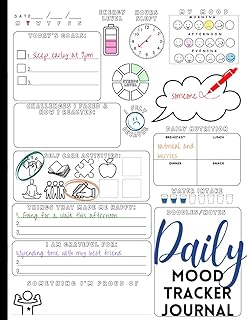


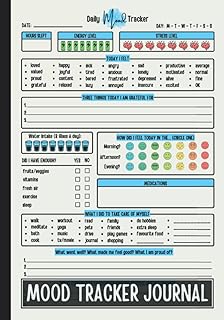


Goal Tracking: Daily entries keep goals visible, fostering accountability and motivation for personal growth
Daily journaling serves as a powerful tool for goal tracking, transforming abstract aspirations into tangible, actionable plans. By recording goals in a journal, individuals create a visual reminder that anchors their intentions in reality. This simple act of visibility is the first step in a psychological process that enhances commitment and clarity. Each entry becomes a checkpoint, allowing individuals to assess progress, adjust strategies, and celebrate milestones. Unlike fleeting thoughts or digital notes, a physical or dedicated digital journal provides a structured space where goals are not just listed but actively engaged with, making them harder to ignore or forget.
The practice of daily journaling fosters accountability by creating a personal contract with oneself. When goals are written down and revisited regularly, they shift from being passive wishes to active commitments. For instance, someone aiming to improve their physical health might journal about their daily exercise routine, noting challenges and successes. Over time, this habit builds a sense of responsibility, as skipping a day or falling short becomes a visible deviation from the plan. Research suggests that the act of writing down goals increases the likelihood of achieving them by 42%, as it engages the brain’s reticular activating system, heightening focus and motivation.
Motivation thrives in the context of progress, and daily journaling provides a clear pathway to track it. For example, a student preparing for exams can use their journal to log study hours, topics covered, and test scores. Seeing incremental improvements reinforces the belief in one’s ability to succeed, a concept known as self-efficacy. Conversely, setbacks become opportunities for reflection rather than sources of discouragement. By analyzing what went wrong and adjusting strategies, individuals maintain momentum and stay aligned with their long-term vision. This iterative process turns journaling into a dynamic tool for growth rather than a static record of intentions.
Practical tips can enhance the effectiveness of goal tracking through journaling. Start by breaking larger goals into smaller, manageable tasks, and assign deadlines to create urgency. Use color-coding, bullet points, or charts to make progress visually appealing and easy to interpret. For instance, a weight loss goal could be tracked with a graph showing weekly progress, while a career goal might include a checklist of skills to acquire. Consistency is key—dedicate 5–10 minutes daily to update your journal, even on days when progress seems minimal. Finally, incorporate affirmations or positive reflections to maintain a growth mindset, ensuring that the journaling process remains encouraging rather than critical.
Incorporating goal tracking into daily journaling not only supports mental health by reducing anxiety and overwhelm but also cultivates a proactive approach to life. It shifts the focus from outcomes to the process, celebrating effort as much as achievement. For those new to journaling, start small—focus on one goal at a time and gradually expand as the habit solidifies. Over time, this practice becomes a mirror reflecting personal evolution, a testament to resilience, and a roadmap to continued growth. By keeping goals visible and actionable, journaling transforms aspirations into realities, one entry at a time.
Free Clinics and Mental Health: Accessible Support or Limited Services?
You may want to see also
Explore related products


Problem Solving: Writing problems down organizes thoughts, making solutions clearer and more manageable
Writing problems down is a simple yet powerful act of externalization. When you transfer a mental burden onto paper, you shift it from the abstract, often chaotic realm of your mind into a concrete, observable form. This process immediately reduces the cognitive load, allowing you to see the problem as an object separate from yourself rather than an overwhelming force within you. Think of it as unpacking a cluttered drawer—once items are laid out, it’s easier to decide what to keep, discard, or reorganize. This mental distancing is the first step in transforming an amorphous worry into a solvable challenge.
Consider the structure journaling imposes on your thoughts. A blank page forces you to break down a problem into components: causes, effects, emotions, and potential actions. For instance, instead of ruminating on a vague sense of workplace stress, you might write, *“My manager’s feedback feels unfair, which makes me anxious about my performance review next month.”* This specificity clarifies the issue, making it less daunting. Research in cognitive psychology supports this: structuring information through writing activates the prefrontal cortex, the brain’s problem-solving center, while reducing amygdala activity, which drives emotional reactivity. In practical terms, spend 5–10 minutes daily dissecting one problem into its core elements—you’ll often find the solution hiding in the details.
Journaling also serves as a tool for pattern recognition. Over time, written records reveal recurring themes or triggers, turning isolated incidents into actionable insights. For example, if you frequently write about feeling overwhelmed by deadlines, you might notice a pattern of overcommitting. This awareness is the precursor to change. A 2018 study in *Advances in Psychiatric Treatment* found that individuals who journaled about stressors over 12 weeks reported a 25% reduction in perceived problem severity, largely due to identifying and addressing recurring issues. To maximize this benefit, periodically review your entries monthly, highlighting repeated phrases or emotions. This meta-analysis turns your journal into a personalized problem-solving manual.
However, journaling for problem-solving isn’t without pitfalls. Avoid the trap of merely venting, which can reinforce negative thought loops. Instead, adopt a solution-focused approach by ending each entry with a question like, *“What’s one small step I can take today?”* Additionally, be mindful of timing—writing about distressing problems late at night may disrupt sleep. Aim for morning or early afternoon sessions when your mind is alert and receptive to strategic thinking. Finally, combine journaling with physical action; for instance, after identifying a conflict with a colleague, schedule a conversation within 48 hours to address it directly. The goal is to use writing as a springboard, not a crutch.
In essence, journaling transforms problem-solving from an internal struggle into an external, manageable process. It’s not about finding instant answers but creating the mental space to see possibilities. By organizing thoughts, recognizing patterns, and bridging reflection with action, you turn the page on problems—literally and metaphorically. Start today: grab a notebook, set a timer for 7 minutes, and write down one problem. Watch how the act of externalizing it begins to unravel its grip.
Government's Role in Mental Health: Progress, Challenges, and Future Steps
You may want to see also
Explore related products





Gratitude Practice: Recording daily gratitudes shifts focus to positives, improving mood and outlook
A simple yet powerful tool for enhancing mental well-being lies in the practice of gratitude journaling. By intentionally recording daily gratitudes, individuals can train their minds to notice and appreciate the positives in life, no matter how small. This shift in focus from what’s lacking to what’s abundant has been shown to improve mood, reduce stress, and foster a more optimistic outlook. Research suggests that consistent gratitude practice can rewire neural pathways, making it easier to access positive emotions even during challenging times.
To begin, set aside 5–10 minutes each day, ideally in the morning or before bed, to reflect on moments, people, or experiences you’re grateful for. Be specific—instead of writing "I’m grateful for my family," note something like, "I’m grateful for the way my partner listened to me today." This precision amplifies the emotional impact. Use a dedicated journal or a digital app, but ensure the practice feels personal and intentional. Studies indicate that writing by hand can deepen emotional processing, though typing works equally well for those who prefer it.
One common pitfall is falling into rote repetition, such as listing the same gratitudes daily. To avoid this, challenge yourself to find *new* things to appreciate each day. It could be the warmth of sunlight through a window, a kind gesture from a stranger, or even the taste of your morning coffee. For those struggling to identify gratitudes, start with sensory experiences—what did you see, hear, touch, taste, or smell today that brought you joy? This approach grounds the practice in the present moment, making it more tangible and impactful.
While gratitude journaling is beneficial for all ages, it’s particularly effective for adolescents and adults dealing with stress, anxiety, or depression. A 2015 study published in *Behavior Research and Therapy* found that participants who engaged in gratitude exercises reported significantly better mental health after just two weeks. However, consistency is key—sporadic practice yields limited results. Pairing gratitude journaling with other mindfulness techniques, such as deep breathing or meditation, can further enhance its benefits.
Incorporating gratitude into daily life doesn’t require grand gestures. Start small, stay consistent, and watch as this practice gradually reshapes your perspective. Over time, you may find yourself naturally noticing more positives in your environment, a testament to the transformative power of gratitude. As with any habit, patience and persistence are essential—the rewards come not from perfection, but from the act of showing up each day with an open heart and a willing pen.
Turmeric's Potential Role in Supporting Mental Health and Wellness
You may want to see also
Frequently asked questions
Daily journaling helps improve mental health by providing a safe space to express thoughts and emotions, reducing stress, and promoting self-awareness. It allows individuals to process their feelings, track patterns, and gain clarity on their experiences.
Yes, journaling can reduce anxiety and depression symptoms by helping individuals identify and address negative thought patterns. Writing about worries or stressors can make them feel more manageable and less overwhelming.
Journaling daily, even for just 10–15 minutes, can yield significant mental health benefits. Consistency is key, as regular reflection helps build emotional resilience and mindfulness over time.
Write about your emotions, daily experiences, gratitude, goals, or challenges. Focusing on positive aspects, such as gratitude, or exploring difficult feelings can both contribute to improved mental well-being.