Noah Parker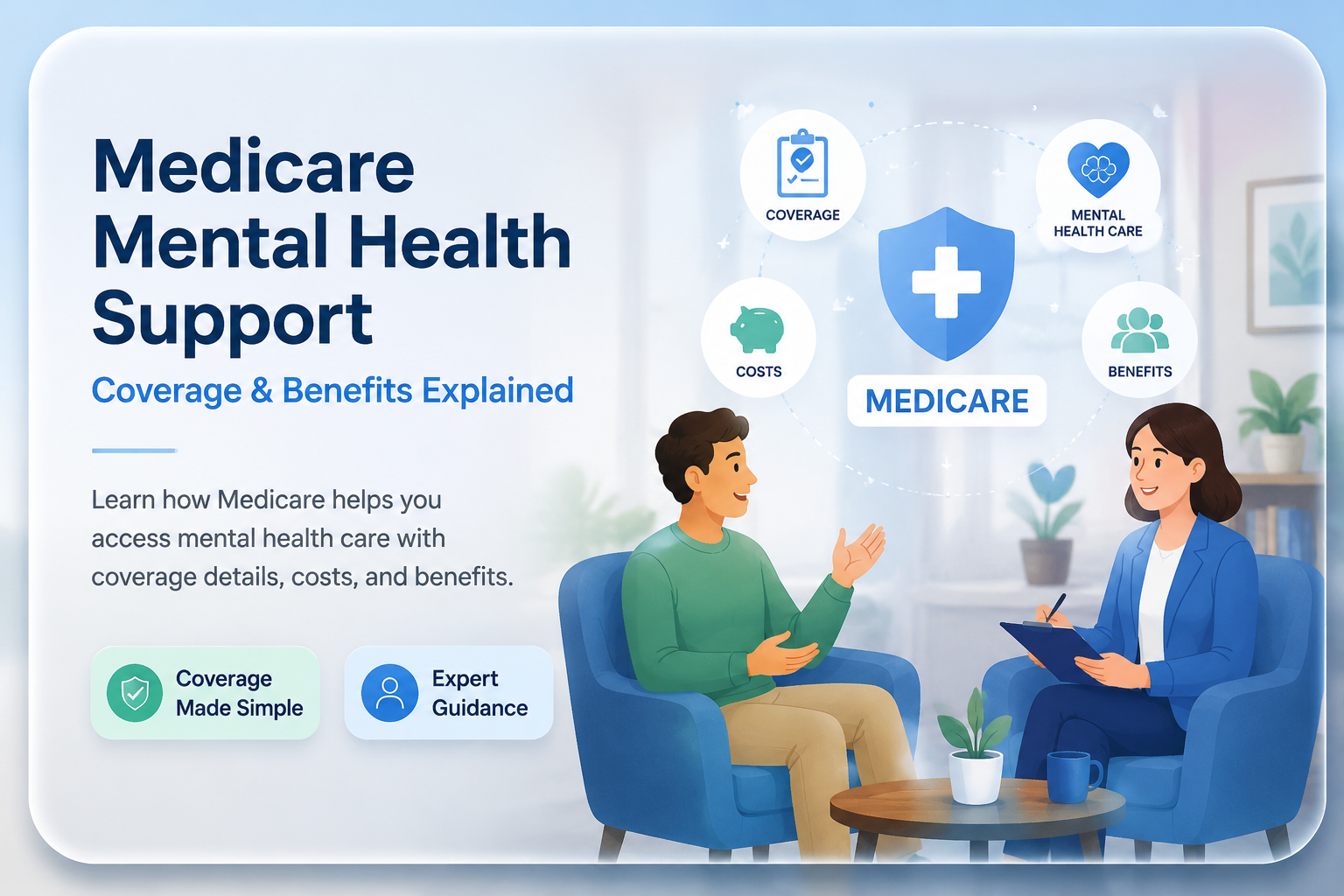
Medicare plays a crucial role in supporting individuals with mental health issues by providing access to essential services and treatments. Under Medicare Part B, beneficiaries can receive outpatient mental health care, including therapy sessions, psychiatric evaluations, and medication management. Additionally, Medicare Part A covers inpatient mental health services for those requiring hospitalization. Medicare Advantage plans often offer expanded mental health benefits, such as access to telehealth services and wellness programs. While Medicare helps bridge gaps in mental health care, limitations exist, such as coverage restrictions and potential out-of-pocket costs, highlighting the need for continued advocacy and policy improvements to ensure comprehensive support for those in need.
Explore related products



What You'll Learn

Medicare coverage for therapy sessions
Medicare does cover therapy sessions, but the specifics depend on the type of therapy and the setting in which it’s provided. For instance, Medicare Part B covers outpatient mental health services, including individual and group psychotherapy, family counseling when the focus is on the patient’s condition, and certain diagnostic assessments. These services are typically provided by licensed psychiatrists, psychologists, clinical social workers, or other qualified mental health professionals. Beneficiaries are responsible for 20% of the Medicare-approved amount after the Part B deductible is met, making it essential to budget for these out-of-pocket costs.
One critical aspect of Medicare coverage for therapy is the frequency and duration of sessions. While Medicare does not impose a strict limit on the number of therapy sessions per year, it requires that the services be medically necessary and supported by a treatment plan. For example, a patient with severe depression might receive weekly sessions initially, tapering to biweekly or monthly as symptoms improve. Medicare Advantage plans, offered by private insurers, may provide additional flexibility or coverage for therapy sessions, so beneficiaries should review their plan details carefully.
A lesser-known benefit is Medicare’s coverage of telehealth services for therapy, expanded significantly during the COVID-19 pandemic. This allows beneficiaries to access mental health care remotely, which is particularly beneficial for those in rural areas or with mobility challenges. To qualify, the therapy session must be conducted via a HIPAA-compliant platform, and the provider must be licensed in the state where the patient is located. This flexibility has made therapy more accessible, reducing barriers to care for many Medicare recipients.
Despite these benefits, navigating Medicare’s coverage for therapy can be complex. For instance, Medicare does not cover couples or marriage counseling unless it directly relates to the patient’s diagnosed mental health condition. Additionally, some forms of therapy, such as art or music therapy, are only covered if they are part of a broader, medically necessary treatment plan. Beneficiaries should work closely with their healthcare providers to ensure their therapy sessions meet Medicare’s criteria and to avoid unexpected costs.
In conclusion, Medicare’s coverage for therapy sessions is a vital resource for beneficiaries struggling with mental health issues, offering access to a range of services from traditional psychotherapy to telehealth options. However, understanding the nuances of coverage—such as cost-sharing, session frequency, and eligibility criteria—is key to maximizing this benefit. By staying informed and collaborating with providers, Medicare recipients can effectively utilize therapy services to support their mental well-being.
Boost Your Mental Health: Hobbies That Heal and Inspire
You may want to see also
Explore related products


Prescription drug benefits for mental health
Medicare’s prescription drug benefits, offered through Part D plans, play a critical role in supporting mental health treatment by covering essential medications. These plans typically include a formulary—a list of covered drugs—that encompasses antidepressants, antipsychotics, mood stabilizers, and anti-anxiety medications. For instance, commonly prescribed medications like fluoxetine (Prozac), sertraline (Zoloft), and quetiapine (Seroquel) are often included in these formularies. However, coverage specifics vary by plan, so beneficiaries must review their plan’s drug list to ensure their prescribed medications are covered.
One practical tip for maximizing Part D benefits is to understand the tiered cost structure. Most plans categorize drugs into tiers, with generic medications (Tier 1) being the most affordable and specialty drugs (Tier 4 or 5) costing significantly more. For mental health, generics like escitalopram (Lexapro) or bupropion (Wellbutrin) are often available at lower costs. Beneficiaries can work with their healthcare provider to explore generic alternatives or use plan tools to estimate out-of-pocket costs. Additionally, some plans offer mail-order pharmacies, which can provide a 90-day supply of medication at a reduced cost, ideal for long-term mental health management.
A cautionary note: Part D plans have coverage gaps, commonly known as the "donut hole," where beneficiaries pay a higher percentage of drug costs after reaching a certain spending threshold. In 2023, this gap begins after $4,660 in total drug costs. However, once catastrophic coverage is reached (around $7,400 out-of-pocket), costs are significantly reduced. To mitigate this, beneficiaries can apply for Extra Help, a program for low-income individuals that reduces premiums, deductibles, and copays. Eligibility is based on income and assets, with single individuals qualifying if their income is below $20,000 annually.
Finally, a comparative analysis reveals that Medicare Advantage (Part C) plans often include prescription drug coverage (Part D) as part of their benefits package. These plans may offer additional perks, such as lower copays or access to telehealth services for mental health counseling. For example, some Advantage plans provide coverage for medications like aripiprazole (Abilify) or duloxetine (Cymbalta) with reduced out-of-pocket costs compared to standalone Part D plans. Beneficiaries should compare their options during the annual enrollment period (October 15 to December 7) to select a plan that best aligns with their mental health medication needs.
Virginia Woolf's Battle: Seeking Aid for Her Mental Health Struggles
You may want to see also
Explore related products


Inpatient psychiatric care eligibility
Medicare does cover inpatient psychiatric care, but eligibility hinges on meeting specific criteria. This care is typically reserved for individuals experiencing severe mental health crises that cannot be safely managed in an outpatient setting. Understanding these criteria is crucial for anyone navigating Medicare benefits for themselves or a loved one.
For Medicare Part A to cover inpatient psychiatric care, a beneficiary must be formally admitted to a Medicare-certified psychiatric hospital or the psychiatric unit of a general hospital. Observation stays, even in a psychiatric setting, are not considered inpatient care and are covered under Medicare Part B, often with higher out-of-pocket costs. The admitting physician must certify that the individual requires 24-hour inpatient care due to the severity of their mental health condition. This could include conditions like severe depression with suicidal ideation, psychotic episodes, or acute mania.
It's important to note that Medicare coverage for inpatient psychiatric care is not unlimited. Medicare Part A typically covers up to 190 lifetime inpatient psychiatric hospital days. Once this limit is reached, beneficiaries are responsible for all costs. However, there's a "lifetime reserve" of an additional 60 days that can be used, but this comes with significant daily coinsurance costs.
Additionally, Medicare Advantage plans (Part C) may offer more comprehensive coverage for inpatient psychiatric care, potentially including additional days or reduced out-of-pocket expenses. It's essential to carefully review the specifics of your individual plan.
To ensure eligibility and minimize out-of-pocket expenses, beneficiaries should proactively communicate with their healthcare providers and Medicare representatives. Understanding the specific criteria for inpatient admission, the coverage limitations, and the potential benefits of Medicare Advantage plans empowers individuals to make informed decisions about their mental health care. Remember, seeking help for mental health concerns is a sign of strength, and Medicare can be a valuable resource in accessing the necessary treatment.
Seeking Mental Health Support: Does Therapy and Treatment Truly Work?
You may want to see also
Explore related products


Outpatient mental health services included
Medicare’s coverage of outpatient mental health services is a critical lifeline for millions, offering access to therapy, counseling, and medication management without requiring hospitalization. Under Medicare Part B, beneficiaries can receive services like individual psychotherapy, family counseling, and psychiatric evaluations, typically after paying an annual deductible and 20% of the Medicare-approved amount. For example, a 65-year-old retiree with depression can see a licensed therapist weekly, with Medicare covering a significant portion of the cost, making consistent care financially feasible.
One standout feature is the inclusion of medication management, a service often overlooked in mental health discussions. Psychiatrists and nurse practitioners can prescribe and monitor medications like SSRIs (e.g., fluoxetine) or mood stabilizers (e.g., lithium), with Medicare Part D helping cover the drug costs. For instance, a beneficiary prescribed sertraline (50 mg daily) could pay as little as $5 per month with the right Part D plan, reducing the financial burden of long-term treatment. This integration of pharmacotherapy and therapy mirrors evidence-based practices, ensuring holistic care.
However, navigating Medicare’s outpatient mental health benefits requires vigilance. Not all providers accept Medicare assignment, meaning some may charge more than the approved amount. Beneficiaries should verify their therapist’s or psychiatrist’s participation status to avoid unexpected out-of-pocket costs. Additionally, services like group therapy or experimental treatments (e.g., transcranial magnetic stimulation) may have limited coverage, necessitating supplemental insurance or out-of-pocket payment. Practical tip: Use Medicare’s “Physician Compare” tool to find providers who accept assignment and specialize in mental health.
Comparatively, Medicare’s outpatient mental health coverage is more comprehensive than many private insurance plans, particularly for older adults and those with disabilities. While private plans often cap therapy sessions or require high copays, Medicare offers unlimited annual therapy visits as long as they’re medically necessary. For example, a 70-year-old with anxiety disorder can attend weekly cognitive-behavioral therapy sessions without worrying about hitting a session limit, a flexibility rare in commercial insurance.
In conclusion, Medicare’s outpatient mental health services are a robust but nuanced resource. By understanding coverage specifics—like Part B’s 20% coinsurance, Part D’s role in medication costs, and provider participation—beneficiaries can maximize their benefits. For those aged 65 and older or with qualifying disabilities, this coverage can be transformative, offering consistent access to therapy, medication management, and psychiatric care. The key is proactive planning: check provider networks, understand cost-sharing responsibilities, and leverage tools like Medicare’s online resources to navigate the system effectively.
Occupational Therapy's Role in Mental Health: A Comprehensive Guide
You may want to see also
Explore related products


$9.39 $17.99



Medicare support for substance abuse treatment
Substance abuse disorders often intertwine with mental health issues, creating a complex web of challenges for individuals seeking recovery. Medicare recognizes this connection and offers comprehensive support for those battling addiction. Here’s how it works: Medicare Part A covers inpatient treatment, including hospital stays for detoxification and residential rehab programs. Part B extends to outpatient services such as therapy sessions, counseling, and medication-assisted treatment (MAT), which may include FDA-approved medications like methadone, buprenorphine, or naltrexone. These services are vital for addressing both the physical and psychological aspects of addiction.
Consider the practical steps to access Medicare-covered substance abuse treatment. First, ensure eligibility—Medicare typically covers individuals aged 65 and older, younger people with disabilities, and those with end-stage renal disease. Next, verify that the treatment facility accepts Medicare. For outpatient services, obtain a referral from a primary care physician if required. Keep in mind that while Medicare covers a significant portion of costs, beneficiaries may still face copayments or deductibles. For instance, Part B generally covers 80% of approved outpatient services after the annual deductible is met.
A comparative analysis reveals Medicare’s advantages in substance abuse treatment. Unlike many private insurance plans, Medicare provides coverage for long-term residential treatment, which can be crucial for severe cases. Additionally, Medicare’s inclusion of MAT sets it apart, as not all insurers cover these medications. However, limitations exist. For example, Medicare Advantage plans may offer additional benefits but often restrict provider networks, potentially limiting access to specialized care. Beneficiaries should carefully review their plan details to maximize coverage.
Persuasively, Medicare’s role in substance abuse treatment is transformative, offering a lifeline to those in need. By integrating mental health and addiction services, Medicare addresses the dual nature of these disorders. For instance, a beneficiary struggling with both depression and opioid addiction can receive counseling for mental health under Part B while accessing MAT for addiction. This holistic approach increases the likelihood of sustained recovery. However, awareness is key—many beneficiaries remain unaware of the full extent of Medicare’s coverage for substance abuse treatment, underscoring the need for better outreach and education.
Finally, a descriptive snapshot illustrates Medicare’s impact. Imagine a 55-year-old beneficiary with a long-standing alcohol use disorder. Through Medicare, they enroll in a 30-day inpatient detox program covered by Part A, followed by weekly outpatient therapy and MAT covered by Part B. Over time, they transition to a support group, also covered under Medicare’s behavioral health benefits. This seamless continuum of care, made possible by Medicare, highlights its potential to change lives. By leveraging these benefits, individuals can navigate the path to recovery with greater support and fewer financial barriers.
Boost Mental Health, Shed Pounds: The Mind-Body Weight Loss Connection
You may want to see also
Frequently asked questions
Yes, Medicare covers a range of mental health services, including therapy, counseling, and psychiatric care, under Part B and Part A for inpatient care.
Yes, Medicare Part B covers outpatient therapy sessions, including individual and group therapy, with a 20% coinsurance after the deductible is met.
Yes, Medicare Part D, which is prescription drug coverage, includes medications for mental health conditions like depression, anxiety, and bipolar disorder.
Yes, Medicare Part A covers inpatient mental health care in a psychiatric hospital or general hospital, with specific cost-sharing requirements based on the length of stay.