Ava Ramirez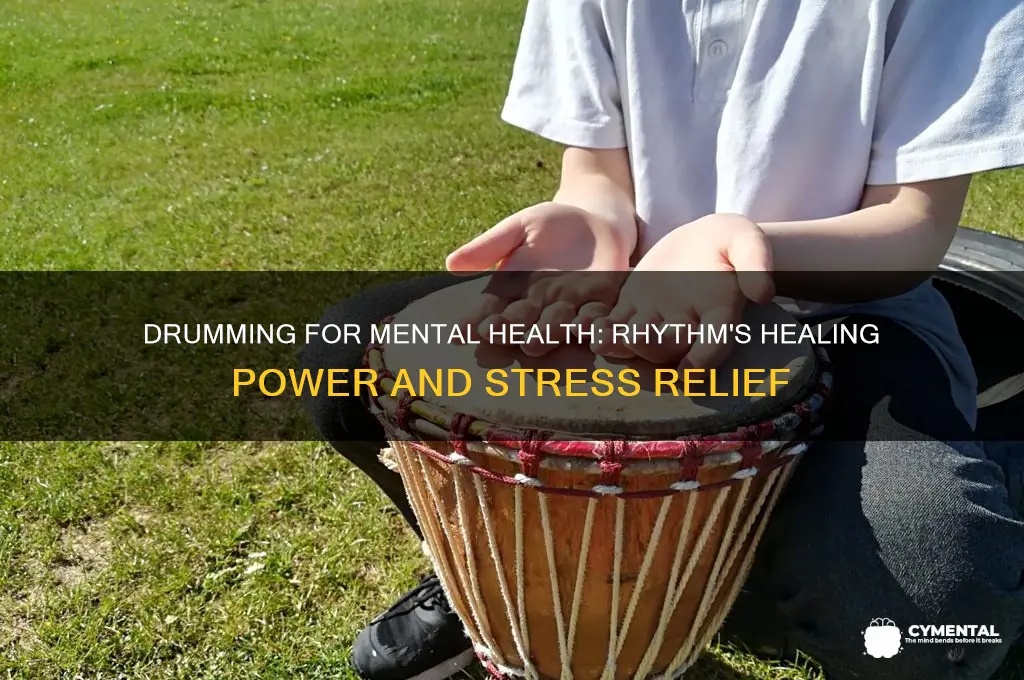
Drumming has emerged as a powerful tool for enhancing mental health, offering a unique blend of physical, emotional, and cognitive benefits. The rhythmic nature of drumming engages both the body and mind, promoting mindfulness and reducing stress by synchronizing brain waves with the beat. Studies have shown that drumming can lower cortisol levels, the hormone associated with stress, while increasing endorphins, which boost mood and feelings of well-being. Additionally, the communal aspect of group drumming fosters social connection, combating feelings of isolation and improving emotional resilience. Whether practiced individually or in a group setting, drumming provides a creative outlet for self-expression, helping individuals process emotions and alleviate symptoms of anxiety, depression, and PTSD. Its accessibility and universal appeal make it an effective and enjoyable therapeutic activity for people of all ages and backgrounds.
| Characteristics | Values |
|---|---|
| Stress Reduction | Drumming reduces stress by lowering cortisol levels and promoting relaxation. |
| Emotional Release | It provides an outlet for emotional expression, helping to release pent-up emotions. |
| Mindfulness & Focus | Drumming encourages present-moment awareness, enhancing mindfulness and concentration. |
| Social Connection | Group drumming fosters a sense of community and belonging, reducing feelings of isolation. |
| Physical Activity | It increases physical activity, boosting endorphins and improving overall mood. |
| Neuroplasticity | Drumming stimulates the brain, promoting neural connections and cognitive function. |
| Rhythm & Entrainment | Synchronizing with rhythms can regulate heart rate, blood pressure, and breathing. |
| Self-Expression | It allows for creative expression, boosting self-esteem and confidence. |
| Pain Management | Drumming can act as a distraction from pain, reducing its perception. |
| Anxiety & Depression Relief | Regular drumming has been shown to alleviate symptoms of anxiety and depression. |
| Improved Sleep | The relaxation induced by drumming can enhance sleep quality. |
| PTSD Support | Drumming therapy is used to help individuals process trauma and reduce PTSD symptoms. |
| Enhanced Communication | Non-verbal communication through drumming can improve interpersonal skills. |
| Boosts Immunity | Reduced stress and increased endorphins can strengthen the immune system. |
| Cultural Connection | Drumming connects individuals to cultural traditions, providing a sense of identity. |
Explore related products



What You'll Learn
- Stress Reduction: Drumming lowers cortisol, reduces stress, and promotes relaxation through rhythmic patterns and physical activity
- Emotional Release: Playing drums helps express emotions, alleviating anxiety and fostering emotional well-being
- Mindfulness Practice: Drumming focuses the mind, enhancing mindfulness and reducing overthinking
- Social Connection: Group drumming builds community, combats loneliness, and boosts mental health support
- Cognitive Benefits: Rhythmic drumming improves focus, memory, and overall brain function through neural stimulation

Stress Reduction: Drumming lowers cortisol, reduces stress, and promotes relaxation through rhythmic patterns and physical activity
Drumming isn't just about creating music; it's a powerful tool for stress relief. The rhythmic patterns and physical engagement involved in drumming have been shown to lower cortisol levels, the body's primary stress hormone. A study published in the *Journal of Music Therapy* found that participants who engaged in group drumming sessions experienced a significant decrease in cortisol levels compared to those who did not. This biological response underscores why drumming can be an effective, natural way to combat stress.
To harness these benefits, consider incorporating drumming into your routine for as little as 15–30 minutes daily. Start with simple rhythms, focusing on steady beats rather than complexity. The key is consistency; regular practice allows your body to recognize drumming as a signal to relax. For beginners, hand drums or drum pads are accessible options that require minimal setup. Pairing drumming with deep breathing can amplify its calming effects, as the physical activity combines with mindful respiration to promote relaxation.
While drumming is beneficial for all ages, it’s particularly effective for adults and adolescents facing high-stress environments, such as workplaces or academic settings. Group drumming sessions, often facilitated in community centers or wellness programs, add a social element that enhances stress reduction. The synchrony of playing with others fosters a sense of connection, further lowering stress levels. However, solo drumming is equally valid; even a brief session can interrupt the stress cycle and provide immediate relief.
One practical tip is to use drumming as a transition activity between stressful tasks. For example, after a long workday, spend 10 minutes drumming to signal to your body that it’s time to unwind. Avoid overthinking the technique—focus on the rhythm and the physical sensation of striking the drum. Over time, this practice can rewire your stress response, making relaxation a more accessible state. Whether you’re a seasoned drummer or a novice, the act of drumming offers a tangible, rhythmic pathway to a calmer mind.
Post-Pandemic Mental Health: Are Younger Generations Seeking More Support?
You may want to see also
Explore related products


Emotional Release: Playing drums helps express emotions, alleviating anxiety and fostering emotional well-being
Drumming serves as a powerful outlet for emotional expression, allowing individuals to release pent-up feelings in a constructive and rhythmic manner. Unlike verbal communication, which often requires clarity and coherence, drumming permits raw, unfiltered emotion to flow freely. This non-verbal form of expression is particularly beneficial for those who struggle to articulate their feelings or who feel overwhelmed by anxiety. The act of striking a drum can act as a physical metaphor for releasing tension, providing immediate relief and a sense of catharsis.
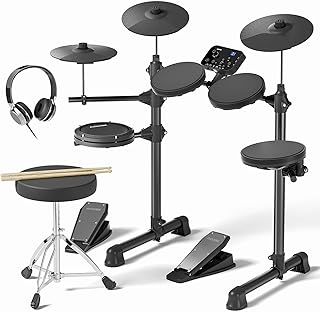
Consider the process of drumming as a structured yet liberating activity. When you sit behind a drum kit or hold a hand drum, you’re not just making noise—you’re engaging in a dialogue with your emotions. For instance, fast, intense rhythms can mirror anger or frustration, while slower, softer beats may reflect sadness or introspection. This emotional mapping through rhythm allows individuals to externalize their inner turmoil, making it easier to process and manage. Research suggests that even 20–30 minutes of drumming daily can significantly reduce symptoms of anxiety by lowering cortisol levels, the body’s primary stress hormone.
To maximize the emotional release benefits of drumming, start with a simple exercise: close your eyes, take a deep breath, and let your hands move freely on the drum surface. Focus on how your emotions feel physically—tightness in your chest, restlessness in your limbs—and translate those sensations into sound. Beginners can use a single drum or even a tabletop to avoid feeling overwhelmed by complexity. Advanced drummers might explore polyrhythms or improvisational techniques to deepen their emotional connection to the instrument. The key is to let go of perfection and embrace the therapeutic process.
A cautionary note: while drumming can be incredibly liberating, it’s essential to approach it mindfully, especially if you’re dealing with intense emotions. If drumming stirs up overwhelming feelings, pair the activity with grounding techniques, such as deep breathing or journaling, to process the experience afterward. Additionally, consider drumming in a supportive environment, like a group session or with a therapist, if you’re new to using music as a coping mechanism.
In conclusion, drumming offers a unique pathway to emotional release, bridging the gap between physical action and mental relief. By channeling emotions into rhythm, individuals can alleviate anxiety, foster emotional well-being, and develop a healthier relationship with their feelings. Whether you’re a seasoned drummer or a curious beginner, the drum kit can become a trusted ally in your mental health toolkit.
Mental Health History: Boosting Temporary Insanity Claims in Court?
You may want to see also
Explore related products


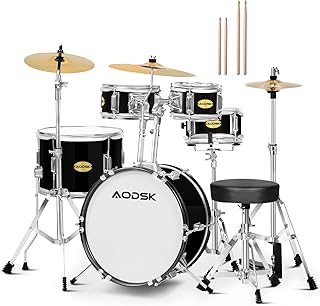


Mindfulness Practice: Drumming focuses the mind, enhancing mindfulness and reducing overthinking
Drumming demands presence. Each strike requires coordination, rhythm, and attention, pulling your mind away from intrusive thoughts and anchoring it in the moment. This forced focus mirrors the core principle of mindfulness: observing without judgment, existing fully in the now. Unlike passive activities, drumming engages multiple senses—the tactile feel of the sticks, the auditory rhythm, the visual movement—creating a sensory immersion that quiets mental chatter.
Consider a study where participants engaged in 30-minute drumming sessions three times a week. Researchers noted a significant decrease in self-reported rumination and an increase in self-reported mindfulness scores after just four weeks. The repetitive nature of drumming, particularly in group settings, fosters a meditative state, allowing individuals to detach from cyclical thinking patterns. For beginners, starting with simple 4/4 beats at a moderate tempo (80-100 BPM) can provide structure without overwhelming cognitive load, gradually training the mind to stay present.
However, mindfulness through drumming isn’t solely about rhythm; it’s about intention. Drummers are encouraged to notice the subtle variations in sound, the tension in their wrists, or the rise and fall of their breath. This heightened awareness translates off the drum kit, helping individuals approach daily stressors with greater clarity and less reactivity. For instance, a teenager struggling with exam anxiety might use a 5-minute drumming break to reset, focusing on the physical act of playing rather than spiraling worries.
While drumming is accessible across ages, its mindfulness benefits are particularly potent for adolescents and adults. Children under 10 may struggle with the coordination required, but simplified rhythms or hand drumming can still offer focus-building benefits. Adults, especially those with desk jobs, find drumming a physical outlet that doubles as a mental reset. Caution should be taken with volume—prolonged exposure to loud drumming without ear protection can counteract benefits by inducing stress. Opt for electronic kits with headphones or acoustic drums in soundproof spaces for sustained practice.
Incorporating drumming into a mindfulness routine need not be complex. Start with 10-minute sessions, focusing on maintaining a steady beat rather than complexity. Pair this with deep breathing, inhaling for four beats and exhaling for four, to deepen the mind-body connection. Over time, introduce variations—syncopated rhythms or polyrhythms—to challenge focus further. The goal isn’t perfection but presence, using the drum as a tool to reclaim your mind from the noise of overthinking.
Supporting Men's Mental Health: Strategies for Awareness, Action, and Healing
You may want to see also
Explore related products


Social Connection: Group drumming builds community, combats loneliness, and boosts mental health support
Drumming in a group setting is a powerful antidote to social isolation, a growing concern in modern society. Research shows that loneliness can have detrimental effects on mental health, increasing the risk of depression, anxiety, and even cognitive decline. Group drumming offers a unique solution by fostering a sense of belonging and connection. When individuals come together to create a rhythmic ensemble, they engage in a shared experience that transcends words, breaking down barriers and building a sense of community.
Consider the process: participants gather, often with no prior musical experience, and are guided to contribute to a collective rhythm. This shared goal encourages collaboration and communication, even if it's just through eye contact and body language. The act of synchronizing movements and sounds with others releases oxytocin, the "bonding hormone," which promotes feelings of trust and connection. A study published in the *Journal of Music Therapy* found that group drumming significantly increased oxytocin levels, leading to improved social bonding and reduced stress among participants.
To maximize the benefits of group drumming for social connection, consistency is key. Aim for weekly sessions of at least 30 minutes, as regular engagement helps build familiarity and trust among participants. For older adults, intergenerational drumming circles can be particularly effective, bridging age gaps and fostering mutual understanding. Schools and workplaces can also incorporate drumming activities to strengthen relationships and improve group dynamics. Practical tips include starting with simple rhythms to ensure inclusivity and gradually introducing more complex patterns as the group becomes more cohesive.
While the social benefits are clear, it’s important to approach group drumming with sensitivity. Not everyone feels comfortable in large groups, so smaller circles of 5–10 people can be more inviting. Facilitators should create a safe, non-judgmental space, emphasizing that there’s no right or wrong way to drum. For those with social anxiety, starting with one-on-one drumming sessions before joining a group can ease the transition. Ultimately, group drumming serves as a reminder that connection is a fundamental human need, and rhythm can be a universal language to meet it.
Supporting Loved Ones: A Guide to Accessing Mental Health Assistance
You may want to see also
Explore related products


Cognitive Benefits: Rhythmic drumming improves focus, memory, and overall brain function through neural stimulation
Drumming isn't just about creating music—it's a powerful tool for enhancing cognitive function. The rhythmic patterns involved in drumming stimulate neural pathways, fostering improved focus, memory, and overall brain health. This phenomenon is rooted in the brain's natural response to rhythm, which synchronizes brainwaves and promotes heightened mental clarity. For instance, studies have shown that even 30 minutes of rhythmic drumming can lead to measurable improvements in attention span and cognitive processing speed.
To harness these benefits, consider incorporating drumming into your routine as a structured practice. Start with simple rhythms, focusing on maintaining a steady beat for 10-15 minutes daily. Gradually increase complexity as your coordination improves. For children and older adults, group drumming sessions can be particularly effective, as they combine cognitive stimulation with social interaction. Research suggests that consistent practice, ideally 3-4 times per week, yields the most significant cognitive enhancements, especially in areas like working memory and task switching.
One of the most fascinating aspects of drumming is its ability to engage both hemispheres of the brain simultaneously. This bilateral coordination not only strengthens neural connections but also enhances problem-solving skills and creativity. For example, a study published in *Evolutionary Psychology* found that participants who engaged in rhythmic drumming demonstrated greater cognitive flexibility compared to those who did not. To maximize this effect, experiment with different drumming styles, such as African or Latin rhythms, which often involve intricate polyrhythms that challenge the brain in unique ways.
However, it’s important to approach drumming with mindfulness to avoid potential pitfalls. Overdoing it, especially without proper technique, can lead to physical strain or mental fatigue. Beginners should focus on ergonomics, using padded drumsticks and maintaining a relaxed posture. Additionally, while drumming is beneficial for most age groups, individuals with certain neurological conditions, such as epilepsy, should consult a healthcare professional before starting a drumming regimen.
In conclusion, rhythmic drumming is more than a creative outlet—it’s a science-backed method for boosting cognitive function. By dedicating time to this practice, you can improve focus, memory, and overall brain health through targeted neural stimulation. Whether you’re a novice or an experienced drummer, the key lies in consistency, variety, and mindful engagement. Start small, stay curious, and let the rhythm guide your brain to new heights.
Hydration's Mental Boost: Unlocking Cognitive Benefits for a Sharper Mind
You may want to see also
Frequently asked questions
Drumming promotes the release of endorphins, the body’s natural "feel-good" chemicals, which help reduce stress and anxiety. The rhythmic nature of drumming also induces a meditative state, calming the mind and lowering cortisol levels.
Yes, drumming stimulates the brain’s reward centers, boosting serotonin and dopamine levels, which can improve mood and alleviate symptoms of depression. The sense of accomplishment and creativity from drumming also enhances emotional well-being.
Drumming enhances cognitive function by improving focus, concentration, and memory. It engages both hemispheres of the brain, fostering neural connections and promoting mental clarity.
Drumming provides a non-verbal outlet for emotions, allowing individuals to express and release pent-up feelings. The physical act of drumming can be cathartic, helping to process emotions like anger, sadness, or frustration.
Yes, drumming is often used in music therapy to address mental health issues such as PTSD, ADHD, and anxiety disorders. Its structured yet creative nature helps individuals develop coping skills, improve self-esteem, and foster a sense of connection.