Madison Cole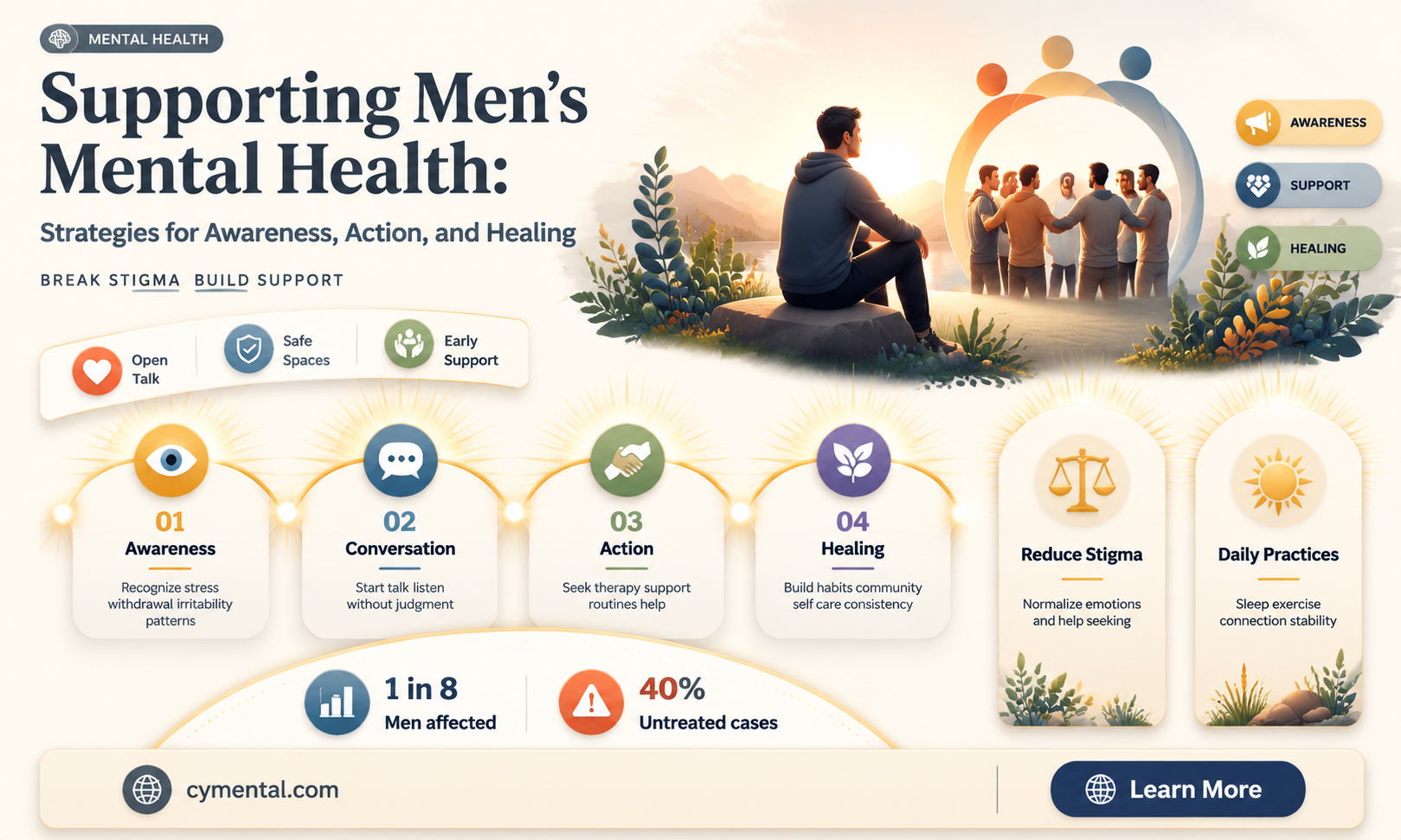
Men's mental health is a critical yet often overlooked issue, as societal expectations and traditional gender roles frequently discourage men from expressing vulnerability or seeking help. Stigma surrounding mental health, coupled with a culture that equates masculinity with stoicism, leaves many men suffering in silence, leading to higher rates of depression, anxiety, and suicide. To address this crisis, it is essential to foster open conversations, challenge harmful stereotypes, and create safe, non-judgmental spaces where men feel empowered to share their struggles. By promoting mental health education, encouraging peer support, and ensuring accessible professional resources, we can dismantle barriers and provide men with the tools they need to thrive emotionally and psychologically. Supporting men's mental health is not just a personal responsibility but a collective effort to build healthier, more compassionate communities for everyone.
Explore related products


$8.44 $14.99


What You'll Learn
- Normalize Vulnerability: Encourage men to express emotions without fear of judgment or stigma
- Accessible Resources: Provide male-friendly mental health services and support platforms
- Community Support: Foster peer groups and mentorship programs for shared experiences and advice
- Workplace Initiatives: Promote mental health policies and reduce toxic masculinity in professional settings
- Education & Awareness: Campaign to destigmatize mental health issues and encourage early intervention

Normalize Vulnerability: Encourage men to express emotions without fear of judgment or stigma
Men are three times more likely to die by suicide than women, a stark statistic that underscores the silent crisis in men's mental health. This disparity is often linked to societal expectations that discourage emotional expression, leaving men isolated with their struggles. To address this, we must normalize vulnerability by creating safe spaces where men feel empowered to share their emotions without fear of judgment or stigma. This isn’t about dismantling masculinity but redefining it to include emotional honesty as a strength.
One practical step is to integrate emotional literacy into everyday conversations. Start small: ask open-ended questions like, “How did that make you feel?” instead of defaulting to, “Are you okay?” Encourage active listening by modeling empathy and avoiding dismissive responses like, “Just toughen up.” For workplaces, implement training programs that teach emotional intelligence, ensuring managers recognize signs of distress and respond with compassion. Schools can play a role too by incorporating emotional expression into curricula, particularly for boys aged 10–14, when societal pressures to “man up” often intensify.
A cautionary note: normalizing vulnerability doesn’t mean forcing openness. Some men may resist initially, and that’s okay. The goal is to foster an environment where expressing emotions is an option, not an obligation. Avoid shaming stoicism; instead, celebrate small acts of vulnerability, like a friend sharing a personal struggle or a colleague admitting they’re overwhelmed. Over time, these moments build a culture where emotional expression becomes less taboo.
The takeaway is clear: vulnerability isn’t a weakness—it’s a pathway to connection and healing. By dismantling the stigma around men’s emotions, we not only save lives but also enrich them. Start today: initiate a conversation, share your own feelings, or simply listen without judgment. Small actions, when repeated, create seismic shifts in how men perceive and prioritize their mental health.
Seeking Mental Health Support: Does Therapy and Treatment Truly Work?
You may want to see also
Explore related products

$13.16 $16.99


$9.79 $17.99


Accessible Resources: Provide male-friendly mental health services and support platforms
Men are less likely to seek mental health support, often due to stigma, societal expectations, or a lack of services tailored to their needs. To bridge this gap, accessible, male-friendly resources must be designed with intentionality. Start by offering flexible formats: online therapy platforms like BetterHelp or Calm allow men to engage anonymously, while peer-support groups such as Men’s Sheds combine social activities with informal mental health conversations. Incorporate technology like mental health apps (e.g., Headspace’s "Push the Pace" program) that use gamification or sports analogies to resonate with male users. Physical spaces matter too—create environments that feel neutral or masculine, avoiding clinical settings that may deter men.
Consider the language and messaging used in these resources. Men often respond better to action-oriented, problem-solving frameworks rather than emotional appeals. For instance, campaigns like Movember reframe mental health as a challenge to "take action" rather than a vulnerability to admit. Train professionals to use direct, solution-focused communication, emphasizing practical strategies over open-ended exploration. For example, a therapist might ask, "What’s one step you can take this week to manage stress?" instead of "How does that make you feel?" This approach aligns with male communication styles and reduces barriers to engagement.
Accessibility extends to cost and availability. Many men avoid seeking help due to financial constraints or lack of insurance coverage. Subsidized services, sliding-scale fees, or workplace-sponsored programs can alleviate this burden. For instance, some employers partner with platforms like Ginger to offer free mental health coaching to employees. Additionally, integrate mental health screenings into routine physical check-ups, as men are more likely to visit a doctor for physical concerns. This normalizes mental health care and catches issues early, particularly for men over 40 who may face midlife stressors.
Finally, leverage existing male communities to embed mental health support organically. Sports teams, hobby groups, or workplace networks can serve as entry points. For example, the UK’s "Time to Tackle" initiative uses rugby clubs to start conversations about mental health. Similarly, online forums like Reddit’s r/MensLib provide peer-driven advice in a familiar, low-pressure setting. By meeting men where they already are—physically or digitally—these platforms reduce the stigma of seeking help and foster a sense of collective responsibility for mental well-being.
In summary, creating accessible, male-friendly mental health resources requires a multi-faceted approach: flexible formats, tailored communication, affordability, and integration into existing communities. By addressing these elements, we can dismantle barriers and encourage men to prioritize their mental health without feeling alienated or judged. Practical, actionable steps paired with empathetic design will ensure these resources resonate and make a lasting impact.
Fitting In vs. Standing Out: Impact on Mental Health Explored
You may want to see also
Explore related products


Community Support: Foster peer groups and mentorship programs for shared experiences and advice
Men often face unique barriers to discussing mental health, rooted in societal expectations of stoicism and self-reliance. Peer groups and mentorship programs directly challenge these norms by creating safe, judgment-free spaces where shared experiences normalize vulnerability. For instance, organizations like Men’s Shed in the UK and Australia bring men together through shared activities like woodworking, fostering organic conversations about life struggles without the pressure of formal therapy. This approach leverages the power of camaraderie, proving that connection can be as therapeutic as clinical intervention.
To implement effective peer groups, start by identifying common interests or challenges within your community—whether it’s fatherhood, career stress, or grief. Structure meetings around these themes, ensuring consistency (e.g., weekly 90-minute sessions) to build trust. Incorporate light activities like group walks or team sports to ease initial discomfort. For mentorship programs, pair younger men with seasoned peers who’ve navigated similar struggles. A 1:1 ratio ensures personalized guidance, but group mentorship models (e.g., 1 mentor to 3 mentees) can also work if focused on specific topics like relationship building or emotional regulation.
While peer support is powerful, it’s not a substitute for professional care. Train facilitators to recognize red flags—such as suicidal ideation or severe anxiety—and establish clear protocols for referrals to mental health professionals. Avoid overloading mentors; limit their caseload to 2–3 mentees at a time to prevent burnout. Additionally, ensure diversity in group demographics to accommodate varying cultural or generational perspectives. For example, a program for veterans should include mentors with military experience, while a group for young professionals might focus on work-life balance.
The success of these initiatives lies in their ability to humanize mental health struggles. A study by the Movember Foundation found that men in peer-led programs reported a 30% increase in help-seeking behaviors after just 8 weeks. To sustain momentum, integrate digital tools like private forums or video calls for those unable to attend in-person meetings. Encourage participants to share actionable takeaways—such as breathing techniques or journaling prompts—to empower self-care outside sessions. By blending structure with authenticity, community support becomes a lifeline, not just a resource.
Art Therapy: Healing Minds Through Creative Expression and Self-Discovery
You may want to see also
Explore related products


Workplace Initiatives: Promote mental health policies and reduce toxic masculinity in professional settings
Men spend a third of their lives at work, yet many workplaces still lack policies that address mental health openly and effectively. Implementing structured mental health initiatives isn’t just a moral imperative—it’s a strategic one. Companies that prioritize employee well-being see a 20% increase in productivity and a 50% reduction in turnover, according to a study by the World Health Organization. Start by embedding mental health support into existing HR frameworks, such as offering confidential counseling services, flexible work hours, and stress management workshops. These policies signal to employees that their mental health is valued, breaking down barriers to seeking help.
Toxic masculinity thrives in environments that equate vulnerability with weakness, stifling men’s ability to express emotions or seek support. To dismantle this, workplaces must actively challenge harmful norms. For instance, leadership should model vulnerability by sharing personal experiences with stress or burnout. Companies like Unilever have introduced "mental health days" and encouraged managers to openly discuss their own mental health struggles, normalizing the conversation. Pair this with training programs that educate employees on the dangers of toxic masculinity and the benefits of emotional openness. Such initiatives create a culture where men feel safe to express themselves without fear of judgment.
Policy alone isn’t enough—workplaces must also foster environments that discourage toxic behaviors. Implement zero-tolerance policies for bullying, harassment, and belittling comments, ensuring consequences are clear and enforced. Encourage peer support networks or mentorship programs where men can connect and share experiences in a non-judgmental space. For example, Deloitte’s "Men’s Network" provides a platform for male employees to discuss mental health and work-life balance. Additionally, redesign performance metrics to reward collaboration over competition, reducing the pressure to conform to hyper-masculine ideals of success.
Finally, measure the impact of these initiatives to ensure they’re making a difference. Conduct regular, anonymous employee surveys to gauge mental health trends and identify areas for improvement. Track metrics like absenteeism, turnover rates, and employee satisfaction scores to assess the effectiveness of implemented policies. For instance, a company might find that after introducing mental health days, sick leave usage decreased by 15%, indicating employees felt more supported. By treating mental health as a measurable aspect of workplace health, organizations can refine their strategies and demonstrate a genuine commitment to their employees’ well-being.
Physical Pain vs. Mental Anguish: Can One Ease the Other?
You may want to see also
Explore related products


Education & Awareness: Campaign to destigmatize mental health issues and encourage early intervention
Men are three times more likely to die by suicide than women, a stark statistic that underscores the urgent need to address mental health stigma in male populations. This disparity is not merely a result of biological factors but is deeply intertwined with societal expectations that discourage men from expressing vulnerability or seeking help. A targeted education and awareness campaign can dismantle these barriers by normalizing conversations around mental health and fostering an environment where early intervention is not only accepted but encouraged.
Consider the power of storytelling in such a campaign. Sharing real-life narratives of men who have navigated mental health challenges can humanize the issue and reduce feelings of isolation. For instance, a series of short videos featuring men from diverse backgrounds—athletes, fathers, veterans—discussing their struggles and recovery could resonate with a broad audience. Pairing these stories with actionable steps, such as recognizing warning signs (e.g., withdrawal, irritability, changes in sleep patterns) and knowing local or online resources, empowers viewers to take immediate action. For younger audiences, integrating these themes into school curricula or workplace training programs ensures that awareness starts early and becomes a lifelong habit.
However, awareness alone is insufficient without addressing the systemic factors that perpetuate stigma. Campaigns must challenge traditional notions of masculinity that equate emotional suppression with strength. This can be achieved through comparative messaging that contrasts outdated beliefs ("Real men don't cry") with modern, healthier perspectives ("Strength is asking for help"). Incorporating data-driven insights, such as the fact that untreated mental health issues cost the global economy $1 trillion annually in lost productivity, can also appeal to pragmatic audiences who may be less swayed by emotional appeals.
Practical implementation requires collaboration across sectors. Social media platforms can amplify campaign messages through targeted ads and influencer partnerships, while healthcare providers can offer free screenings during events like Movember. Employers can play a critical role by offering mental health days and confidential counseling services, ensuring that seeking help does not jeopardize one's career. For maximum impact, campaigns should be tailored to specific demographics—for example, using sports metaphors for younger men or emphasizing family well-being for older generations.
Ultimately, the goal is to shift cultural norms so that seeking help for mental health is seen as a sign of courage, not weakness. This requires sustained effort, but the payoff is immeasurable: healthier individuals, stronger communities, and a reduction in preventable tragedies. By combining empathy, education, and strategic outreach, we can create a society where men feel safe to say, "I’m not okay, and I need help."
Benzodiazepines and Mental Health: Effective Treatment or Risky Solution?
You may want to see also
Frequently asked questions
Common barriers include societal stigma around masculinity, fear of appearing weak, lack of awareness about mental health, and difficulty recognizing symptoms. Encouraging open conversations and educating men about the importance of mental health can help break these barriers.
Listen without judgment, encourage professional help, and create a safe space for them to express their feelings. Avoid dismissing their emotions and be patient, as seeking help can be a gradual process.
Workplace culture often pressures men to suppress emotions and prioritize productivity, which can worsen mental health. Employers can improve this by promoting work-life balance, offering mental health resources, and fostering an environment where employees feel safe discussing their struggles.
Yes, there are organizations and programs like Movember, HeadsUp Guys, and Men’s Sheds that focus on men’s mental health. These resources provide tools, support groups, and awareness campaigns designed to address men’s unique challenges.
Challenge traditional gender norms by redefining strength to include vulnerability and self-care. Share stories of men who have sought help and benefited from it, and emphasize that seeking support is a sign of courage, not weakness.