Madison Cole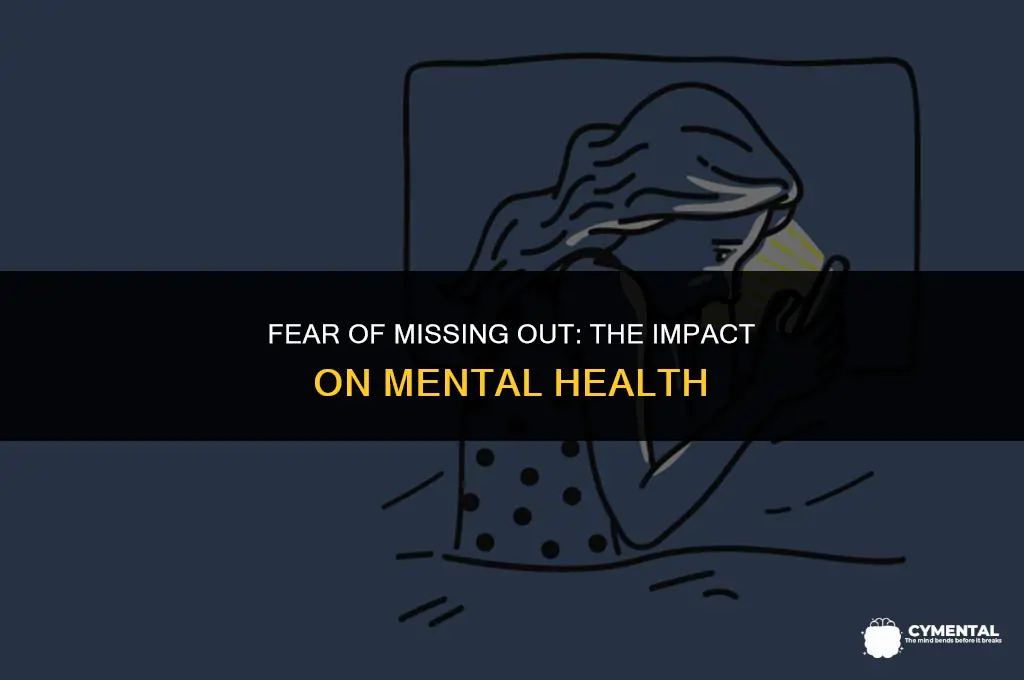
Fear of Missing Out (FOMO) is a pervasive phenomenon in today's digitally connected world, where individuals are constantly bombarded with information about others' activities and achievements through social media and other channels. This can lead to a sense of inadequacy and anxiety, as people compare their own lives to the seemingly perfect ones portrayed online. FOMO can have a significant impact on mental health, contributing to feelings of loneliness, depression, and stress. It can also lead to compulsive behaviors, such as excessive social media use, which can further exacerbate these negative effects. Understanding the relationship between FOMO and mental health is crucial for developing strategies to mitigate its harmful consequences and promote well-being in the digital age.
| Characteristics | Values |
|---|---|
| Increased anxiety | FOMO can lead to heightened anxiety as individuals feel pressure to constantly stay connected and up-to-date with others' activities. |
| Lower self-esteem | Comparing oneself to others' curated online personas can result in feelings of inadequacy and decreased self-worth. |
| Depression | The fear of missing out can contribute to depressive symptoms, especially when individuals feel isolated or disconnected from social events. |
| Sleep disturbances | The constant need to check social media and stay alert to new information can interfere with sleep patterns, leading to insomnia or poor sleep quality. |
| Social isolation | Paradoxically, FOMO can cause individuals to withdraw from social interactions in person, as they become more engrossed in online activities. |
| Decreased productivity | The distraction of constantly monitoring social media can negatively impact work or school performance, as attention is diverted from tasks at hand. |
| Impaired decision-making | FOMO can lead to impulsive decisions, as individuals may prioritize attending events or engaging in activities based on social pressure rather than personal preferences or priorities. |
| Strained relationships | The pressure to maintain a certain image or status online can cause tension in personal relationships, as individuals may prioritize their online personas over genuine connections with others. |
Explore related products


What You'll Learn
- Anxiety and Stress: FOMO can lead to constant worry about missing out, causing heightened anxiety and stress levels
- Self-Esteem Issues: Comparing oneself to others' curated online lives can result in feelings of inadequacy and low self-esteem
- Social Isolation: Paradoxically, FOMO can cause individuals to avoid social interactions, fearing they won't measure up or miss out elsewhere
- Sleep Disturbances: The urge to stay connected and updated can disrupt sleep patterns, leading to fatigue and related health issues
- Depression: Persistent feelings of missing out and not being good enough can contribute to the development of depressive symptoms

Anxiety and Stress: FOMO can lead to constant worry about missing out, causing heightened anxiety and stress levels
The pervasive fear of missing out (FOMO) can have a profound impact on mental health, particularly in terms of anxiety and stress. This constant worry about missing out on social events, experiences, or opportunities can lead to a state of heightened alertness, where individuals are perpetually on edge, anticipating the next thing they might miss. This chronic anxiety can manifest in various ways, such as excessive checking of social media, compulsive planning, and an inability to relax or unwind.
One of the key mechanisms by which FOMO contributes to anxiety and stress is through the activation of the brain's fight-or-flight response. When individuals are constantly bombarded with information about what others are doing, their brains may interpret this as a threat, triggering the release of stress hormones like cortisol and adrenaline. Over time, this can lead to a range of physical and emotional symptoms, including headaches, muscle tension, irritability, and sleep disturbances.
Moreover, FOMO can also lead to a sense of inadequacy and low self-esteem, as individuals compare their own lives to the seemingly perfect experiences of others. This can create a vicious cycle, where feelings of inadequacy fuel further anxiety and stress, which in turn can exacerbate FOMO. Breaking this cycle requires a multifaceted approach, including strategies to manage social media use, cultivate mindfulness, and develop a more realistic and compassionate self-image.
In addition to its direct effects on anxiety and stress, FOMO can also have indirect consequences for mental health. For example, individuals who are constantly worried about missing out may be more likely to engage in risky behaviors, such as substance abuse or reckless driving, in an attempt to cope with their feelings of anxiety or to fit in with others. Furthermore, FOMO can also contribute to the development of other mental health issues, such as depression and obsessive-compulsive disorder (OCD).
To mitigate the impact of FOMO on anxiety and stress, it is essential to develop healthy coping mechanisms and to challenge the underlying beliefs that fuel this fear. This may involve setting boundaries around social media use, practicing mindfulness and relaxation techniques, and cultivating a sense of gratitude for one's own experiences and accomplishments. By taking these steps, individuals can begin to break free from the cycle of FOMO and cultivate a more balanced and fulfilling life.
The Silent Struggle: Poverty's Impact on Mental Health
You may want to see also
Explore related products


Self-Esteem Issues: Comparing oneself to others' curated online lives can result in feelings of inadequacy and low self-esteem
The pervasive nature of social media has introduced a new dimension to the concept of self-esteem. With the rise of curated online personas, individuals are increasingly comparing their real lives to the seemingly perfect lives of others online. This comparison can lead to feelings of inadequacy and low self-esteem, as people often present an edited version of their lives on social media platforms. The constant bombardment of images and updates that showcase others' achievements, relationships, and lifestyles can create a distorted sense of reality, making it difficult for individuals to measure their own worth accurately.
One of the primary reasons for this phenomenon is the tendency to compare one's behind-the-scenes moments to others' highlight reels. Social media platforms are designed to showcase the most exciting and glamorous aspects of people's lives, often omitting the mundane or challenging parts. This selective presentation can lead to unrealistic expectations and a skewed perception of what constitutes a successful or fulfilling life. As a result, individuals may feel that they are not measuring up to the standards set by their online peers, contributing to feelings of inadequacy and low self-esteem.
Furthermore, the constant comparison can also lead to a sense of competition, where individuals feel the need to outdo others in terms of achievements, possessions, or experiences. This competitive mindset can be detrimental to mental health, as it fosters a sense of never being good enough and perpetuates the cycle of comparison and dissatisfaction. The pressure to present a perfect online image can also lead to the suppression of genuine emotions and experiences, further exacerbating feelings of inadequacy and low self-esteem.
To mitigate the negative impact of social media on self-esteem, it is essential to cultivate a healthy perspective on online interactions. This includes recognizing the curated nature of online personas, setting realistic expectations, and focusing on personal growth rather than external validation. Additionally, taking regular breaks from social media and engaging in activities that promote self-worth and self-acceptance can help individuals maintain a positive sense of self-esteem in the face of online comparisons.
Nurturing Mental Wellness: The Power of Supportive Friendships
You may want to see also
Explore related products


Social Isolation: Paradoxically, FOMO can cause individuals to avoid social interactions, fearing they won't measure up or miss out elsewhere
Fear of Missing Out (FOMO) is often associated with a desire to be constantly connected and involved in social activities. However, paradoxically, it can lead to social isolation. This occurs when individuals, driven by the anxiety of not measuring up or missing out on other opportunities, choose to avoid social interactions altogether. This self-imposed isolation can have detrimental effects on mental health, exacerbating feelings of loneliness and inadequacy.
One of the primary reasons FOMO leads to social isolation is the unrealistic comparison individuals make with others on social media. Platforms like Instagram and Facebook often showcase the highlight reels of people's lives, leading to a distorted perception of reality. When individuals compare their own lives to these curated images, they may feel they don't measure up, leading to a withdrawal from social engagements. This can create a vicious cycle where the fear of not being good enough prevents them from participating in activities that could boost their self-esteem and alleviate their anxiety.
Moreover, FOMO can cause individuals to spread themselves too thin, trying to be present at every event or gathering. This can result in a lack of meaningful connections, as they may not fully engage with others or invest time in building deeper relationships. The constant pressure to be elsewhere can also lead to feelings of restlessness and dissatisfaction, further contributing to social isolation.
To combat this, it's essential for individuals to recognize the irrationality of FOMO and to focus on cultivating genuine connections rather than chasing every social opportunity. This can involve setting boundaries, prioritizing quality over quantity in social interactions, and practicing mindfulness to stay present and engaged in the current moment. By doing so, individuals can break the cycle of FOMO-induced social isolation and foster healthier, more fulfilling relationships.
Unveiling the Impact: Mental Illness and Brain Function Explored
You may want to see also
Explore related products


Sleep Disturbances: The urge to stay connected and updated can disrupt sleep patterns, leading to fatigue and related health issues
The constant connectivity demanded by modern society can have a profound impact on sleep quality. Research indicates that the blue light emitted by screens can interfere with the production of melatonin, the hormone responsible for regulating sleep-wake cycles. This disruption can lead to difficulty falling asleep, staying asleep, and achieving restorative sleep, resulting in daytime fatigue, irritability, and decreased cognitive function. Furthermore, the psychological pressure to stay updated and responsive can create a state of hyperarousal, making it challenging to "wind down" and transition into a relaxed state conducive to sleep.
A study published in the Journal of Sleep Research found that individuals who reported higher levels of FOMO (Fear of Missing Out) were more likely to experience sleep disturbances, including insomnia and poor sleep quality. This correlation suggests that the anxiety and stress associated with FOMO can have a direct impact on sleep patterns, leading to a range of negative health outcomes. In addition to the physical and mental health consequences of sleep deprivation, the chronic fatigue resulting from disrupted sleep can also impair social functioning, academic performance, and overall quality of life.
To mitigate the effects of FOMO on sleep, it is essential to establish healthy boundaries around technology use and social media engagement. Setting specific times for checking updates, limiting screen time before bed, and creating a relaxing bedtime routine can all help to promote better sleep hygiene. Additionally, practicing mindfulness and cognitive-behavioral techniques can help to reduce anxiety and stress related to FOMO, allowing individuals to disconnect from the constant stream of updates and notifications and focus on their own well-being. By prioritizing sleep and managing FOMO, individuals can improve their mental health, increase their resilience to stress, and enhance their overall quality of life.
Nourishing Your Mind: The Profound Impact of Diet on Mental Health
You may want to see also
Explore related products


Depression: Persistent feelings of missing out and not being good enough can contribute to the development of depressive symptoms
Persistent feelings of missing out, commonly known as FOMO, can significantly impact mental health, particularly by contributing to the development of depressive symptoms. This phenomenon is characterized by a pervasive sense of anxiety or apprehension that one is missing out on rewarding experiences or opportunities that others are enjoying. Over time, this can lead to feelings of inadequacy and low self-esteem, which are key components in the onset of depression.
Research has shown that individuals who frequently experience FOMO are more likely to engage in compulsive behaviors, such as excessive social media use, in an attempt to alleviate their anxiety. However, this can create a vicious cycle where the individual becomes increasingly isolated and disconnected from meaningful social interactions, further exacerbating feelings of loneliness and depression.
Moreover, FOMO can distort an individual's perception of reality, leading them to believe that others are consistently having more fulfilling experiences than they are. This cognitive bias can reinforce negative self-talk and contribute to a pessimistic outlook on life, which is a hallmark of depressive thinking patterns.
To mitigate the impact of FOMO on mental health, it is essential to address the underlying causes of this anxiety. This may involve setting realistic expectations about social activities, limiting exposure to social media, and engaging in activities that promote a sense of fulfillment and self-worth. Additionally, practicing mindfulness and cognitive-behavioral techniques can help individuals reframe their thoughts and develop healthier coping mechanisms.
In conclusion, while FOMO is often dismissed as a trivial concern, its persistent presence can have serious implications for mental health. By understanding the mechanisms through which FOMO contributes to depression, individuals can take proactive steps to protect their well-being and cultivate a more balanced and fulfilling life.
The Impact of Cyberbullying on Mental Health: A Growing Concern
You may want to see also
Frequently asked questions
FOMO, or Fear of Missing Out, is a social anxiety that stems from the belief that others are having a more fulfilling experience than oneself. This can lead to feelings of inadequacy, loneliness, and decreased self-esteem, all of which can negatively impact mental health.
FOMO can manifest in various ways, such as constantly checking social media to see what others are doing, feeling anxious about missing out on social events, or comparing one's own experiences to those of others. This can lead to a cycle of negative thoughts and feelings that can be difficult to break.
Some strategies for coping with FOMO include practicing mindfulness, setting boundaries around social media use, and focusing on one's own goals and values. It can also be helpful to reframe negative thoughts and remind oneself that everyone's experiences are unique and valuable.
If FOMO is causing significant distress or interfering with daily life, it may be helpful to seek professional help from a mental health provider. They can offer guidance on coping strategies and provide support in addressing underlying issues that may be contributing to FOMO.


![Fear [Blu-ray]](https://m.media-amazon.com/images/I/71tGFLZLfEL._AC_UY218_.jpg)
![Fear [DVD]](https://m.media-amazon.com/images/I/61LzOQIFXmL._AC_UY218_.jpg)